
YOOPAI Filament Storage Bags Review: A Calculated Risk for 3D Printing
This review is based on real experiences shared by owners in online communities.
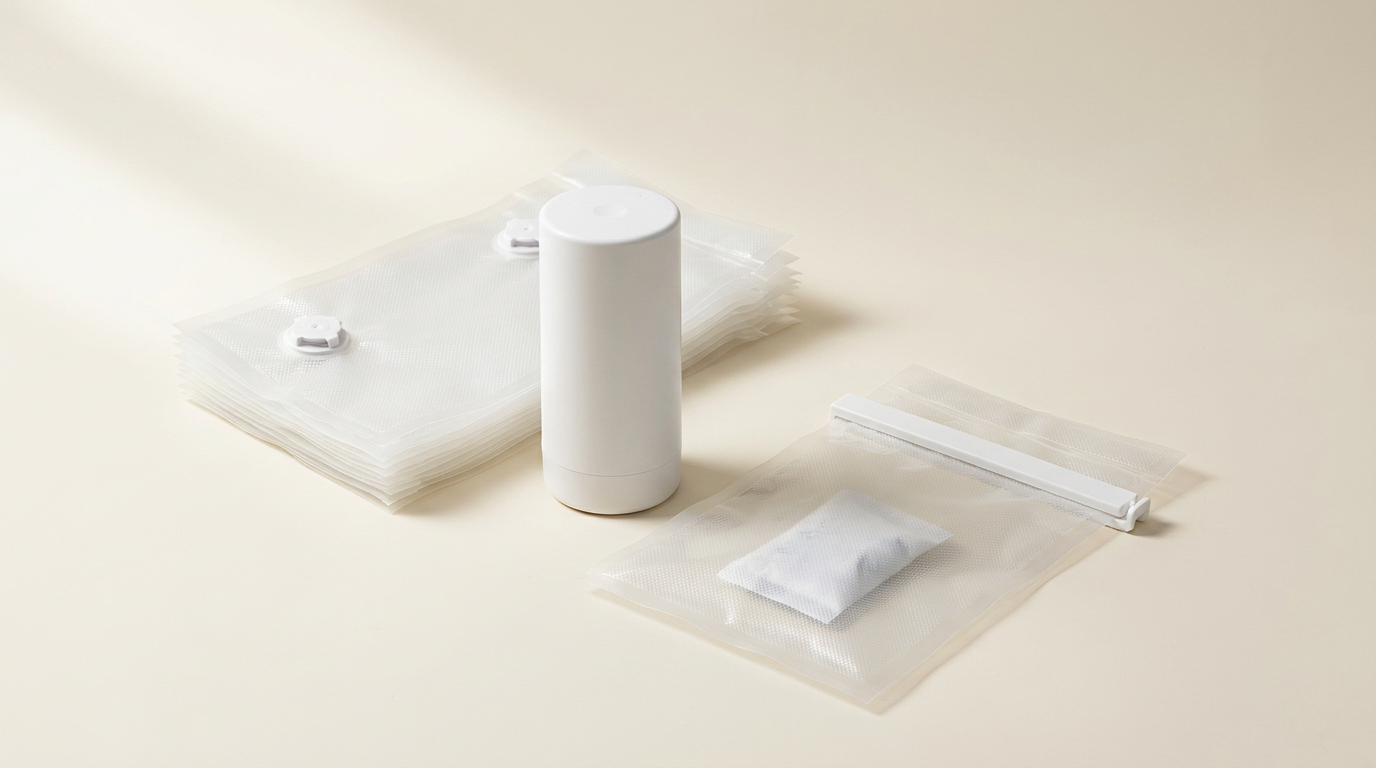
In the evolving landscape of consumer 3D printing, filament storage has shifted from an afterthought to a critical component of print quality and material longevity. Moisture absorption in filament can lead to compromised prints, clogs, and material waste. While dedicated dry boxes offer consistent humidity control, vacuum storage bags present a more budget-conscious alternative for many hobbyists.
The YOOPAI Filament Storage Bags with Auto Pump enter this segment with a value proposition: a comprehensive kit at a competitive price point. The product aims to provide a simple, effective solution for keeping filament dry. This review examines whether its execution lives up to this promise, or if the cost savings come with hidden trade-offs in long-term reliability.
Most buyers seeking filament storage prioritize consistent performance. The YOOPAI system, however, introduces a dynamic where individual bag integrity is paramount. This means assessing not just the overall system design, but also the inevitable variance in manufacturing that can impact user experience, creating a kind of "bag lottery" that potential buyers must consider.
What owners love
- + Comprehensive kit includes pump, bags, and desiccants
- + Extra-large bags accommodate most 1kg spools, including Bambu Lab
- + Included electric pump offers quick and easy vacuum sealing
- + Good value per bag compared to many alternatives
- + Responsive customer service for defective items
- + Thicker bag material than standard zip-lock bags
Common complaints
- − Significant proportion of bags arrive with sealing defects
- − Bags often lose vacuum after initial use or over time
- − Durability issues; bags can puncture or crack with handling
- − Difficulty in purchasing bags separately without the pump
- − The "bag lottery" means quality control is inconsistent
Design & Build
The YOOPAI filament storage bags are designed with a notable thickness, surpassing standard consumer storage bags. This indicates an intent for enhanced durability and protection against punctures, a common failure point for vacuum seals. The extra-large dimensions, at 14.9 x 13 inches, specifically target common 1kg filament spools, including the wider Bambu Lab spools, which is a practical consideration for a broad user base. The air valve design receives praise for its engineering, allowing efficient suction without requiring internal spacers. However, while the material thickness suggests resilience, a recurring issue involves bags developing leaks, sometimes immediately upon first use or after minimal handling, suggesting that material composition alone does not guarantee long-term seal integrity. This highlights a fundamental tension between perceived material strength and actual product reliability.
Setup & Ease of Use
Setting up the YOOPAI system is straightforward. Users place the filament and desiccant into a bag, seal the zipper with the provided clips, and use the included electric pump to extract air. Owners consistently report the pump performs well, achieving a vacuum seal quickly, often within a minute. Some users even note the pump's suction is sufficient to hold itself onto the valve during operation. The USB-C rechargeable pump is a convenience, though some owners also choose to use household vacuum cleaners for faster initial evacuation. The process is intuitive, making it accessible even for users new to filament storage. The primary friction point in setup arises when a bag is inherently defective, rendering the sealing process futile, which undermines the system's otherwise user-friendly design.
Performance in Real Use
The performance of the YOOPAI bags in real-world application presents a divided picture. When a bag functions correctly, it effectively maintains a vacuum seal for extended periods, preserving filament quality. Owners commend the system for keeping filament dry and ready for printing. However, the Achilles' heel of this product is its inconsistent long-term seal retention. A significant number of reports indicate bags failing to hold a vacuum, either immediately after sealing or after a few days or weeks. This issue is not isolated; it manifests as a "first-layer cliff" where a certain percentage of bags fail upon initial use, and subsequent failures emerge during reuse. Factors like sharp filament edges or clips are sometimes implicated in punctures, but many failures occur without such external causes, pointing to manufacturing variability in the valve or seam seals. This inconsistent performance creates an operational burden, requiring users to regularly check seals and re-vacuum, diminishing the set-it-and-forget-it convenience expected from storage solutions.
Software & Ecosystem
The YOOPAI Filament Storage Bags are a standalone hardware solution; they do not involve software or a connected ecosystem. Their integration is purely physical, fitting standard filament spools and working with the provided electric pump. The kit includes 20 bags, 20 desiccant packs, 5 clips, and the auto pump, making it a self-contained moisture protection system. A notable limitation within this ecosystem is the difficulty in purchasing replacement or additional bags without acquiring another complete kit that includes an unneeded pump. This creates a "pump surplus penalty" for long-term users who only need to replenish their bag supply, which is a common need given the reported failure rates. This lack of à la carte options adds to the overall cost and waste for repeat buyers.
Value & Reliability
The YOOPAI Filament Storage Bags offer compelling value from a per-bag cost perspective, especially considering the inclusion of an electric pump and desiccants in a single kit that retails for around $20. When the bags function as intended, they represent a cost-effective method for filament preservation. However, this value proposition is heavily offset by reliability concerns. A recurring theme in owner feedback is the "bag lottery," where a substantial percentage, sometimes up to 30% or more, of bags in a single pack fail to maintain a vacuum. These failures stem from factory defects in seals or valves, or bags cracking under normal handling. While customer service is responsive in addressing these issues, the necessity for users to perform quality assurance and seek replacements introduces an unseen cost in time and effort. The overall value is therefore a calculation of initial savings against the potential for defective units and the effort required to remediate them.
Verdict
Consider - The YOOPAI Filament Storage Bags offer a budget-friendly entry into vacuum filament storage, but require tolerance for inconsistent quality.
This system suits 3D printer users who prioritize upfront cost savings and are willing to manage a certain percentage of bag failures. It's a viable option for those with moderate storage needs and the patience to test each bag, or who appreciate proactive customer support. However, users seeking absolute reliability and a truly hands-off storage solution should explore alternatives, as the frequent re-vacuuming or replacement of defective bags can become a time drain.
The YOOPAI bags embody a market segment that trades predictable performance for aggressive pricing. The "bag lottery" dynamic is not merely a quality control oversight, but a structural reality of many budget-focused consumer goods. It defines a category where the true cost is often paid in user effort and the occasional frustration of a product that almost, but not always, delivers on its promise.
FAQ
More 3D Printer Parts & Accessories reviews
YUNHAN Air Filter for Bambu Lab 3D Printers Review

HYHJMISTY 91PCS 3D Printer Tools Kit Review: A Focused Starter Set

Black Magic 3D Printer Adhesion Kit Review: The Applicator Advantage
Fuitnerd 184-Piece 3D Printer Tool Kit Review: Value-Focused Utility
CreatryLab A1/A1 Mini Hotend Review: Budget Reliability for Bambu Labs
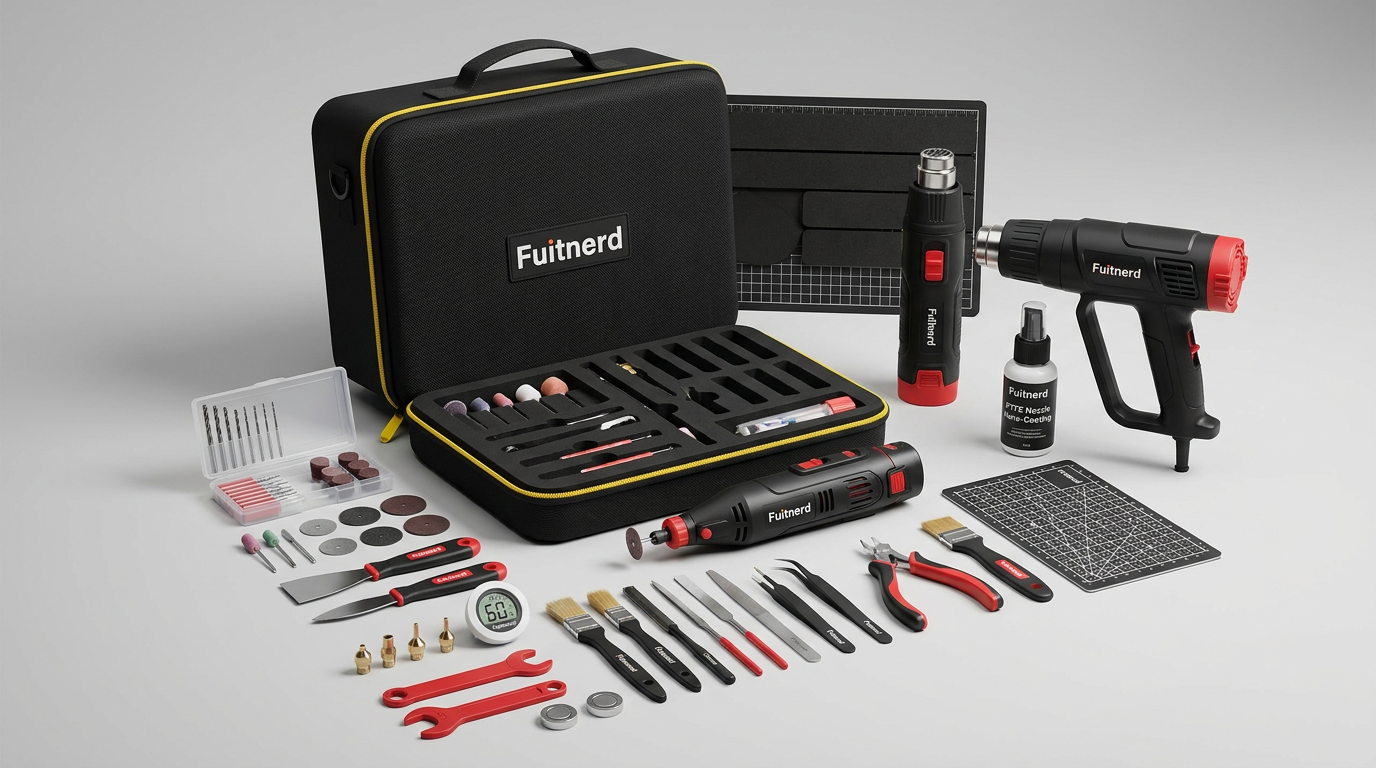
Fuitnerd 142Pcs 3D Printer Tools Kit Review: A Maker's Essential?
This review is based on real experiences shared by owners in online communities.