
Hemulac Hardened Steel Extruder for Bambu P1P and P1S Review
By AValidReview. An AI-assisted summary of customer feedback, not a hands-on test.
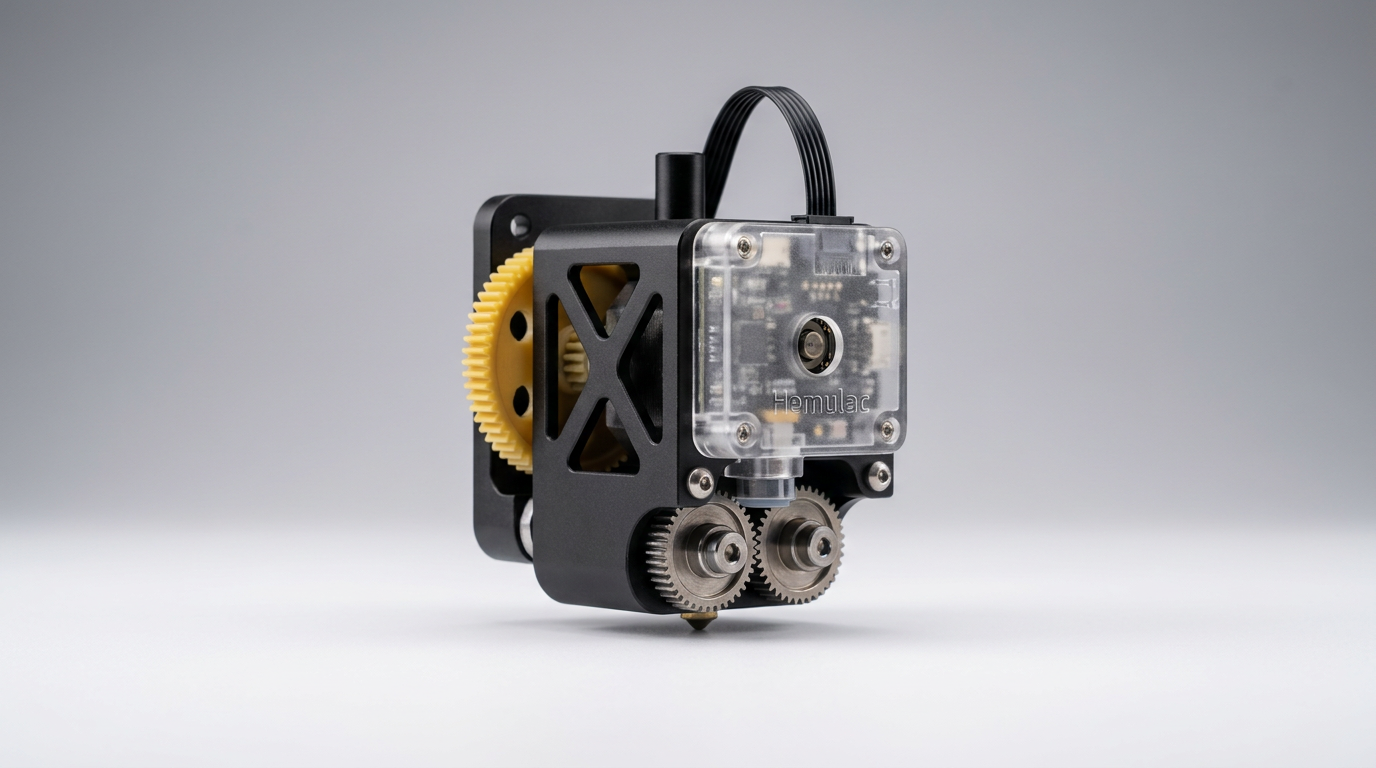
When 3D printer enthusiasts start working with composite materials, they almost always upgrade the hotend nozzle first. What most makers miss is the abrasive material blind spot: carbon fiber, glass fiber, and glow-in-the-dark filaments grind against the extruder drive gears with the exact same friction they exert on the melt zone. Standard factory gears eventually slip, leading to sudden under-extrusion and phantom clogs that ruin overnight prints.
The Hemulac Hardened Steel Extruder Unit targets this precise vulnerability for Bambu Lab P1P and P1S owners. Instead of forcing users to rebuild the factory extruder with microscopic replacement pins and tension springs, Hemulac packages hardened steel dual gears and an integrated run-out sensor into a self-contained unit. It is designed as a direct swap for both routine wear and preventative maintenance.
After assessing real-world performance across thousands of printing hours, this third-party module reveals a distinct niche. It functions less as an exotic performance tuner and more as high-mileage farm insurance, cutting repair downtime for anyone running rough engineering filaments through Bambu hardware.
What owners love
- + Hardened steel drive gears resist abrasive filament wear
- + Drop-in assembly eliminates the hassle of rebuilding internal gear springs
- + Dual-gear teeth provide strong bite on slippery TPU and rigid composites
- + Integrated filament run-out detection operates reliably with stock firmware
- + Includes necessary mounting screws and installation hex tools
Common complaints
- − Large secondary drive gear remains plastic rather than all-metal
- − No printed instructions included in the box
- − Included mounting screws are slightly longer than factory OEM hardware
- − Third-party pricing can sometimes run higher than official Bambu replacement gears
Design & Build
Hemulac builds this drop-in unit around a dual-gear feed mechanism using wear-resistant hardened steel. The teeth are sharply machined, providing a mechanical bite that handles everything from flexible TPU to rigid carbon-fiber blends without stripping filament jackets. However, the assembly reveals a familiar manufacturing compromise: while the filament-gripping drive teeth are hardened steel, the large secondary transfer gear remains molded plastic. This hybrid design keeps rotational mass down and dampens gear train noise, but buyers expecting a pure all-metal transmission will notice the cost-saving plastic wheel. The casing itself feels rigid and aligns accurately with Bambu toolhead mounting posts, though several users observe the unit feels marginally lighter than original factory hardware.
Setup & Ease of Use
Replacing a Bambu extruder is an exercise in dexterity, and Hemulac does not provide printed documentation in the box. Anyone tackling this swap must rely on Bambu official wiki guides and video walk-throughs. The swap avoids the rebuild tax of disassembling tiny springs, washers, and needle bearings, because the unit arrives fully populated. Installation still presents minor hurdles. Technicians must navigate the fragile toolhead ribbon cable, which demands careful alignment during reassembly. Furthermore, the screws provided by Hemulac run slightly longer than factory Bambu screws. Experienced users suggest either paying close attention to thread depth during installation or retaining original factory fasteners to ensure a flush housing seat.
Performance in Real Use
On the print bed, the mechanical advantages of the dual-gear grip show up immediately. Owners plagued by extruder clicking, filament grinding, and erratic line widths report that swapping to this assembly resolves feeding resistance entirely. The hardened teeth distribute feeding pressure evenly, keeping steady extrusion flow across marathon 10-hour to 20-hour runs. Abrasive filaments like PLA-CF and glow-in-the-dark compounds feed smoothly without carving grooves into the drive wheels. The integrated filament run-out sensor functions without false trips, matching the behavior of factory modules across PLA, PETG, ABS, and flexible materials.
Software & Ecosystem
Because this unit acts as a hardware-level clone of Bambu stock toolhead mechanics, it requires zero firmware modifications or configuration changes in Bambu Studio. The run-out detection pin triggers native pause routines cleanly, and the printer motherboard reads step rates and feed resistances as if it were running original components. This seamless drop-in behavior gives the unit genuine utility in production environments, where tweaking profile offsets or adjusting motor currents for third-party gear ratios would create unwanted operational friction.
Value & Reliability
Priced in the rough neighborhood of $50, the Hemulac assembly operates in a competitive middle ground. Official Bambu individual replacement gears are often priced lower, but they require a delicate, time-consuming teardown of the original toolhead housing. Hemulac charges a premium for packaging convenience: you get a full housing, pre-aligned gears, tension springs, and a built-in sensor ready to bolt onto the carriage. For multi-printer print farms where machine downtime directly bleeds revenue, paying for a complete pre-built swap makes clear operational sense. Hobbyists printing exclusively standard PLA on a relaxed schedule might find a basic factory gear rebuild more economical.
Verdict
Buy - A reliable drop-in fix that restores feeding consistency and protects your Bambu printer against abrasive composite wear.
This extruder is ideal for high-volume makers, print farm operators, and users who regularly run abrasive engineering materials like carbon fiber, glass fiber, or glow powders. It is equally valuable for anyone who prefers swapping an entire module over wrestling with loose springs and tiny bearings inside the original carriage.
Skip it if you only print vanilla PLA and have the patience to service factory extruder gears using cheaper OEM rebuild components. If your printer runs smoothly and you do not push abrasive spools, there is no urgent reason to retire your stock toolhead.
The real appeal of the Hemulac unit is that it solves the abrasive material blind spot by trading a small price premium for zero-downtime convenience. It transforms what is normally an annoying benchtop micro-overhaul into a five-minute toolhead hot-swap, keeping your production line moving while tougher filaments run through the gate.
FAQ
More 3D Printer Parts & Accessories reviews
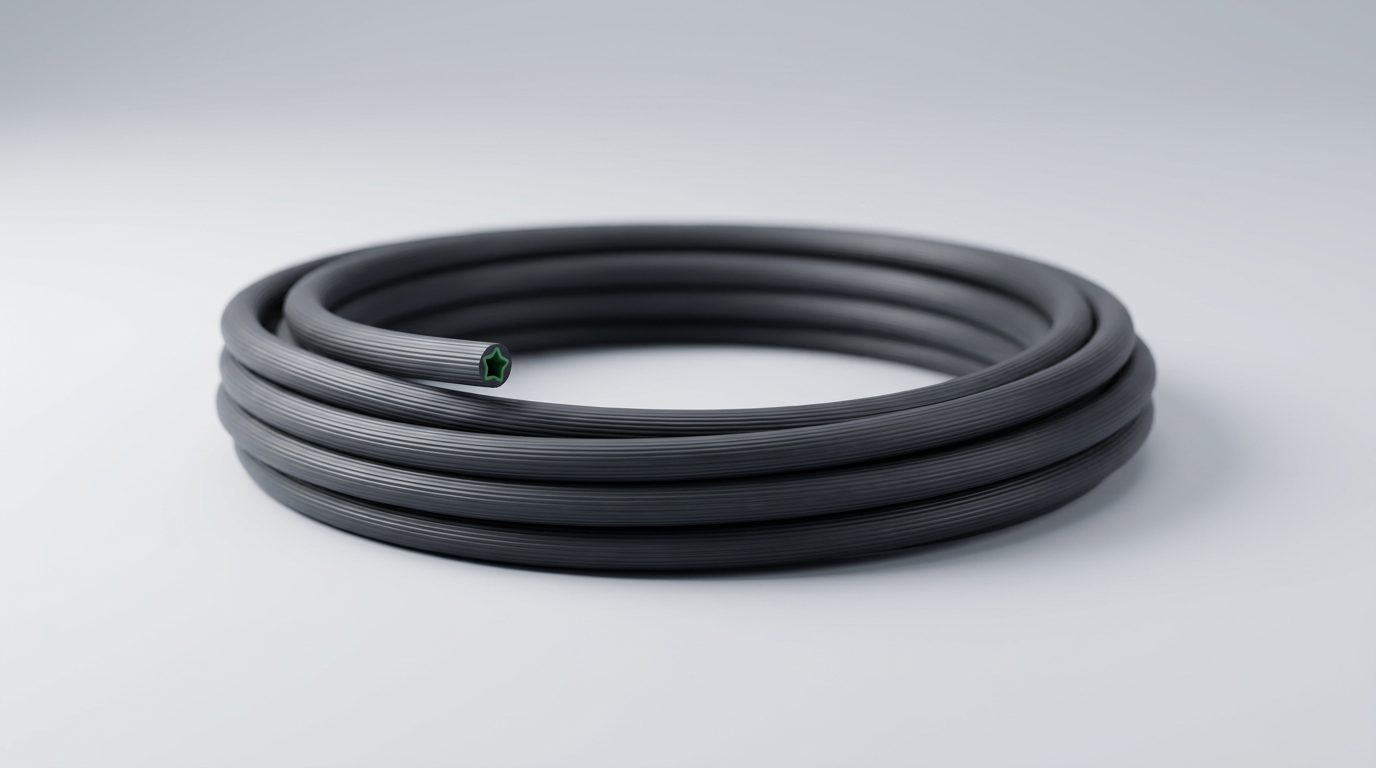
Creality Star-Shaped PTFE Tube Review: Smart Design, Mixed Results
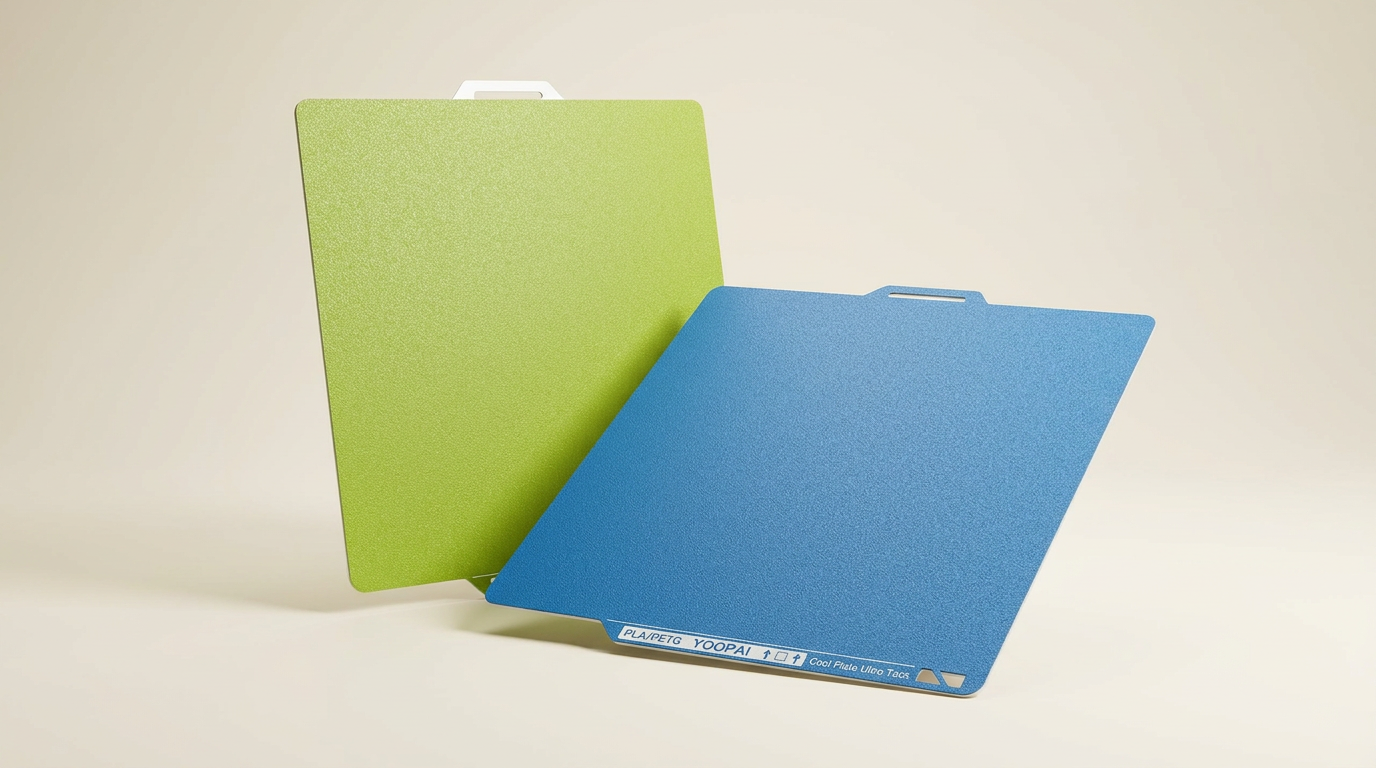
YOOPAI 2-Pack Cold Build Plate Review: Aggressive Bed Grip
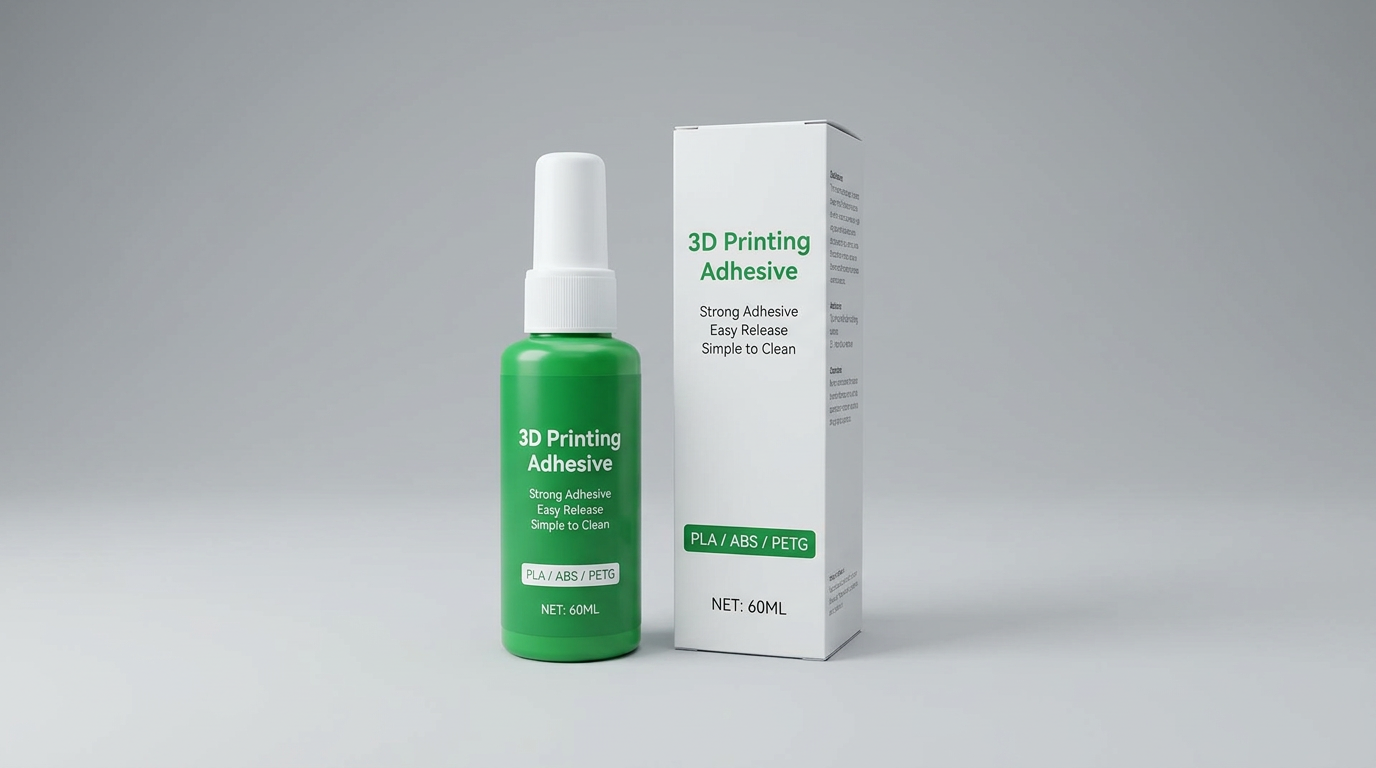
Wefuit Bambu Lab Liquid Bed Adhesive Review
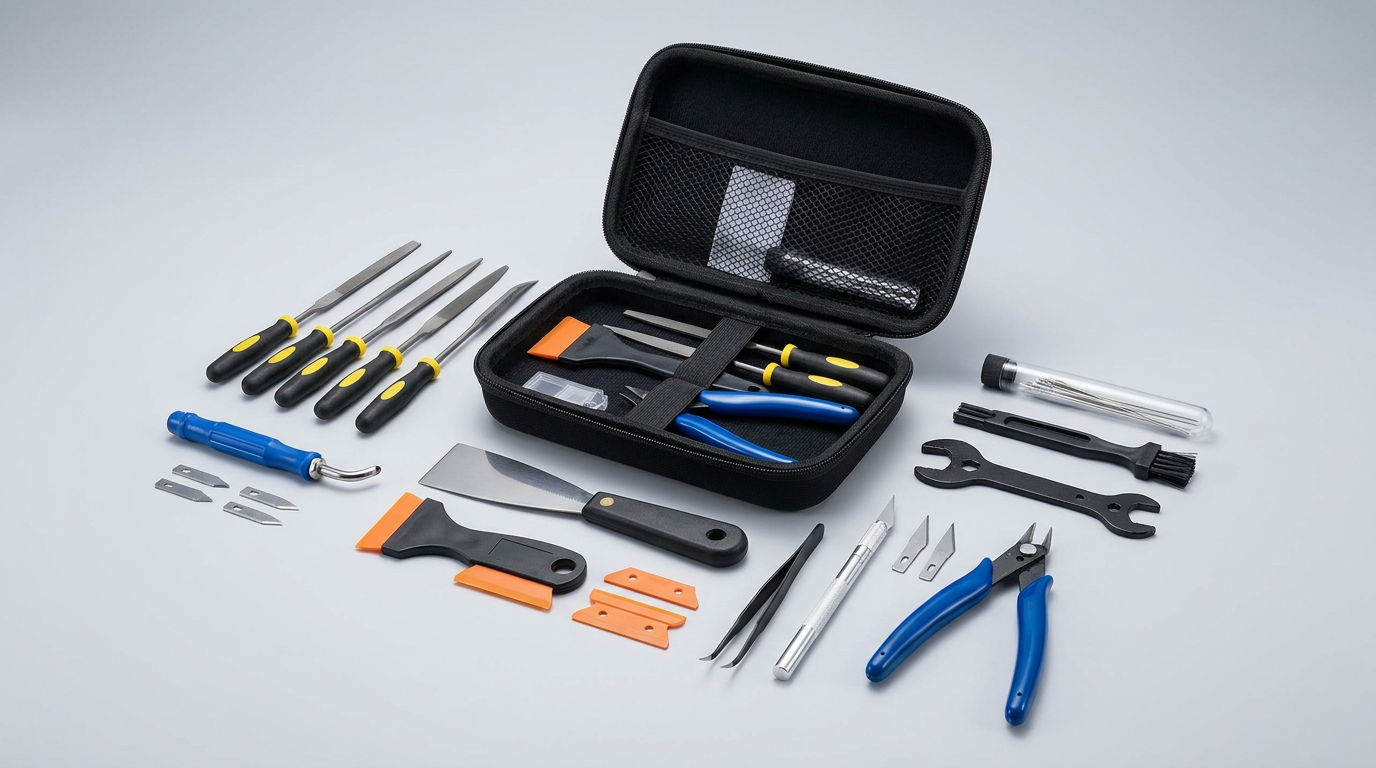
Miskis 46-Piece 3D Printer Tool Kit Review: Bench Essentials
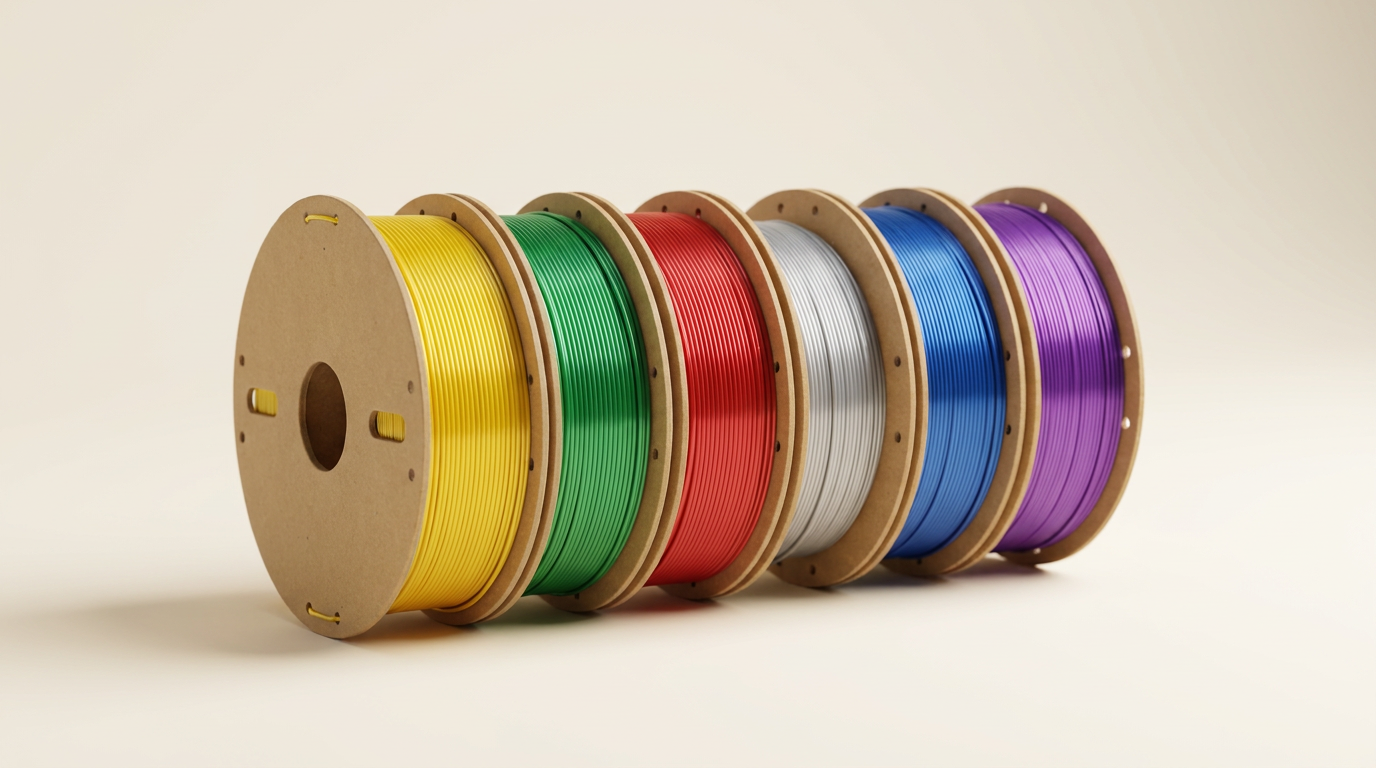
Dynta Silk PLA Bundle Review: 6 Colors, 250g Spools
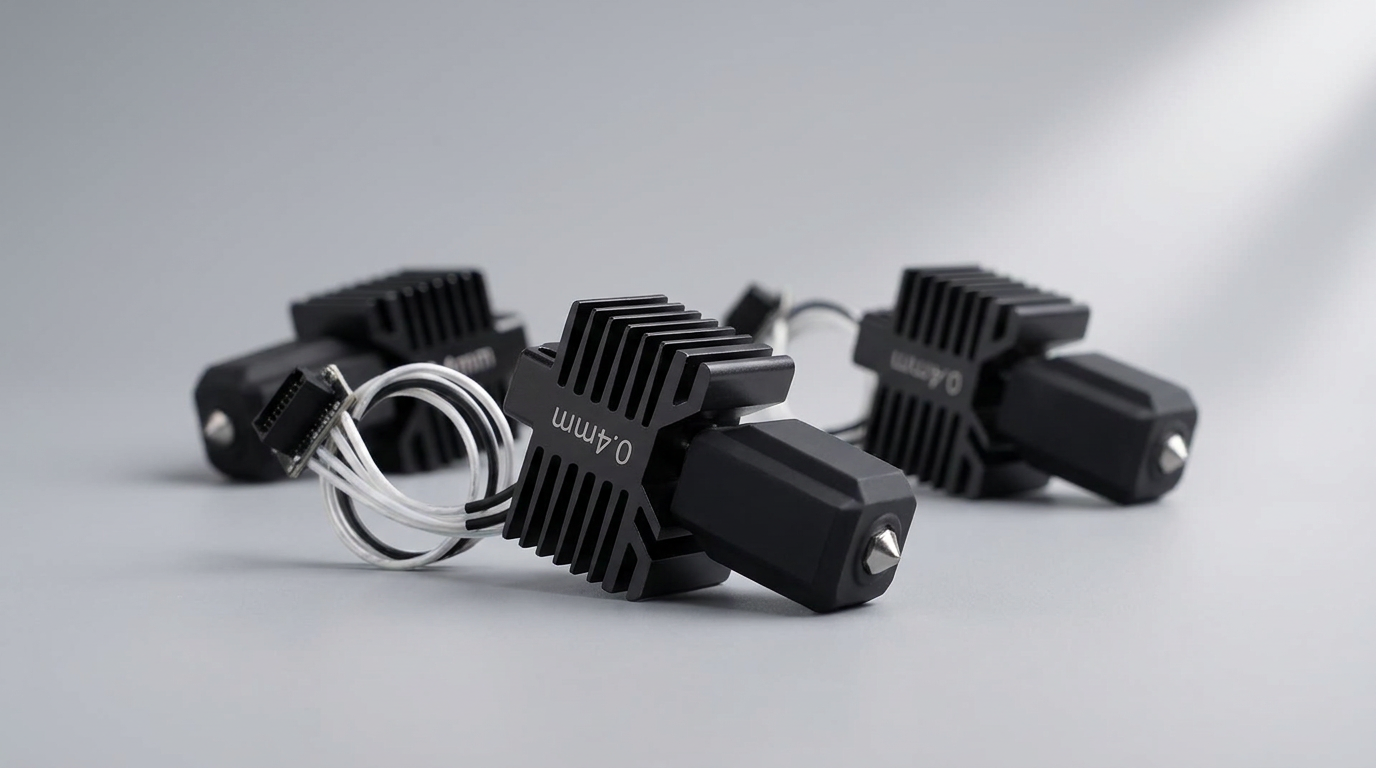
HysiPrui P1S/P1P Integrated Hotend Review: Cheap Spares, Real Trade-Offs
This review is based on real experiences shared by owners in online communities.