
Creality Star-Shaped PTFE Tube Review: Smart Design, Mixed Results
By AValidReview. An AI-assisted summary of customer feedback, not a hands-on test.
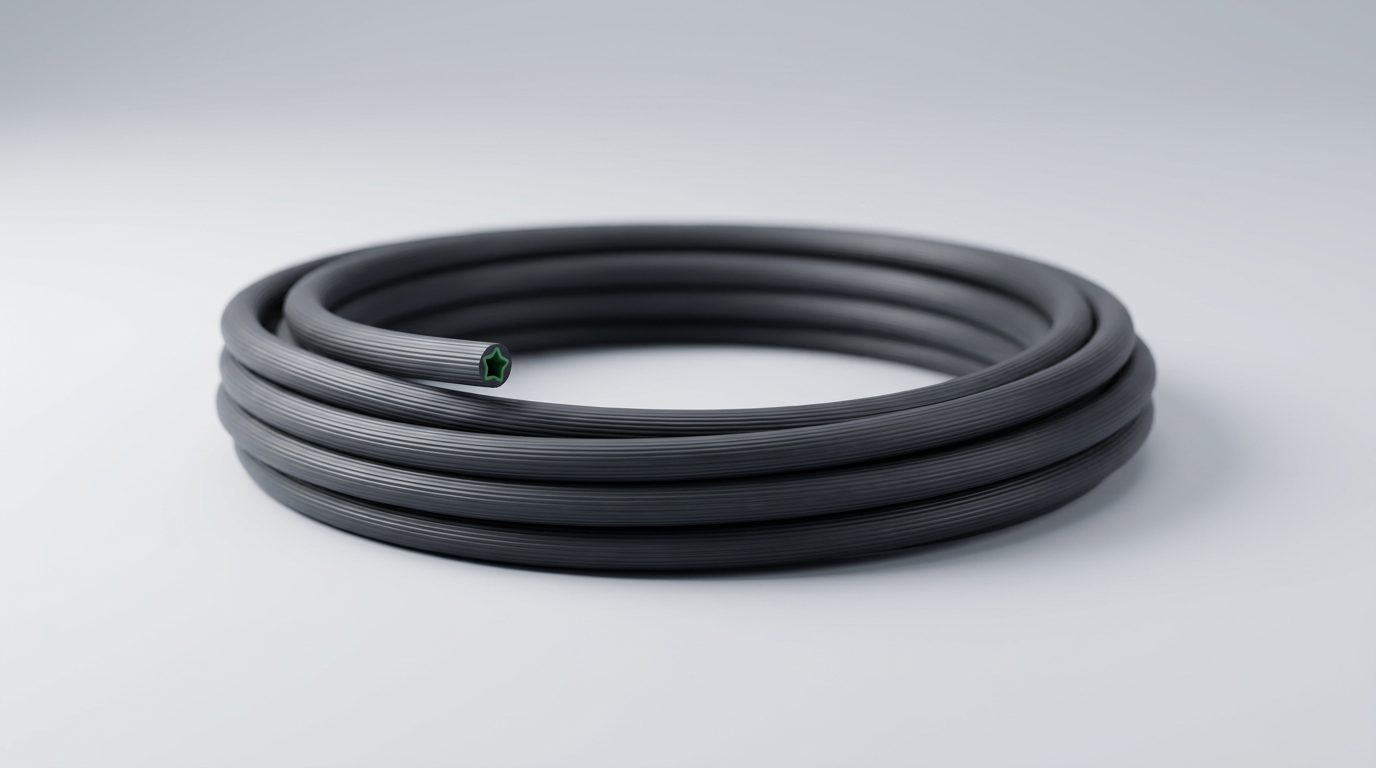
For years, standard PTFE tubing was treated as a disposable commodity. Every 3D printer relied on generic white or translucent Bowden tubes with smooth cylindrical bores. With the explosion of multi-material systems like Bambu Lab AMS, Prusa MMU, and Creality CFS, the humble guide tube has become an active performance bottleneck. Creality attempt to solve this with a star-shaped internal channel is an intriguing mechanical gamble, but it exposes what we call the curvature trap: reducing surface contact area in a straight line can actually multiply friction when the tube is forced to bend.
On paper, the logic is sound. Conventional round tubes force filament to rub against a continuous concave surface. Creality molded longitudinal ridges down the interior, suspending the 1.75mm filament on raised points to trim claimed drag by 30 percent. For owners routing auxiliary filament lines across a workbench or linking an AMS unit perched two feet from the printer frame, that friction reduction is genuine and measurable.
Once that same tube snakes through tight drag chains, toolhead entry ports, or compact automated filament switchers, the real-world performance splits sharply. Rather than serving as a universal drop-in replacement, this tubing functions as a specialized conduit that demands specific physical routing to deliver on its promises.
What owners love
- + Significantly lower resistance on long, straight filament guide runs
- + Generous four-meter spool provides multiple replacements
- + Included small tube cutter delivers clean perpendicular cuts
- + Smoked translucent finish allows visual monitoring of filament position
- + Functions well as an extended feed line for distant multi-material units
Common complaints
- − Internal ridges pinch and bind filament inside tight radius curves
- − Tight 2.0mm internal bore offers less clearance than standard 2.5mm guide tubing
- − Unreliable in Creality CFS and compact toolhead auto-load setups
- − Noticeably more expensive than generic round PTFE options
Design & Build
Creality star-shaped tubing departs from the industry-standard 4mm outer diameter and 2.5mm inner diameter baseline often used for reverse Bowden guide lines. While the external diameter remains a standard 4mm, preserving compatibility with standard push-to-connect pneumatic couplers, the effective internal channel sits closer to 2.0mm at the tips of the star ridges. The material itself feels slightly softer and more pliable than dense, authentic Capricorn tubing, tinted in a semi-transparent smoke grey that lets you spot filament position without peering directly into an enclosure.
The engineering rationale focuses on surface area contact. By replacing a smooth circular inner wall with a micro-fluted profile, filament rides on tiny rails rather than hugging a broad wall. This design choice carries an unspoken compromise: radial tolerance. Because the ridges intrude into the bore to create those contact points, the channel leaves very little margin for filament diameter variations or sharp deflections.
Setup & Ease of Use
Installing the tubing is identical to any standard Bowden replacement, aided by an included plastic mini-cutter that ensures square ends. The square cut is essential here; any deformation or burr at the tip pinches the star ridges inward, creating an immediate choke point during the very first filament load.
Fittings reveal the first practical hurdle. Several owners report that the slightly softer exterior allows pneumatic teeth to chew through the outer sheath faster than rigid PTFE, causing the tube to slip loose from extruder entries under repeated retractions. Furthermore, using this tubing directly between an extruder and a hotend heatbreak is not recommended. The ridged profile disrupts automated loading sensors and makes manual feeding past the transition zone inconsistent. It is best treated strictly as an external guide conduit.
Performance in Real Use
Real-world testing highlights a stark divide governed by the curvature trap. In linear setups, such as bridging a Bambu Lab P1S to an AMS unit sitting adjacent on a shelf, filament glides with less tactile drag than through stock factory lines. The reduction in continuous drag relieves strain on feeder motors during long multi-hour runs.
Introduce a sharp radius bend, and the mechanical advantages reverse completely. In setups like the Creality K2 Plus or Prusa MMU3 where tubing must loop tightly into a moving toolhead or buffer cassette, the filament is pushed laterally into the grooves between ridges. Instead of gliding, it binds. Multiple users experienced feed errors where filament jammed so firmly within a curved section that pliers were required to free it. Straightening the tube restored smooth motion immediately, proving that the star channel relies entirely on open, gentle bends to function properly.
Software & Ecosystem
Creality markets this tubing alongside its newest ecosystem machines, yet the component creates friction within the brand's own ecosystem. Users pairing this tubing with the Creality CFS multi-color system report severe feeding and retraction stalls. Multi-material units rely on precise motor current spikes to detect filament arrival and tension; when internal friction spikes mid-bend, the firmware misinterprets the resistance as a runout error or a jammed nozzle.
When hardware failures occur, relying on Creality customer support remains a persistent pain point in the ownership experience. While third-party multi-material users (such as Bambu AMS owners looking for a long-distance umbilical) can deploy this tube successfully by routing it carefully, Creality own flagship users running tight enclosures have faced unexpected compatibility issues with official upgrade parts.
Value & Reliability
Priced in the $20 to $30 range for a four-meter cut, this tubing commands a premium over bulk generic PTFE, which typically sells for half that price. For that expenditure, Creality provides enough material for two or three full machine overhauls, along with a functional cutter.
Durability hinges entirely on application. In straight-line reverse Bowden setups, the 260-degree Celsius thermal threshold and low-wear profile deliver a stable, reliable lifespan. In dynamic toolheads with constant back-and-forth flex, the narrow 2.0mm internal profile degrades faster than 2.5mm round tubing as abrasive filaments saw across the ridges. You are paying for a specific low-drag geometry; if your printer layout cannot accommodate gentle routing, the extra cost yields worse performance than the cheap tube it replaced.
Verdict
Consider - A specialized upgrade for extended, gentle multi-material runs that creates severe friction problems inside tight, curved printer paths.
Buy this tubing if you are running multi-material units like a Bambu AMS positioned away from your printer, where straight-line runs need lower drag to prevent feeder motor strain. The 4-meter length and low baseline friction make it an effective distance umbilical.
Skip it if you need internal guide tubing for compact enclosures, Creality CFS systems, or setups with tight toolhead loops. Standard 2.5mm internal diameter round tubing remains far more tolerant of sharp bends and dynamic motion.
Creality star-shaped bore represents an over-engineered answer to a problem that requires wider clearance, not complex geometry. In additive manufacturing, guide tubing must accommodate real-world mechanical bends, and sacrificing internal diameter for clever contact points turns a theoretical advantage into a practical failure point.
FAQ
More 3D Printer Parts & Accessories reviews
Hemulac Hardened Steel Extruder for Bambu P1P and P1S Review
YOOPAI 2-Pack Cold Build Plate Review: Aggressive Bed Grip
Wefuit Bambu Lab Liquid Bed Adhesive Review
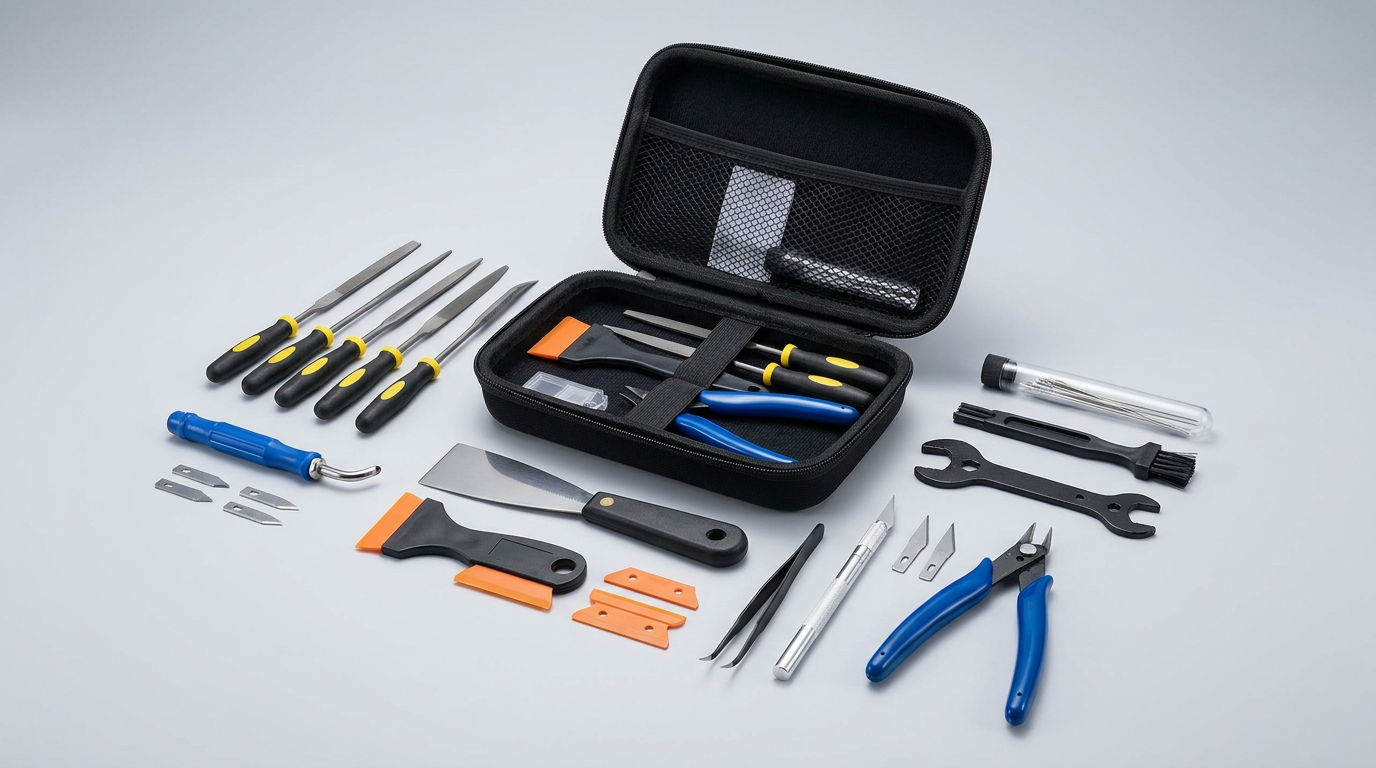
Miskis 46-Piece 3D Printer Tool Kit Review: Bench Essentials
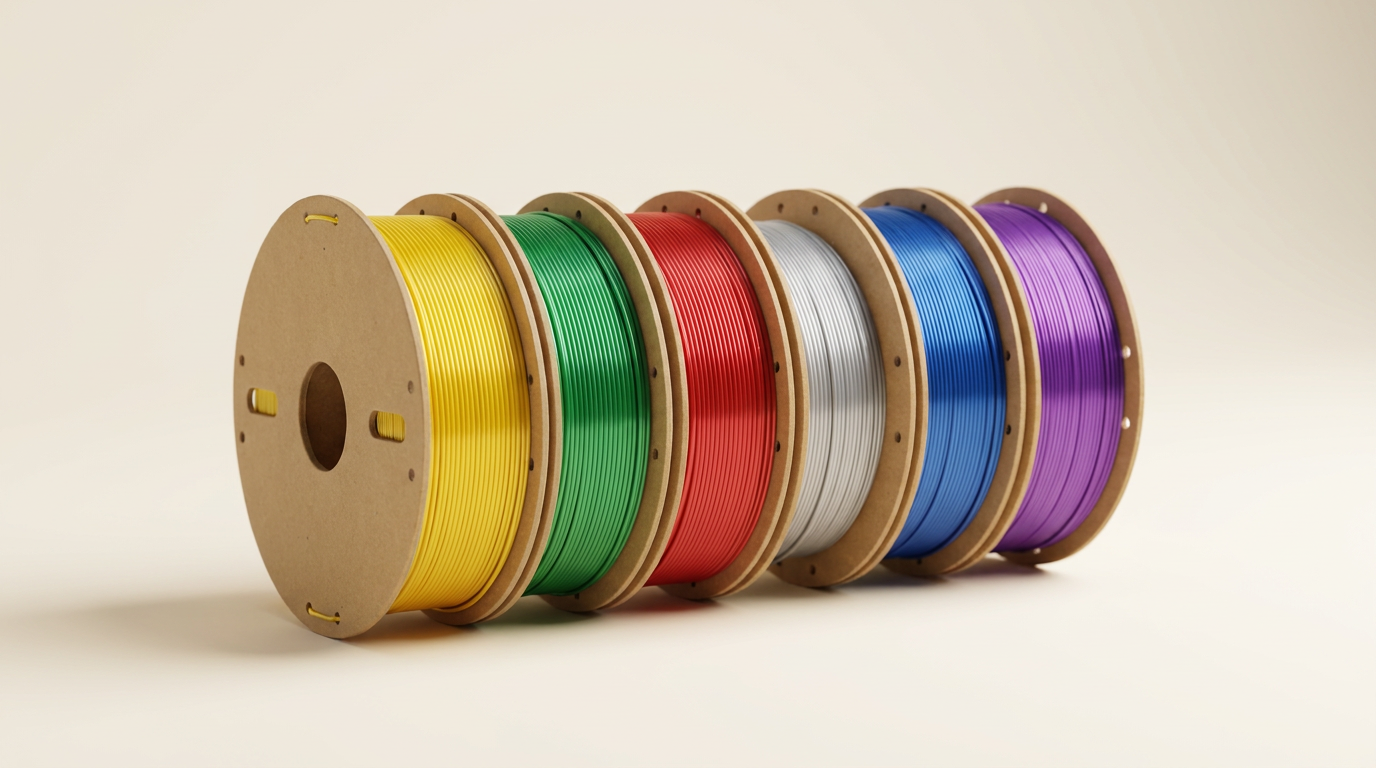
Dynta Silk PLA Bundle Review: 6 Colors, 250g Spools
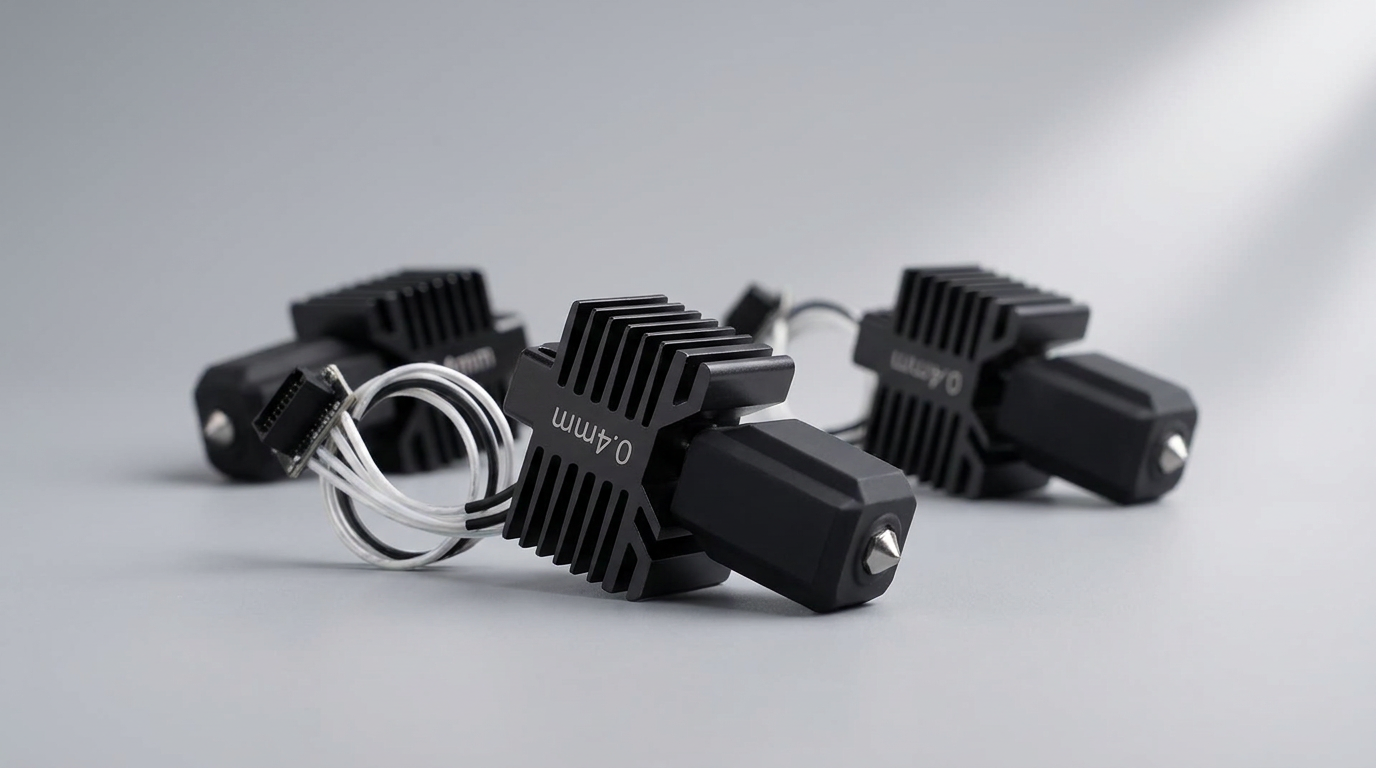
HysiPrui P1S/P1P Integrated Hotend Review: Cheap Spares, Real Trade-Offs
This review is based on real experiences shared by owners in online communities.