
Wefuit P2S/H2D/A1 Hardened Steel Nozzle Review: OEM Challenger
This review is based on real experiences shared by owners in online communities.
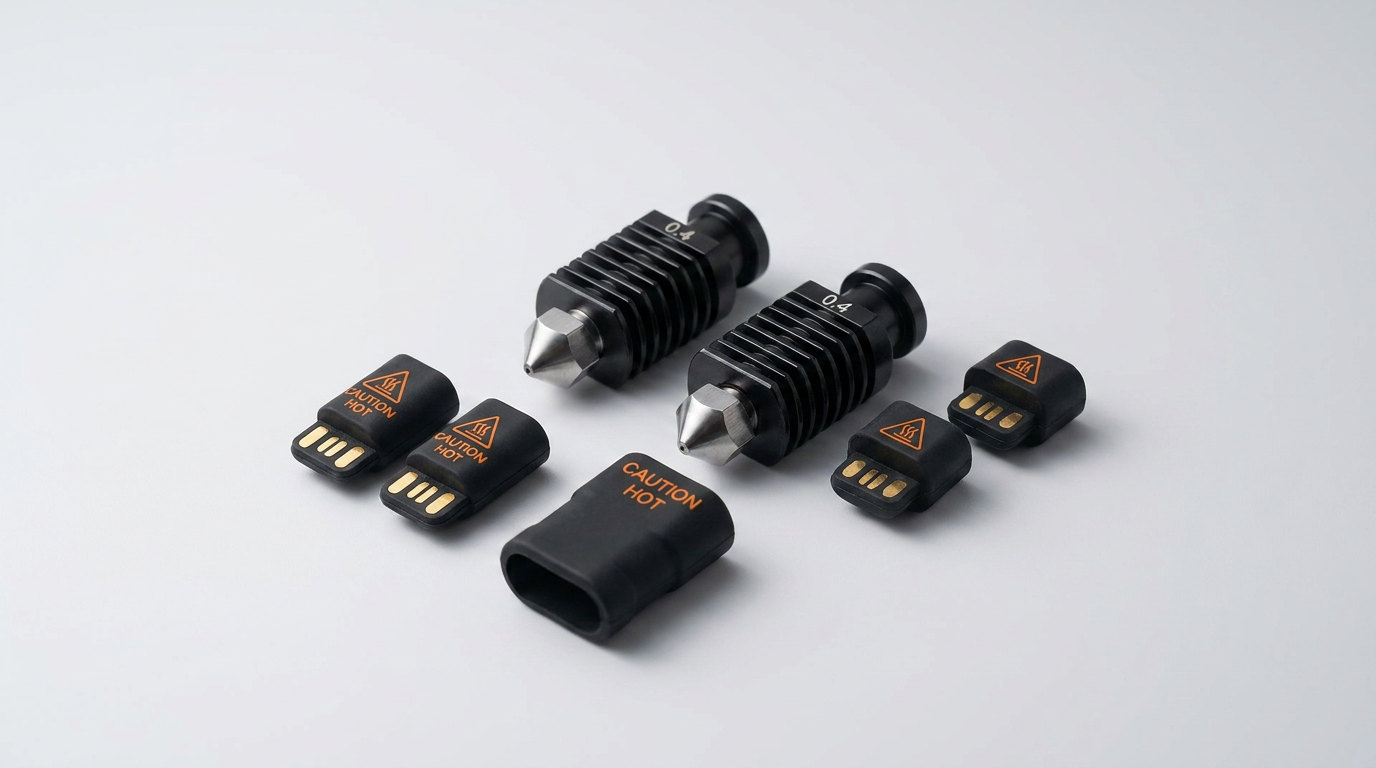
In the specialized world of 3D printing, component compatibility and proprietary ecosystems often dictate user choices. Bambu Lab, with its integrated hardware and software, has cultivated a loyal following, but this often leads to a "walled garden" effect for replacement parts. The Wefuit P2S/H2D/A1 Hardened Steel Nozzles arrive as a direct challenge to this dynamic, presenting themselves as functionally identical alternatives at a more accessible price point. The real question is whether they can replicate the seamless experience and consistent performance expected from first-party components.
Historically, third-party accessories for popular 3D printers have been a mixed bag, often requiring compromises in reliability or installation complexity. However, the Wefuit offering aims to transcend this pattern by closely mirroring the modular design and integrated features of Bambu Lab's original hotends, including the critical identification codes for specific models. This review examines how effectively these nozzles navigate the tight tolerances and closed ecosystem of Bambu Lab machines, offering insight into whether they truly unlock a new tier of value or merely present a false economy.
This product review will focus on the Wefuit nozzles' design fidelity, ease of integration, and printing performance across various Bambu Lab platforms, drawing directly from owner experiences. We will assess if they deliver on the promise of an uncompromised OEM-like experience or if inherent trade-offs surface under sustained use, particularly when stacked against the perceived reliability of manufacturer-branded parts.
What owners love
- + Delivers print quality comparable to OEM nozzles
- + Significantly more affordable than Bambu Lab originals
- + Seamless drop-in installation process
- + Hardened steel construction for durability
- + Includes necessary silicone socks and heat breaks
Common complaints
- − Some compatibility nuances for specific printer models
- − Tools included with the kit are of low quality
- − Potential for incorrect seating leading to print failures
- − Long-term wear and clogging resistance is still being observed
- − Nozzle tip replacement is not practical or supported
Design & Build
The Wefuit nozzles arrive as complete hotend assemblies, featuring a pre-installed heating block, all-metal heat break, nozzle, and silicone cover. Owners consistently describe the build quality as comparable to OEM parts, noting a robust feel. The hardened steel construction is a key selling point, offering enhanced durability and wear resistance over brass nozzles, particularly when printing abrasive filaments. This aligns with the manufacturer's claim of supporting high-temperature engineering materials. The inclusion of the 'exclusive identification code' on specific silicone sleeves for the P2S is a critical design element, addressing a common hurdle with third-party components in Bambu Lab's ecosystem by ensuring proper printer recognition. This attention to system-level integration is a notable feature, distinguishing it from generic alternatives.
Setup & Ease of Use
Installation of the Wefuit hotends is overwhelmingly reported as straightforward and hassle-free, echoing the modular design philosophy of Bambu Lab printers. Users describe a 'drop-in' replacement experience, with pre-assembled units eliminating the need for complex wiring or component assembly. The pre-installed heatsink and silicone sock contribute to this plug-and-play functionality. However, a recurring theme is the necessity of ensuring proper seating. Owners emphasize that the hotend must be fully flush and secured by its magnet, as incorrect installation can lead to print failures. This points to a 'first-layer cliff' effect: the initial setup is simple, but overlooking a critical physical connection can derail subsequent print jobs. Post-installation bed leveling is also recommended, a standard practice after hotend changes.
Performance in Real Use
In terms of actual printing performance, owner feedback is largely positive, with many reporting that the Wefuit nozzles perform 'just like the real thing' or 'as well as the OEM nozzles.' Users have successfully printed detailed parts, from robotics components requiring fine detail with a 0.2mm nozzle to larger structural prototypes with a 0.6mm nozzle. The integrated design and all-metal heat break are cited as contributing to stable extrusion and consistent print quality, even at high speeds. Several long-term users specifically noted improved reliability compared to their OEM nozzles, with reports of 'clog-free' operation. While not scientific benchmarks, these observations suggest the Wefuit nozzles effectively maintain the performance envelope established by Bambu Lab's original components, particularly for standard filaments and demanding applications.
Software & Ecosystem
A critical aspect of any third-party Bambu Lab component is its integration into the printer's proprietary ecosystem. The Wefuit nozzles largely succeed here, primarily due to the specific identification codes on their P2S silicone sleeves. Owners confirm that the P2S printer 'recognizes' these hotends, eliminating the compatibility issues that often plague aftermarket parts. This proprietary handshake ensures that the printer's firmware and software correctly identify and calibrate for the installed hotend, maintaining the seamless user experience Bambu Lab owners expect. This 'digital handshake' is a deliberate design choice that prevents the product from being just a generic part; it's engineered to fit within Bambu Lab's specific digital architecture. While the manufacturer claims broader compatibility with H2S, H2D, and A1 models, the explicit mention of the P2S-specific code highlights a nuanced strategy for ecosystem integration.
Value & Reliability
The Wefuit nozzles present a compelling value proposition. Owners consistently highlight their significantly lower cost compared to Bambu Lab branded hotends, often stating they are 'half the price' or 'very reasonable.' Despite the cost difference, the perceived quality and performance remain high, leading many to view them as a 'great deal' and a 'worthwhile' investment for spare parts or replacements. Reliability, in the short to medium term, appears strong, with numerous reports of continuous, issue-free operation over extended periods, including one user reporting 100 hours of use on a single nozzle. However, the practical inability to replace just the nozzle tip-while the manufacturer advertises replaceable tips, owners found the provided tools insufficient and replacement tips unavailable-means the entire assembly becomes a disposable unit. This establishes a 'whole-unit tax,' where maintenance means replacing the entire hotend rather than just the wear part, potentially impacting long-term cost-effectiveness despite the initial savings.
Verdict
Buy - These Wefuit hotends deliver OEM-level performance and compatibility for Bambu Lab printers at a substantially lower cost.
This product is ideal for Bambu Lab P2S, H2D, and A1 owners seeking reliable, cost-effective replacement or spare hotends without compromising print quality. It suits users who prioritize value and the convenience of a drop-in component over strict adherence to first-party branding. Those who frequently swap nozzles for different projects or materials will appreciate the affordability, making varied nozzle sizes more accessible.
Conversely, users who insist on official Bambu Lab components for warranty or perceived long-term support reasons may prefer to stick with OEM parts, though owner feedback suggests this concern is largely unfounded for performance. Individuals expecting to replace only the nozzle tip should be aware that the current offering effectively functions as a single, disposable assembly. If your printer has had issues recognizing third-party parts in the past, a P2S model with its identification code might be a safer bet than an A1 or H2D model which relies on broader compatibility claims.
Ultimately, the Wefuit nozzles define the 'OEM alternative sweet spot' for Bambu Lab, demonstrating that critical functional equivalence is achievable outside of the brand's direct supply chain. They effectively commoditize a proprietary component, shifting the value proposition from brand loyalty to pure performance per dollar. The lingering question is how much this third-party encroachment will influence Bambu Lab's own pricing or design strategy going forward.
FAQ
More 3D Printer Parts & Accessories reviews
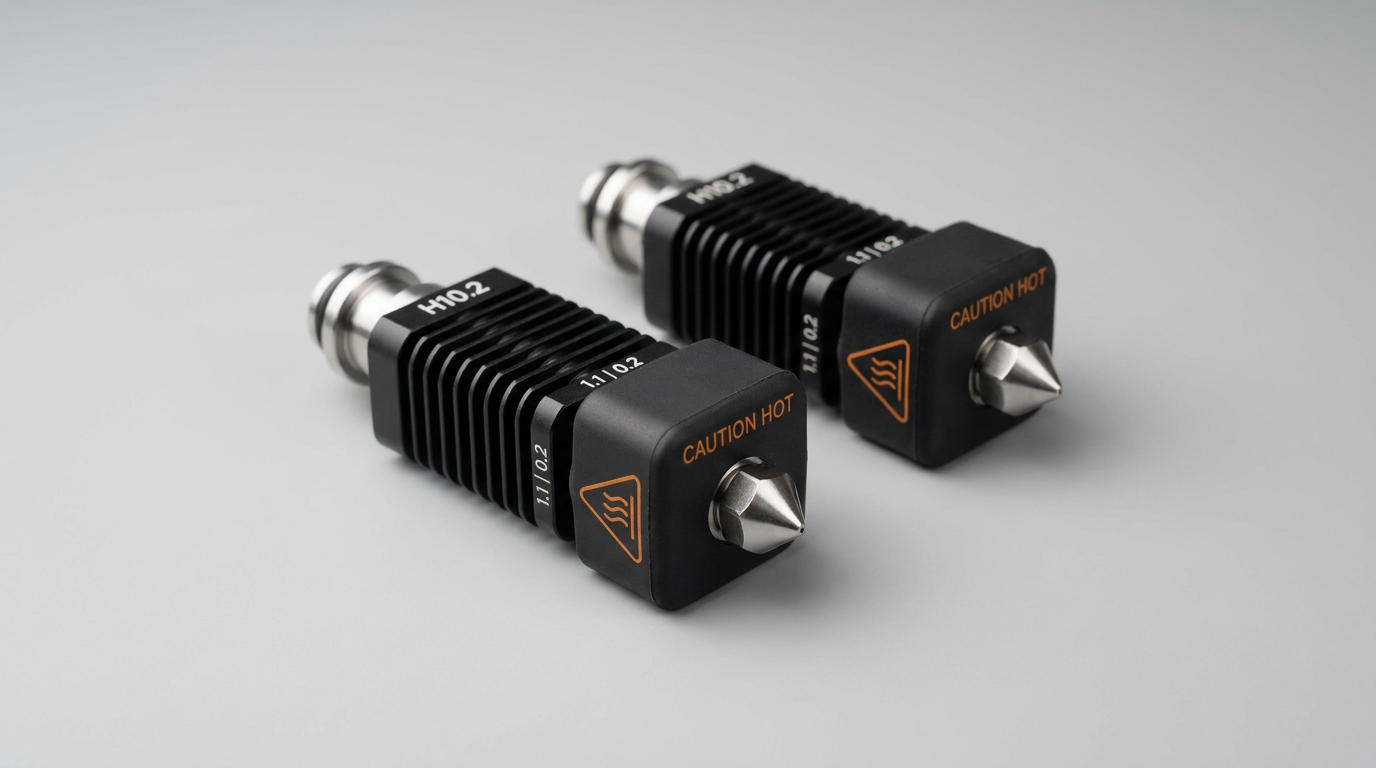
Wefuit 0.2mm Hardened Steel Hotend Review: Budget Precision
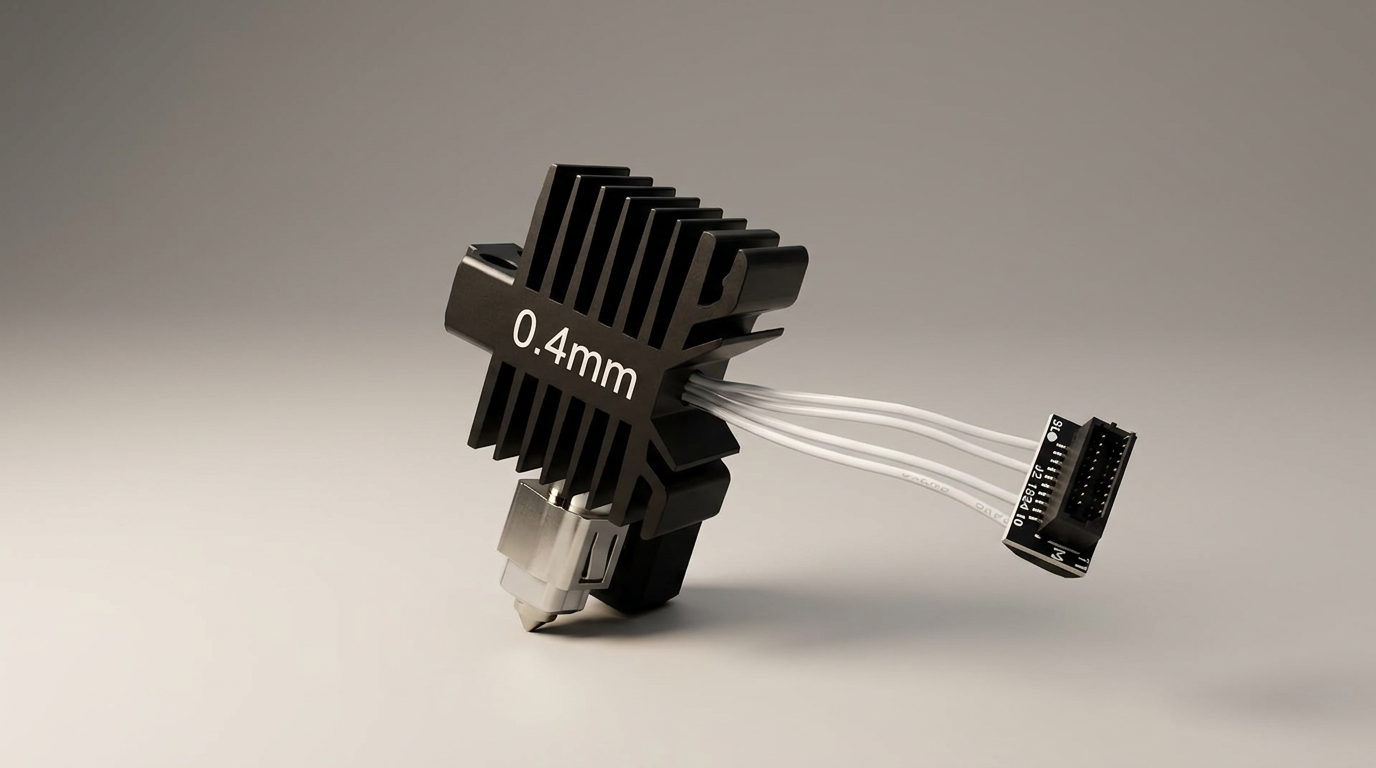
HzdaDeve P1S/P1P Hotend Assembly Review: Cheap Downtime Insurance

3DZWMAN RGB LED Lamp Kit 001 Review: Better Than OEM
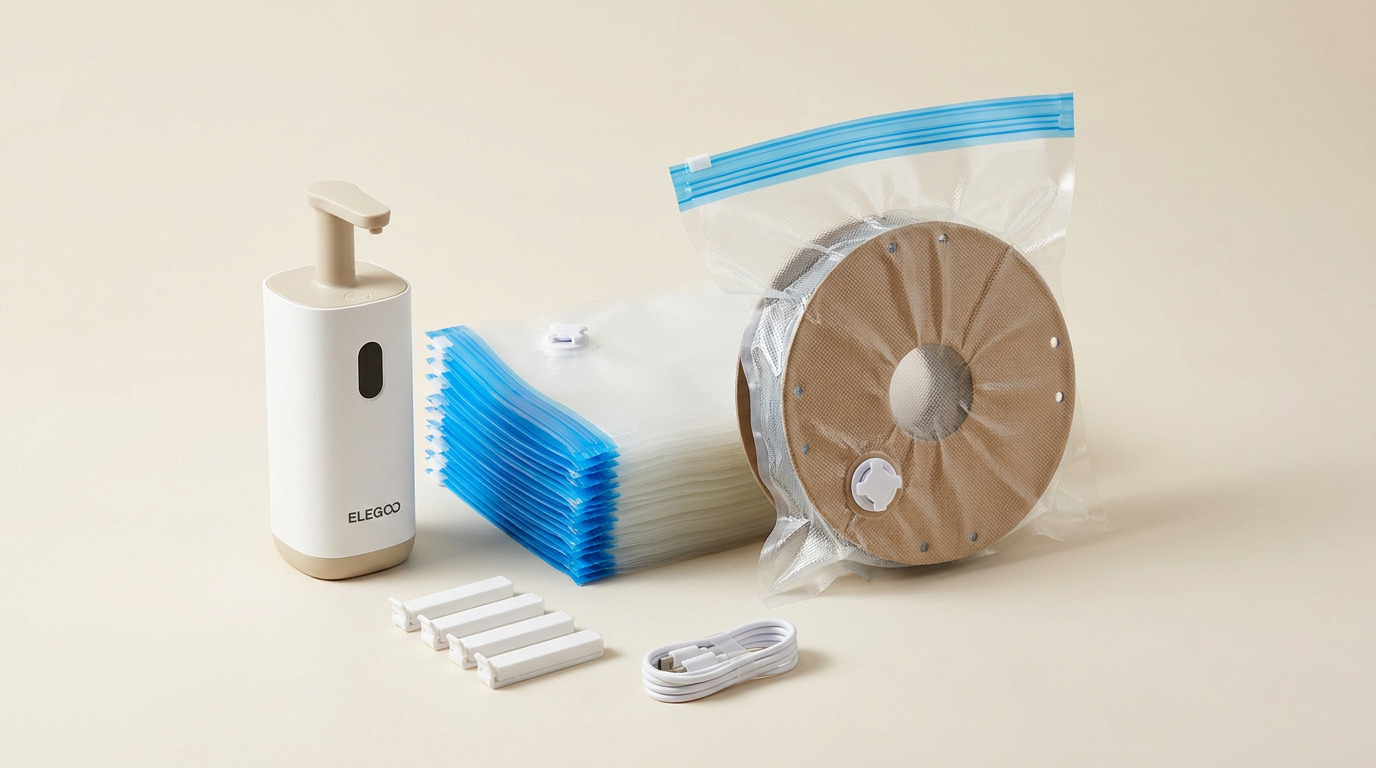
ELEGOO Filament Storage Bags Review: The Unsung Hero of 3D Printing
BambooSegD RGB LED Lamp Kit: The 3D Printer Accessory Standard
Creality TPU 95A: A Flexible Filament for Patient Printers
This review is based on real experiences shared by owners in online communities.