
Wefuit 0.77mm Textured PEI Plate Review: Outperforms OEM
This review is based on real experiences shared by owners in online communities.
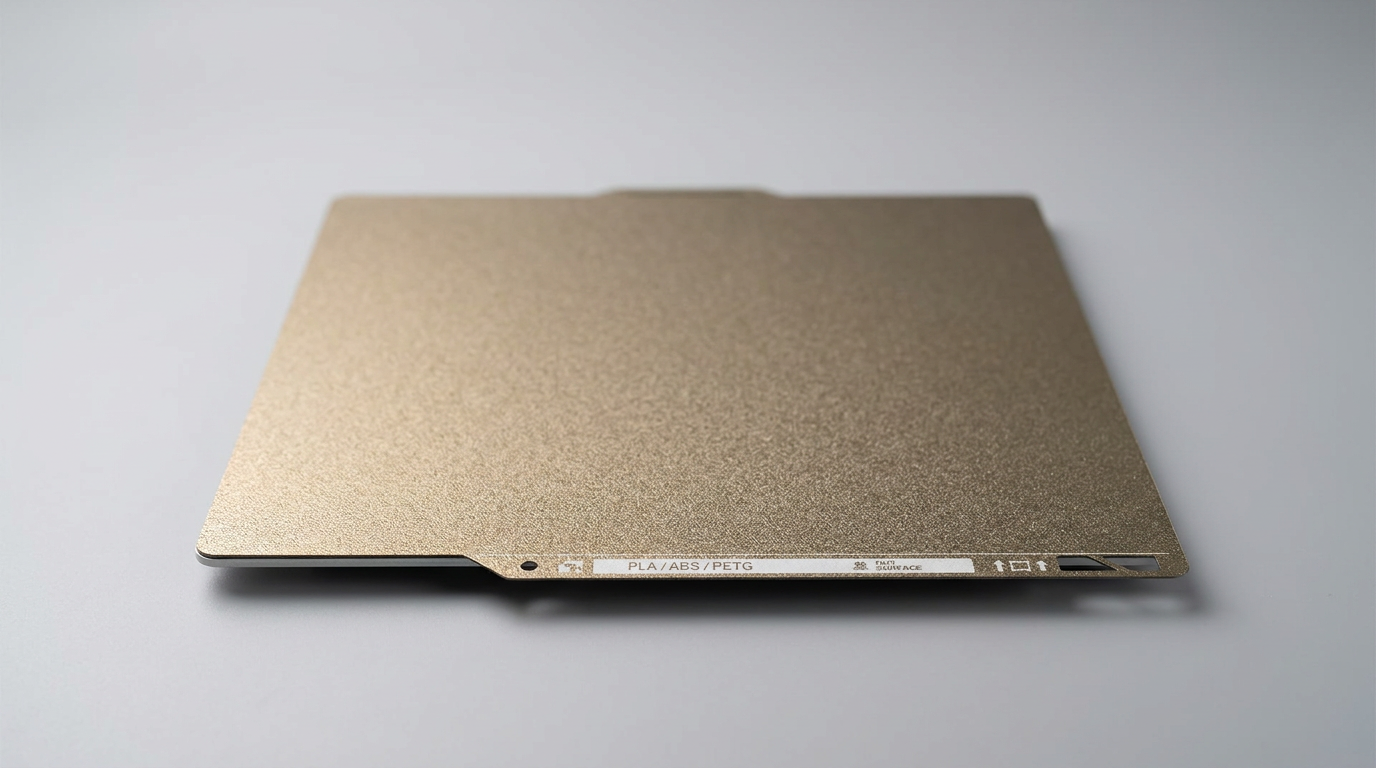
The aftermarket 3D printing accessories market frequently promises OEM-level performance at a fraction of the cost, but rarely delivers with genuine conviction. However, the Wefuit 0.77mm Textured PEI Build Plate for Bambu Lab printers stands as a compelling exception, challenging the notion that proprietary parts inherently offer superior quality.
This build plate is not merely a suitable replacement; owners consistently report it equals or even surpasses the stock Bambu Lab plates in critical performance areas. Its slightly increased thickness, robust adhesion characteristics, and the inclusion of QR code recognition collectively present a significant value proposition.
For Bambu Lab users accustomed to the OEM textured PEI experience, this Wefuit offering represents what can be termed a 'performance uplift' product. It delivers the expected textured finish and print release while often improving the foundational element of bed adhesion for a wide range of filaments.
What owners love
- + Superior bed adhesion compared to stock plates
- + Effective print release once cooled
- + Thicker design enhances thermal stability and stiffness
- + Includes QR code for printer recognition
- + Durable surface withstands extensive use
- + Significantly more affordable than OEM options
Common complaints
- − Requires cooling for easy print removal
- − Specific cleaning instructions (no acetone)
- − Limited long-term data for extreme edge cases
- − Proprietary printer recognition system means QR code is critical
Design & Build
The Wefuit 0.77mm Textured PEI Build Plate features a double-sided textured PEI surface applied to a flexible spring steel sheet. Several owners note its slightly increased thickness compared to some alternatives, which contributes to greater rigidity and improved thermal mass. This added mass can help distribute heat more evenly across the print surface, minimizing localized temperature fluctuations. The powder-coated textured finish is consistent, and users report it rivals the texture quality of OEM Bambu Lab plates. The incorporation of a functional QR code on the plate ensures seamless integration with Bambu Lab printers that utilize plate detection, eliminating manual intervention.
Setup & Ease of Use
Installation is straightforward: the plate drops into place on compatible Bambu Lab printers (X1 series, P1 series, A1 series) like any other build plate. The key advantage, frequently highlighted by owners, is the functional QR code. This allows the printer to automatically identify the plate type, preventing erroneous settings or requiring manual confirmation before each print. This 'detection parity' is crucial for maintaining the streamlined workflow that Bambu Lab users expect. Cleaning involves detergent and water, as instructed; users are warned against using acetone, which can damage the PEI surface-a standard caution for PEI plates.
Performance in Real Use
The primary performance characteristic consistently lauded by owners is adhesion. Many users state that this Wefuit plate offers adhesion equal to or better than their original Bambu Lab PEI plates, even for notoriously challenging filaments like ABS and ASA. Owners report successful first layers across a wide range of materials, including PLA, PETG, TPU, Nylon, and PC. The 'thermal release window' is evident: prints adhere strongly during the print process but release easily once the bed cools to room temperature. This strong adhesion during printing, followed by simple removal, is the hallmark of a high-performing PEI surface, and this plate delivers it reliably. Some owners even claim better fine detail rendering compared to their stock plates, suggesting a well-calibrated texture.
Software & Ecosystem
As an aftermarket accessory, this build plate integrates surprisingly well within the Bambu Lab ecosystem. The presence of a readable QR code is a critical feature, allowing the printer's software to correctly identify the plate and its characteristics. This means users do not need to manually select plate types or override warnings, preserving the automated experience. This 'integrated convenience' significantly reduces friction, making it feel less like an aftermarket part and more like an OEM component. The consistent texture and adhesion also minimize the need for software-based adhesion compensation or rafts, leading to simpler print profiles.
Value & Reliability
The Wefuit 0.77mm plate presents exceptional value. Priced significantly lower than official Bambu Lab plates, it delivers comparable or superior performance. Owners who print extensively and frequently swap plates find this a cost-effective solution for replenishing their consumables. The general consensus points to robust build quality, with plates holding up well under continuous use over several hundred hours. The thick spring steel resists deformation, and the PEI coating shows good durability. This blend of performance and cost-effectiveness establishes it as a 'category disruptor' for essential 3D printer consumables, offering a clear advantage for high-volume users or those seeking to optimize operational costs without compromising print quality.
Verdict
Strong Buy - This Wefuit PEI plate consistently outperforms OEM options at a fraction of the price.
This build plate is an ideal purchase for any Bambu Lab owner seeking to replace a worn-out stock plate, expand their collection, or improve print adhesion. It offers a tangible upgrade for users printing a variety of filaments, particularly those who struggle with adhesion on their current surfaces. Given its performance and price point in the under $20 range, it's a clear recommendation for almost all Bambu Lab users.
Those who are rigidly committed to official brand components or who never encounter adhesion issues with their existing plates might not perceive the immediate benefit. However, the 'cost-per-print efficiency' it enables makes it a wise investment for nearly all others. This plate demonstrates that the performance ceiling for essential 3D printer consumables is often defined by clever engineering and material science, not necessarily by brand exclusivity or higher price tags, effectively resetting expectations for aftermarket parts.
FAQ
More 3D Printer Parts & Accessories reviews
ELEGOO Filament Storage Bags Review: The Unsung Hero of 3D Printing
BambooSegD RGB LED Lamp Kit: The 3D Printer Accessory Standard
Creality TPU 95A: A Flexible Filament for Patient Printers
UniTak3D Quick-Swap Hotend 0.4mm Review: A Solid Bambu A1 Alternative
3DZWMAN LED Lamp Kit Review: The Smart Alternative for 3D Print Lighting
XZN Silk PLA Filament Review: Visual Impact and Printing Consistency
This review is based on real experiences shared by owners in online communities.