
WayPonDEV FHL-LD19 Lidar Review: The ROS2 SLAM Bottleneck
This review is based on real experiences shared by owners in online communities.
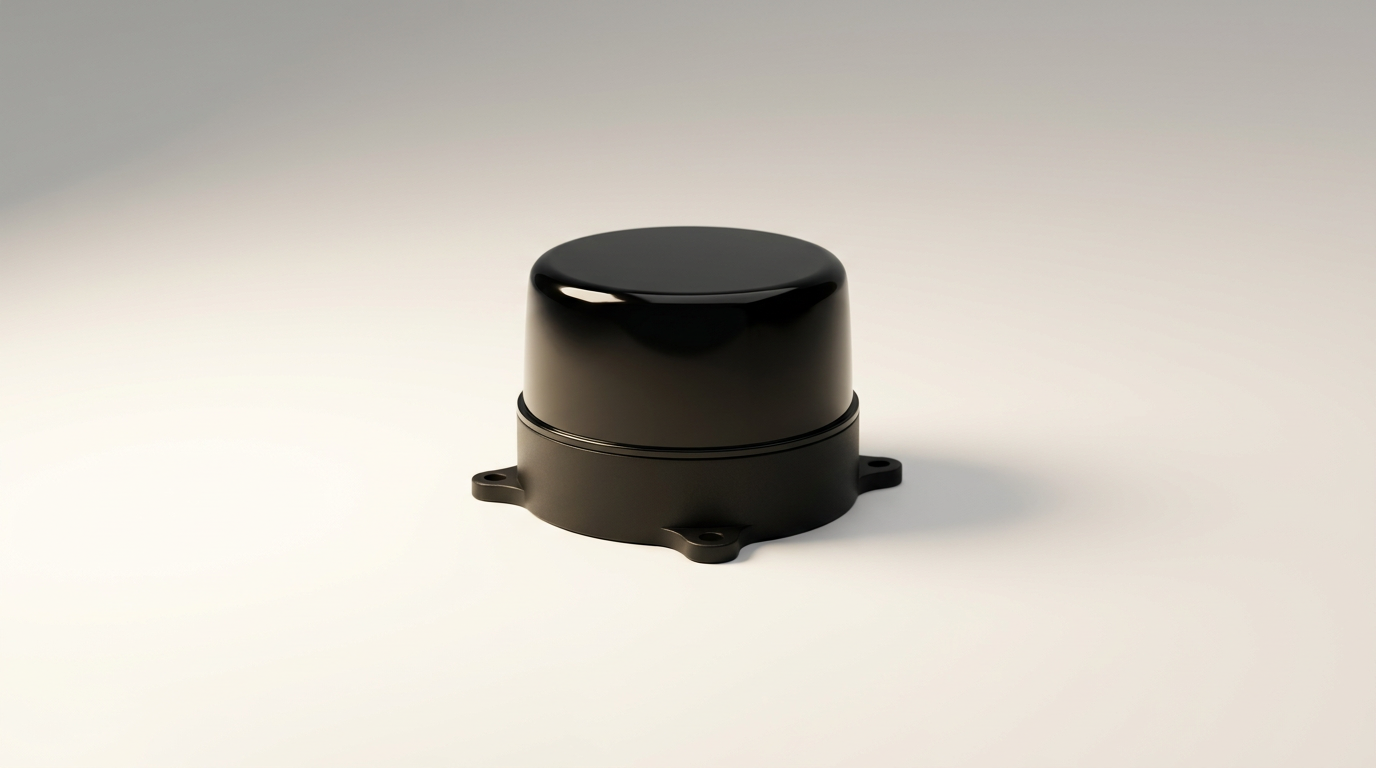
The proliferation of affordable lidar units has democratized robotics development, enabling a broader range of makers to integrate environmental sensing into their projects. The WayPonDEV FHL-LD19 aims to serve this segment, positioning itself as a compact, inexpensive 2D lidar solution for obstacle avoidance, navigation, and mapping. However, products in this category frequently present a core tension: the balance between raw hardware capability and robust software integration. Where a sensor truly stands within its ecosystem defines its utility more than its datasheet metrics alone.
For the FHL-LD19, the marketing emphasizes its 360-degree scanning, 12m range, and plug-and-play compatibility, including ROS integration. But the reality, as revealed by early adopters, suggests a 'first-layer cliff' where advertised features meet practical implementation hurdles. The device's physical attributes are appealing, yet its performance within a critical framework like ROS2 SLAM Toolbox exposes a significant gap that prospective buyers must consider.
This review delves into whether the FHL-LD19 delivers on its potential for cost-effective robotics development, or if its attractive price point masks underlying integration challenges that limit its true application for serious projects.
What owners love
- + Compact and lightweight design
- + Affordable entry point for lidar technology
- + Decent scan rate and distance for its class
- + Plug-and-play with USB connection (when cables work)
- + Suitable for basic obstacle avoidance and mapping
Common complaints
- − Significant compatibility issues with ROS2 SLAM Toolbox
- − Manufacturer unresponsiveness to driver fix requests
- − Included USB cable may be defective
- − Software location can be difficult to find
- − Lacks reliable out-of-the-box support for advanced robotics applications
Design & Build
The FHL-LD19 distinguishes itself through its compact footprint and minimal mass, a design choice consistently praised by owners. This small size makes it an attractive component for integration into smaller robotic platforms where space and weight constraints are critical. The physical unit appears well-constructed, offering a robust feel despite its diminutive stature. This focus on physical miniaturization is a key aspect of its appeal, suggesting it was designed with mobile robotics and embedded systems in mind. The design prioritizes ease of physical integration over heavy-duty industrial specifications, aligning with its target market of hobbyists and educators.
Setup & Ease of Use
Initial setup for the FHL-LD19 generally follows a plug-and-play paradigm, especially for basic functionalities. The device connects via a micro USB cable, and with the correct software, it can begin scanning without extensive coding. However, this ease is predicated on all components functioning as expected. A recurring issue involves the included USB cable, with at least one owner reporting it as defective. Replacing this with a known good data cable resolves the connectivity problem, allowing the lidar to function. Finding the requisite software or SDK can also present a hurdle for new users, often requiring diligent searching beyond the primary product page. This 'discovery tax' suggests that while the hardware is simple, the initial software onboarding is not as streamlined as the 'plug and play' promise implies.
Performance in Real Use
The FHL-LD19 offers a 360-degree 2D scan with a reported 12-meter range and a typical 10Hz scan rate. For basic distance sensing and environmental outline generation, owners indicate it performs as advertised. Its distance capabilities are considered decent within its price category. However, its performance dramatically falters when integrated into more complex, widely adopted frameworks like ROS2 SLAM Toolbox. Multiple users report that the LD19 driver calculates scan data in a non-conformal way, causing the SLAM Toolbox to discard a significant percentage, potentially 70%, of scans. This renders the lidar largely unusable for robust simultaneous localization and mapping, which is a core application for such sensors in robotics. The device exhibits a 'contextual performance dip,' where its raw sensing capabilities are adequate, but its practical output for specific, high-demand tasks is severely limited by software incompatibility.
Software & Ecosystem
The software ecosystem surrounding the FHL-LD19 is a critical differentiator, and in this area, the product presents significant challenges. While a serial port and USB interface are built-in, and an open-source SDK is available, the product's integration with ROS2, particularly for SLAM applications, is problematic. Owners consistently highlight a fundamental incompatibility between the LD19 driver's scan data format and the expectations of the ROS2 SLAM Toolbox. Efforts to address this with the manufacturer have reportedly gone unanswered, leaving users to consider modifying firmware or abandoning the device for SLAM projects. This lack of proactive support or a corrected driver creates a 'software dependency trap,' where the promise of a capable hardware unit is undermined by an unmaintained or incompatible software layer, forcing users into unexpected development work or functional limitations.
Value & Reliability
Priced well under $100, the FHL-LD19 represents an extremely affordable entry into 2D lidar technology. Its physical reliability appears sound, with the main hardware issues limited to an occasional defective bundled cable, easily resolved. The core issue impacting its value is its limited utility for advanced applications due to the ROS2 SLAM incompatibility. For users requiring simple distance measurements or basic obstacle detection in non-ROS environments, its cost-effectiveness is high. However, for those aiming to integrate it into more sophisticated ROS2-based robotics projects that rely on accurate SLAM, the unit's value diminishes significantly, as it necessitates considerable troubleshooting, custom driver development, or simply replacement. The 'value proposition decay' occurs not from hardware failure, but from a critical software ecosystem mismatch that is unaddressed by the manufacturer, impacting long-term project viability.
Verdict
Hold Off - The FHL-LD19 offers a compelling physical package at an attractive price, but its ROS2 SLAM integration issues are a critical drawback.
This lidar is a 'consider' for hobbyists and educators undertaking basic projects focused on simple obstacle avoidance or general environmental scanning, especially if they are not reliant on the ROS2 SLAM Toolbox. If you are building a custom robotics platform and are prepared to develop or troubleshoot your own drivers, or if your application involves entirely custom software, the low cost makes it a viable experimentation tool. However, anyone planning to leverage standard ROS2 SLAM capabilities out of the box will encounter significant frustration.
Skip this lidar if your project relies heavily on the ROS2 SLAM Toolbox for robot navigation or mapping. The reported driver incompatibilities and lack of manufacturer support mean it will not function reliably without substantial custom work. This product epitomizes the 'feature-creep illusion' common in budget tech: it lists advanced capabilities, but its practical implementation is gated by a lack of crucial software polish and ongoing support. What appears to be an enabling technology becomes a debugging challenge, ultimately costing time and effort that outweighs the initial hardware savings.
FAQ
More 3D Scanners reviews
Revopoint INSPIRE 2 3D Scanner Review: Unpacking the Accessory Echo Chamber
Creality 6mm 3D Scanning Markers Review: Essential Tracking Aid
TOSUKKI 6mm Positioning Targets Review: The Refined Generic Choice
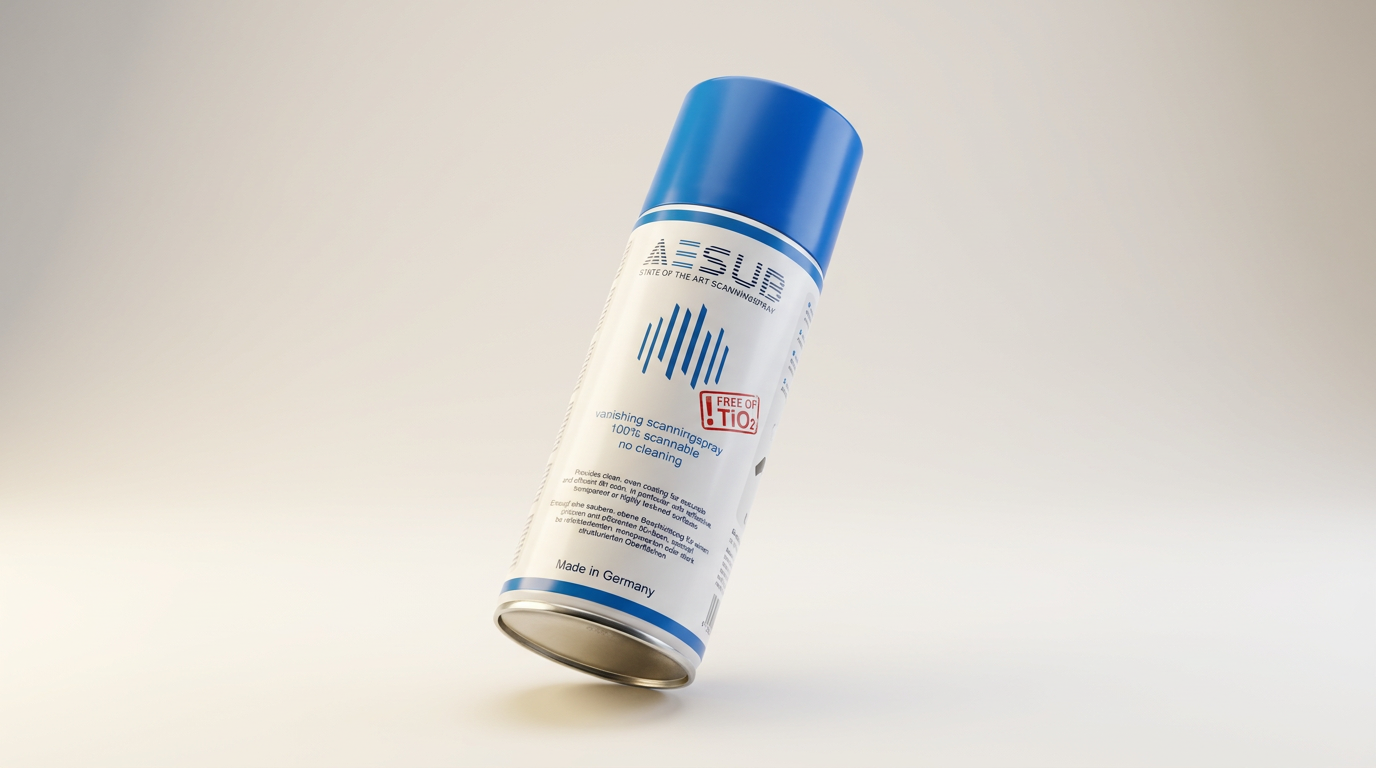
AESUB 3DTOOLS 3D Scanner Spray Review: The 'Evaporative Enabler'
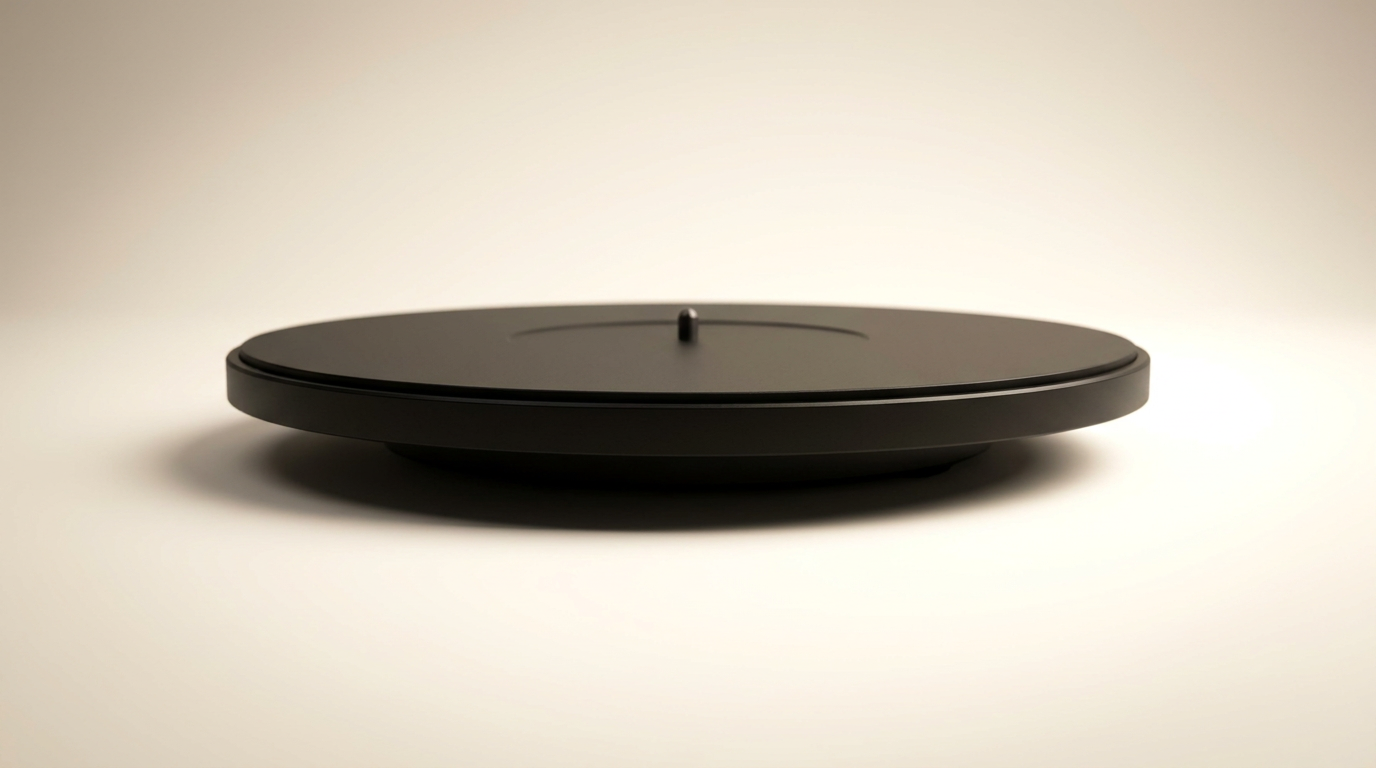
Creality 8-inch Rotating Turntable: A Solid Scanner Accessory

Generic 12 Piece Multi-Angle Markers Review: Essential 3D Scanning Dots
This review is based on real experiences shared by owners in online communities.