
UniTak3D PEI Build Plate Review: The Workhorse Bambu Lab Upgrade
This review is based on real experiences shared by owners in online communities.
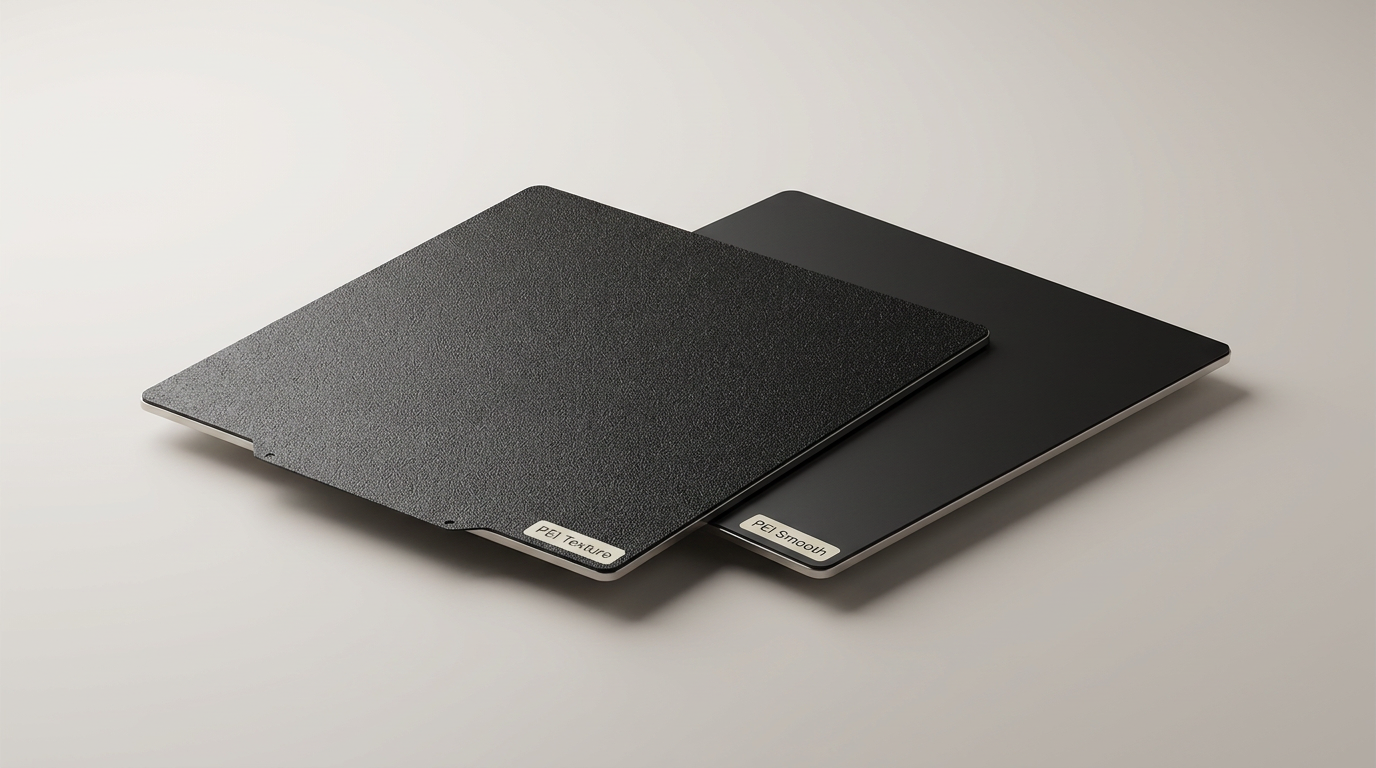
The recent explosion of high-speed 3D printers, particularly from Bambu Lab, has fundamentally shifted user expectations. Gone are the days of constant bed adhesion struggles and lengthy cool-down periods. Now, the demand is for swift plate swaps and consistent first layers, enabling minimal downtime. The UniTak3D PEI Build Plate positions itself to meet this new workflow expectation, offering an aftermarket solution designed specifically for Bambu Lab printers.
While Bambu Lab provides capable build plates, the sheer volume of printing that these machines facilitate often necessitates additional plates. This creates a market for third-party alternatives that can match performance without carrying an OEM price premium. This UniTak3D plate aims to be that functional expansion, promising reliable adhesion and versatile surfaces across various filament types.
Our evaluation unpacks whether this plate truly delivers on its promise of being a dependable production asset, or if its cost savings introduce compromises in the crucial areas of print quality and longevity. We assess its practical performance against the high benchmark set by modern 3D printing workflows.
What owners love
- + Superior adhesion on both textured and smooth sides
- + Excellent value compared to original equipment manufacturer plates
- + Double-sided design offers versatility for different finishes
- + Prints release easily once the plate cools
- + Compatible with a wide range of filament types (PLA, PETG, ABS, Nylon)
- + Significant improvement over some stock non-Bambu plates
Common complaints
- − Smooth side can delaminate with PETG if not handled carefully
- − Slightly thinner or more flexible than some OEM plates
- − Lacks Bambu Lab's automatic plate identification feature
- − Protective film on smooth side is easily overlooked, causing issues
- − Advertising may mislead some buyers into expecting two plates
Design & Build
The UniTak3D PEI Build Plate presents a standard spring steel core, coated on one side with a smooth PEI surface and on the other with a textured PEI finish. The stated high-temperature resistance, 300°C for textured and 200°C for smooth, aligns with typical PEI capabilities. While some owners find the plate feels marginally thinner or more flexible than OEM alternatives, this does not consistently translate to performance defects. The magnetic adhesion to the heated bed is reported as robust, preventing slippage during rapid print movements. A recurring observation, however, is a lack of prominent signage to remove the protective film from the smooth side, a detail that has led some users to mistakenly print on it, resulting in bubbling and surface damage. This highlights a subtle but impactful deficit in user-centric design, which we term the “first-use friction point.”
Setup & Ease of Use
Installation is straightforward for Bambu Lab users, involving a simple swap-in. The plate dimensions are accurate, ensuring a precise fit on compatible printer beds. A critical setup nuance, noted by owners, is the need to re-level the bed or confirm plate settings in the printer's interface when switching sides, a process made slightly less automated due to the plate's lack of Bambu Lab's proprietary identification coding. While this is a minor interruption, requiring a manual confirmation, it represents a slight departure from the fully integrated ecosystem of official Bambu Lab accessories. The primary user-related hurdle, as previously mentioned, is the protective film on the smooth side; its non-obvious presence creates an unnecessary 'unboxing trap' for first-time users.
Performance in Real Use
Performance is where this UniTak3D plate earns its positive reception. Owners consistently report excellent adhesion across a broad spectrum of filaments, including PLA, PETG, ABS, ASA, Nylon, and PC. The textured side is a favorite for its ability to secure challenging materials like PETG without glue, and its professional matte finish. The smooth side delivers consistently smooth first layers and good adhesion, though several users affirm the manufacturer's recommendation to use glue for PETG on this surface to prevent damage often observed as lifting or tearing. Prints reliably release once the plate cools, a crucial factor for efficient workflow, though some very sticky materials like PETG may require a moment longer to cool fully before detachment. This consistent performance across diverse materials, despite the smooth-side PETG caveat, establishes the plate as a versatile workhorse, a characteristic we refer to as exhibiting “material agnosticism” for general-purpose printing.
Software & Ecosystem
As an aftermarket component, the UniTak3D PEI Build Plate operates outside Bambu Lab's integrated software ecosystem. This means it lacks the RFID chip found on official Bambu Lab plates, which automatically informs the printer of the installed plate type. Consequently, users installing this plate in a Bambu Lab X1C or similar model will experience a brief pause during the print startup. The printer will prompt the user to manually verify the plate through the interface before proceeding. While not a functional hindrance to printing, it adds a small, repetitive step that breaks the otherwise automated workflow. This minor inconvenience is the principal 'interoperability friction' point for Bambu Lab owners adopting third-party accessories.
Value & Reliability
The UniTak3D PEI Build Plate offers clear value. Priced significantly below OEM alternatives, it provides comparable, and in some cases, superior adhesion and finish quality. Many users attest that it has become their preferred build plate over their stock option. The dual-sided design effectively provides two print surfaces in one, enhancing its utility. Reliability reports are largely positive, with repeated successful prints across many hours of use. However, the cautionary tale of smooth-side delamination when printing PETG without proper preparation represents a notable point of fragility. Assuming users follow recommended practices, which include using glue for PETG on the smooth side and remembering to remove the protective film, the plate demonstrates strong long-term performance for its price point. This positions it as a 'cost-effective consumable' rather than a high-durability, set-it-and-forget-it component.
Verdict
Buy - This plate provides exceptional performance and versatility at a highly competitive price.
This build plate is an excellent purchase for Bambu Lab owners or those with compatible 257x257mm printers looking to expand their build plate rotation without spending up for OEM parts. It particularly suits users who value strong adhesion across various filaments and appreciate the option of both smooth and textured finishes. If you frequently print with PETG and want to utilize the smooth side, be prepared to use glue stick as recommended to preserve the plate's longevity. Those who demand a fully automated workflow without any manual intervention during print startup might find the lack of an RFID chip a minor annoyance, but this is a small trade-off for the value.
The UniTak3D PEI Build Plate signifies a shift in the 3D printing accessory market. It is not just about replicating OEM functionality at a lower cost, but about delivering the “productive redundancy” that today's high-throughput printers demand. The true value of this plate lies not in its individual features, but in its ability to enable continuous, high-volume printing by minimizing wait times, transforming a single-plate setup into a true production line for demanding users.
FAQ
More 3D Printer Parts & Accessories reviews
ELEGOO Filament Storage Bags Review: The Unsung Hero of 3D Printing
BambooSegD RGB LED Lamp Kit: The 3D Printer Accessory Standard
Creality TPU 95A: A Flexible Filament for Patient Printers
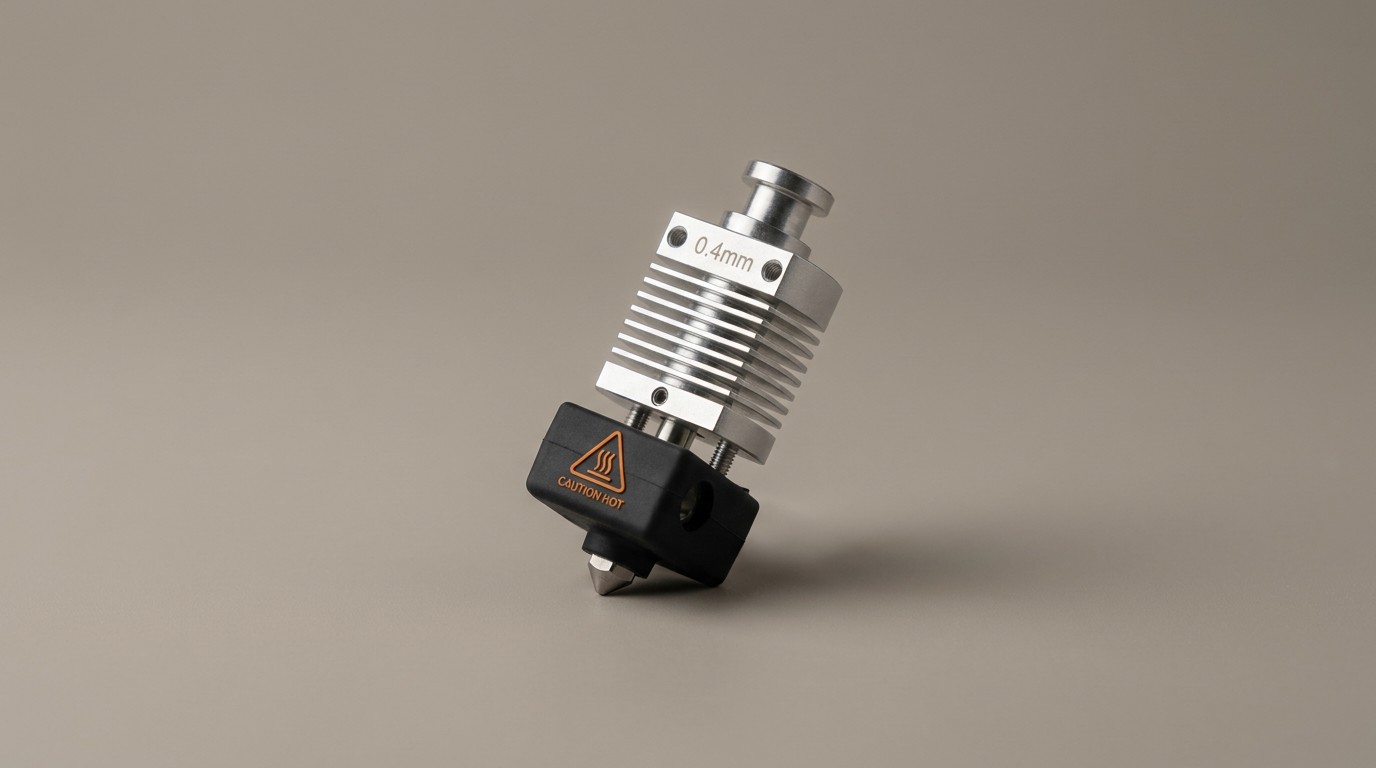
UniTak3D Quick-Swap Hotend 0.4mm Review: A Solid Bambu A1 Alternative
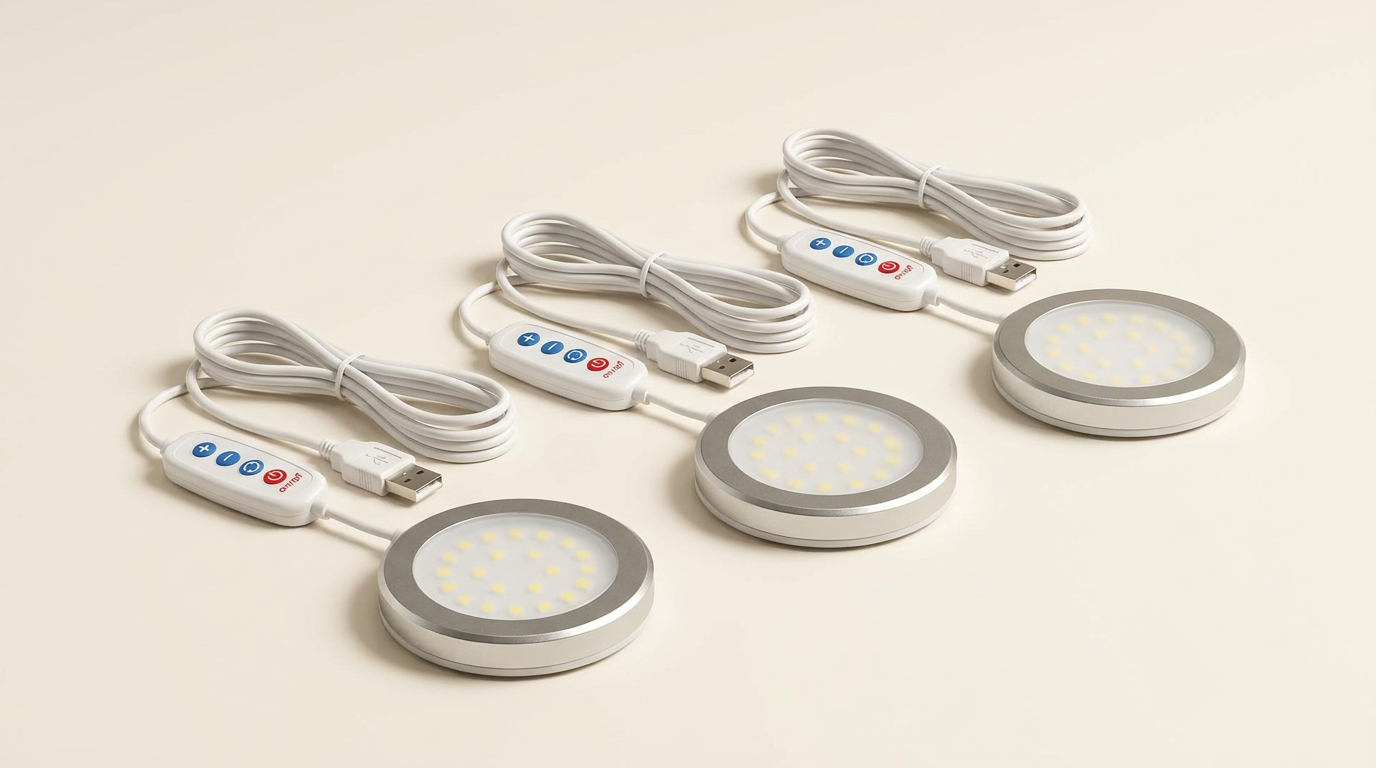
3DZWMAN LED Lamp Kit Review: The Smart Alternative for 3D Print Lighting
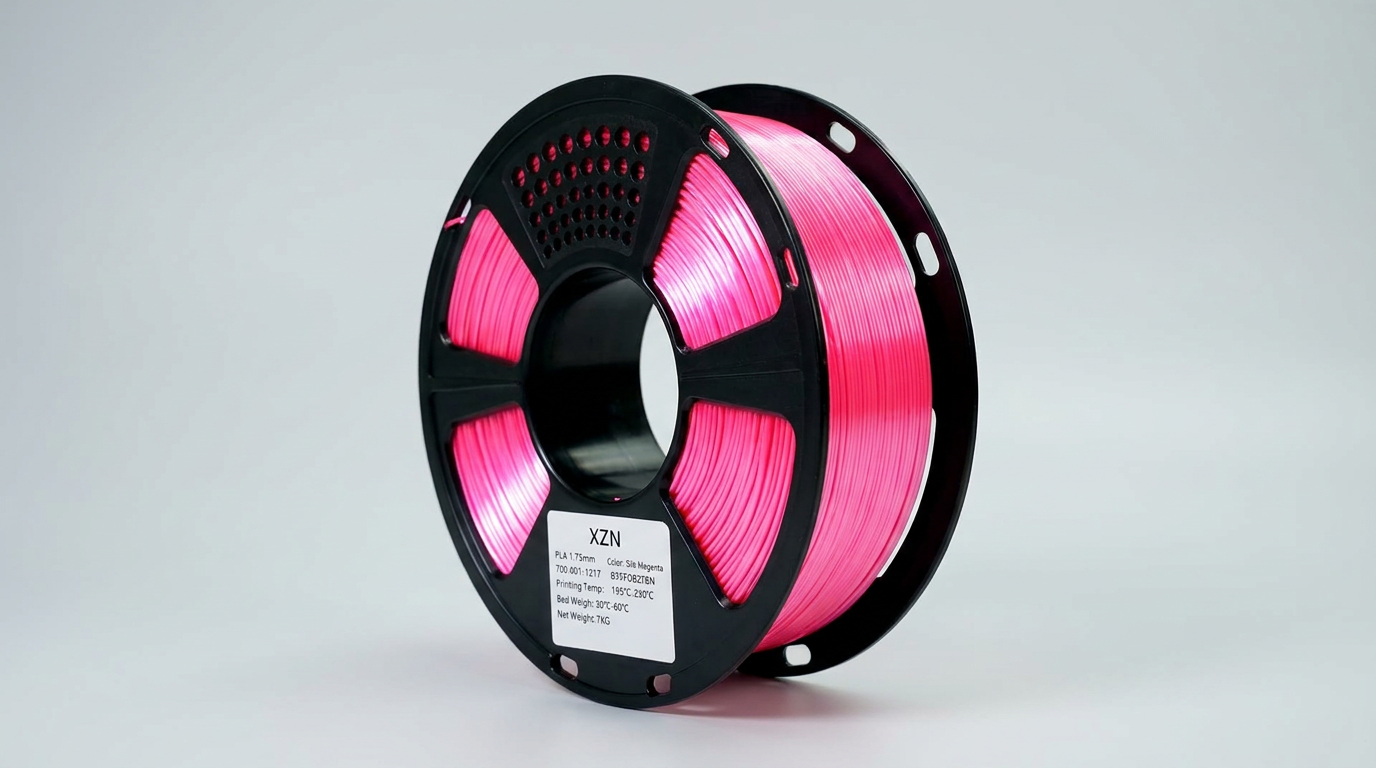
XZN Silk PLA Filament Review: Visual Impact and Printing Consistency
This review is based on real experiences shared by owners in online communities.