
UniTak3D 3D Printer Adhesive Glue Review: The First-Layer Insurance
This review is based on real experiences shared by owners in online communities.
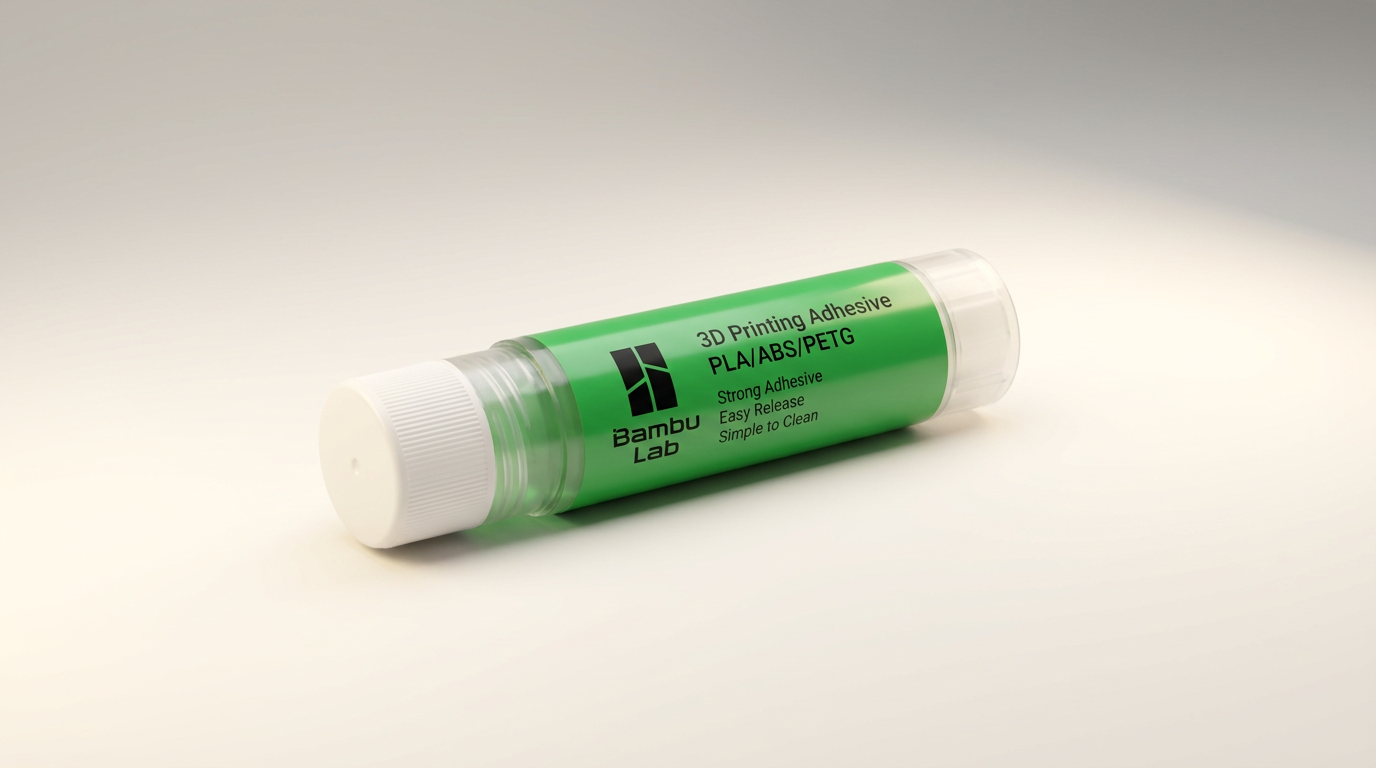
For many 3D printer owners, the initial layers of a print represent a recurring anxiety. Failures at this critical stage, whether from warping, shifting, or complete detachment, consume time and material. While advanced print surfaces promise adhesion without auxiliary agents, the reality often diverges from the ideal, particularly with challenging filaments or larger models.
UniTak3D's liquid adhesive emerges as a practical intervention in this common struggle. Positioned as a direct alternative to messier glue sticks, it aims to deliver consistent first-layer adhesion while simplifying post-print cleanup. The fundamental question this product addresses is not whether an adhesive is *always* necessary, but rather, when the stakes are high, what offers the most reliable safety net without introducing new frustrations.
Our assessment, drawing on extensive user feedback, dissects whether this liquid formula achieves that balance, or if it merely adds another step to an already intricate workflow. It seeks to understand if this product is merely a patch for inconsistent systems, or a genuine enhancement for a smoother 3D printing experience.
What owners love
- + Significantly improves first-layer adhesion for various filaments
- + Reduces warping and print failures, especially for larger objects
- + Easier to apply and clean compared to traditional glue sticks
- + Functions as a release agent for easier print removal
- + Cost-effective with a long-lasting supply per bottle
Common complaints
- − Can be too strong, making thin prints difficult to remove
- − Requires careful, even application for optimal results
- − Build plate cleaning is still necessary after use
- − May be considered an unnecessary expense by some users
- − Its strength can create a 'Thin-Part Tax' on small items
Design & Build
The UniTak3D adhesive arrives in a 60ml liquid bottle, distinguishing itself from the more common solid glue stick format. Owners frequently comment on its liquid consistency, which facilitates an even coating across the build plate. The packaging is utilitarian, prioritizing function over aesthetics, and the applicator design generally prevents excessive waste. Compared to the often uneven and clumpy application of glue sticks, this liquid variant offers a cleaner, more controlled deposition. This design choice directly addresses a common frustration with adhesives: inconsistent coverage leading to varied adhesion points across the print bed. The shift from a solid stick to a liquid bottle implicitly acknowledges the demand for more precise application in 3D printing.
Setup & Ease of Use
Application is straightforward: owners describe spreading a thin, even layer onto a clean build plate. The transition from solid glue sticks to this liquid formula is largely praised for its reduced mess. Users note that it goes on smoothly and dries relatively quickly, allowing for immediate printing. Cleanup is also a point of satisfaction; dried adhesive generally wipes off with a damp cloth or can be rinsed from the build plate. This ease of application and removal is a critical factor for adoption, particularly for those accustomed to the often laborious process of scraping and scrubbing residual glue from textured surfaces. The product's 'low-mess' profile acts as a significant incentive for consistent use, bypassing the 'cleanup friction' that often deters users from regular adhesive application.
Performance in Real Use
The UniTak3D adhesive consistently delivers on its primary promise: enhanced first-layer adhesion. Reports indicate successful prints with materials ranging from PLA and PETG to more challenging ABS, PC, and Nylon, particularly on larger surface area objects. Users describe a dramatic reduction in warping and print failures, transforming previously problematic prints into routine successes. This robust grip also doubles as a release agent when applied in heavier coats for materials like TPU, a dual functionality that many find valuable. However, this strength can also present a 'Thin-Part Tax,' where very thin prints adhere so effectively that removal becomes difficult, risking damage to the print itself. The product's efficacy underlines a core reality: while 3D printer hardware advances, the nuanced interplay of material, temperature, and surface tension often still benefits from targeted chemical assistance.
Software & Ecosystem
As a consumable adhesive, the UniTak3D glue does not interact with software or a digital ecosystem. Its integration is purely mechanical, a physical layer between the print and the bed. Its value proposition is in its material compatibility across various filament types and build plate surfaces-glass, PEI, PEO, PET, Buildtak, and aluminum are frequently cited as compatible. This broad compatibility means it functions effectively within diverse printer setups, including Bambu Lab's specific range, without requiring proprietary configurations or digital adjustments. Its 'ecosystem' is the physical workbench, where its utility is measured by its ability to resolve persistent adhesion issues, thereby improving the overall printer workflow regardless of the digital interfaces involved.
Value & Reliability
Owners generally deem the UniTak3D adhesive a worthwhile investment, despite its price being slightly higher than commodity glue sticks, often retailing in the sub-$20 range. The consensus is that a single bottle lasts for a considerable duration, making the per-print cost low. Its reliability in preventing failed prints translates directly into savings on wasted filament and printing time. This makes it a practical insurance policy against costly errors. The 'Hidden Value Multiplier' of this product lies not just in its direct function, but in the confidence it instills. By reducing the apprehension of print failure, it encourages more ambitious projects and experimentation, ultimately enhancing the user's overall 3D printing experience beyond merely sticking plastic to a plate.
Verdict
Buy - This adhesive reliably solves persistent first-layer adhesion issues for a wide range of 3D print materials.
This is an excellent choice for any 3D printer owner experiencing consistent print failures due to warping or poor bed adhesion, particularly with larger models or challenging filaments like ABS and Nylon. Its ease of use and cleanup make it a superior alternative to traditional glue sticks. Those who print primarily small, delicate objects should exercise caution or consider alternative adhesion methods due to its strong bond, which can make thin parts difficult to remove without damage.
The UniTak3D adhesive highlights a critical, often overlooked aspect of the 3D printing experience: the hidden cost of frustration. While printer manufacturers increasingly emphasize sophisticated surfaces, this product serves as a potent reminder that consistent, low-stress operation often relies on simple, effective auxiliaries. It is not just about getting plastic to stick; it's about minimizing the cognitive load and material waste associated with what should be a fundamental printer function, allowing users to focus on design and output, not adhesion anxiety.
FAQ
More 3D Printer Parts & Accessories reviews
YUNHAN Air Filter for Bambu Lab 3D Printers Review

HYHJMISTY 91PCS 3D Printer Tools Kit Review: A Focused Starter Set
Black Magic 3D Printer Adhesion Kit Review: The Applicator Advantage
Fuitnerd 184-Piece 3D Printer Tool Kit Review: Value-Focused Utility
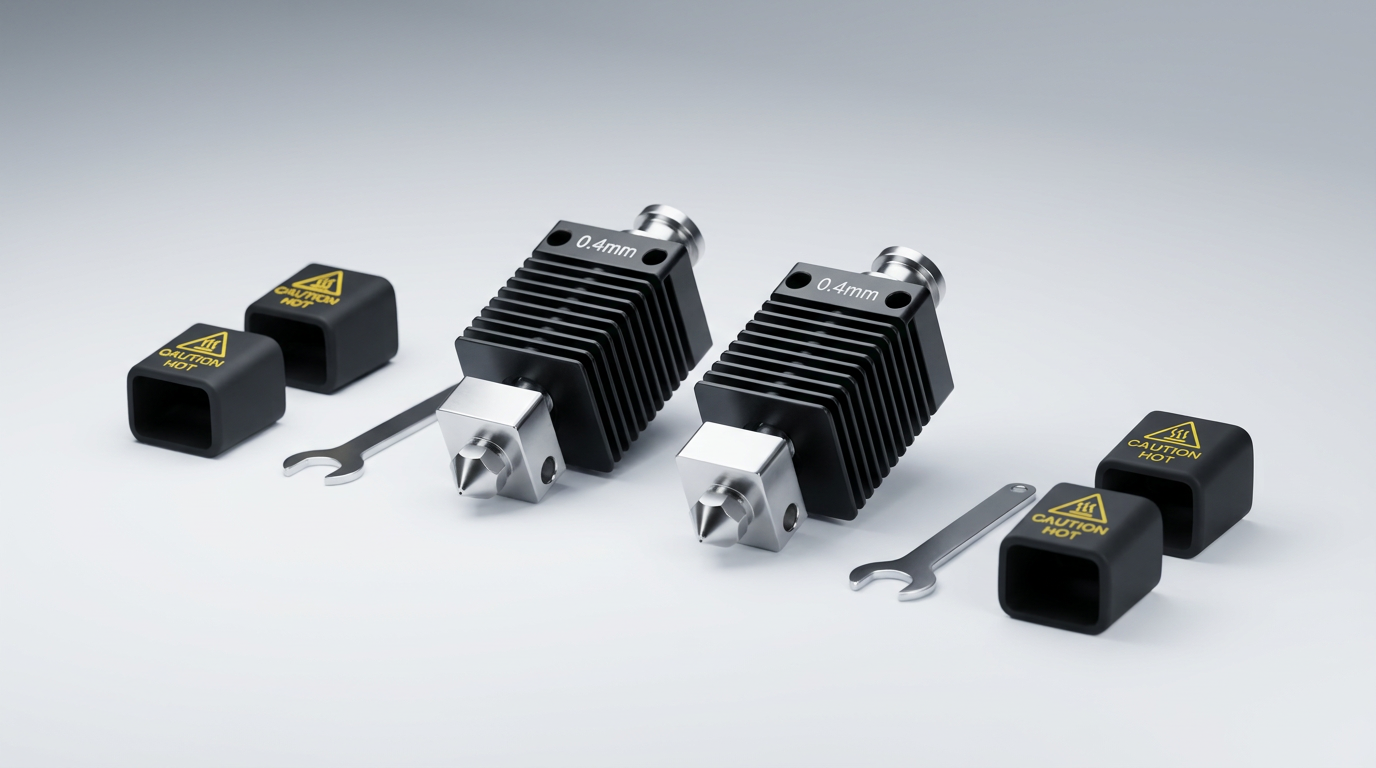
CreatryLab A1/A1 Mini Hotend Review: Budget Reliability for Bambu Labs
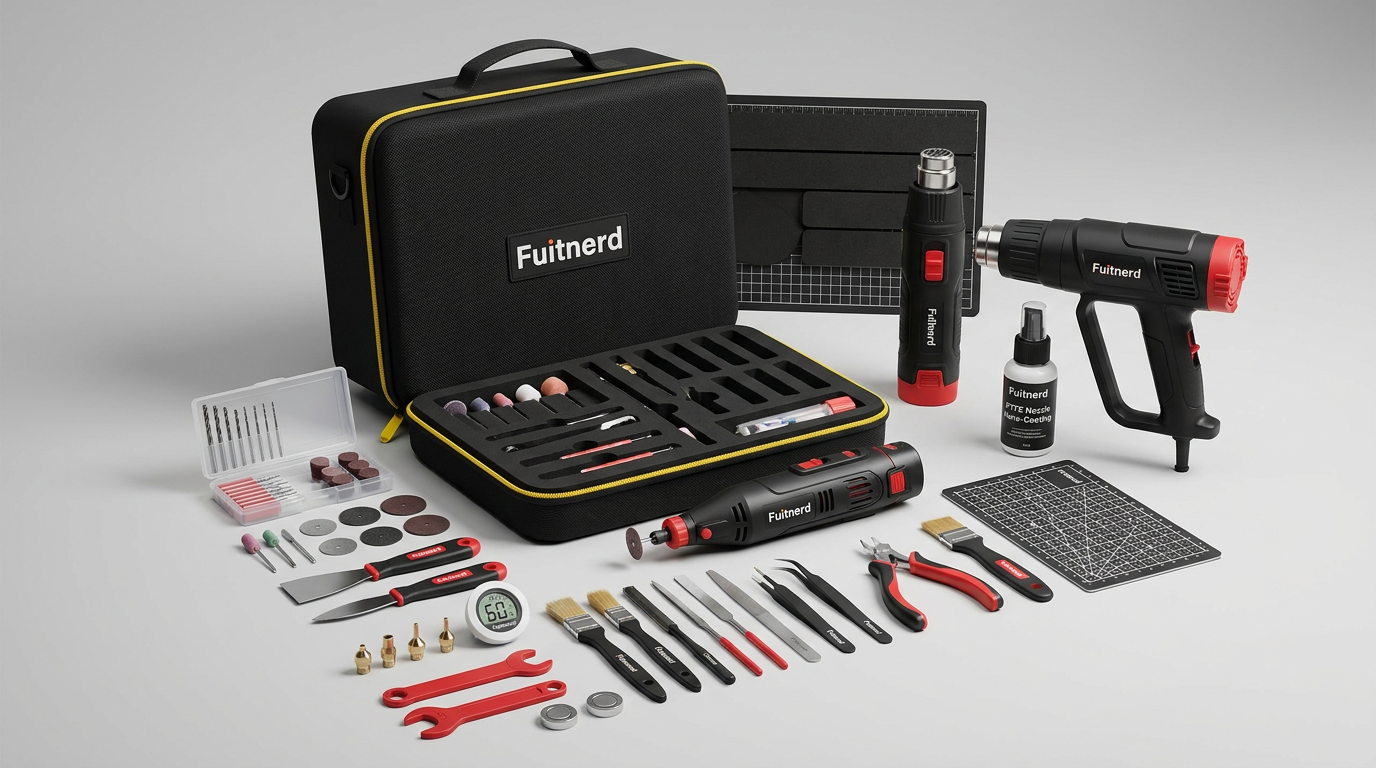
Fuitnerd 142Pcs 3D Printer Tools Kit Review: A Maker's Essential?
This review is based on real experiences shared by owners in online communities.