
TEQStone 3D Printer Glue Stick Review: The First Layer Fix
This review is based on real experiences shared by owners in online communities.
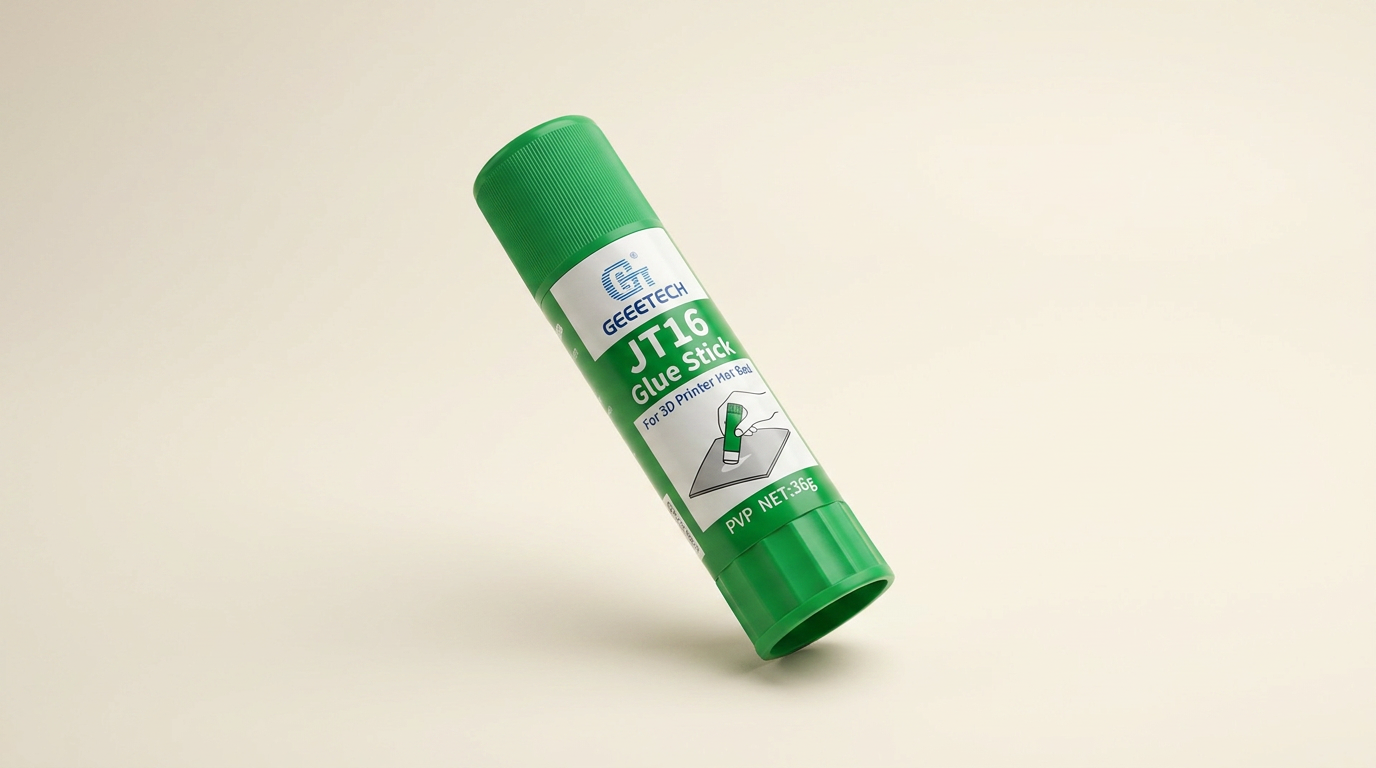
In the ongoing pursuit of perfect 3D prints, bed adhesion remains a persistent challenge. While manufacturers push integrated heated beds and advanced surfaces, the reality for many users is a constant battle against warping, lifting, and the dreaded "spaghetti monster" of failed prints. The TEQStone 3D Printer Glue Stick steps into this gap, offering a low-tech solution in a high-tech ecosystem. It doesn't promise to reinvent the wheel, but rather to stabilize it, focusing on the fundamental requirement of a solid first layer.
This product positions itself not as a peripheral upgrade, but as a core utility for any FDM printer owner, especially those experiencing frequent first-layer failures. Our review examines whether this straightforward adhesive can truly simplify the printing process and deliver consistent results across various materials and build plates, or if it merely adds another step to an already complex workflow. The core question is whether its "brute force adhesion" approach offers a net gain in print reliability, or introduces new problems.
What owners love
- + Exceptional first-layer adhesion, eliminating print failures
- + Effective across multiple filament types (PLA, ABS, PETG, ASA)
- + Works on diverse build surfaces (PEI, glass, aluminum)
- + Easy to clean with water or isopropyl alcohol
- + Large stick size offers substantial product quantity
- + Odor-neutral or pleasant scent reported
Common complaints
- − Adhesion can be excessively strong, making print removal difficult
- − Requires careful, thin application to avoid issues
- − May require bed heating before application for optimal spread
- − Can leave residue that needs thorough cleaning
- − Potential to interfere with auto-bed leveling if not dried
Design & Build
The TEQStone glue stick departs from the standard office supply aesthetic with a noticeably larger form factor. Owners frequently comment on its generous size, noting it covers more area per swipe than typical smaller glue sticks. This design decision, while practical for application speed on larger print beds, does make it somewhat less nimble for precise spot applications. The material composition, described as PVP, ensures a non-toxic profile, and many users appreciate the absence of harsh chemical odors, with some even reporting a pleasant, subtle scent. This reflects a design that prioritizes user experience in a home or office environment, a consideration often overlooked in industrial accessories.
Setup & Ease of Use
Application of the TEQStone glue stick is straightforward, akin to using a standard glue stick. However, a recurring theme among owners is the critical importance of a thin, even coat. Over-application, particularly on cold beds, leads to excessive thickness and potential issues, including difficult print removal. Several users advise applying the glue to a heated bed, which allows for a smoother, more controlled spread. The "drying time tax" is also a critical element; many owners stress the necessity of letting the applied glue dry before initiating a print, particularly with printers featuring auto-bed leveling. Failure to do so can result in glue transfer to the nozzle, compromising the print and requiring immediate cleanup. This highlights a subtle interaction between a simple consumable and complex printer mechanics that users must learn to manage.
Performance in Real Use
The primary objective of any bed adhesive is to ensure consistent first-layer adhesion, and the TEQStone stick largely achieves this. Owners across a spectrum of printers, including Bambu Lab and Flashforge models, report a significant reduction in failed prints due to lifting or warping. It proves particularly effective with notoriously difficult filaments like ABS and ASA, transforming problematic materials into reliable prints. The adhesion strength is a double-edged sword; while it virtually eliminates print detachment during production, it can make print removal challenging. This presents the "adhesion-release paradox": the stronger the hold, the harder the release. Users have adopted strategies such as increasing initial layer thickness or applying water to soften the glue for easier detachment, underscoring that while the core problem is solved, its solution introduces new considerations for post-print handling.
Software & Ecosystem
As a purely physical consumable, the TEQStone glue stick operates independently of software. Its effectiveness is influenced by user-controlled settings within printer slicer software, such as initial layer height, bed temperature, and Z-offset. However, the product itself does not integrate with or rely on any specific software ecosystem. Its universal compatibility with various printer brands and build plate materials is a significant advantage, freeing users from brand-specific consumables or software-linked accessories. This product exemplifies the "hardware agnostic" accessory, focusing solely on a physical layer interaction rather than digital integration.
Value & Reliability
Owners consistently rate the TEQStone glue stick highly for both its performance and perceived value. A single stick lasts for numerous prints, with some users reporting dozens of successful prints from one application before needing to clean and reapply. The six-pack format, typically priced in the sub-$20 range, translates to a very low cost per print. Cleaning is frequently cited as easy, usually requiring only water or isopropyl alcohol. This ease of maintenance contributes to its long-term reliability. The product offers an excellent return on investment by significantly reducing the material waste and time associated with failed prints. Its reliability stems from consistent adhesion, which is the most critical function for this type of product.
Verdict
Buy - This glue stick reliably solves first-layer adhesion issues for a broad range of 3D printing users.
It is an excellent choice for anyone experiencing print lifting or warping, particularly with challenging filaments like ABS or ASA, and works well across different build plate types. Users new to 3D printing, or those with printers that struggle with consistent first-layer adhesion, will find this product dramatically improves success rates. Those who print delicate models or require very easy post-print removal might find the strong adhesion presents a new challenge, potentially requiring a specific removal workflow, but the gains in print success generally outweigh this.
The TEQStone glue stick represents the "utility tax" for 3D printing. In an era of highly automated and often proprietary printing solutions, this simple, accessible consumable acts as an essential, low-cost safety net. It demonstrates that fundamental problems in manufacturing often require surprisingly straightforward physical solutions, especially when dealing with the variable nature of plastics and heated surfaces. Its success highlights an underlying tension in the 3D printing market: while hardware advances, the basic physics of adhesion often still requires a pragmatic, manual intervention.
FAQ
More 3D Printer Parts & Accessories reviews
ELEGOO 3D Printer Adhesive Glue Review: Reliable Bed Adhesion
SAHVAIM AMS Lite Filament Hub Review: Quick Fix for Bambu A1
IdeaFormer-3D Bambu Lab Textured PEI Plate Review
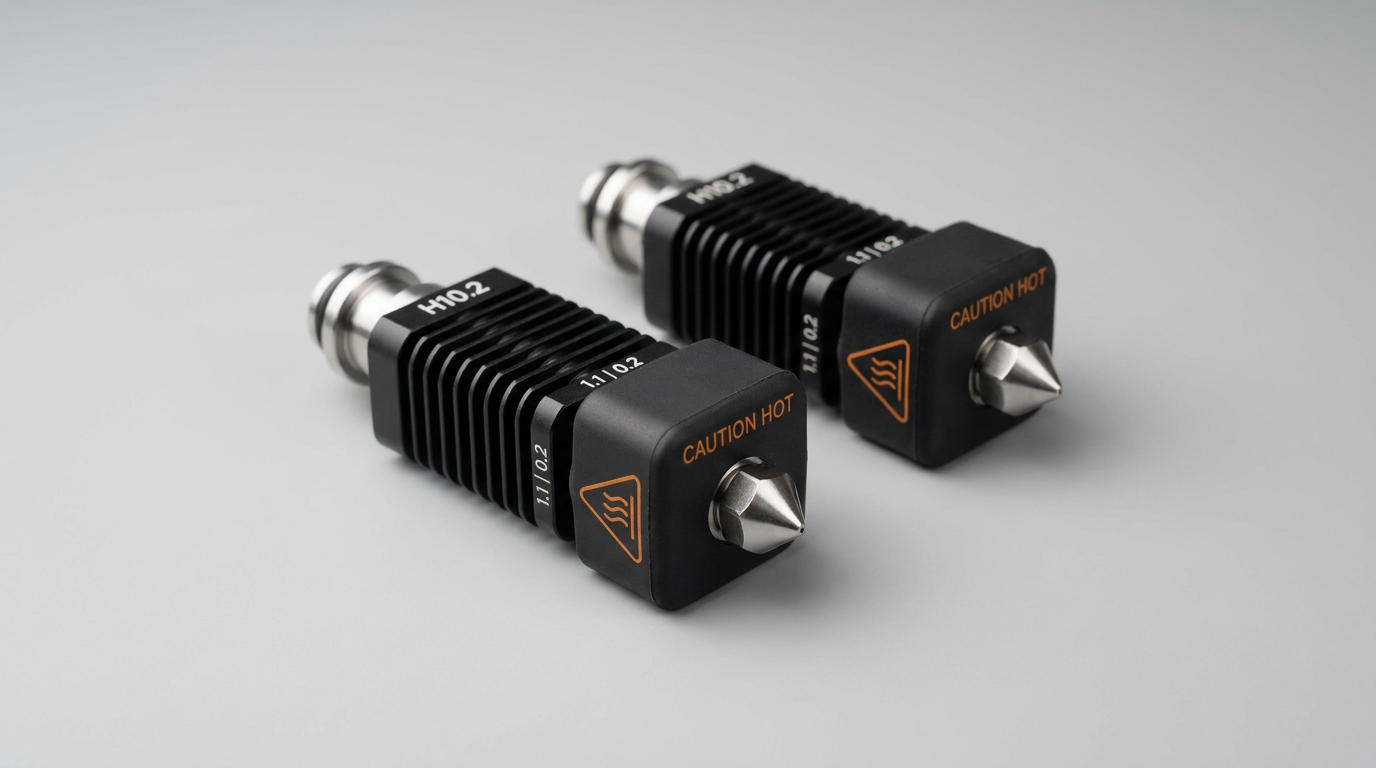
Wefuit 0.2mm Hardened Steel Hotend Review: Budget Precision
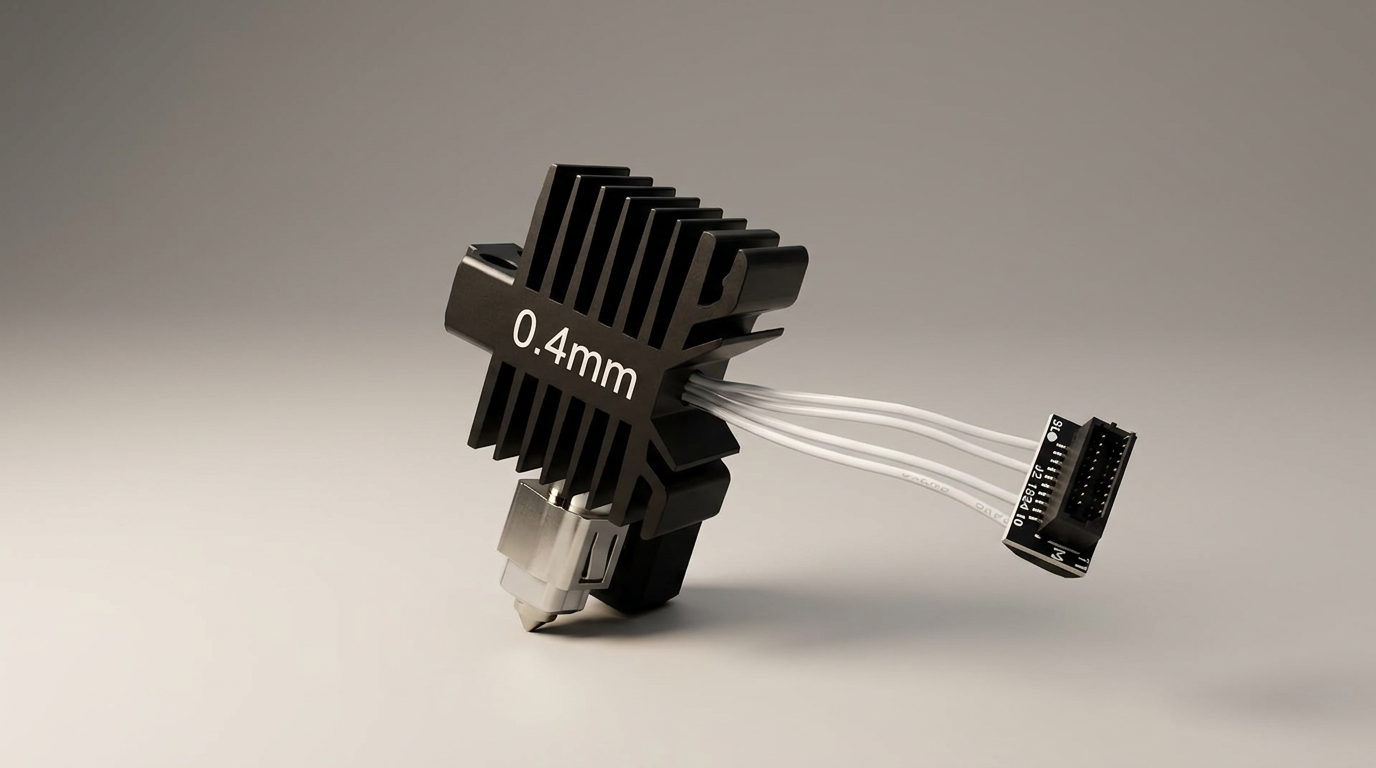
HzdaDeve P1S/P1P Hotend Assembly Review: Cheap Downtime Insurance
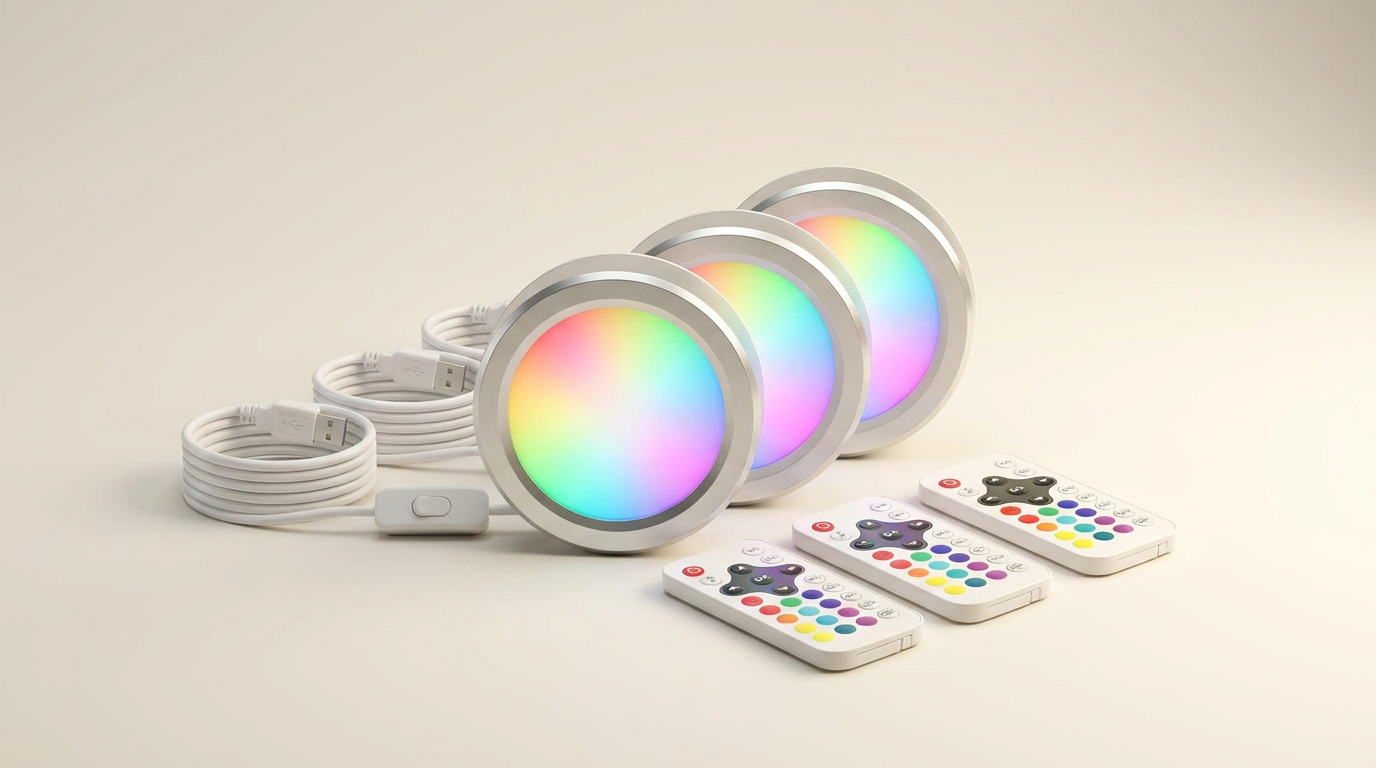
3DZWMAN RGB LED Lamp Kit 001 Review: Better Than OEM
This review is based on real experiences shared by owners in online communities.