
QIDI Q2 Combo Review: High-Speed FDM with Multi-Material Promise
By AValidReview. An AI-assisted summary of customer feedback, not a hands-on test.
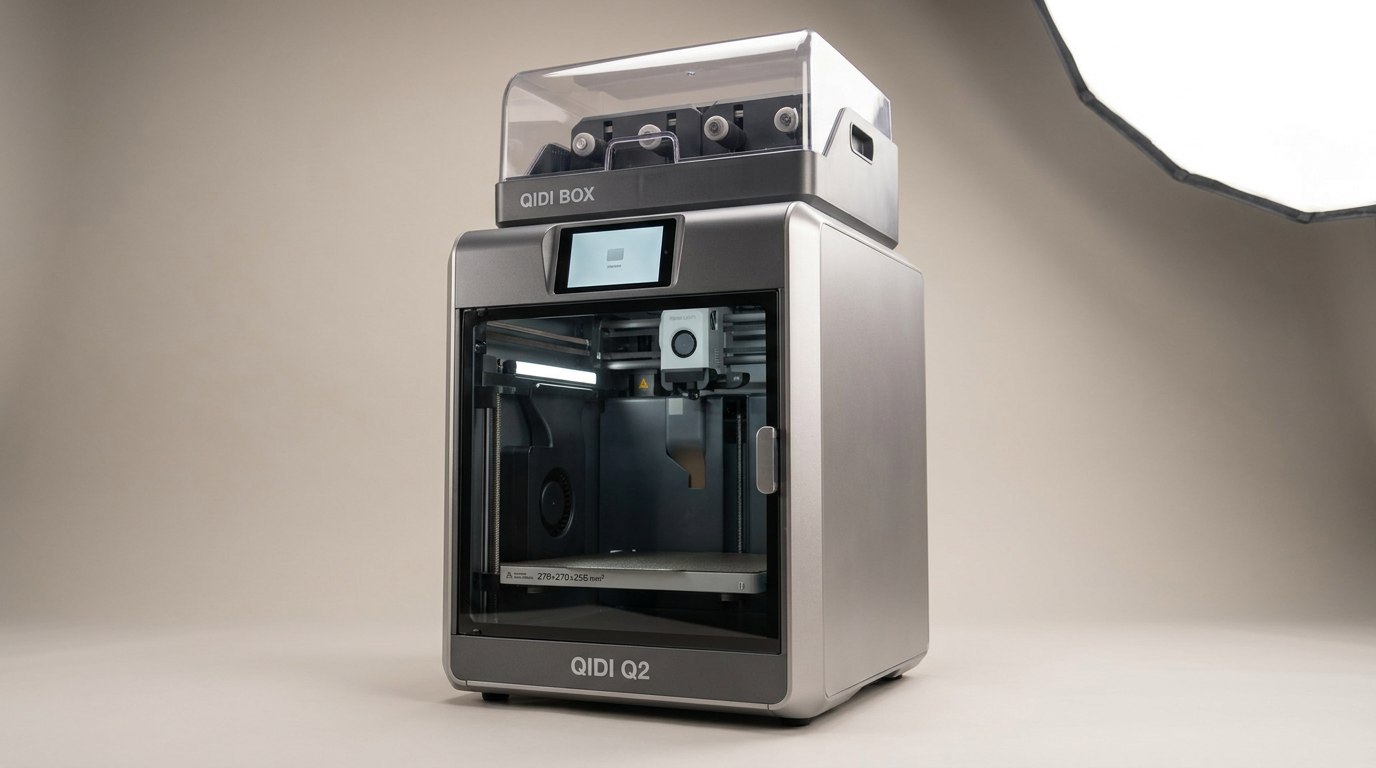
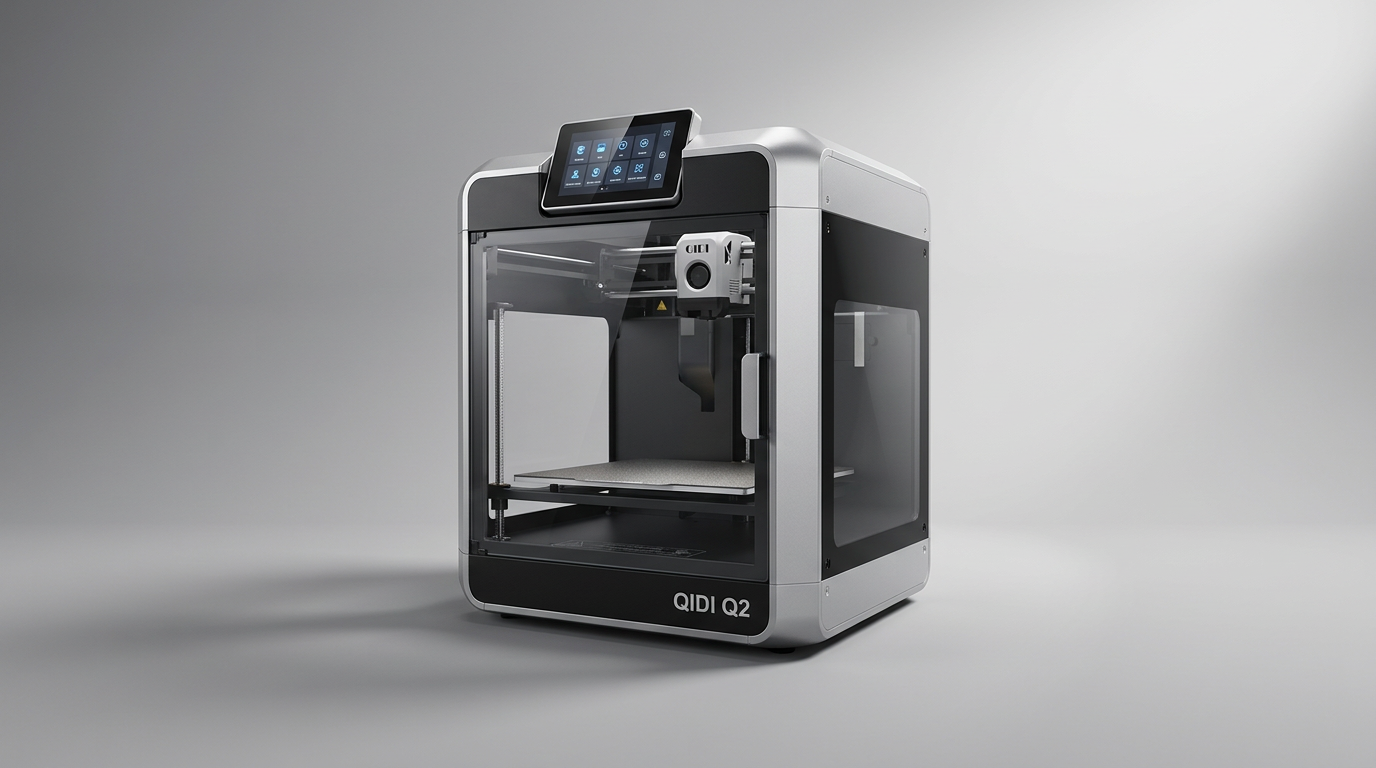
The QIDI Q2 Combo presents itself as a comprehensive FDM 3D printing solution, featuring an enclosed design, heated chamber, and multi-material capabilities. Positioned for both novices and experienced users, it promises high-speed printing up to 600mm/s, along with advanced features like an AI camera and full auto-leveling. The inclusion of the QIDI Box aims to unlock multi-color and multi-material printing.
This review evaluates the Q2 Combo's performance and value based on extensive real-world user feedback. We examine how its advertised features translate into day-to-day operation, focusing on reliability, print quality, and the overall user experience. The goal is to provide a clear understanding of the printer's strengths and weaknesses, helping potential buyers make an informed decision.
We assess everything from initial setup and ease of use to long-term reliability and the efficacy of its multi-material system. The Q2 Combo's proposition hinges on delivering advanced features in a user-friendly package, and owner experiences reveal whether it meets these ambitious claims.
What owners love
- + Excellent first-layer adhesion, often negating rafts or supports.
- + Delivers high-quality prints with various filaments.
- + Enclosed heated chamber effectively reduces warping.
- + Strong, responsive customer support and technical assistance.
- + High-speed printing suitable for larger models.
- + Compatible with Orca Slicer and Klipper for advanced control.
Common complaints
- − QIDI Box for multi-material printing is unreliable and prone to jams.
- − Software experience can be frustrating; some users report incompatibilities.
- − Occasional hardware quality control issues, particularly with the QIDI Box.
- − Some owners find initial setup instructions vague.
- − Requires some technical intervention and troubleshooting for multi-color printing.
Design & Build
The QIDI Q2 Combo features a full-metal CoreXY structure, contributing to its reported stability and durability. An enclosed FDM design with a 65℃ heated chamber is integral for minimizing warping and enhancing layer adhesion, especially with advanced materials. Owners consistently praise its robust construction, describing it as a 'tank' that maintains consistent performance over time. The integrated triple filtration system, comprising a G3 pre-filter, H12 HEPA, and activated carbon, is a notable safety feature for indoor use, designed to reduce odors and harmful particles during printing. However, some users have noted that certain plastic components, such as the spool holder, feel less premium than the core chassis, suggesting potential areas for minor refinement in material choice.
Setup & Ease of Use
For many, the QIDI Q2 Combo offers a relatively straightforward out-of-box experience, with several new owners, including self-described novices, reporting successful initial prints like the Benchy without significant hurdles. The automatic leveling system, where the nozzle acts as the sensor, is frequently highlighted as a significant advantage, often praised for delivering consistent first-layer accuracy. This feature eliminates a common frustration point for 3D printer users. However, quick-start instructions are occasionally described as vague, requiring some users to figure out steps like initial power-on or filament loading. The QIDI Box, intended for multi-color and multi-material printing, complicates the setup. Owners report frequent filament jamming and feeding issues with the Box, necessitating disassembly, and some have found its cheap couplers problematic, making multi-color operation significantly less plug-and-play than the core printer experience.
Performance in Real Use
The QIDI Q2 printer itself demonstrates strong performance. It routinely achieves high-quality results across various filament types, including PLA, ABS, PETG, and even some composites. First-layer adhesion is frequently cited as excellent, with many users reporting consistent success without needing rafts or supports. The 65℃ heated chamber effectively manages warping, enabling reliable printing of temperature-sensitive materials. The 600mm/s print speed is achievable, particularly for larger models, though some owners advise reducing speed for small, detailed objects to maintain print quality. The CoreXY structure and linear rails contribute to smooth surface finishes by reducing vibrations. However, the multi-material QIDI Box is a major point of contention. Owners consistently report it as unreliable, prone to filament jams during loading, unloading, and color changes. The internal gears are described as weak, and the system often fails to retract filament properly, leading to tangles and print failures. This significantly compromises the multi-color and multi-material potential, requiring frequent manual intervention and troubleshooting.
Software & Ecosystem
The QIDI Q2 Combo operates on an open platform, featuring Klipper firmware and compatibility with popular slicers like Orca Slicer. This openness is a significant advantage for experienced users who appreciate the ability to customize and fine-tune their printing experience, including access to a web interface. The NFC technology for QIDI filament recognition streamlines settings application for those using proprietary materials. However, the software experience receives mixed feedback. While many appreciate the Klipper integration, others report frustrating software issues, including crashes, errors with booting or firmware, and difficulties with the printer recognizing the QIDI Box after updates. Some users have noted a reduced level of integration with mobile devices or model repositories compared to competitors, suggesting a reliance on desktop-based workflows. The core printer's software functionality is generally reliable, but the QIDI Box exacerbates software-related frustrations due to its operational inconsistencies and reported communication failures with the printer.
Value & Reliability
Priced in the mid-range for high-speed enclosed printers with multi-material aspirations, the QIDI Q2 Combo offers compelling features on paper. The core printer's reliability is frequently praised; many owners describe it as a consistent performer that handles various materials well. Customer service is a recurring highlight, with numerous reports of responsive, knowledgeable, and helpful support staff resolving issues through remote assistance or parts replacement. This strong support system adds significant value. However, the QIDI Box introduces a major reliability caveat. Its frequent jamming and operational failures undermine the multi-material functionality, forcing users to either troubleshoot extensively or abandon multi-color prints. This diminishes the overall value proposition if multi-material capability is a primary purchasing factor. Some quality control issues, such as arriving with damaged parts or requiring immediate repairs, have also been reported, though QIDI's support often remediates these. For single-color, high-speed printing, the Q2 Combo offers strong value, but its bundled multi-material system falls short of expected reliability.
Verdict
Consider - The QIDI Q2 Combo delivers strong core single-color printing but struggles with its multi-material system.
This printer is suitable for hobbyists and makers who primarily need a reliable, high-speed, enclosed FDM printer for single-color prints with various filaments and value robust customer support. Its excellent first-layer adhesion, good print quality, and Klipper integration make it a strong contender in the roughly $600 price segment. Buyers comfortable with occasional technical troubleshooting, especially for advanced materials or firmware adjustments, will find its open ecosystem beneficial.
However, those prioritizing seamless multi-color or multi-material printing should look elsewhere or consider the Q2 Combo as a single-color machine. The QIDI Box's documented unreliability and jamming issues prevent it from delivering a consistent multi-material experience and weigh heavily on the overall value proposition for that specific use case. Users expecting a 'just works' appliance for complex multi-color projects may find it frustrating.
FAQ
More 3D Printers reviews
Anycubic Kobra S1 ACE 2 Pro Combo Review: Enclosed Multicolor Value
FLASHFORGE AD5M Pro Review: High Speed Enclosure on a Budget
FLASHFORGE Creator 5 Pro Review: Multi-Toolhead Utility
QIDI Q2 3D Printer Review: High-Temp Power at a Consumer Price
Flashforge Adventurer 5M Smooth PC Plate Review
FLASHFORGE Creator 5 Pro Review: Multi-Toolhead Efficiency
This review is based on real experiences shared by owners in online communities.