
3D Coffee Printer Latte Art Stencil Maker Review
By AValidReview.
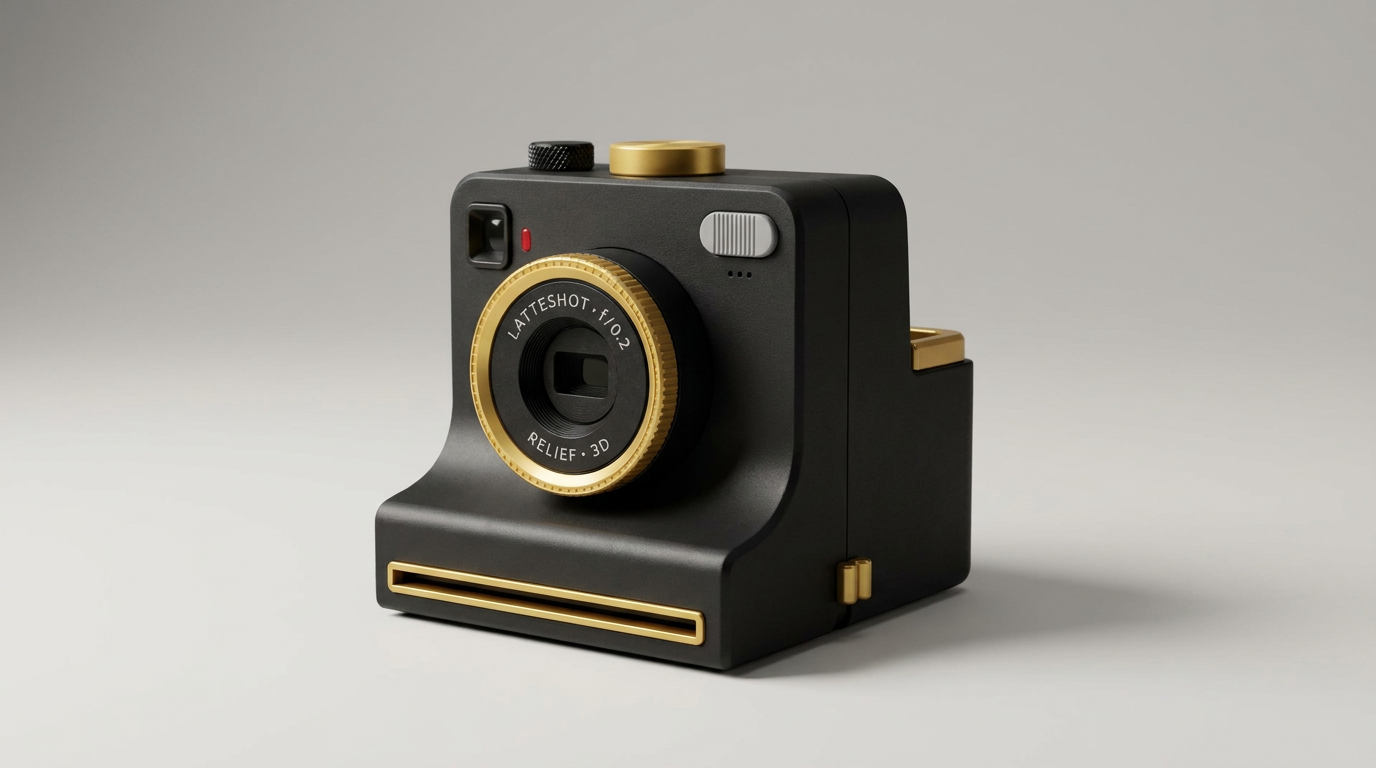
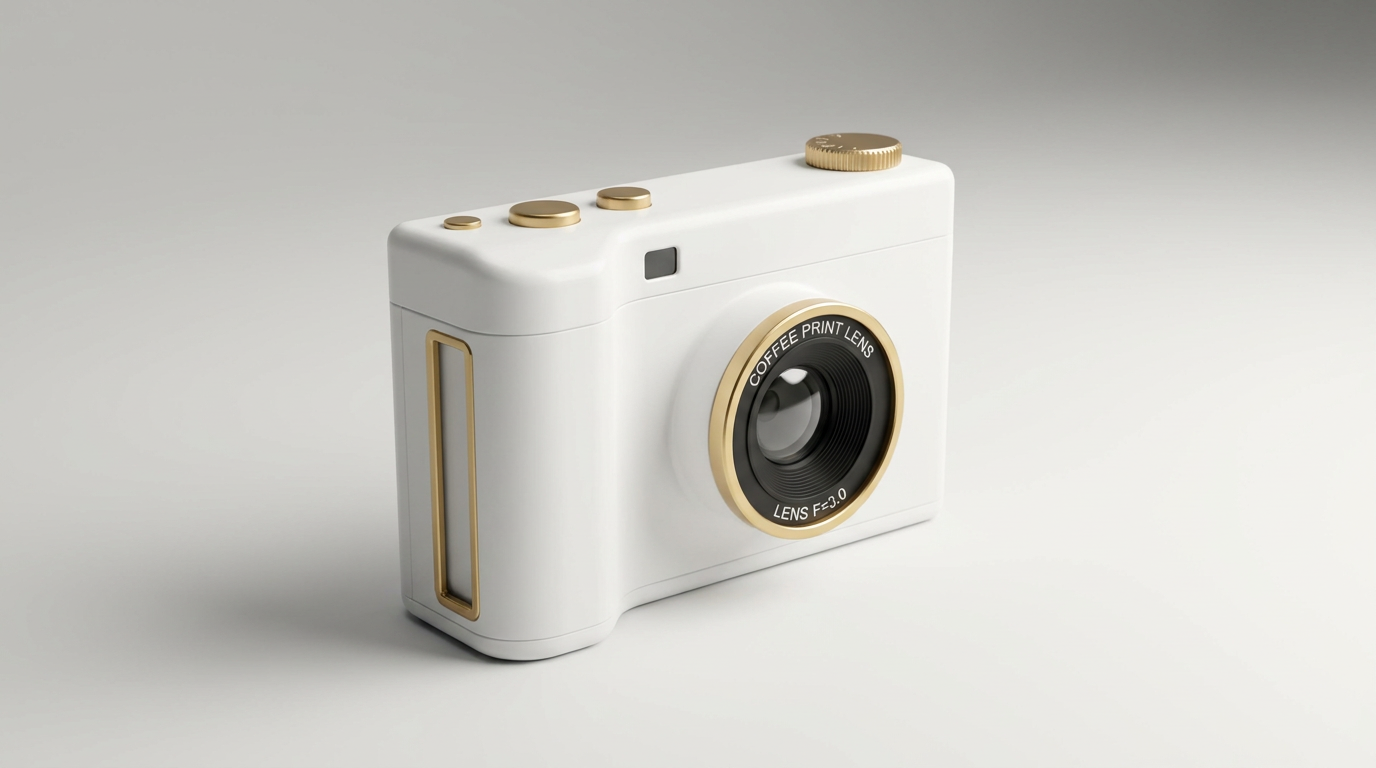
The modern gadget landscape is flooded with gadgets engineered to exploit algorithmic search queries, and this manual latte stencil maker is a prime case study. Labeled as a 3D coffee printer and tucked into additive manufacturing categories online, it is actually a completely unpowered, 3D-printed plastic novelty shaped like a miniature camera. Rather than an automated machine that jets edible inks onto foam, it attempts to function as a mechanical stamp that dusts cocoa or cinnamon through interchangeable stencil cards.
This discrepancy creates what we call the search-engine misnomer trap. Shoppers expecting an affordable desktop printing gadget encounter a rough, 3D-printed shell with primitive moving parts. While a handful of hobbyists appreciate its low-tech, cord-free aesthetic as an eccentric bar accessory, the overwhelming majority of users report sheer frustration. Between confusing assembly, missing components, and fundamental mechanical oversights, the device struggles to execute its only task.
Latte art requires consistency, micro-fine powder distribution, and clean edges. Evaluating this device reveals the wide chasm between clever viral product concepts and functional kitchen tools. For anyone building out a home espresso station, understanding how this gadget operates in practice is essential before wasting fine ingredients on failed prints.
What owners love
- + Completely manual design requires no power, batteries, or cords
- + Novelty camera-style body acts as a quirky decorative bar item
- + Works with standard kitchen powders like cocoa, cinnamon, and matcha
- + Includes slots to store extra stencil plates on the unit
Common complaints
- − Severe design flaws leave users confused about how to load powder
- − No included instructions or operational guidance
- − Flimsy 3D-printed plastic construction prone to missing parts
- − Frequently dumps powder unevenly, ruining foam and wasting ingredients
Design & Build
The device adopts a retro camera silhouette, produced via basic desktop additive manufacturing rather than polished injection-molded plastic. Layer lines and rough seam edges are visible across the black exterior. A rear slot holds the four included stencil plates, while a top mechanical plunge button supposedly drives the dusting mechanism. However, build quality is notoriously inconsistent. Multiple owners report receiving units with missing parts or loose tolerances that feel less durable than a cheap children's toy. The materials lack the food-grade heft expected of coffee bar equipment, making the entire assembly feel fragile during handling.
Setup & Ease of Use
Out-of-the-box setup represents the product's steepest hurdle. The manufacturer ships the unit without instruction manuals or operational schematics. Several buyers report an immediate point of failure: there is no obvious, accessible hopper or dedicated opening to load spices into the unit. This creates what we call the hopper blind spot, forcing users to guess whether powder belongs directly on the stencil plate, inside an internal chamber, or sifted through the top. For a tool targeted at casual home baristas, the total lack of documentation turns a simple kitchen task into an infuriating guessing game.
Performance in Real Use
When put to the test against warm milk foam, the device succumbs to the powder-dispersion fallacy: the assumption that a crude mechanical tap can duplicate the controlled sift of a fine culinary shaker. When users depress the manual press, powders such as cinnamon, powdered sugar, and cocoa tend to dump in clumps rather than settle in clean lines. Instead of a sharp, recognizable graphic, drinks are frequently smothered under an uneven blanket of spice. The random card selection mechanism also jams easily, causing the stencils to misalign over the cup and marring the surface of the beverage.
Software & Ecosystem
Despite appearing in computerized additive manufacturing categories, this unit has zero electronics, no companion app, and no digital ecosystem. Its four designs are entirely fixed on rigid physical cards. There is no custom graphic creation, firmware, or connectivity. The entire system is mechanical. While that means no software bugs or charging cables, it also means you are permanently locked into the four manufacturer-supplied designs unless you design and print your own custom plates on a dedicated 3D printer.
Value & Reliability
Priced in the budget tier under $30, the tool still presents poor value. Even at a modest price point, a kitchen tool must perform its primary function reliably. Instead, verified buyers routinely describe it as unusable, citing wasted ingredients, broken hinges, and zero customer support. A traditional metal latte stencil and a handheld fine-mesh cocoa shaker cost significantly less, occupy less space, and deliver vastly superior visual precision without mechanical frustration.
Verdict
Stay Away - A poorly engineered novelty that lacks basic instructions and fails at simple powder dusting.
This stencil maker is only suitable for curious tinkerers who want a quirky, non-functional 3D-printed conversation piece on their shelf and have money to burn. Everyone else, from casual coffee drinkers to serious espresso enthusiasts, should skip it entirely.
This device exemplifies how viral marketing re-labels primitive plastic novelties as high-tech home accessories. By trading actual culinary utility for search-friendly buzzwords, it solves none of the genuine challenges of coffee presentation and creates endless mess in the process.
FAQ
More 3D Printers reviews
Bambu Lab P1S Combo Renewed Review: High Speed, High Risk
QIDI Plus5 Combo 3D Printer Review: High Temp Powerhouse
Bambu Lab A1 Combo Renewed Review: Fast Multicolor Printing
Hephi3d TINA2S Review: Compact, Accessible 3D Printing
Davercop 3D Printed Latte Art Camera Review
Anycubic Kobra S1 Max Combo Review: Industrial Scale for Less
This review is based on real experiences shared by owners in online communities.