
Hephi3d TINA2S Review: Compact, Accessible 3D Printing
By AValidReview. An AI-assisted summary of customer feedback, not a hands-on test.
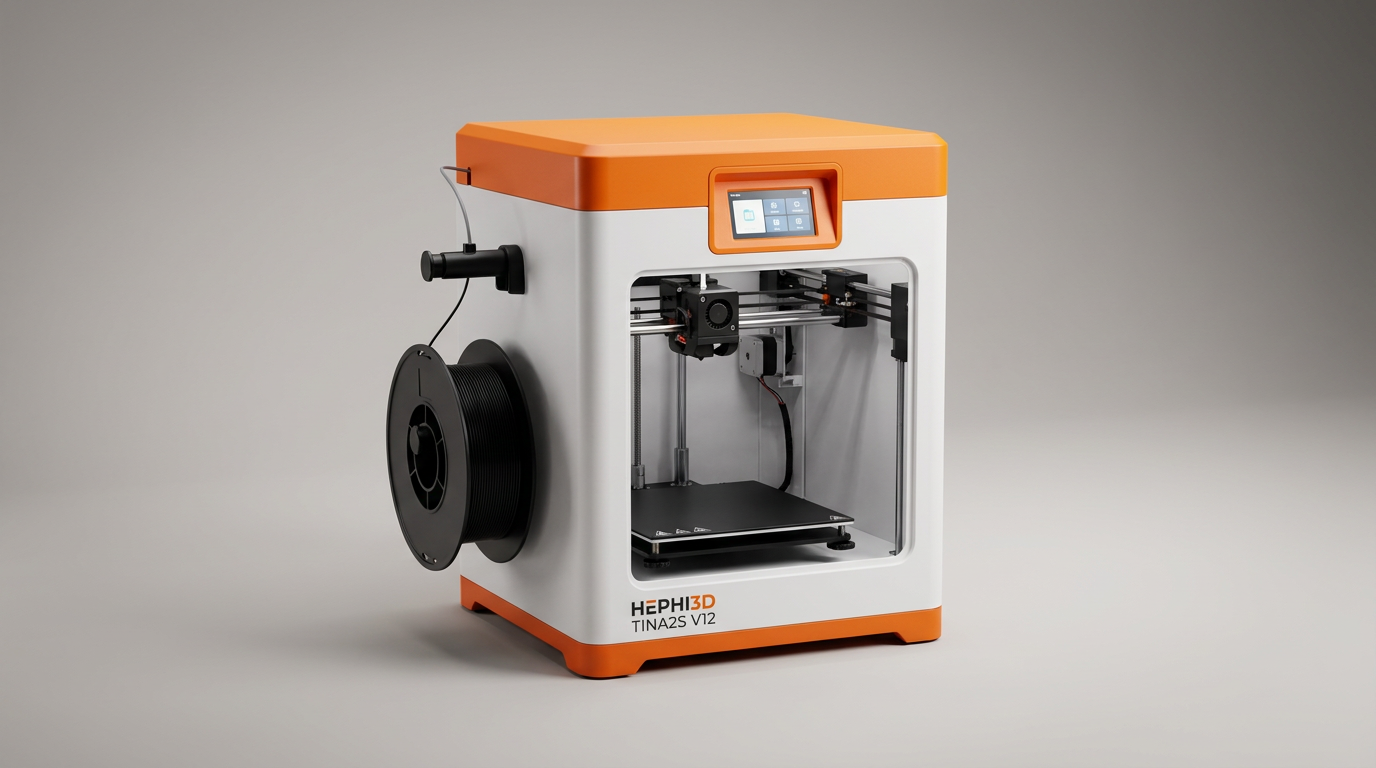
The entry-level 3D printing market has spent years trying to eliminate the hobbyist barrier to entry, shifting away from aluminum extrusions and soldering toward true appliance-grade hardware. The Hephi3d TINA2S represents this exact pivot. Instead of demanding hours of mechanical alignment and firmware flashing, it targets families, students, and first-time makers who want functional prints straight out of the box without mastering the intricacies of mechanical calibration.
Yet lowering the mechanical barrier reveals a different challenge: the novelty cliff. When a machine is this easy to start, the primary obstacle shifts from hardware troubleshooting to sustaining interest once the pre-loaded files run out. At a price point sitting under $200, the TINA2S aims to balance turnkey hardware with an accessible ecosystem, but buyers must understand where its plug-and-play simplicity ends and user initiative must take over.
What owners love
- + Fully assembled chassis requires virtually zero mechanical setup
- + Effective automatic bed leveling eliminates manual calibration headaches
- + Whisper-quiet operation fits easily into home or bedroom environments
- + Flexible magnetic build plate makes part removal simple and safe
- + Compact, semi-enclosed design keeps desktop footprint minimal
Common complaints
- − Small build volume limits larger functional prints
- − Curated mobile model catalog leaves advanced users wanting more variety
- − Requires external slicing software for complex custom designs
Design & Build
The TINA2S opts for a compact, semi-enclosed desktop frame that prioritizes safety and desk real estate over expansive build volume. Its small footprint allows it to share workspace with monitors and textbooks without overwhelming the desk. The semi-enclosed structure provides visual monitoring while shielding the primary moving axes and keeping curious hands away from the heated elements. A silicone sock over the nozzle enhances thermal stability and guards against stray burns, a practical detail for younger users. The print bed features a flexible, removable magnetic sheet, which solves one of additive manufacturing's persistent pain points: cleanly popping off delicate prints without spatulas or excessive force.
Setup & Ease of Use
True out-of-the-box readiness is where the TINA2S earns its reputation. Early feedback shows that initial anxiety about assembly quickly dissolves; owners report producing their first completed print within minutes of opening the carton. The integrated auto-bed leveling system removes the tedious paper-sliding ritual that often derails beginners. By handling Z-offset and tilt compensation internally, the machine provides reliable first-layer adhesion without manual intervention. The physical learning curve is effectively compressed to unboxing, loading the spool, and running the guided setup routines.
Performance in Real Use
Day-to-day operation is marked by exceptionally low noise output. The internal stepper motor drivers keep operational noise in the 40 to 50 decibel range, meaning the printer hums along unobtrusively in a shared study or living room. Print quality on standard PLA and PLA Pro is steady, delivering clean perimeters and reliable layer adhesion within the boundaries of its compact build area. HEPHI3D equips the unit with a filament runout sensor and power-loss recovery, two failsafes that protect multi-hour prints from unexpected interruptions. The machine will not match the raw volumetric speed of industrial workhorses, but its motion system remains stable throughout standard print runs.
Software & Ecosystem
Software marks the divide between effortless toy and capable tool. HEPHI3D provides a mobile app loaded with thousands of pre-sliced, one-tap models intended to get new owners printing immediately. However, owner experiences highlight a common bottleneck: the curated mobile catalog can feel limiting once basic trinkets lose their luster. To extract ongoing utility, users must transition to desktop slicing tools like Cura, PrusaSlicer, or Wiibuilder via TF card, USB, or wireless transfer. The printer supports open-source pipelines gracefully, but parents and educators should recognize that moving beyond preset figurines requires learning computer-aided slicing fundamentals.
Value & Reliability
Priced under $200, the TINA2S operates in a hyper-competitive category where reliability often gets sacrificed for larger build areas. HEPHI3D made the pragmatic trade-off to keep the build envelope modest while maximizing mechanical reliability out of the box. Hardware failures and assembly missteps are rare among owners, with general sentiment praising its day-one stability. The main threat to its long-term value is not hardware failure, but post-setup neglect. If younger users lack the patience or guidance to explore custom 3D modeling, the machine risks sitting idle once the initial novelty fades.
Verdict
Consider - A painless, whisper-quiet entry point for beginners, though long-term value depends on moving beyond the starter model library.
The Hephi3d TINA2S is tailored for parents, younger students, and hobbyists who want to explore additive manufacturing without spending weekends diagnosing belt tension, tramming heated beds, or compiling firmware. Its quiet motors and fully assembled chassis make it uniquely hospitable to dorm rooms, bedrooms, and home offices. Conversely, experienced makers or those looking to fabricate large-scale mechanical parts or functional helmets will quickly outgrow its restricted build volume and entry-level feed system.
The TINA2S successfully solves the first half of the consumer 3D printing equation by making hardware entirely frictionless. What it cannot solve is the novelty cliff: keeping a mini-printer running long after the initial downloads are exhausted requires personal creative drive, not just good motors.
FAQ
More 3D Printers reviews
Davercop 3D Printed Latte Art Camera Review
Anycubic Kobra S1 Max Combo Review: Industrial Scale for Less
ugee Funbox 3D Printer Review: Safe Household Making
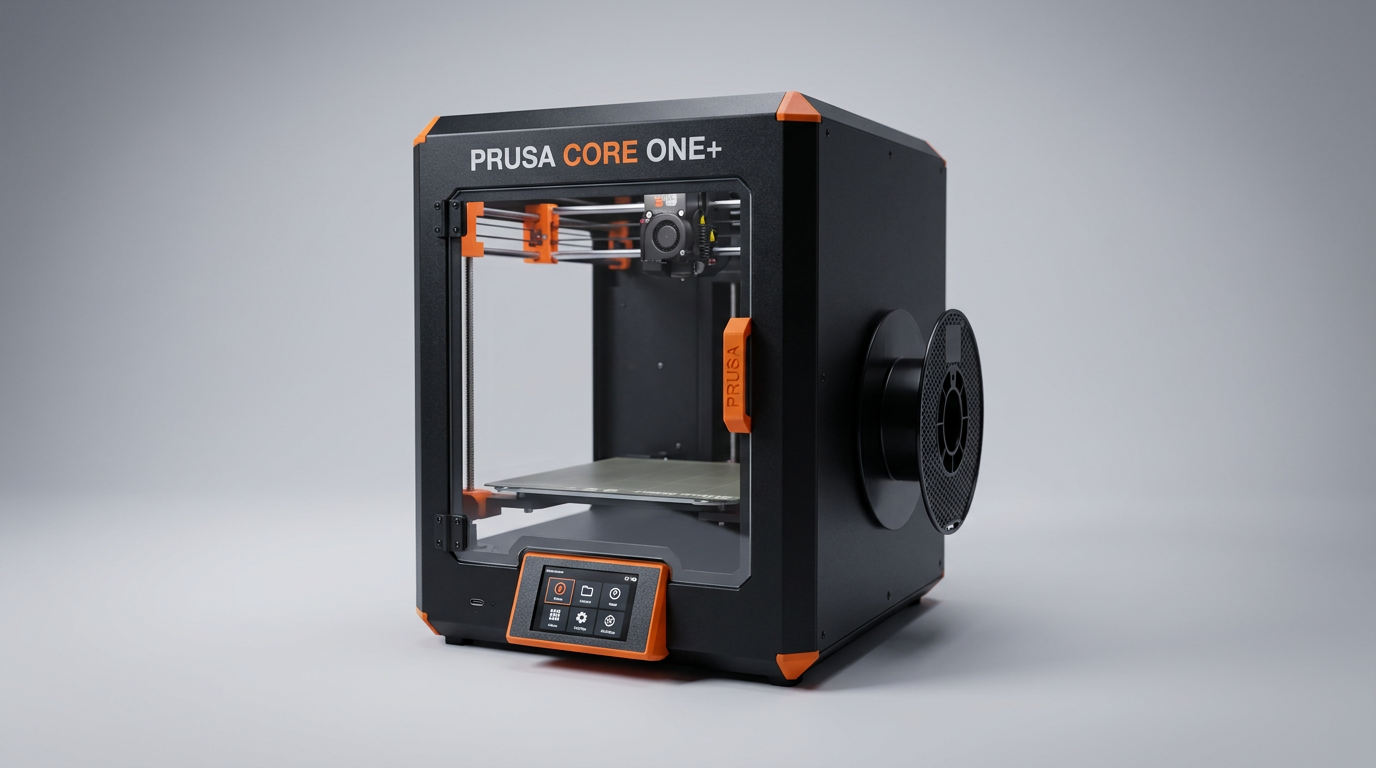
Original Prusa CORE One+ Kit Review: The Maker's CoreXY
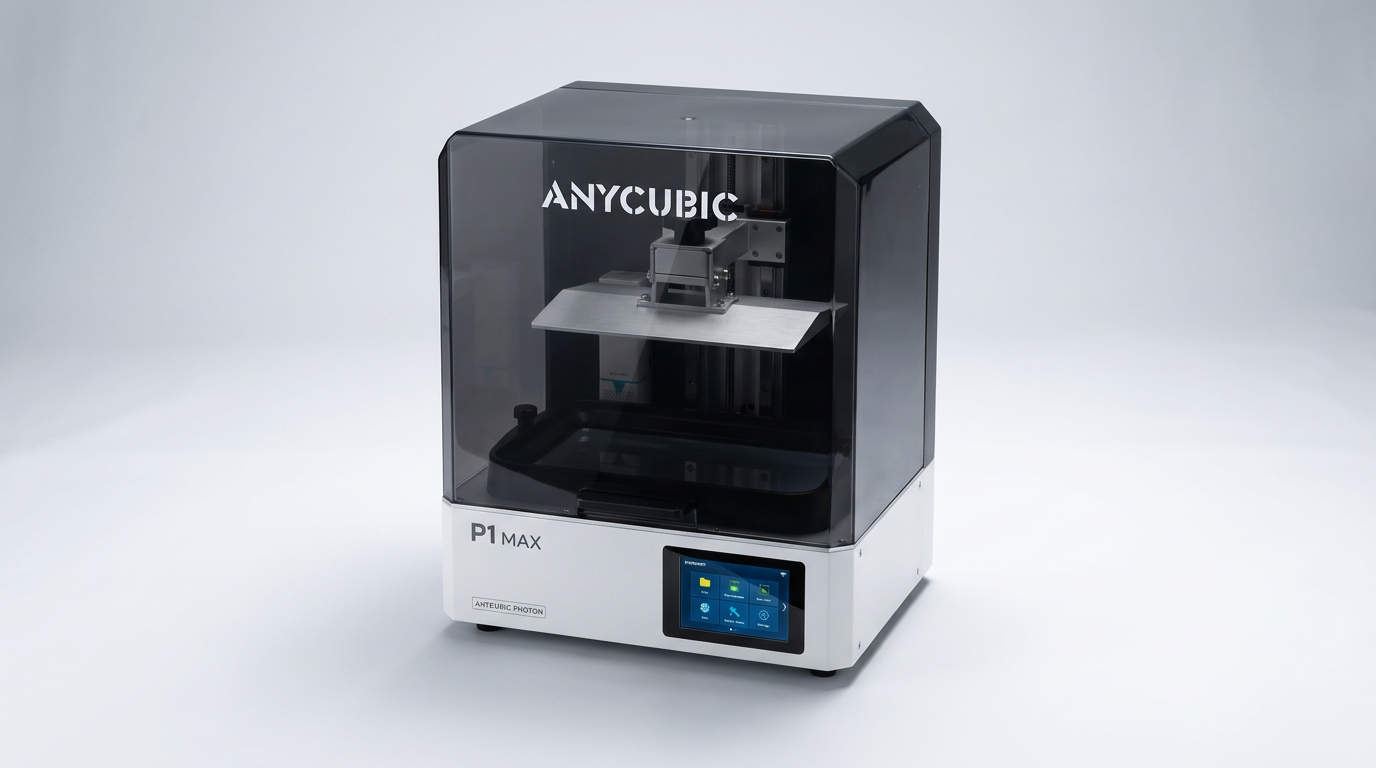
ANYCUBIC Photon P1 Max Review: Scale Meets Detail
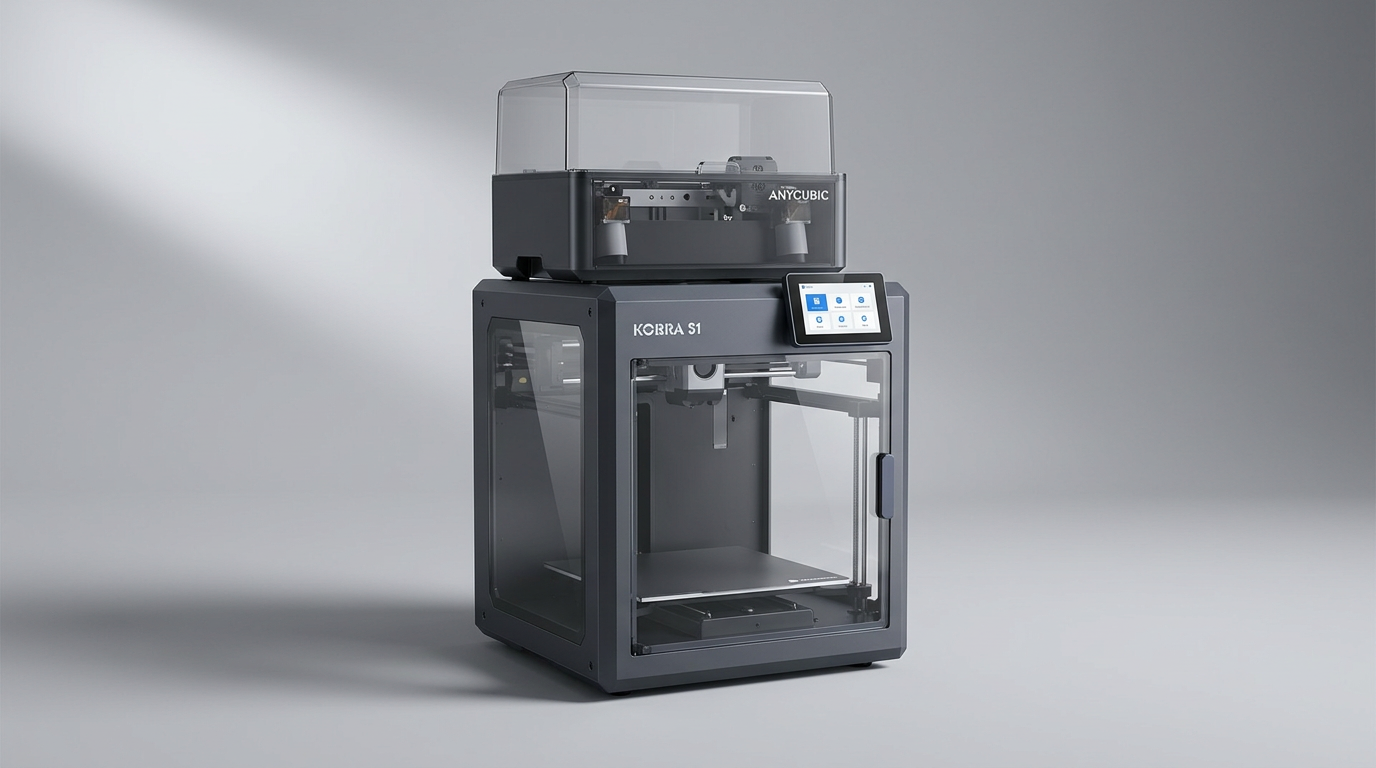
Anycubic Kobra S1 ACE 2 Pro Combo 3D Printer Review
This review is based on real experiences shared by owners in online communities.