Matter and Form Three Review: Precision 3D Scanning Reimagined
This review is based on real experiences shared by owners in online communities.
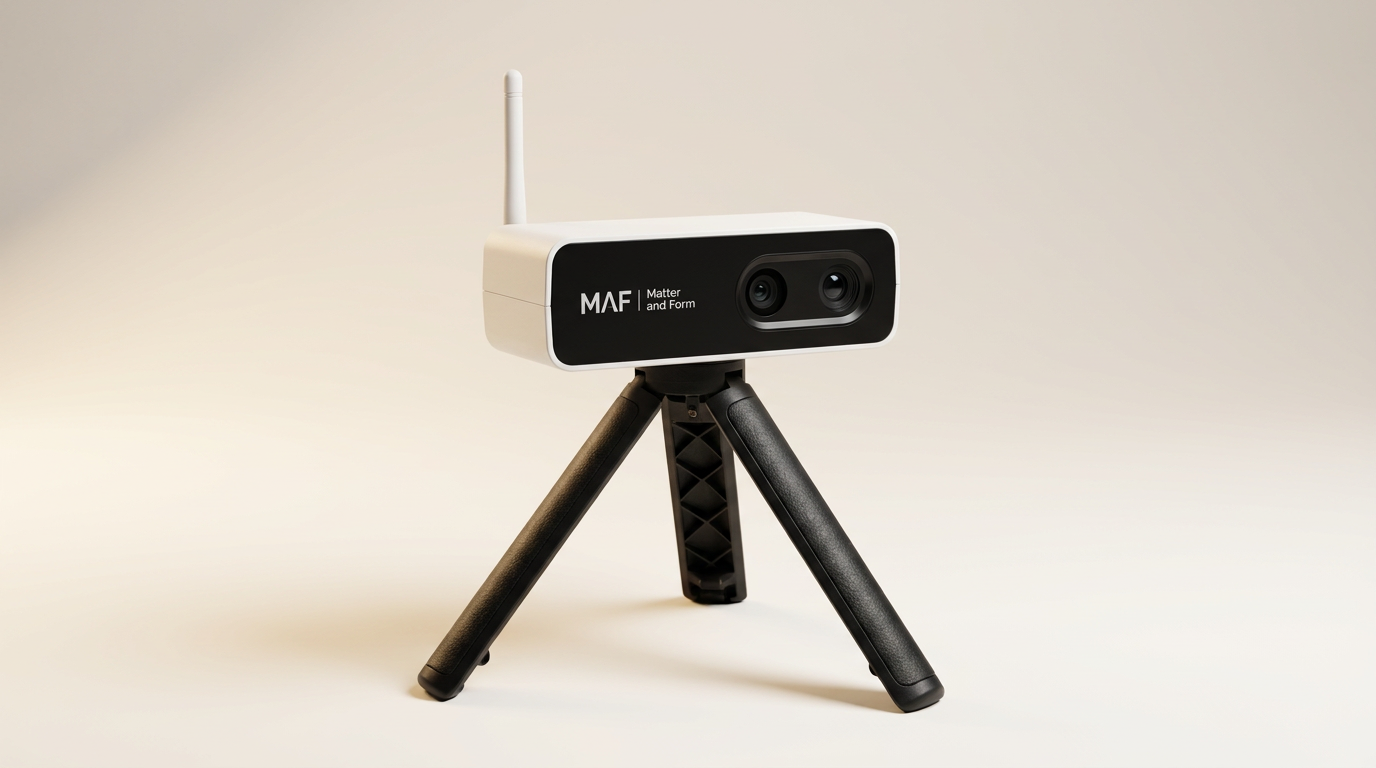
The Matter and Form Three 3D scanner positions itself at a peculiar intersection: offering "metrological-grade" accuracy alongside an experience described as simple enough for first-time users. In a market often bifurcated between high-cost, complex industrial devices and more accessible, but less precise, consumer tools, the Three aims to bridge this gap. It proposes that intricate detail and user-friendliness are not mutually exclusive, challenging the established notion that scanning fidelity demands an equally steep learning curve.
This scanner introduces a distinct philosophy to 3D capture, one where the hardware and software are deeply integrated, minimizing the external computational demands often associated with high-resolution scanning. This approach suggests a "black box" design, where the scanner handles much of the heavy lifting internally, liberating users from needing top-tier external processing power. The implications for workflow and accessibility are significant, potentially lowering the barrier to entry for precise 3D model generation.
Our analysis will explore whether this integrated design successfully delivers on its promise of professional results without the typical associated complexities. We examine how it performs across a spectrum of objects, from small, intricate items to larger components, and assess if its purported ease of use truly democratizes high-fidelity 3D scanning or if it introduces its own set of trade-offs.
What owners love
- + Delivers high accuracy and detail for diverse objects.
- + User-friendly interface simplifies the scanning process.
- + Integrated hardware and software reduce external system requirements.
- + No tracking dots required, streamlining workflow.
- + Versatile for both small and large objects.
Common complaints
- − Achieving optimal scans can require significant practice and iteration.
- − Some users report a steep learning curve for advanced use cases.
- − Initial software glitches may require hot patches or updates.
- − Complex objects still demand post-processing in external software.
- − High price point for a device that still demands user skill.
Design & Build
The Matter and Form Three presents a compact, self-contained design, integrating dual 13MP autofocusing cameras. Owners consistently highlight its ability to capture fine detail, attributing this to its high-resolution imaging system. The scanner's construction supports a wide capture distance, allowing it to transition from small jewelry items to larger engine blocks without requiring accessory changes. This design choice implies a focus on operational fluidity, minimizing physical setup changes. The absence of a reliance on tracking dots is a key structural decision, streamlining the physical preparation phase and reflecting a commitment to a less encumbered scanning workflow. This hardware strategy aims to simplify the initial capture, shifting complexity away from manual calibration and object preparation.
Setup & Ease of Use
First-time users praise the Matter and Form Three for its straightforward initial setup. The integrated software, which runs on various operating systems without demanding high-end computing resources, contributes to this accessible entry point. Several users describe watching tutorial videos and following in-software guides as sufficient for producing initial scans. However, this immediate accessibility masks a "proficiency paradox": while basic operation is simple, achieving consistently high-quality, professional-grade results across diverse objects demands considerable time investment. One owner notes that despite the initial ease, mastering the system for optimal output can take weeks of experimentation, especially for complex geometries or diverse material types. The initial learning curve is gentle, but the curve to expert use is steep.
Performance in Real Use
The Matter and Form Three demonstrates significant capability in capturing objects with high accuracy, reaching 0.033mm precision. Experienced 3D scanning professionals acknowledge its performance, comparing it favorably to more expensive industrial machines. The autofocusing cameras contribute to sharp detail across different object sizes. However, the system exhibits what we term "the iterative refinement burden." While the scanner captures data well, producing a perfectly aligned and meshed 3D model often requires multiple scans of the same object from various angles, followed by a laborious stitching process. Owners report needing to perform hundreds of individual scans and then manually align them, particularly for objects with complex features or occlusions. This demand for extensive iterative scanning and alignment contradicts the initial promise of simple operation for challenging geometries, revealing a gap between raw capture capability and polished model output.
Software & Ecosystem
A core tenet of the Matter and Form Three is its self-contained software ecosystem. It boasts compatibility with Windows, Mac, Linux, iOS, Android, and Chromebooks, eliminating the need for separate software licenses or powerful external GPUs. This universal compatibility simplifies deployment and reduces the overall cost of ownership. The software manages feature-based alignment, obviating the need for tracking dots. While this integrated approach generally functions well, some users experienced initial software glitches, such as issues with turntable operation, which required specific experimental updates to resolve. This highlights a potential "early adopter's tariff" where users might encounter minor bugs that necessitate reliance on customer support and rapid software patching. Despite these occasional hurdles, the system's ability to operate without a powerful host computer is a distinct advantage, positioning it as a highly portable and self-sufficient scanning solution.
Value & Reliability
Priced well north of $1000, the Matter and Form Three occupies a premium segment for prosumer and light industrial scanners. Owners describe it as a great value, particularly when considering its metrological-grade accuracy and broad object handling capability. The all-in-one nature, with integrated software and hardware, eliminates additional costs for powerful computing equipment or subscription fees, contributing to its long-term cost-effectiveness. Reliability appears generally strong, with hardware performing consistently once initial software issues are addressed. The need for customer support to resolve early software issues, while effectively handled, indicates that the product's reliability is also tied to its software maturity. For users requiring high accuracy without the financial or technical commitment to industrial-tier systems, the Three represents a compelling, albeit demanding, proposition.
Verdict
Consider - The Matter and Form Three offers impressive accuracy and an accessible entry point, but demands significant user investment to master.
This scanner is best suited for professional hobbyists, small businesses, or educational institutions that require high-precision 3D models of small to medium-sized objects and are willing to dedicate time to developing scanning proficiency. It delivers on its accuracy claims, and its self-contained, multi-platform software offers a compelling alternative to systems requiring costly external hardware. If your workflow involves iterative scanning and post-processing, and you prioritize raw data quality over instant, perfectly meshed outputs, this device provides substantial value for its price band, which approaches $1500.
Those seeking a "point-and-shoot" solution for complex objects that requires minimal user intervention or post-processing should look elsewhere. The Matter and Form Three reveals a "skill-gate" that belies its initial ease of use; while it democratizes access to high-fidelity capture, it does not fully automate the art of 3D model creation. This device is not a shortcut to professional 3D models but rather a powerful, yet demanding, instrument for those committed to learning its nuances.
FAQ
More 3D Scanners reviews
Revopoint INSPIRE 2 3D Scanner Review: Unpacking the Accessory Echo Chamber
Creality 6mm 3D Scanning Markers Review: Essential Tracking Aid
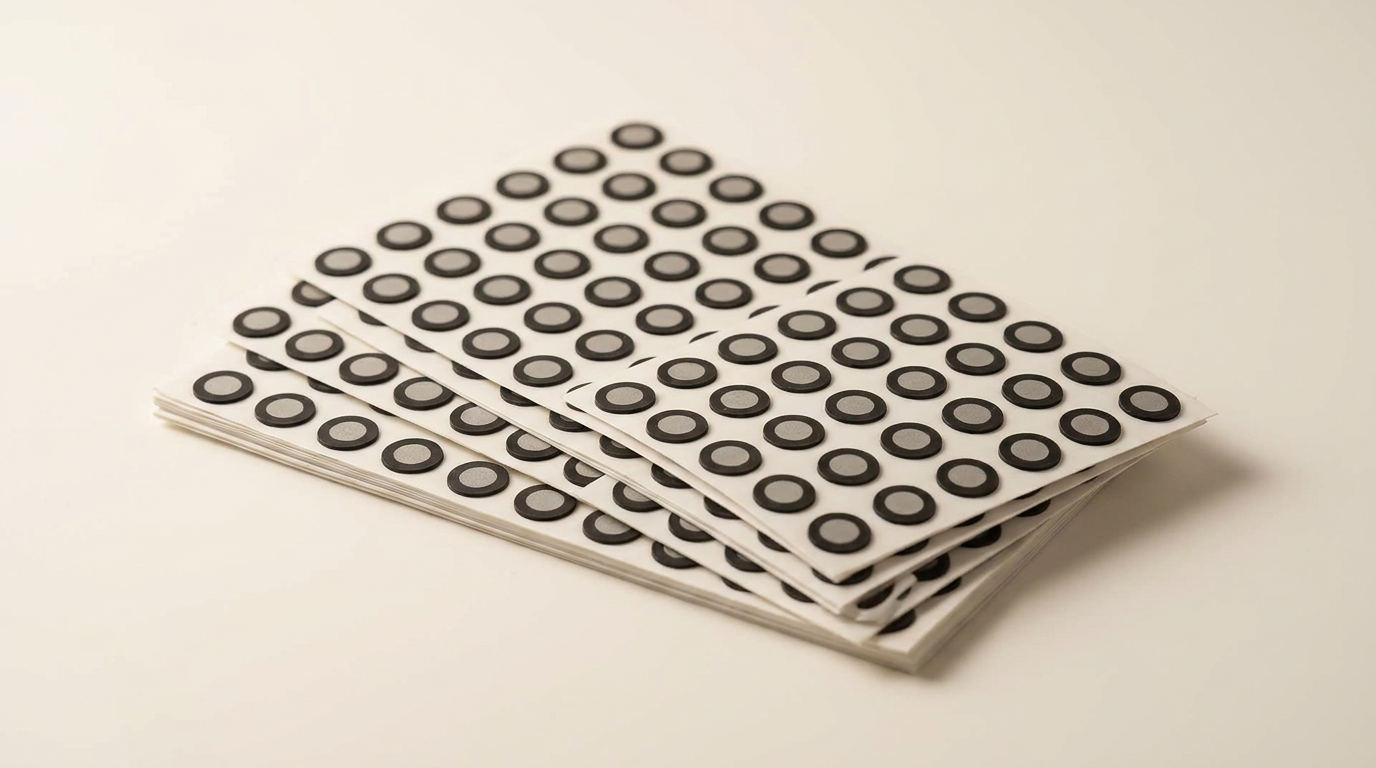
TOSUKKI 6mm Positioning Targets Review: The Refined Generic Choice
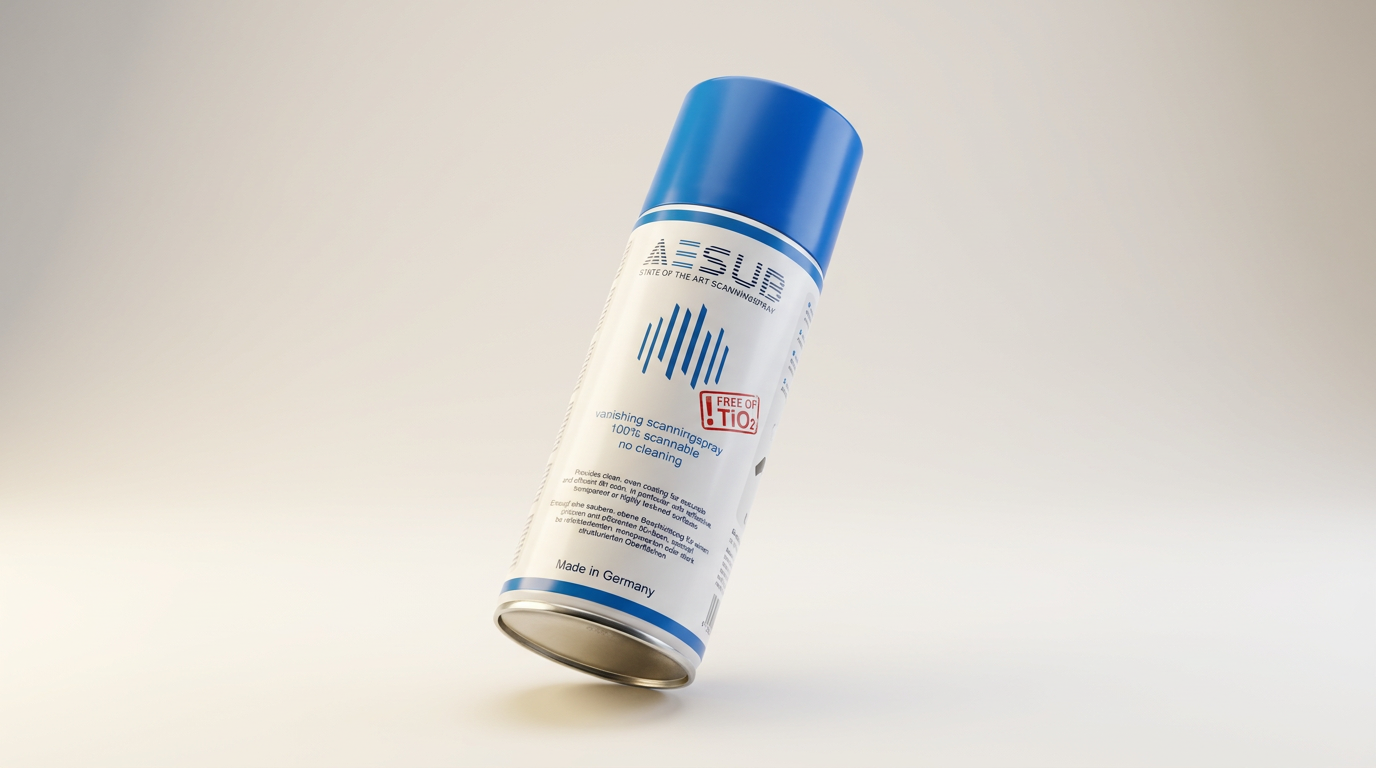
AESUB 3DTOOLS 3D Scanner Spray Review: The 'Evaporative Enabler'
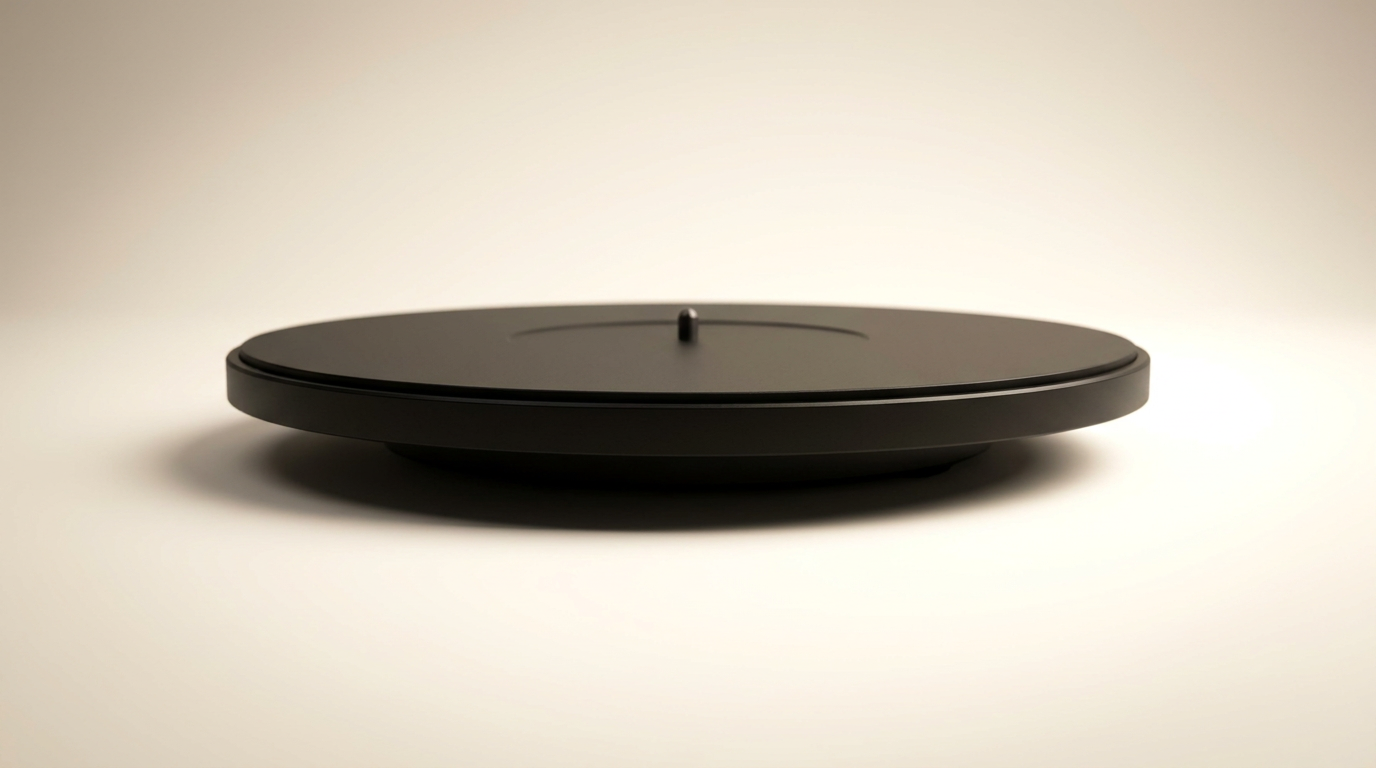
Creality 8-inch Rotating Turntable: A Solid Scanner Accessory

Generic 12 Piece Multi-Angle Markers Review: Essential 3D Scanning Dots
This review is based on real experiences shared by owners in online communities.