Geeetech Mini 3D Printer Review: A Solid Choice for Beginners
By AValidReview. An AI-assisted summary of customer feedback, not a hands-on test.
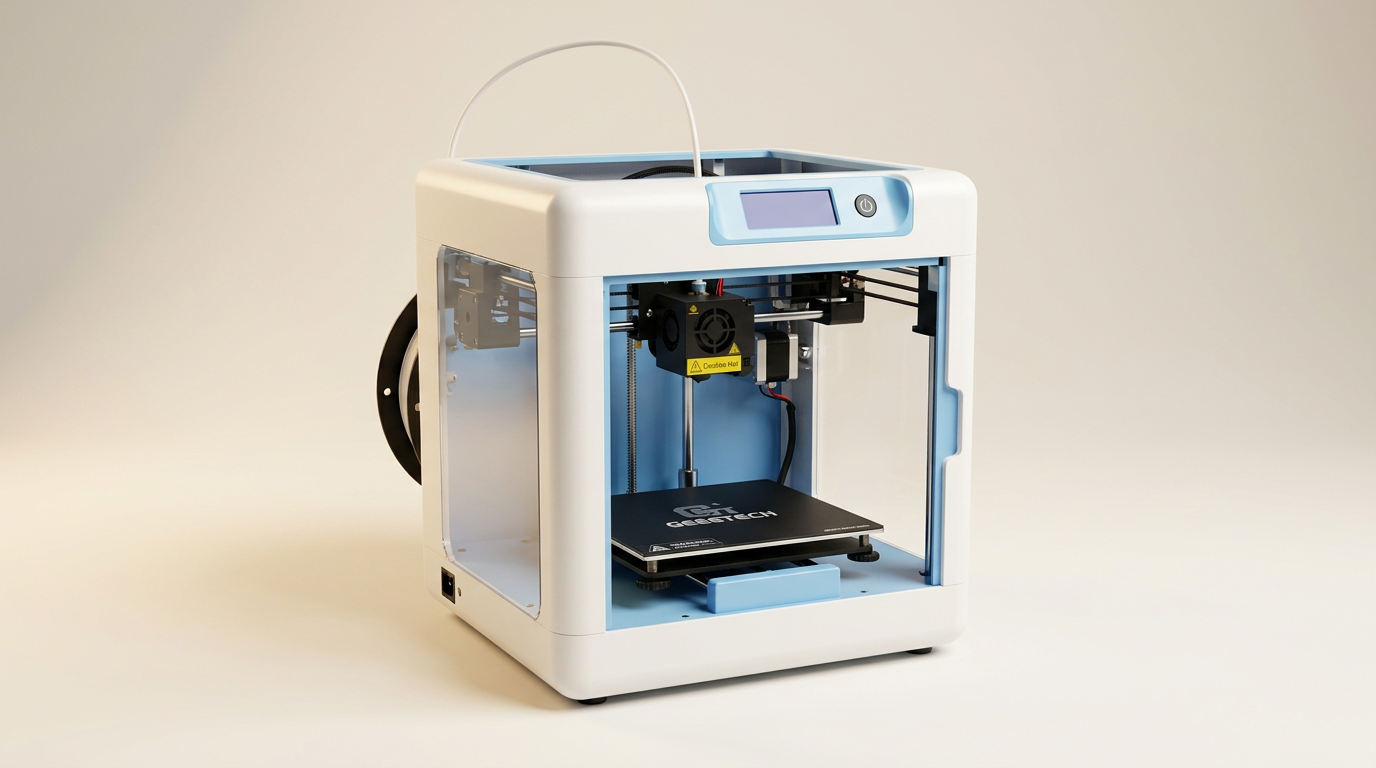
The Geeetech Mini 3D Printer positions itself as an accessible entry point into additive manufacturing, particularly for younger users and those new to the hobby. Promising features like auto-leveling, a direct drive extruder, and a fully assembled design aim to simplify the often-complex world of 3D printing, making it a "plug-n-play" experience. Its compact form factor further suggests suitability for home and classroom environments where space is a consideration.
This review evaluates the Geeetech Mini against its claims, drawing on real-world owner experiences to assess its practical performance and actual ease of use. We examine whether its beginner-friendly features genuinely streamline the printing process and if the output quality holds up to expectations.
Our assessment also considers the printer's longevity and the level of support users can expect, providing a comprehensive view for potential buyers. We distill common praise and recurring criticisms to offer a balanced perspective on whether this mini 3D printer delivers on its promise of turning "complexity into creativity-fueling simplicity."
What owners love
- + Fully assembled and ready to print out of the box
- + Auto-leveling simplifies initial setup and operation
- + Produces high-quality prints for its class and price point
- + Quiet operation suitable for home or classroom settings
- + Direct drive extruder handles various filament types effectively
- + Compact footprint fits easily into small spaces
Common complaints
- − Small build volume limits project scope
- − Included filament spool holder is designed for smaller spools
- − Some owners report early mechanical issues, though customer service response is positive
- − Reliance on an SD card for printing, no Wi-Fi by default
- − Instructions can be unclear for absolute novices
Design & Build
The Geeetech Mini presents a compact, enclosed design that reviewers consistently highlight as kid-friendly and space-efficient. Its "bed slinger" architecture is contained within a cabinet, which satisfied owners consider a safety feature, protecting small hands from hot components and moving parts. The physical build is described as solid, with many noting its robustness for a printer in its class. The 2.4-inch LCD color screen and knob operation contribute to a straightforward interface. The magnetic build plate is a praised inclusion, simplifying model removal and bed cleaning. While generally well-regarded, one owner observed the magnetic build plate can be finicky to install, occasionally getting stuck between the clip and nozzle wiper.
Setup & Ease of Use
A primary draw of the Geeetech Mini is its promise of a near plug-and-play experience. Owners largely confirm this, reporting the printer arrives fully assembled and ready for immediate printing after minimal steps. Initial setup often involves removing protective packaging and zip ties. The auto-leveling feature frequently receives praise for significantly reducing a common pain point in 3D printing, making the device accessible even for children as young as 8-9 years old. The SD card system, preloaded with models, allows for instant printing, further lowering the barrier to entry. Filament loading/unloading is simplified with a one-button function. Despite the overall ease, some advanced users and even a few beginners mentioned the instructions could be clearer, particularly for those with no prior 3D printing exposure.
Performance in Real Use
Print quality from the Geeetech Mini consistently exceeds expectations for a printer in its price bracket. Owners describe prints with "super clean lines" and "adult quality." The direct drive extruder, with its enhanced torque and extrusion force, allows it to handle both PLA and TPU filaments effectively. Print speeds are considered good, with one owner noting it prints "surprisingly fast." The quiet operation is another frequently cited positive, making it suitable for shared living or classroom spaces. While the small build volume (approximately 4x4x4 inches) is a limitation, many users find it adequate for prototyping, small toys, and introductory projects. The inclusion of a file on the SD card to print an adapter for 1kg filament spools addresses a common need, as the printer primarily accommodates 0.5kg spools out of the box.
Software & Ecosystem
The Geeetech Mini utilizes standard slicing software like Cura or Orca, providing flexibility for users who advance beyond the pre-loaded models. This open-source compatibility is a significant advantage, allowing access to a broader ecosystem of slicing profiles and online communities. While the printer promotes a "plug-n-play" style for immediate use, the ability to integrate with feature-rich slicers enables more advanced control over print settings. One minor limitation noted by some owners is the absence of Wi-Fi connectivity as a standard feature, requiring prints to be transferred via SD card. This is typical for printers in its category, but it is a point of comparison for those expecting more modern connectivity options observed in higher-end models.
Value & Reliability
Positioned in the under $300 price range, the Geeetech Mini 3D Printer generally delivers strong value. Positive feedback regarding reliability is common, with many units performing consistently. However, a few owners reported early issues, such as clogged nozzles or general malfunctions, necessitating replacement. In these instances, customer service received strong praise for its responsiveness and willingness to resolve problems, even dispatching entire replacement units. This level of support mitigates concerns about initial defects, reinforcing the overall positive perception of the product's value proposition for its target audience of beginners and children.
Verdict
Buy - The Geeetech Mini 3D Printer offers exceptional ease of use and surprising print quality for its price, making it an ideal starter machine.
This printer is an excellent choice for children, students, or anyone looking to explore 3D printing without a steep learning curve or a significant investment. Its fully assembled nature, auto-leveling, and enclosed design create a user-friendly and safe experience. If you require a compact, quiet printer for small-scale projects and demand strong customer support, this model, typically found in the $200-$300 range, warrants consideration.
However, users seeking a larger build volume for complex projects or those who prioritize the absolute fastest print speeds should manage expectations. While flexible with filament types, the smaller build plate inherently limits project scope. If you are an experienced maker aiming for industrial-scale prints or highly advanced features right out of the box, you might find this printer too constrained.
FAQ
More 3D Printers reviews
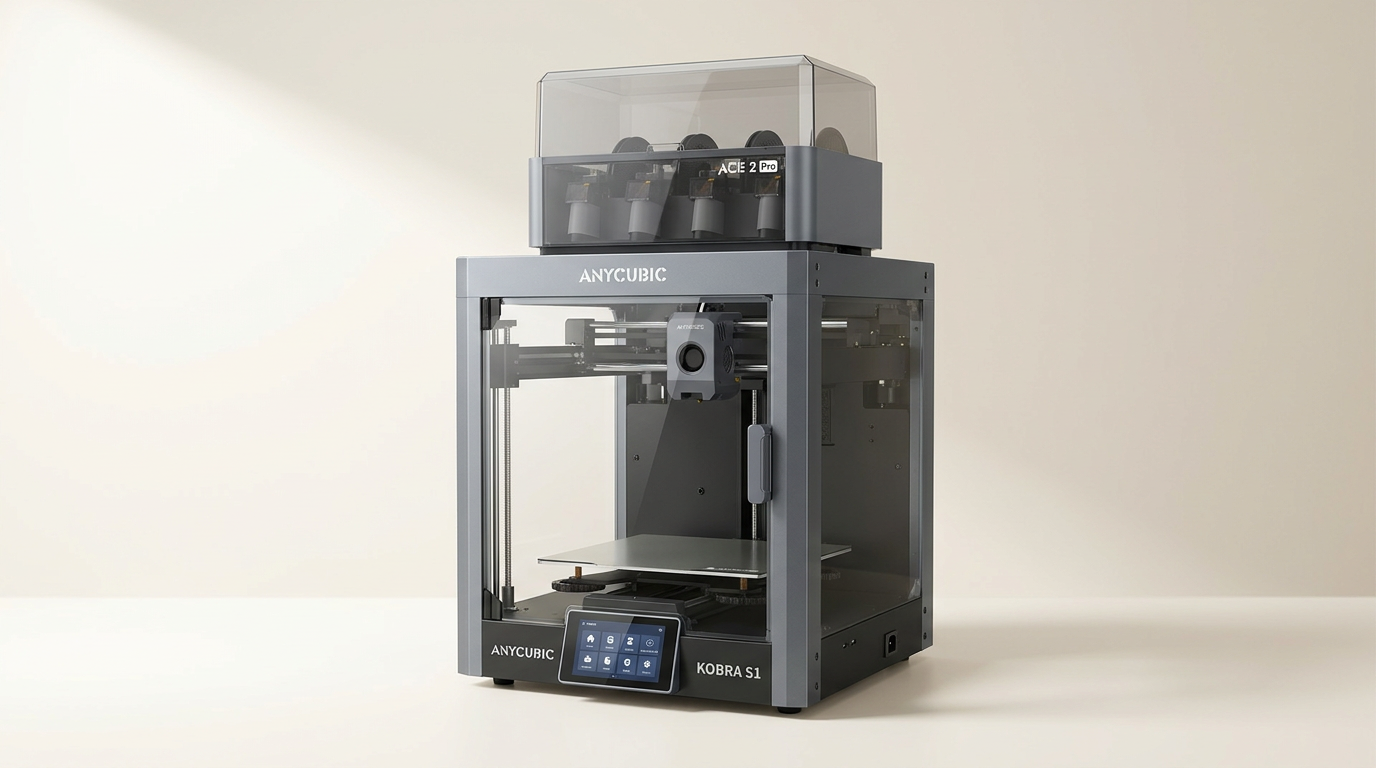
Anycubic Kobra S1 ACE 2 Pro Combo Review: Enclosed Multicolor Value
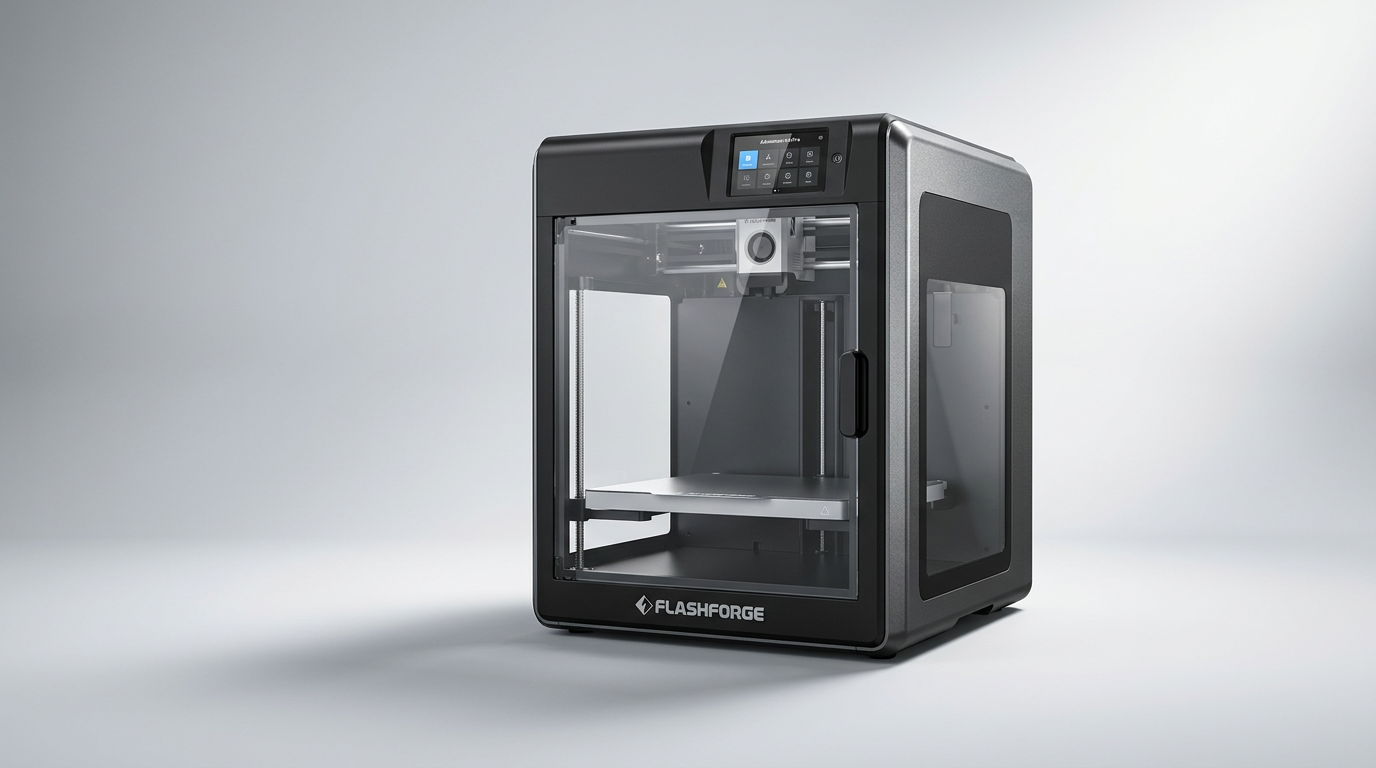
FLASHFORGE AD5M Pro Review: High Speed Enclosure on a Budget
FLASHFORGE Creator 5 Pro Review: Multi-Toolhead Utility
QIDI Q2 3D Printer Review: High-Temp Power at a Consumer Price
Flashforge Adventurer 5M Smooth PC Plate Review
FLASHFORGE Creator 5 Pro Review: Multi-Toolhead Efficiency
This review is based on real experiences shared by owners in online communities.