
FLASHFORGE Rapid PLA: High-Speed Filament for Demanding Projects
This review is based on real experiences shared by owners in online communities.
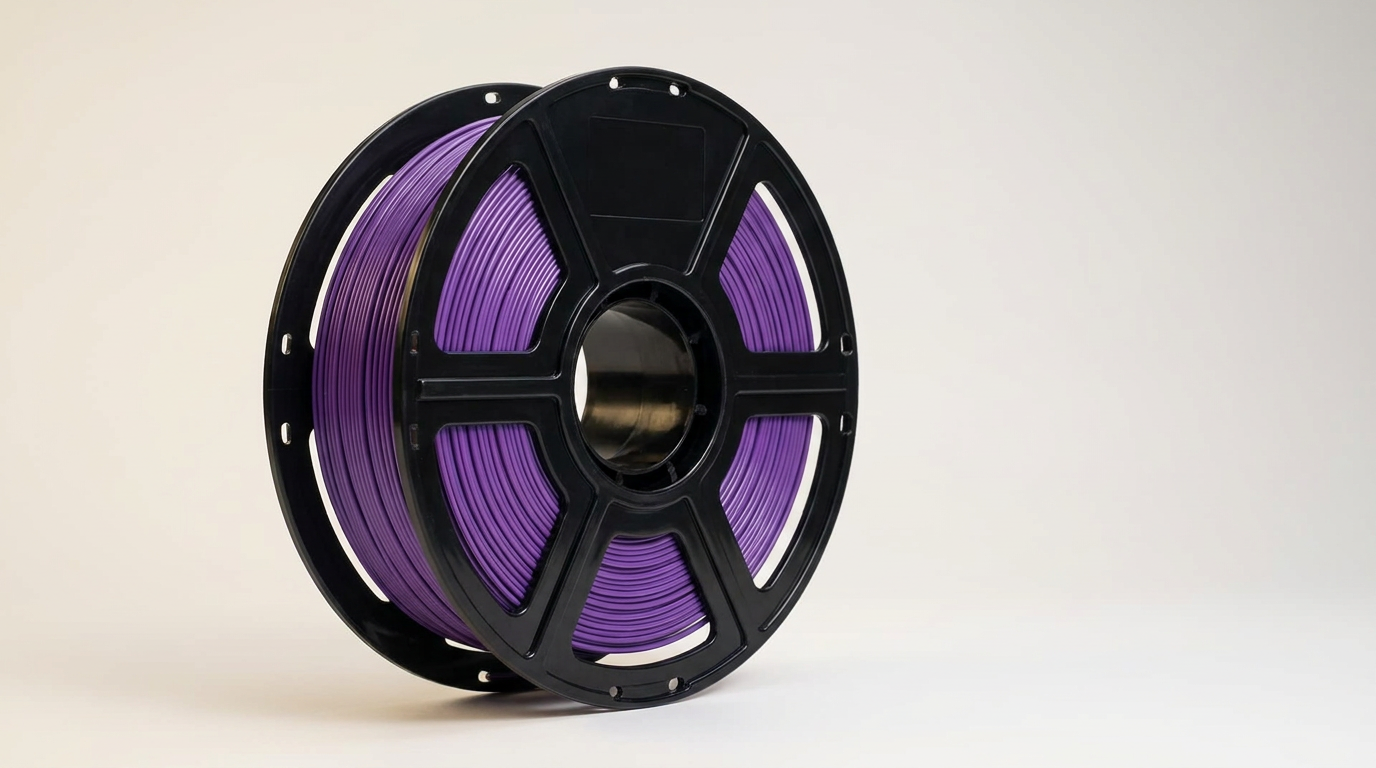
In the accelerating world of 3D printing, filament formulation plays a critical role in achieving both speed and quality. Many manufacturers promise high-speed capabilities, but few deliver without significant compromises on print integrity. The FLASHFORGE Rapid PLA filament enters this arena designed to meet the demands of modern, faster 3D printers, claiming speeds up to 500mm/s while maintaining output quality. The core challenge for any "rapid" filament involves balancing melt flow characteristics with consistent layer adhesion and minimal artifacting at elevated print head velocities.
While the marketing focuses on speed, the true test lies in its ability to deliver consistent results across various high-speed machines and complex geometries. Owners' experiences often reveal the underlying performance, highlighting whether a filament truly enables faster production or merely pushes current machines to their breaking point. This review examines how the FLASHFORGE Rapid PLA positions itself not just as a fast option, but as a reliable material for efficient and visually appealing prints.
This filament embodies what we term the "Speed-Assured Baseline" category: materials engineered to reliably perform at the upper limits of mainstream printer capabilities without requiring extensive re-calibration or specialized drying protocols inherent to more exotic, technical materials. It aims to eliminate a common point of failure for users upgrading to faster machines, allowing them to leverage speed without sacrificing consistency or surface finish. The promise is not just speed, but predictable speed.
What owners love
- + Consistently delivers excellent print quality and surface finish
- + Handles high-speed printing effectively without significant issues
- + Offers vibrant, rich, and often unique color options
- + Exhibits reliable bed adhesion and minimal stringing for most users
- + Provides good value, especially when purchased on sale
Common complaints
- − Some reports of stringing, even after drying
- − Occasional delamination noticed on thin-walled prints
- − Price point is sometimes higher than generic PLA options
- − Limited availability of certain popular colors like Abyssal Purple
Design & Build
The FLASHFORGE Rapid PLA filament is presented as a high-precision material, engineered with a strict 1.75mm diameter and +/- 0.02mm accuracy. This dimensional consistency is crucial for smooth extrusion, particularly at high speeds. Owners routinely note the filament's reliable flow and lack of jamming or clogging, suggesting that the precise manufacturing tolerances translate into tangible benefits during printing. The upgraded winding technology, aimed at reducing tangling, appears to be effective, as users frequently report uninterrupted printing and smooth feeding, contributing to overall print reliability. The physical presentation, including the "Burnt Titanium" and "Aurora Purple" colors, often receives praise, indicating that aesthetic appeal is also a key consideration in its design.
Setup & Ease of Use
One of the standout attributes of this filament is its perceived ease of use. Owners frequently describe it as "easy to print with" and requiring minimal parameter adjustments. Several users mention successful prints with default PLA settings, even on machines like the Prusa Core One L, a testament to its broad compatibility. The filament's excellent bed adhesion is a recurring theme, with reports of firm sticking to heated beds without additional adhesives or surface treatments. This 'plug and play' characteristic addresses a common pain point in 3D printing and aligns with the "Speed-Assured Baseline" concept, minimizing the initial friction often associated with new filament types and high-speed configurations. The ability to achieve quality prints without pre-drying further simplifies the setup process for most users.
Performance in Real Use
The core promise of high-speed printing is largely validated by owner feedback. Users successfully operate this filament at elevated speeds, with some reporting achievement of 500mm/s without significant degradation in quality. The filament maintains strong layer adhesion and produces smooth surfaces, even on intricate designs. Color vibrancy receives particular attention, praised for its richness and fidelity to advertised hues, with many noting that the physical filament often surpasses photographic representations. While the vast majority of experiences highlight near-flawless performance, a few users did report minor stringing, even after drying, and occasional delamination on very thin-walled structures, suggesting that there are still edge cases where print settings or part geometry can push the filament's limits. However, these instances are infrequent in the overall body of feedback, pointing to its general reliability under demanding conditions.
Software & Ecosystem
While FLASHFORGE manufactures its own line of 3D printers, the Rapid PLA filament demonstrates strong interoperability across various printer brands. Owners report successful prints on Bambu Lab P1S, Flashforge AD5X, Flashforge Adventurer 5M, Prusa Core One L, and Flsun T1 Pro machines. This broad compatibility suggests that the filament's material properties are well-tuned to generic high-speed PLA profiles available in popular slicing software. The manufacturer's recommended settings of 220°C are generally consistent with user observations. The filament does not appear to require any proprietary software profiles or unique ecosystem integration to perform optimally, which contributes to its accessibility and adoption across diverse printer setups. This cross-platform utility reinforces its position as a go-to material for a wide range of accelerated printing workflows.
Value & Reliability
The FLASHFORGE Rapid PLA generally represents a strong value proposition. Many owners explicitly state it is 'worth the money' or 'great filament for the price,' especially when found on sale. Its consistent quality and reliability minimize failed prints and wasted material, which contributes to its overall economic value. The stated dimensional accuracy and tangle-free winding contribute directly to its uptime and predictability, reducing user frustration and intervention. Reports of using "almost the entire roll without any issues" underscore its operational dependability. While some users note it can be 'pricey' compared to budget alternatives, the consensus is that the performance benefits a reliable high-speed material justify the investment, particularly for users with faster printers seeking to maximize their efficiency without constant troubleshooting. This positions it as a premium option that delivers on its price.
Verdict
Buy - This filament consistently delivers on its promise of high-speed printing with excellent quality and reliability.
This material is ideal for users with modern, high-speed 3D printers who prioritize efficiency without sacrificing print detail or surface finish. It suits those who require dependable results and appreciate vibrant, aesthetically pleasing outputs. Makers engaged in production runs or complex, time-sensitive projects will find its speed and consistency particularly beneficial. However, budget-conscious users primarily focused on low-cost printing or those with older, slower machines might find the premium price point less advantageous, as its full high-speed capabilities would be underutilized.
The FLASHFORGE Rapid PLA defines the "Accelerated Consistency" segment of the filament market: materials that inherently balance aggressive print velocities with uncompromising output quality. It's not merely a fast filament; it's a stable platform for high-throughput additive manufacturing, making it an essential upgrade for anyone looking to truly leverage the capabilities of their next-generation 3D printer and avoid the 'speed-quality compromise' often found in the hunt for faster prints.
FAQ
More 3D Printer Parts & Accessories reviews
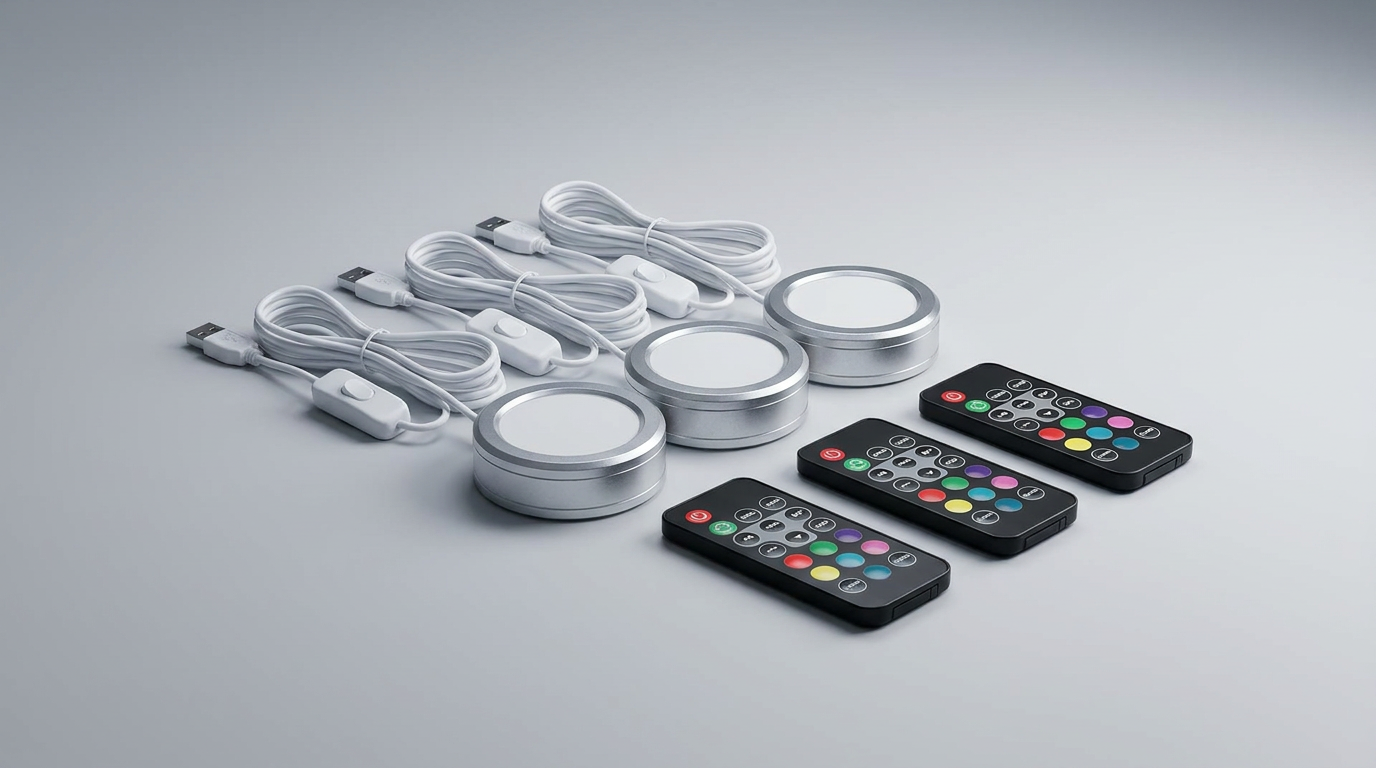
BambooSegD RGB LED Lamp Kit: The 3D Printer Accessory Standard
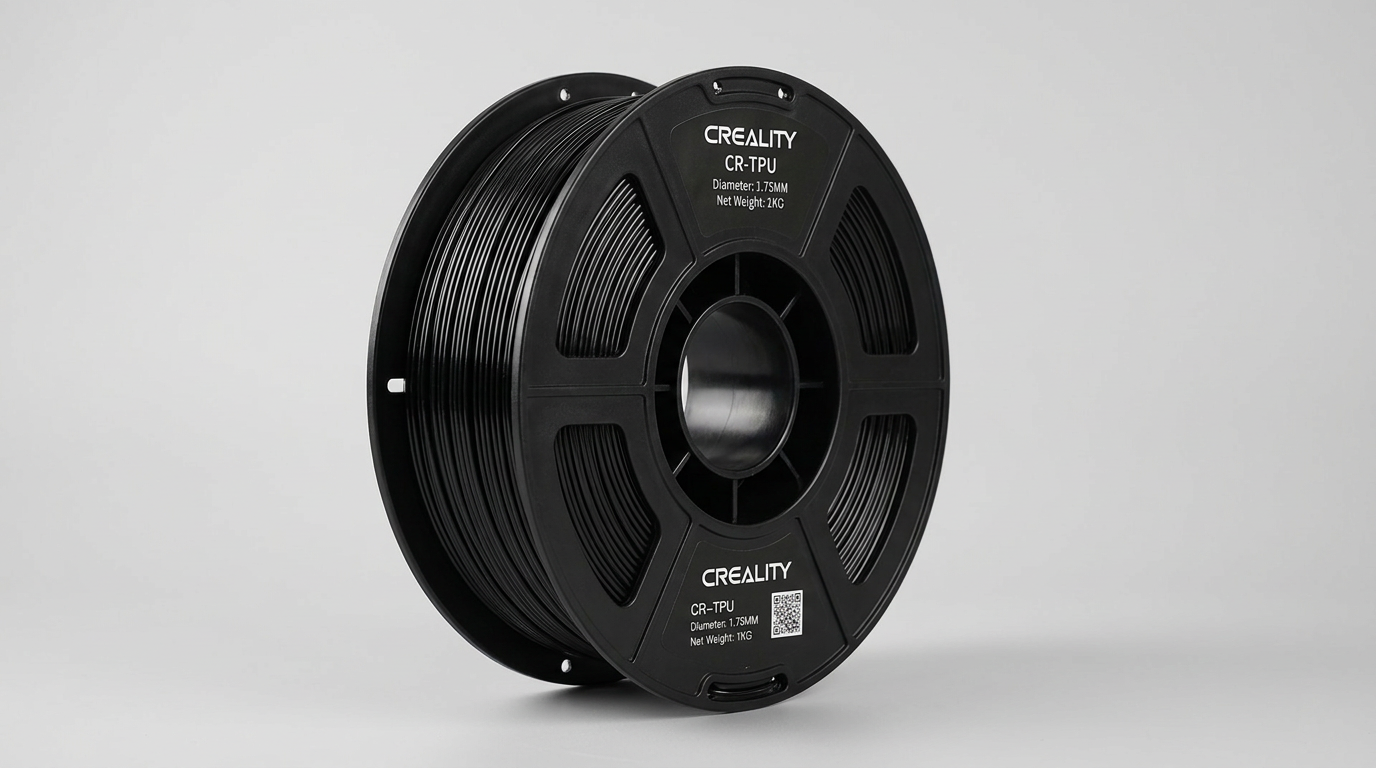
Creality TPU 95A: A Flexible Filament for Patient Printers
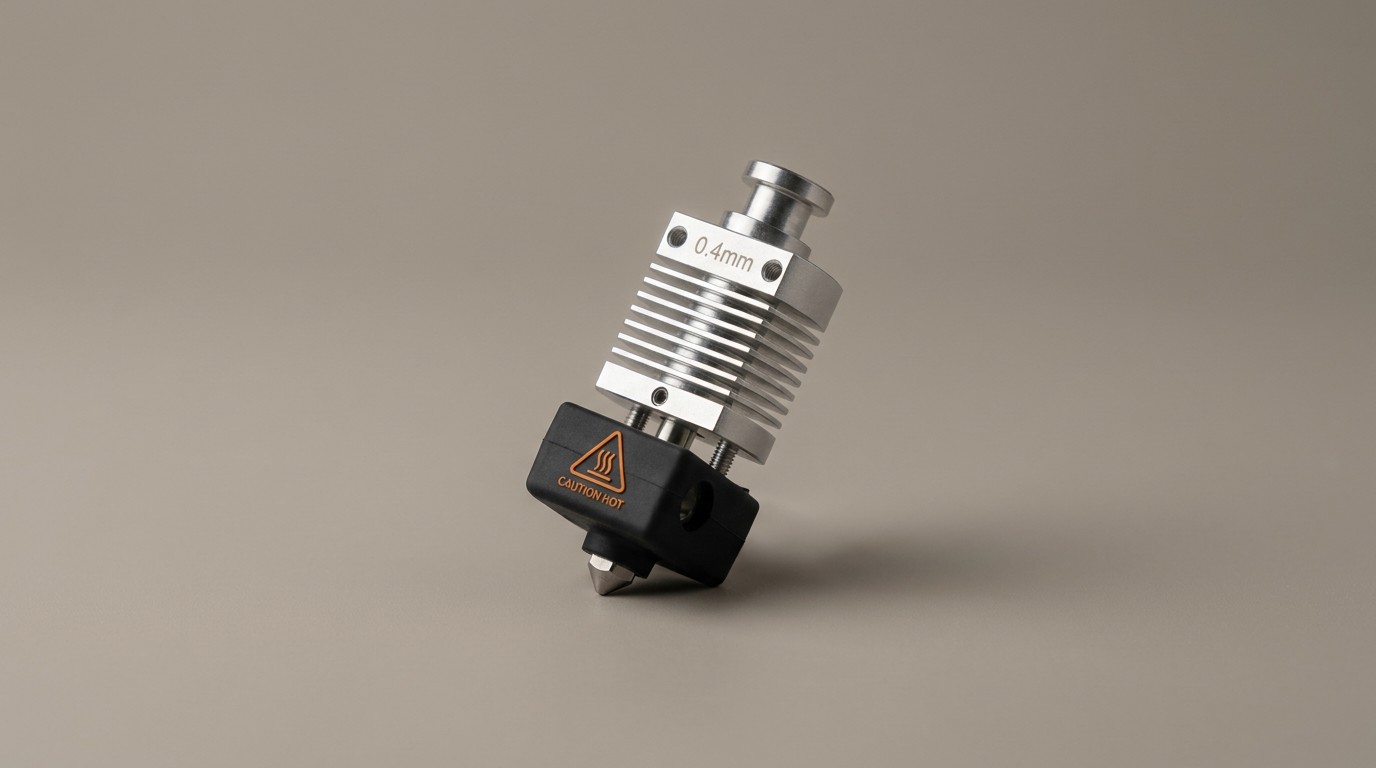
UniTak3D Quick-Swap Hotend 0.4mm Review: A Solid Bambu A1 Alternative
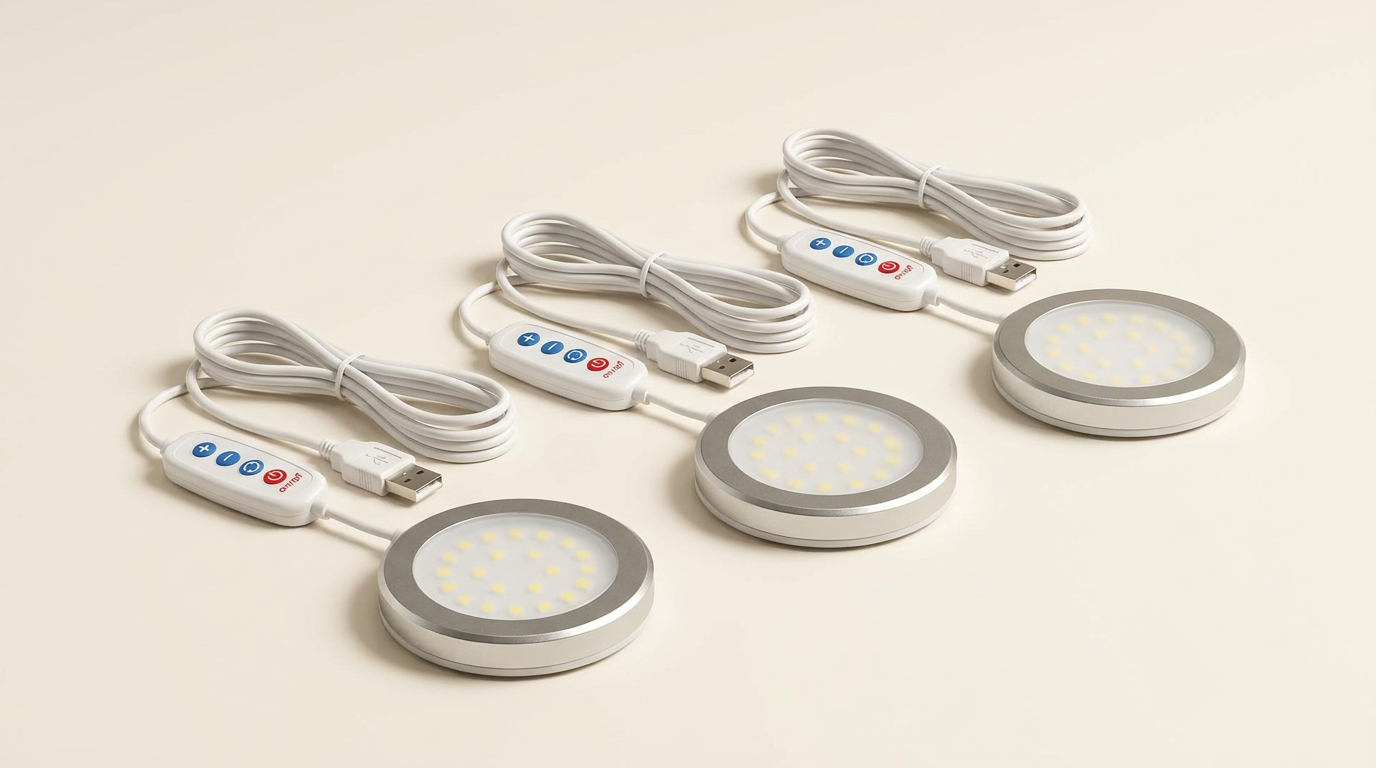
3DZWMAN LED Lamp Kit Review: The Smart Alternative for 3D Print Lighting
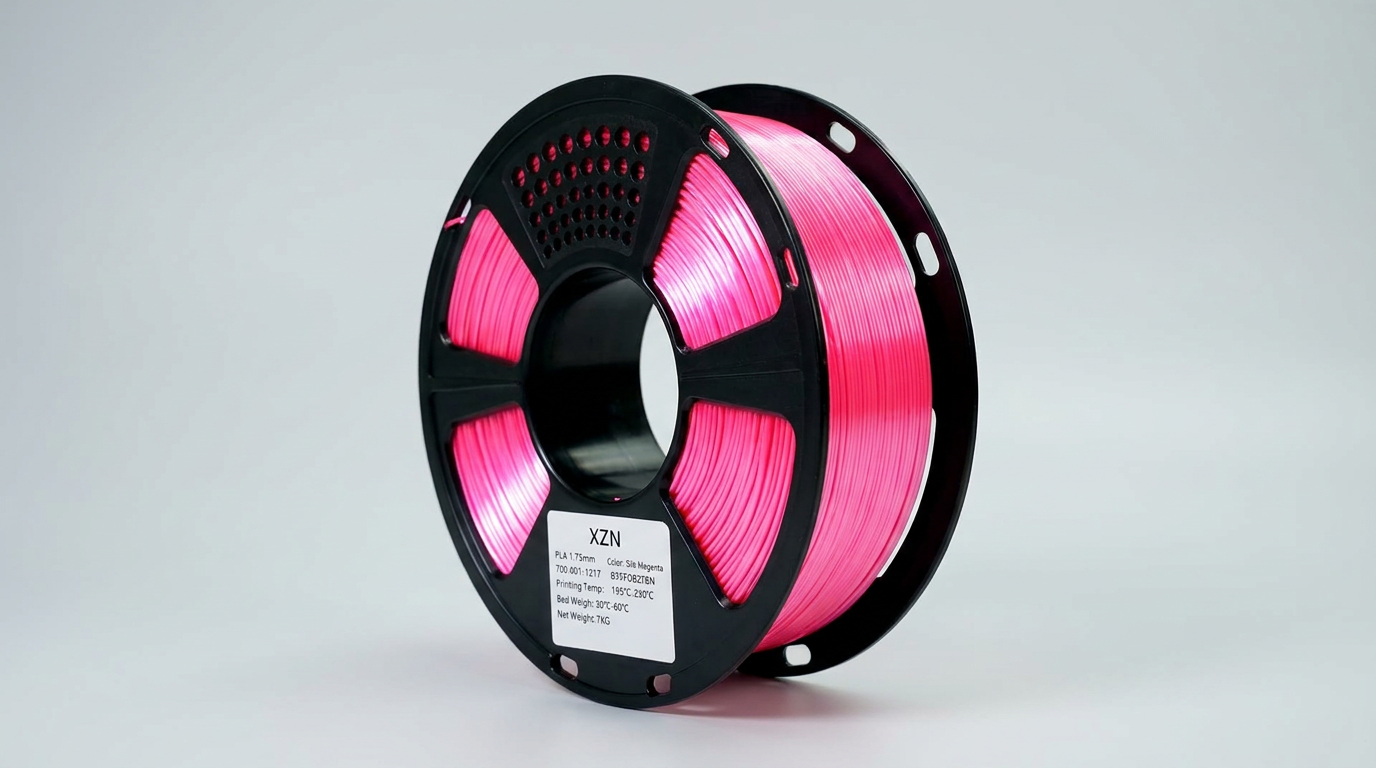
XZN Silk PLA Filament Review: Visual Impact and Printing Consistency
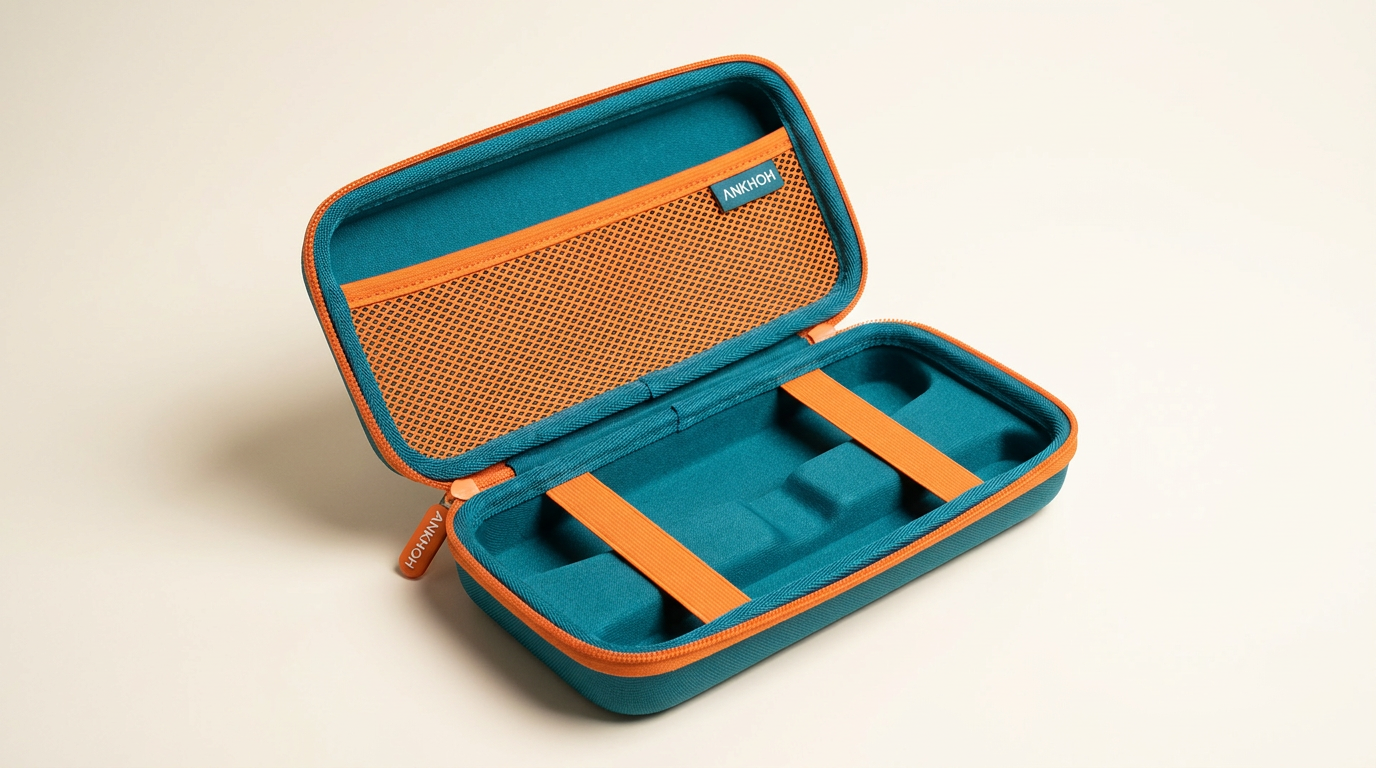
ANKHOH Hard Case for 3Doodler Start+ Review: Essential Organization
This review is based on real experiences shared by owners in online communities.