
Flashforge Adventurer 5M Review: Speed and Accessibility for 3D Printing
This review is based on real experiences shared by owners in online communities.
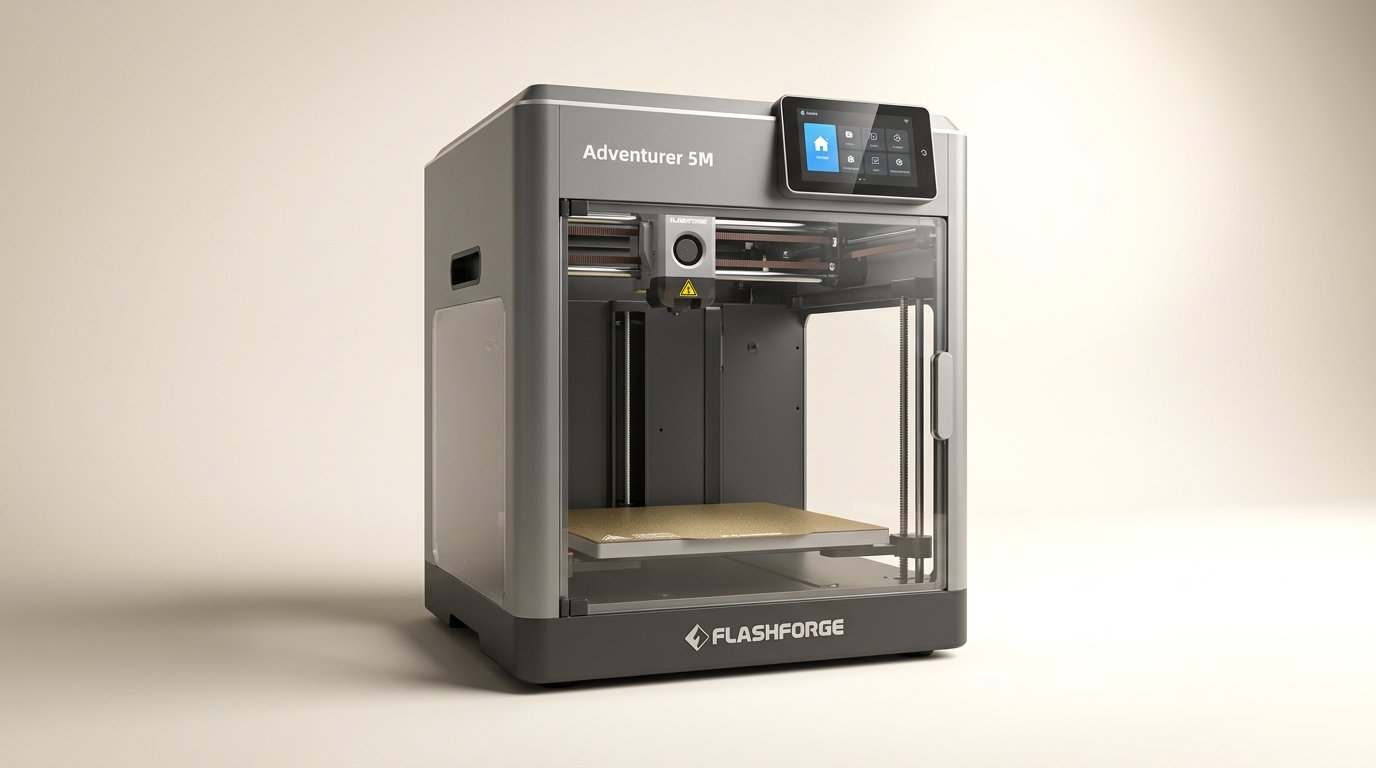
The 3D printing landscape continues to evolve, with faster machines and more user-friendly experiences becoming accessible to a broader audience. The Flashforge Adventurer 5M positions itself in this competitive field, aiming to bridge the gap between high-speed performance and beginner-friendly operation. It promotes capabilities such as rapid print speeds, an auto-leveling system, and a direct drive extruder, all within a price band that appeals to a wide range of users.
Our assessment drills into user experiences, evaluating claims of speed, ease of use, and overall reliability. We examine how well the Adventurer 5M performs in daily operation, from initial setup to producing various prints, and consider its adaptability for more advanced users looking to expand its capabilities through upgrades.
What owners love
- + Delivers exceptional print speed
- + Flawless and quick auto-leveling setup
- + High print quality and first-layer adhesion
- + Easy to use for beginners and advanced users
- + Robust upgrade path with DIY enclosure option
- + Excellent value for its price point
Common complaints
- − Power switch and filament holder located inconveniently at the rear
- − Can experience occasional software glitches with file uploads
- − Can be noisy during operation
- − Extruder issues reported in rare instances
- − Long-term reliability not uniformly guaranteed
Design & Build
The Flashforge Adventurer 5M features a CoreXY frame, a design owners value for its stability and contribution to print quality and speed. The dual linear rails and aluminum frame are noted for reducing resonance, which is crucial for maintaining precision during high-speed operations. The inclusion of a MagSwitch PEI build plate is a practical design choice, allowing quick print removal. For advanced users, the ability to construct a DIY enclosure using printed panels and Flashforge hardware is a significant design feature, enabling wider material compatibility without a substantial upfront cost increase for the Pro model. However, owners consistently point out the less-than-ideal placement of the power switch and filament holder on the printer's rear, which can be awkward during daily use.
Setup & Ease of Use
Setup of the Adventurer 5M is a recurring point of praise, with many owners reporting the printer was operational within minutes, often described as 'plug and play.' The auto-leveling system receives consistent commendation for its accuracy and effectiveness, ensuring reliable first-layer adhesion without user intervention. This ease of setup, combined with intuitive functions, makes the printer highly accessible for beginners. Even younger users manage it independently. While the machinery itself is straightforward, some owners indicate the learning curve actually lies more within understanding slicing software parameters, though readily available resources can assist with this. The quick-swap nozzle system also simplifies maintenance, contributing to overall user-friendliness.
Performance in Real Use
The Adventurer 5M consistently impresses owners with its speed, frequently reducing print times by a significant margin compared to other printers. Many describe the print quality as excellent, with 'professional-grade' results achieved even at high speeds. The printer maintains dimensional accuracy suitable for functional parts and engineering prototypes. Reports indicate reliable operation, with some units surpassing 2000 hours of printing without significant issues. While the printer demonstrates capability in handling filaments like PLA, PETG, and ASA, owners considering more demanding materials such as ABS benefit from the optional enclosure for temperature control. A minority of users, however, encountered initial extruder issues, though these were generally resolved through support channels.
Software & Ecosystem
The printer operates with a Klipper engine, supporting its high-speed capabilities. The Flashforge App provides remote monitoring, enhancing convenience. While the proprietary Orca Flash software is generally easy to use, some owners report limitations in direct 'dialogue' with Orcaslicer, noting it primarily supports print file submission rather than deeper integration. This can present a minor hurdle for users accustomed to more advanced slicing software, though it does not prevent successful prints. The printer's connectivity options include Wi-Fi and Ethernet. One owner noted occasional software attention is required if incorrect files are uploaded, but such issues are reversible.
Value & Reliability
The Flashforge Adventurer 5M is widely regarded as offering exceptional value within its price category, which sits around the $200-$300 range. Owners frequently highlight its robust build and performance, often comparing it favorably to more expensive alternatives. The ability to upgrade the base unit with an enclosure kit, either by purchasing parts or printing components, allows users to expand its capabilities without committing to a higher-priced model upfront. While the majority of owners report high reliability and consistent performance over extended periods, a few experiences suggest that issues, though isolated, can arise, impacting long-term dependability for some. Overall, the printer’s accessible price combined with its feature set makes it a compelling option.
Verdict
Buy - The Flashforge Adventurer 5M provides outstanding speed and ease of use, making it an excellent choice for its price point.
This printer suits beginners seeking a reliable, high-speed entry into 3D printing, as well as experienced hobbyists requiring a dependable machine for rapid prototyping and general printing within a budget, typically under $300. Its straightforward setup and auto-leveling minimize common frustrations, and the upgrade path to an enclosed system adds significant versatility for multi-material printing.
Individuals prioritizing absolute silent operation or those who require full, in-depth integration with third-party slicing software like Orcaslicer might find minor points of friction. While overall reliable, isolated reports of hardware issues suggest that users who demand unwavering, long-term, commercial-grade reliability without any potential for troubleshooting might consider printers in a higher price tier.
FAQ
More 3D Printers reviews
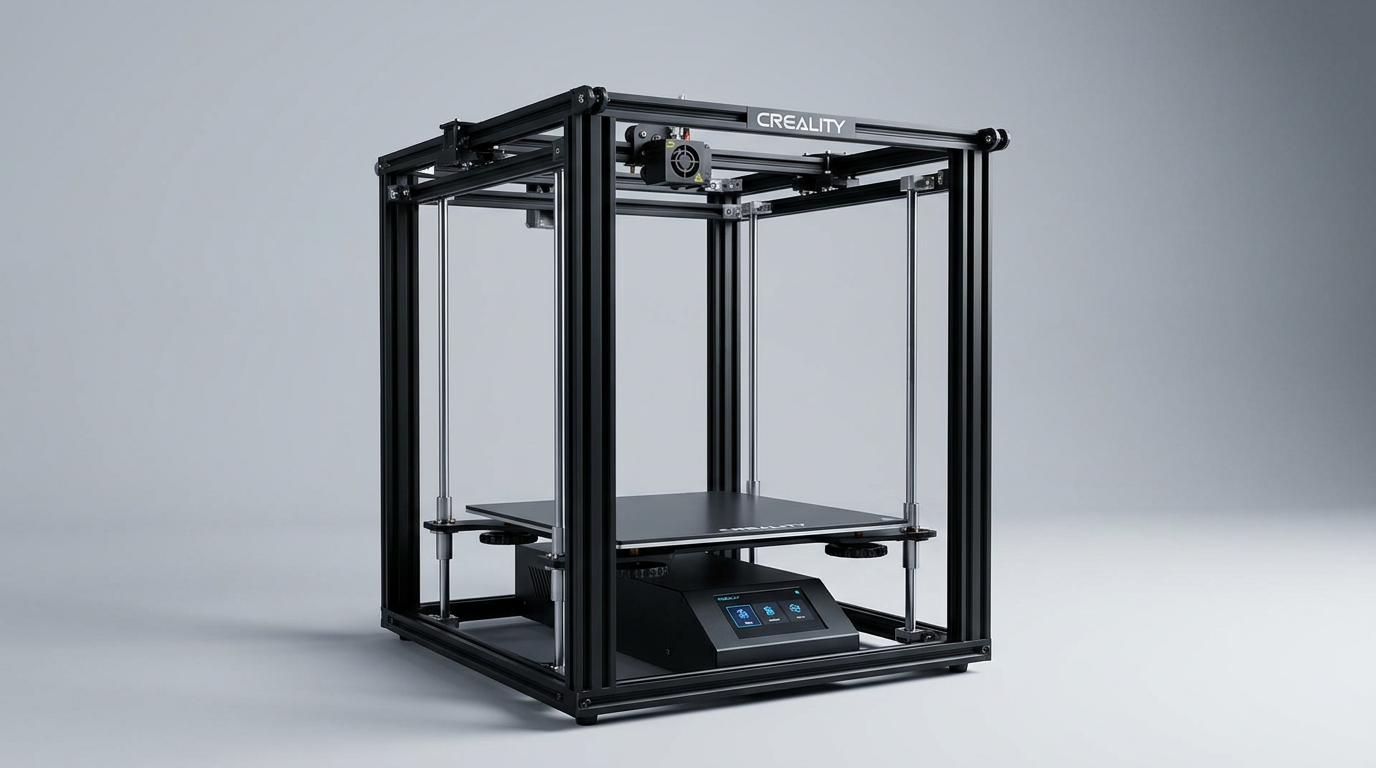
Creality Ender 5 Max Review: A High-Volume CoreXY for Production
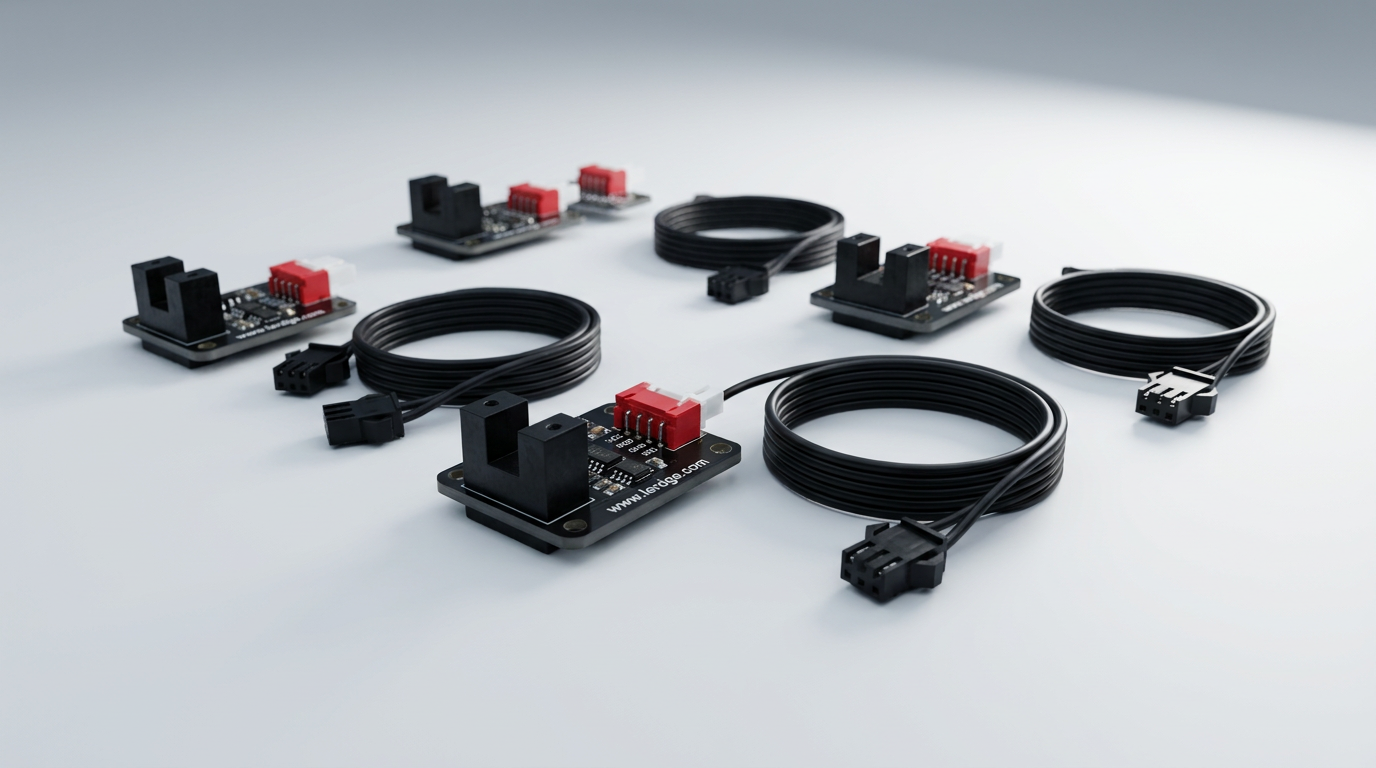
MakerHawk Optical Endstops: Non-Contact Precision for 3D Printers
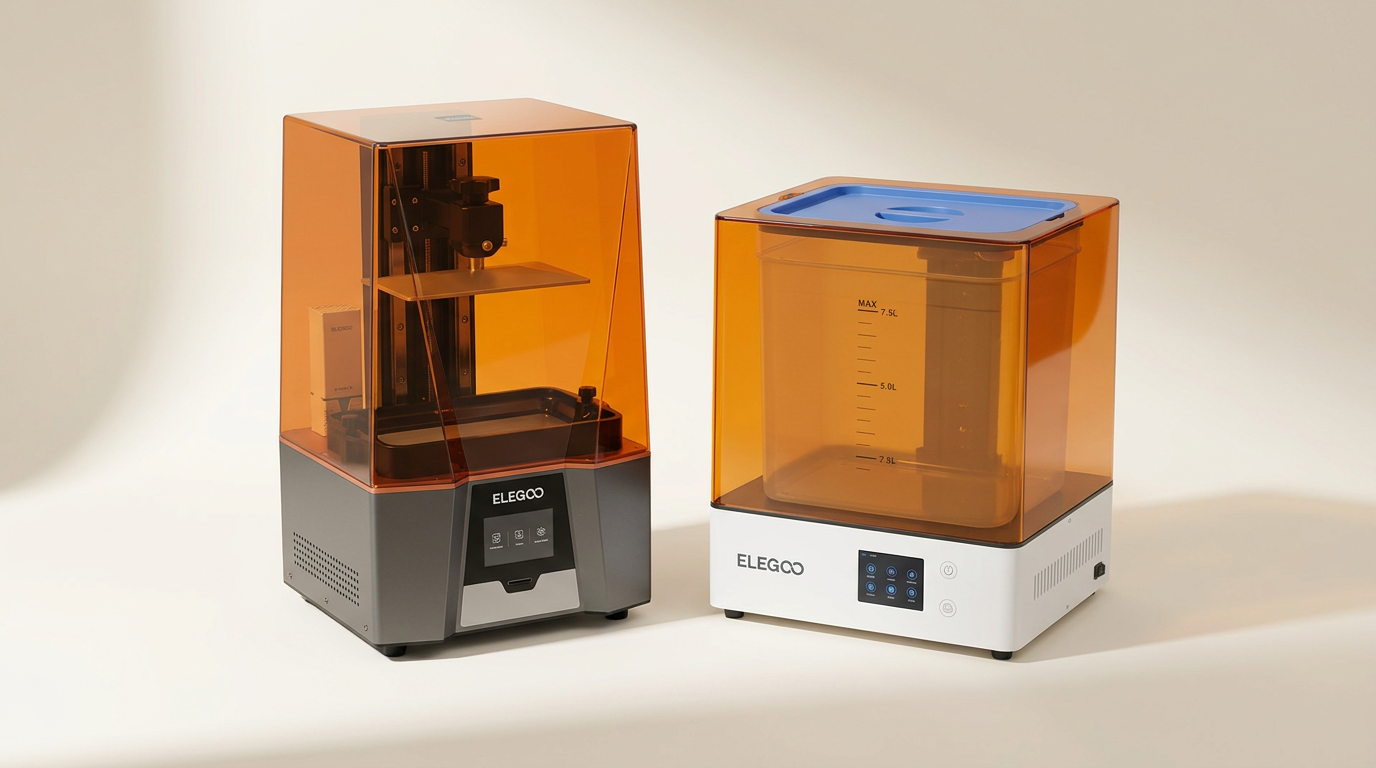
ELEGOO Saturn 4 Ultra 16K Review: The Silent Contender
Odilona 3D Printer Filament Storage Bags Review: A Gamble on Quality
Geeetech Smart 3D Printer Review: A Managed Entry Point
Anycubic ACE Pro Detection Module Review: Essential Upgrade
This review is based on real experiences shared by owners in online communities.