
FLASHFORGE Adventurer 5M Review: Speed and Simplicity for the Novice
This review is based on real experiences shared by owners in online communities.
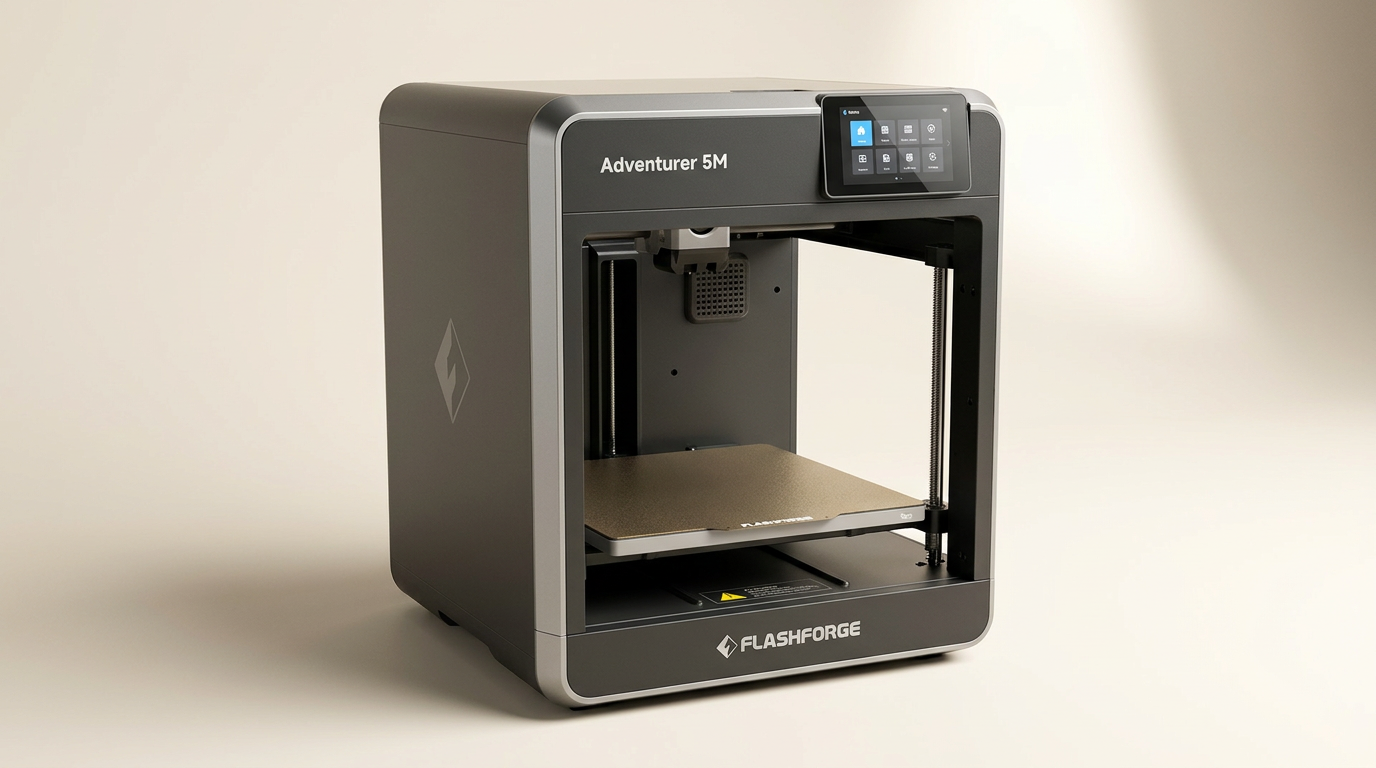
The 3D printing landscape constantly shifts, with manufacturers chasing ever-higher print speeds while simultaneously trying to simplify the user experience. The FLASHFORGE Adventurer 5M arrives in this competitive environment positioning itself as a high-speed, beginner-friendly machine. While many budget printers sacrifice refinement for raw numbers, the Adventurer 5M proposes to deliver both, promising impressive acceleration and a user journey that bypasses the traditional steep learning curve.
This printer targets a crucial segment: users seeking immediate results without the customary tinkering that often accompanies 3D printing. It suggests a future where 3D printers integrate into daily use with minimal friction, moving beyond a hobbyist's niche tool to a more accessible appliance. Our analysis explores whether the Adventurer 5M delivers on this promise, examining its build, performance, and overall utility through the lens of real-world owner experiences.
What most buyers overlook is the underlying philosophy of such a machine. The Adventurer 5M doesn't just print fast; it attempts to redefine the 'first print' experience, aiming for success not just in speed but in accessibility. This review will assess whether its integrated approach to ease of use truly eliminates the common frustrations, creating what we term the 'First Layer Confidence' for new users.
What owners love
- + Exceptionally easy and fast setup, often under 10 minutes
- + Reliable automatic bed leveling ensures consistent first layers
- + Impressive print speed and acceleration for its price point
- + User-friendly interface and streamlined slicing software experience
- + Durable build quality with sustained performance over hundreds of hours
Common complaints
- − Touch screen is less responsive and physically small
- − Filament spool holder placement at the rear can be inconvenient
- − Noise levels are noticeable during high-speed operation
- − Original software may present occasional wireless connectivity issues
- − Not a fully enclosed system, limiting advanced material options
Design & Build
The Adventurer 5M presents a compact, open-frame CoreXY design, a configuration typically reserved for higher-end machines known for stability and speed. Owners consistently describe the printer as sturdy and well-built, often noting its robust metal frame. While the open design necessitates a well-ventilated environment and impacts the types of filaments that can be printed optimally without an enclosure, it contributes to the machine's smaller footprint, making it suitable for limited desk space. The PEI coated steel plate is a recurring positive, providing reliable adhesion for common filaments like PLA and PETG, while remaining flexible for easy print removal. The quick-detachable 280°C nozzle is a design highlight, simplifying maintenance and material changes, a feature many budget printers lack.
Setup & Ease of Use
Flashforge has prioritized a streamlined setup process, a critical factor for entry-level users. Owners frequently report assembly times under 10 minutes, often involving just a few screws. This immediacy contributes significantly to what we term 'First Layer Confidence,' where the user's initial interaction is marked by success rather than frustration. The fully automatic one-click leveling system is a standout feature, eliminating a common pain point for beginners and ensuring consistent print bed calibration. While the integrated touchscreen receives some criticism for its small size and touch sensitivity, many users adapt by using a stylus or external input, praising the clarity and intuitiveness of its menus. The availability of numerous online video tutorials further supports new users in navigating the initial learning phase.
Performance in Real Use
The Adventurer 5M lives up to its billing as a high-speed printer, with owners frequently expressing surprise at its rapid operation. Print speeds of up to 600mm/s and accelerations of 20000 mm/s² translate into significantly reduced print times, a stark contrast to older, slower machines. This speed is achieved without a reported drop in print quality for standard filaments, with many users praising the smooth, accurate outputs. The vibration compensation technology appears effective in mitigating ghosting, a common artifact in high-speed printing. Longevity is also a positive; several owners report hundreds of hours of print time with minimal issues, requiring only routine maintenance. The primary trade-off for this performance, noted by several users, is operational noise, making it less ideal for quiet environments without an aftermarket enclosure.
Software & Ecosystem
The printer generally functions well within Flashforge's own slicing software, with presets that reliably produce quality prints. This integrated approach simplifies the workflow for beginners, acting as a crucial element in reducing friction. However, some owners have noted occasional issues with wireless connectivity, finding that manually inputting the IP address resolves these minor hiccups. The machine also supports third-party slicers like Orca Slicer, allowing more experienced users to fine-tune settings. The filament run-out sensor and power loss recovery features are standard but valuable additions, contributing to successful long prints and reducing material waste. While the default filament spool placement at the rear is a minor ergonomic complaint, some users resolve this through creative DIY modifications, highlighting a small design oversight in an otherwise polished package.
Value & Reliability
At its price point, the Adventurer 5M offers compelling value, delivering performance and features often found in more expensive machines. Owners consistently describe it as a great investment, particularly for beginners. The printer's reliability is a recurring theme, with many reporting trouble-free operation over extended periods. While an isolated incident of a heating element failure was noted, Flashforge's customer support appears responsive in addressing component issues. The machine's consistent operation over hundreds of print hours reinforces its status as a robust option. Its ability to provide a polished experience, minimizing the common frustrations of 3D printing, positions it as a strong contender for those seeking a dependable and accessible entry into the hobby, effectively reducing the 'tinkering tax' often associated with budget 3D printers.
Verdict
Buy - The FLASHFORGE Adventurer 5M offers an exceptional blend of speed, ease of use, and reliability, making it an outstanding choice for beginners.
This printer is ideal for anyone new to 3D printing or experienced users seeking a hassle-free, high-speed workhorse around the $250 price range. Its quick setup, automatic leveling, and robust performance minimize the learning curve, allowing users to achieve successful prints almost immediately. Hobbyists creating small-to-medium objects, or those needing a reliable prototyping tool for electro-mechanical projects, will find significant value. However, users prioritizing extreme quiet operation or needing a fully enclosed system for advanced, temperature-sensitive filaments might consider other options.
The Adventurer 5M embodies a crucial shift in the 3D printing market: the commoditization of competence. It doesn't just lower the entry barrier; it redefines the expectation of what a budget 3D printer can deliver. This machine represents the 'Appliance Phase' of 3D printing, where successful output is the default, not the result of extensive calibration and troubleshooting. It proves that high performance and user-friendliness can coexist, fundamentally altering the perceived difficulty and accessibility of additive manufacturing for the everyday user.
FAQ
More 3D Printers reviews
FLASHFORGE AD5X Review: Multi-Color Printing at Speed
Bambu Lab P1S Combo Review: The 3D Printer for the Making Generation
ANYCUBIC Wash and Cure 3.0 Review: A Post-Processing Necessity
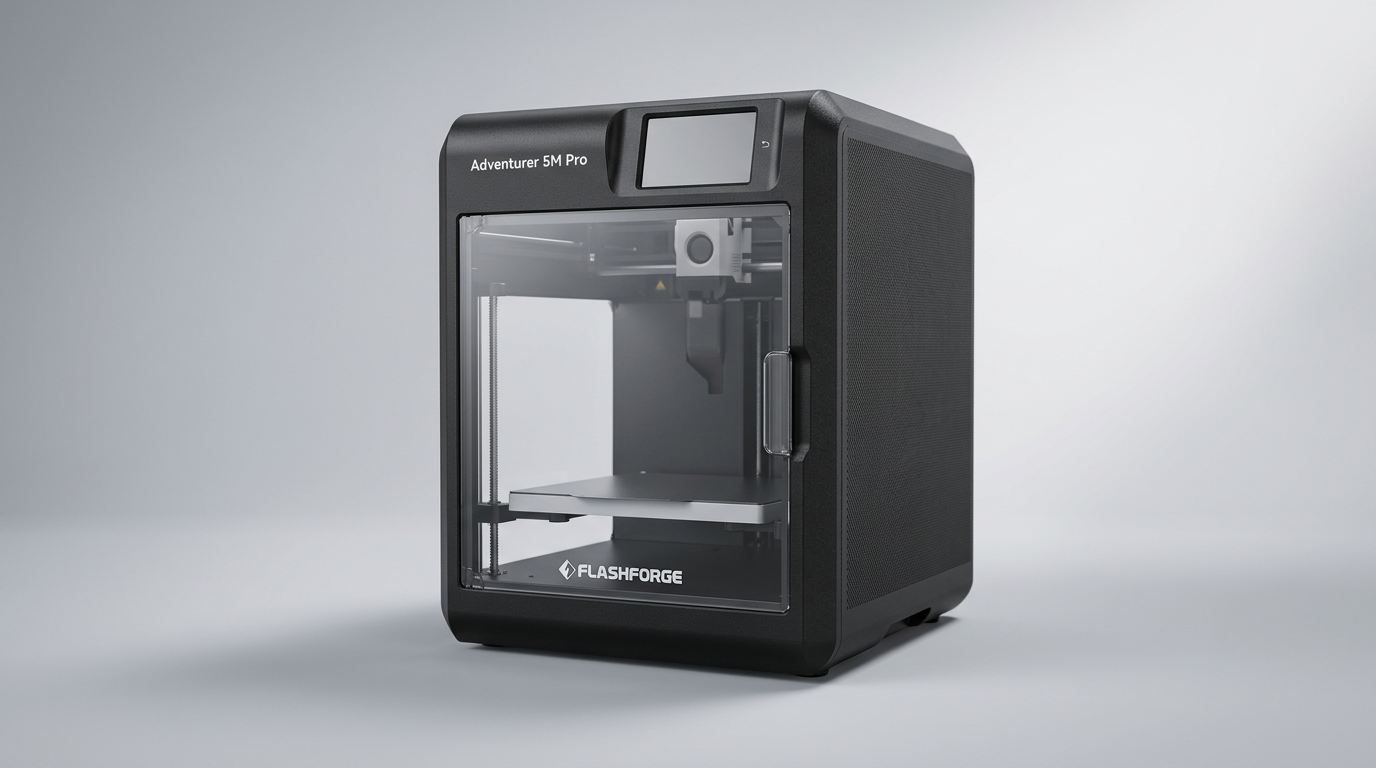
FLASHFORGE Adventurer 5M Pro Review: The Enclosed Beginner 3D Printer
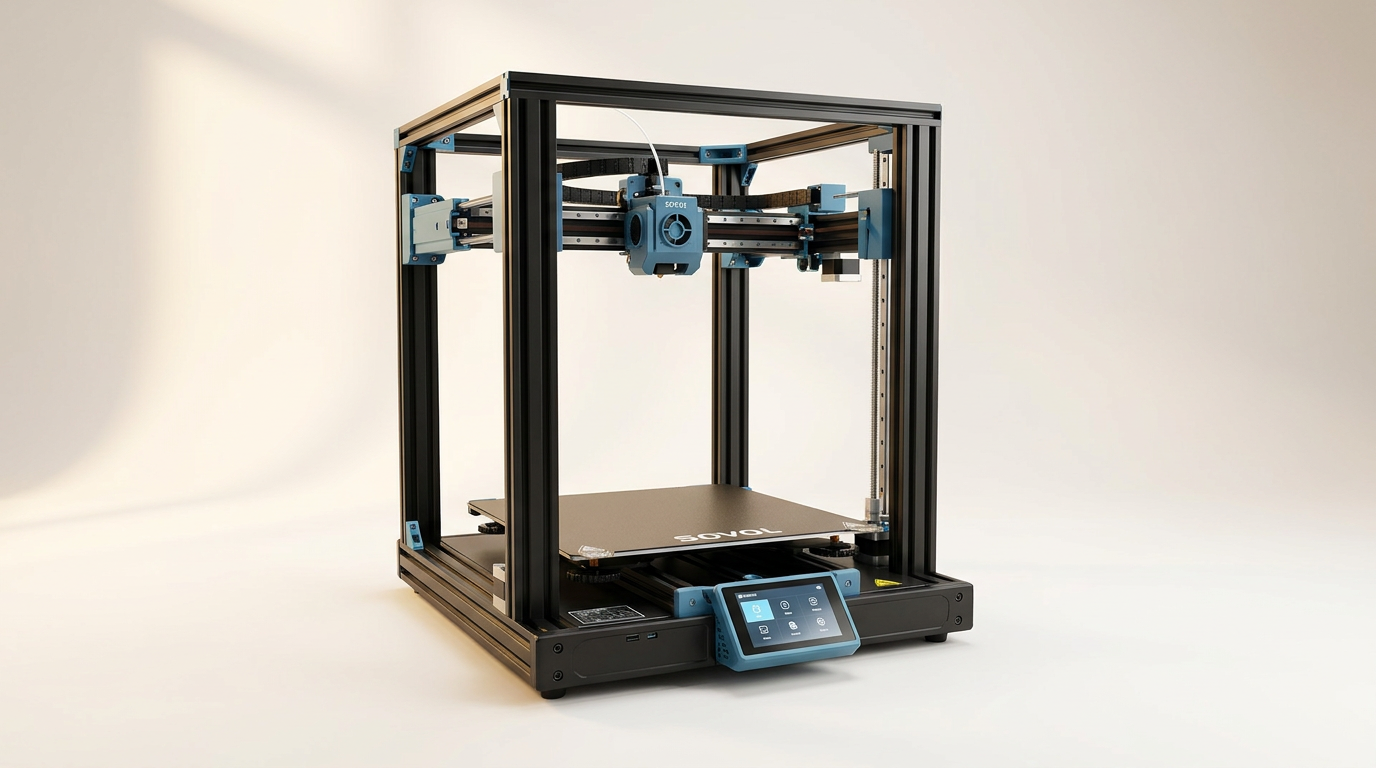
Sovol SV08 Max Review: A Colossal CoreXY Printer for the Committed
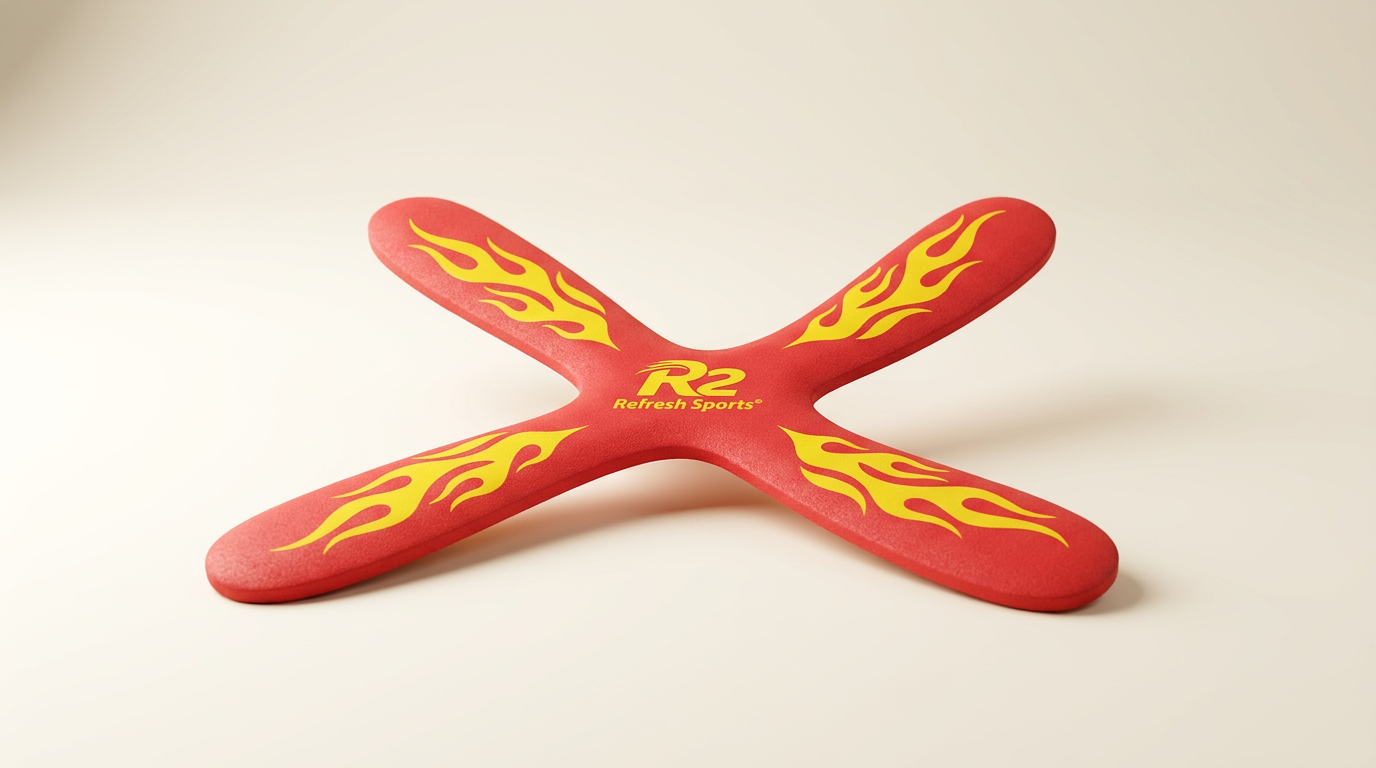
Refresh Sports Boomerang for Kids Review: Fun Returns, But at What Cost?
This review is based on real experiences shared by owners in online communities.