
ANYCUBIC Photon P1 Max Review: Scale Meets Detail
By AValidReview. An AI-assisted summary of customer feedback, not a hands-on test.
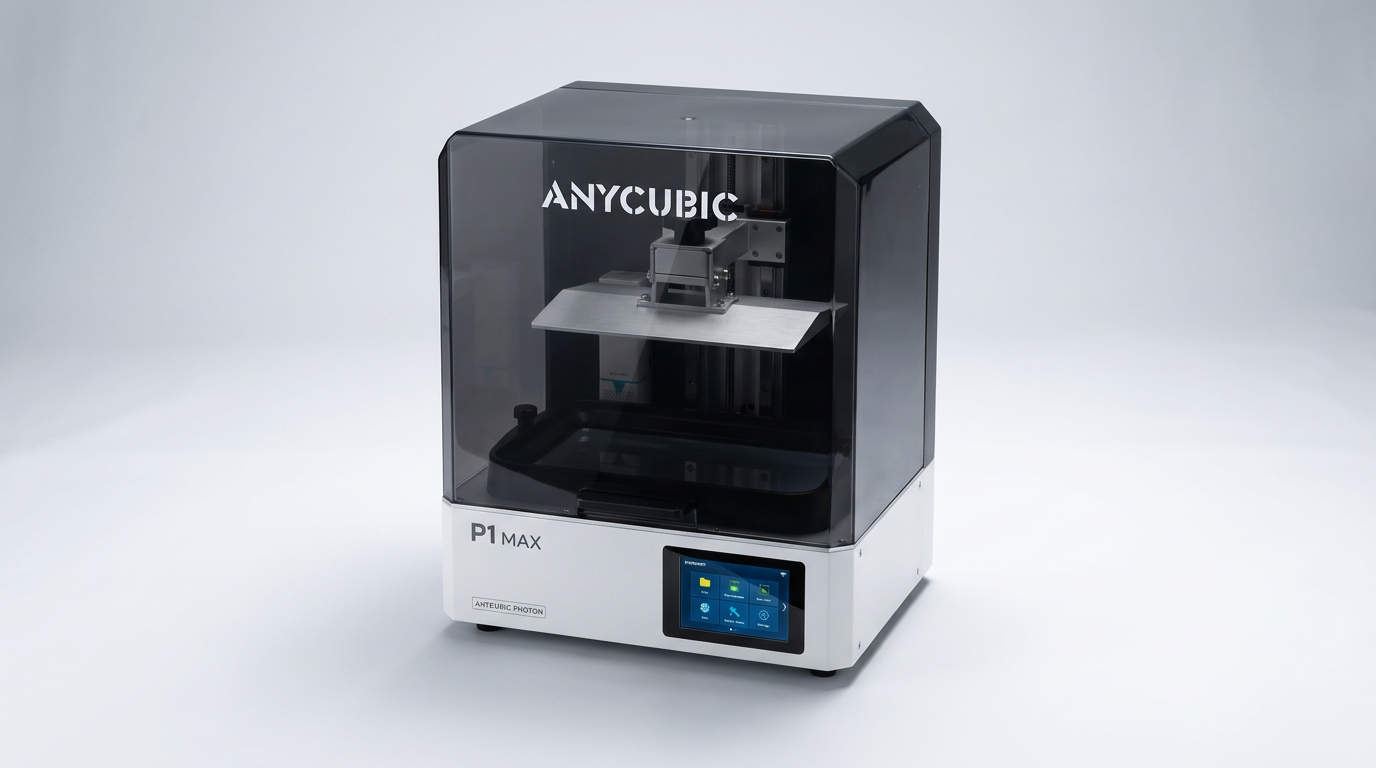
Most makers view resin 3D printing through the lens of miniature fidelity, accepting cramped build envelopes as an unavoidable trade-off for microscopic layer lines. The Anycubic Photon P1 Max directly challenges that paradigm by pairing an expansive 18.3-liter chamber with a 14-inch 12K monochrome LCD. On paper, it promises industrial output at a prosumer price tier well north of $1,000. Yet stepping into this tier triggers what we call the Post-Processing Multiplier: as your print volume scales linearly, the operational friction of cleaning, washing, and chemical management scales exponentially.
This machine quietly targets garage manufacturers, ball-jointed doll sculptors, and prop makers who spend significant bench time sectioning digital models into interlocking fragments. For these users, the Photon P1 Max represents the Single-Plate Throughput Advantage. Eliminating seams, joints, and multi-cycle downtime outweighs almost every other operational metric. However, treating this machine like an oversized desktop appliance is a mistake. Its physical presence commands dedicated floor space, heavy-duty ventilation, and serious downstream processing equipment.
What owners love
- + Expansive 18.3-liter build envelope eliminates splitting large digital models
- + Sharp 12K monochrome panel maintains crisp 24.8-micron pixel density across 14 inches
- + Heated 1,900ml vat stabilizes resin viscosity in cold workshop environments
- + Hinged lid significantly eases access compared to cumbersome lift-off covers
- + Reliable factory auto-leveling functions right out of the crate
Common complaints
- − Massive physical footprint requires specialized washing, curing, and venting setups
- − Factory wave screen protector is difficult and tedious to replace
- − Occasional quality-control duds reported, including dead LCDs and power supply faults
Design & Build
The Photon P1 Max is an imposing machine built around industrial mechanical standards. The Z-axis rides on C7-grade ball screws supported by dual linear guide rails, achieving the rigid vertical stability required to lift large cross-sections out of a resin vat without layer shifting. Anycubic wisely chose a rear-hinged lid design rather than a traditional lift-off acrylic dome. For an enclosure this tall, removing and stashing an oversized plastic shell while wearing contaminated nitrile gloves is an ergonomic disaster; the hinge resolves that frustration entirely. The integrated 1,900ml heated resin vat is another thoughtful piece of engineering. By actively warming resin up to 35 degrees Celsius, the machine mitigates viscosity shifts caused by drafty garages or basement workshops, avoiding separation and flow-related print failures before they start.
Setup & Ease of Use
Unboxing and commissioning a large-format resin printer is typically fraught with delicate tramming rituals, but the P1 Max bypasses this friction. The company implements its Auto-Leveling 3.0 routine, which utilizes internal force sensors to detect zero-plane positioning automatically. Multiple owners confirm printing successful full-plate jobs within an hour of opening the crate without ever touching a manual leveling bolt. Network connectivity is equally straightforward, with Wi-Fi linking quickly to the companion ecosystem. The one glaring maintenance headache during early ownership involves the screen protection layer: replacing the pre-installed wave protector is a finicky, adhesive-heavy ordeal that requires extreme patience to avoid damaging the underlying 14-inch monochrome panel.
Performance in Real Use
Print quality from the 14-inch 12K screen is exceptionally crisp. Despite the sheer area of the build plate, the 24.8-micron square pixel size ensures that fine textures on 75mm figurines, scale models, and structural doll joints render without visible stepping or pixelation. Speed is where the machine establishes its value. While individual layer exposure times remain consistent with standard monochrome printers, throughput improves through batch consolidation. Printing an entire articulated figure or a dozen large miniatures in a single multi-hour run eliminates the cumulative cooldown, cleanup, and prep downtime required by smaller machines. Reliability during continuous production runs is consistently high, provided the build plate is kept clean and resin profiles are appropriately dialed in.
Software & Ecosystem
The P1 Max integrates cleanly with modern slicer environments and Anycubic's mobile platform. While many experienced operators remain skeptical of cloud-linked 3D printers, owners routinely praise the remote monitoring and dispatch functions, which allow workshop monitoring without hovering directly over the machine. The larger consideration is environmental containment. Handling nearly two liters of liquid photopolymer in an open vat generates substantial vapor. Operating this machine safely requires dedicated enclosure solutions, such as ventilation tents or ducted fan systems leading outside, along with oversized wash containers that can accommodate a build plate measuring nearly 300 millimeters across.
Value & Reliability
Positioned well north of $1,000, the Photon P1 Max represents a significant capital outlay for an additive manufacturing tool. It costs substantially more than standard mid-size printers, but undercuts traditional industrial workstations by a wide margin. Long-term reliability shows a slight split: while the vast majority of units churn through liters of resin without failure, early hardware defects do occur. Isolated owners report catastrophic power supply failures on first boot or LCD panels failing within their first week of service. Anycubic customer support has demonstrated an active willingness to dispatch replacement parts and swap defective printers under warranty, but buyers should conduct rigorous burn-in tests immediately upon delivery.
Verdict
Buy - A specialized powerhouse that eliminates multi-part assembly at the cost of demanding downstream infrastructure.
This printer is tailor-made for small-scale manufacturers, prop studios, and artisan modelers who lose valuable shop hours sectioning, gluing, and seam-finishing fragmented prints. The heated vat and hands-off leveling ensure high success rates on large-format runs that would otherwise represent massive resin-waste risks. Conversely, casual hobbyists, tabletop miniature collectors with modest output needs, and apartment dwellers should steer clear. If you lack the floor space for industrial-sized wash tanks and active vapor extraction, the sheer volume of this machine will quickly become a liability.
The Photon P1 Max proves that the modern bottleneck in resin printing has shifted from screen resolution and bed leveling to pure chemical logistics. Anycubic has mastered the mechanics of large-scale photopolymer curing, leaving workshop management as the final frontier for the operator to conquer.
FAQ
More 3D Printers reviews
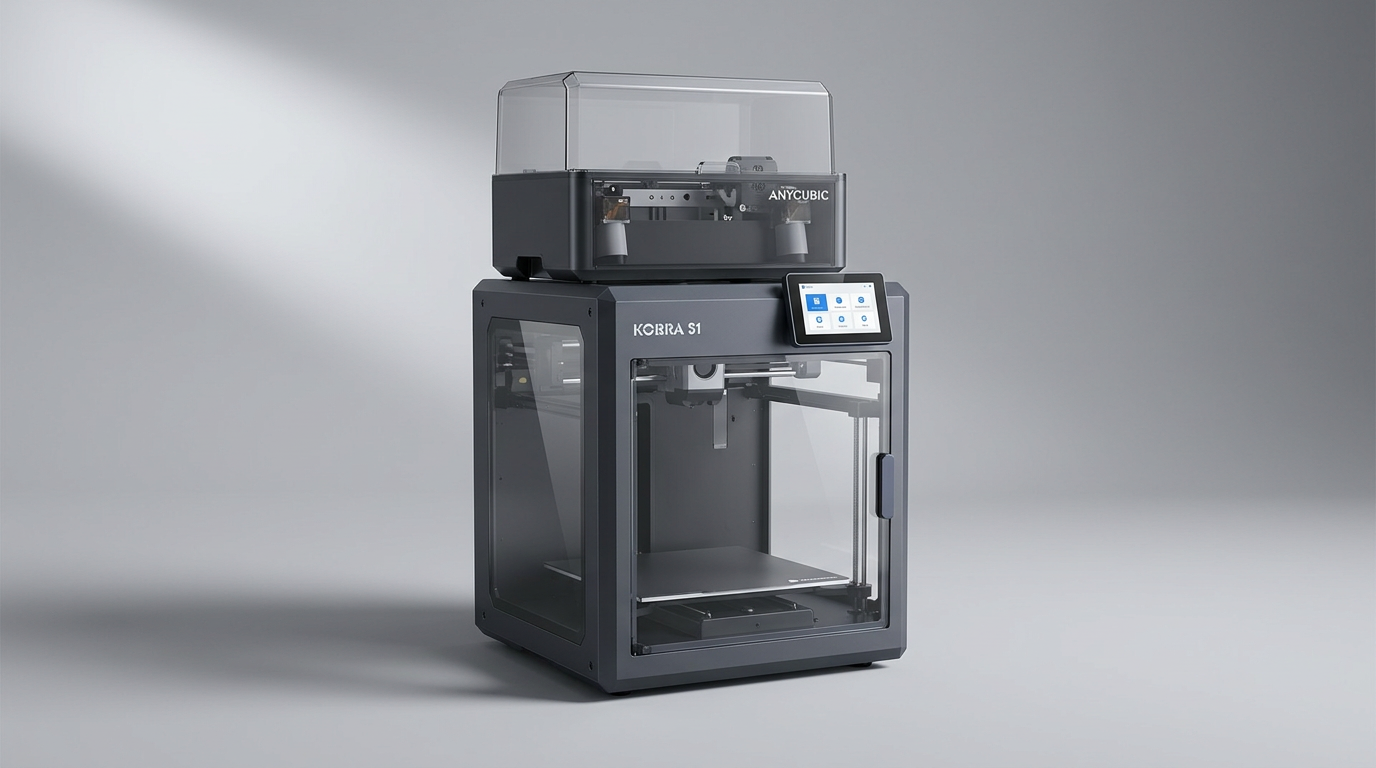
Anycubic Kobra S1 ACE 2 Pro Combo 3D Printer Review
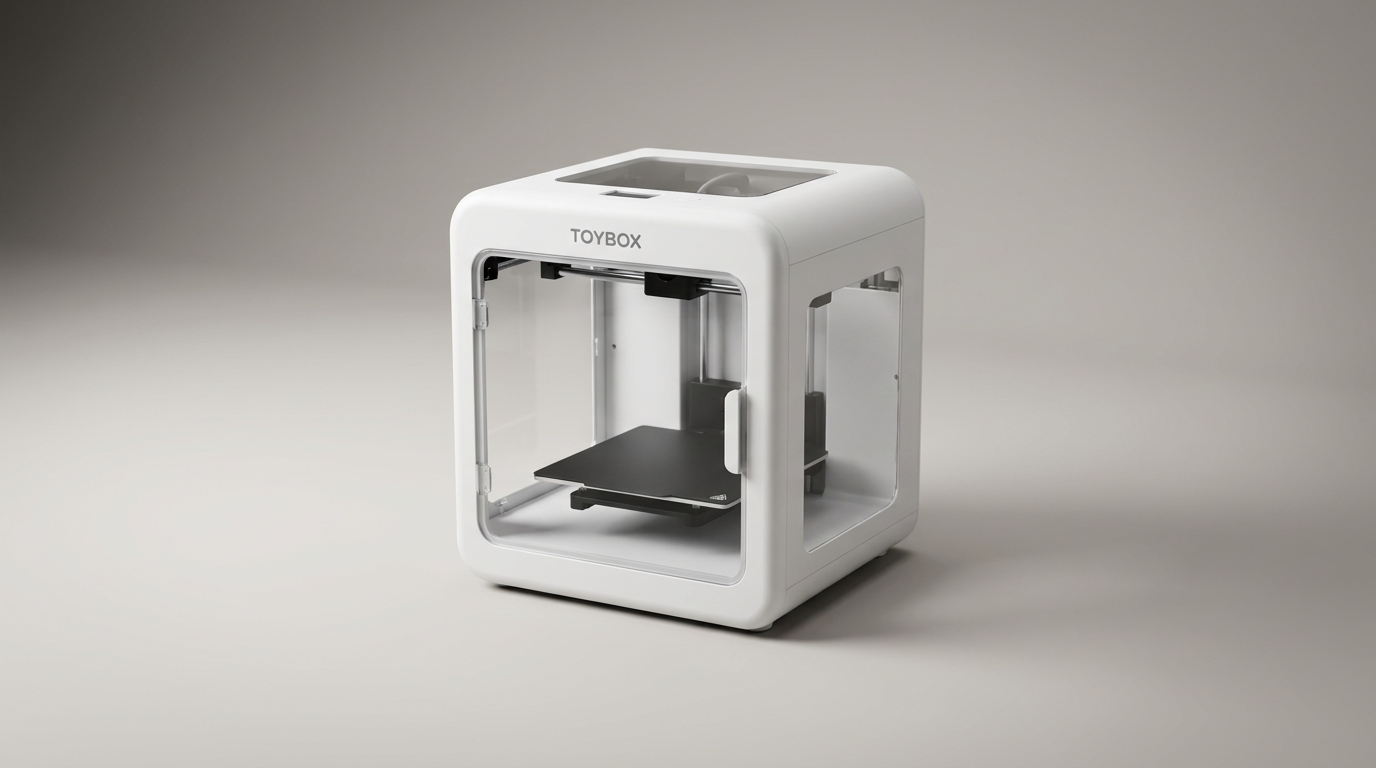
Toybox Alpha Two 3D Printer Review: The Zero-Fuss Toy Factory
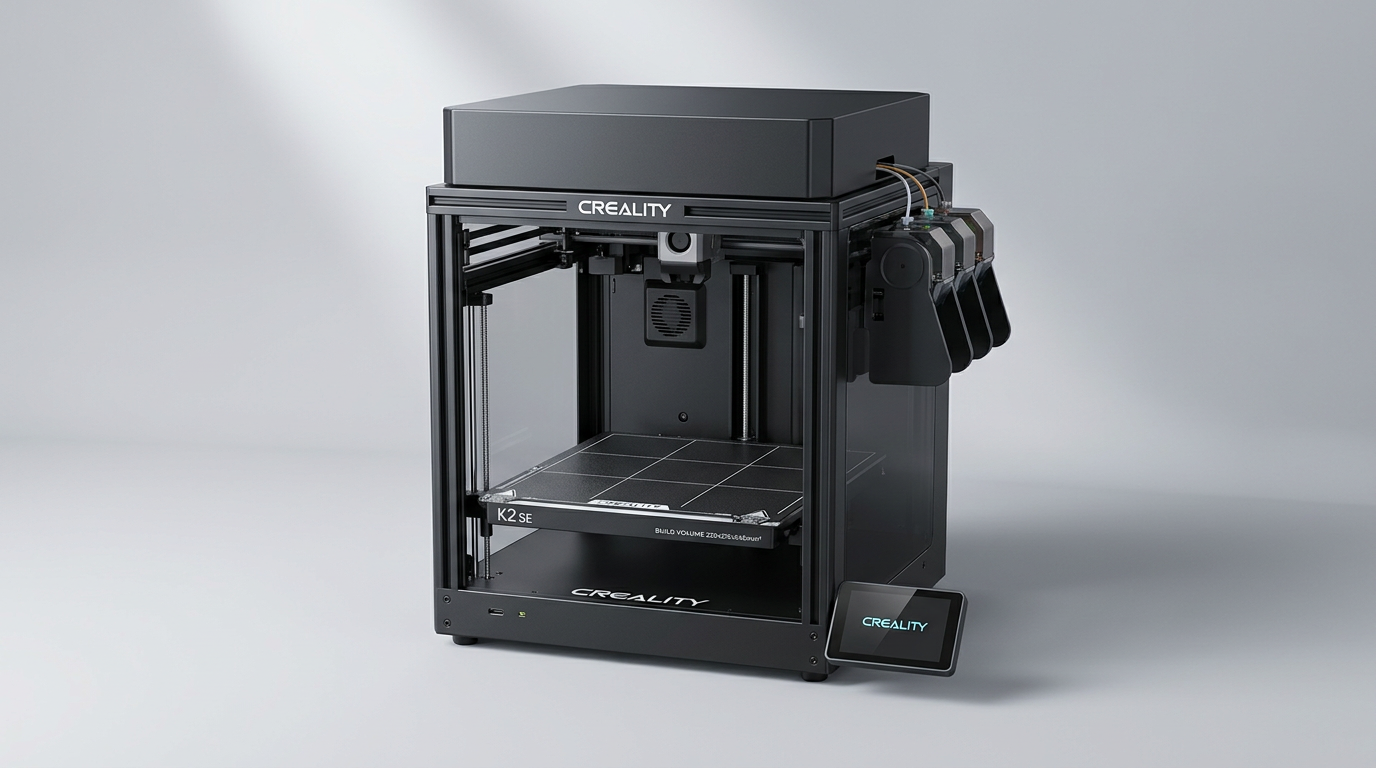
Creality K2 SE 4C Review: Budget Multicolor CoreXY
Anycubic Kobra S1 Max Combo Review: High-Volume Ambition
Anycubic ACE 2 Pro Review: Heated Multi-Material Feeding
Magic Jimmy AI 3D Printer for Kids Review
This review is based on real experiences shared by owners in online communities.