
Creality Space Pi X4 Review: The Dual-Chamber Filament Dryer Benchmark
This review is based on real experiences shared by owners in online communities.
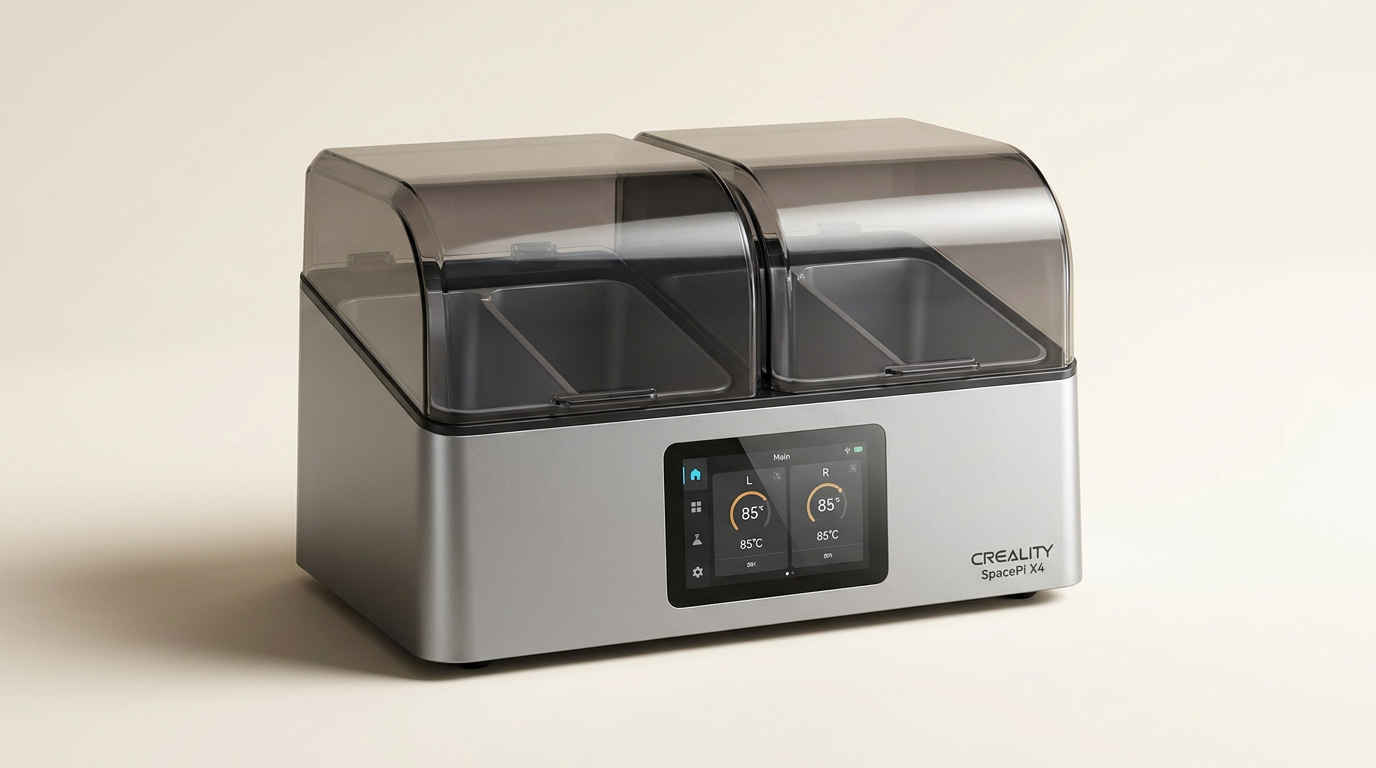
The modern 3D printing landscape demands precise control over filament moisture, especially as advanced engineering materials become more accessible. For too long, enthusiasts and professionals alike have navigated a fragmented market of underpowered dehydrators and single-purpose drying boxes, often compromising on capacity, temperature range, or the ability to print while drying. The Creality Space Pi X4 challenges this paradigm, arriving as a consolidated solution that aims to address the core inefficiencies of previous generations.
This isn't merely an incremental update; the X4 presents a focused design philosophy that elevates convenience and flexibility to a primary function. By integrating dual independent heating zones and robust humidity management into a single unit, Creality posits a vision where multi-material printing and continuous dry storage are not luxury features, but baseline expectations. The product's real utility lies in its capacity to streamline workflows that were previously manual and prone to error, redefining the expectation for what a filament dryer can achieve within a desktop setup.
Its key proposition, the "Multi-Material Workflow Enabler," directly confronts the friction points experienced by users juggling diverse filament types. The X4 argues that optimal print quality for specialty materials like ASA, PC, or PAHT should not necessitate a separate, dedicated dryer for each, nor should it force a compromise when drying PLA simultaneously. This targeted approach seeks to not just dry filament, but to integrate intelligent moisture control into the active printing process, making it a critical hub rather than an ancillary tool.
What owners love
- + Dual independent heating chambers allow simultaneous multi-material drying
- + High temperature capability (up to 85°C) supports advanced filaments
- + Automatic humidity control and active moisture venting
- + Intuitive touchscreen interface simplifies operation
- + Robust capacity for four 1kg spools or two 2kg spools
- + Supports printing directly from the dryer during operation
Common complaints
- − Automatic moisture level floor of 20% may not satisfy all users
- − Auto-venting fan can be noticeable when active
- − Exterior plastic top surface is prone to scratches
- − Requires a micro SD card (32GB or less) for firmware updates
- − Some translated button labels are slightly awkward
Design & Build
The Creality Space Pi X4 presents a substantial footprint, accommodating its four-spool capacity. Owners frequently describe the unit as sturdy, with a build quality that inspires confidence. The internal design features two distinct drying chambers, a fundamental departure from single-zone designs. This segregation is central to its "Multi-Material Workflow Enabler" proposition, allowing users to apply vastly different thermal profiles concurrently. The external shell remains cool even after extended high-temperature operation, indicating effective thermal management. However, the glossy plastic top surface is a recurring point of contention, as several users note its susceptibility to scratching, diminishing its aesthetic longevity quickly. The inclusion of pneumatic fittings for PTFE tubing at each filament slot enhances its integration into a printer setup, directly supporting the ability to print while drying.
Setup & Ease of Use
Initial setup of the Space Pi X4 is straightforward; it plugs directly into a standard outlet without requiring an external power brick. The touchscreen interface receives consistent praise for its clarity and intuitive operation, even from users with minimal experience with dedicated drying units. Users appreciate the ability to set custom temperatures for various filament types, with pre-programmed recommendations for common materials like PLA and PETG. The independent controls for each chamber further contribute to its ease of use, as owners can quickly configure drying cycles without complex menu navigation. The unit's design allows for spools to fit without issue, and the integration with PTFE tubing for direct printing from the dryer is frequently highlighted as a significant convenience factor.
Performance in Real Use
Performance is where the Space Pi X4 truly distinguishes itself. Owners consistently report effective drying across a broad spectrum of materials, from common PLA and PETG to more demanding engineering filaments like ABS, ASA, PET-CF, Nylon, and Polycarbonate. The 85°C maximum temperature is a critical capability that many previous-generation dryers lack, enabling thorough drying of hygroscopic materials. The dual independent heating chambers are a primary differentiator, allowing users to dry different filament types at optimal temperatures simultaneously, eliminating the need for sequential drying cycles or multiple units. The automatic drying and dehumidifying features, including active moisture venting, are frequently cited for maintaining consistent conditions and reducing manual intervention. The ability to print directly from the dryer, even with flexible filaments like TPU, underscores its practical utility as an integrated part of a printing workflow, mitigating issues like friction that often plague other pass-through dryers.
Software & Ecosystem
The Space Pi X4 operates with an integrated touch UI that controls its drying scenes and temperature settings. While generally intuitive, some owners note minor translation quirks in the button labels. The automatic humidity maintenance feature, where the unit reactivates to keep filament dry, is a significant software-driven convenience. This functionality allows users to store filament in a continuously optimized environment, ensuring readiness for printing. Firmware updates, though not frequently mentioned as a necessity, require a micro SD card (32GB or smaller) inserted into a port on the unit's front. This system ensures the device can adapt to future improvements or material profiles, enhancing its longevity within a rapidly evolving additive manufacturing ecosystem. The system's ability to maintain a 'print-ready' state for extended periods reflects a sophisticated approach to environmental control beyond simple heating.
Value & Reliability
Priced in the upper range for filament dryers, the Creality Space Pi X4 is consistently described by owners as a worthwhile investment. Its feature set, particularly the dual independent high-temperature chambers and four-spool capacity, positions it favorably against alternatives, many of which offer fewer capabilities at similar or even higher price points. Owners report reliable operation, with some having used the unit constantly for six to seven months without issue. The perceived durability and consistent performance contribute to its strong value proposition, especially for users printing with advanced materials or managing multiple printers. The X4 addresses the "hidden cost of damp filament" by reducing print failures, improving print quality, and extending filament shelf life, thereby offering long-term savings that offset its initial purchase price.
Verdict
Strong Buy - The Creality Space Pi X4 sets a new bar for filament drying, justifying its cost with unparalleled flexibility and performance.
This unit is ideal for any 3D printing enthusiast or professional who regularly works with multiple filament types, especially hygroscopic materials like Nylon, ABS, or PC, or those who need to maintain different drying temperatures simultaneously. If your workflow involves swapping between materials frequently, or if you struggle with print quality issues due to moisture, the X4's dual chambers and high-temperature capability make it an essential tool. Users who print directly from a dryer will also appreciate its robust feeding mechanisms.
Those who primarily print only PLA or PETG at lower volumes and do not require multi-material drying might find the investment in this advanced unit, typically around $150 to $200, more than they need. A simpler, single-chamber dryer might suffice for basic needs. However, the X4 represents the "future-proofing investment" in filament management. Its design anticipates the inevitable expansion into more challenging materials and multi-material projects, ensuring that your drying solution remains relevant and capable as your printing ambitions grow. This is not just a dryer; it's a strategic infrastructure upgrade for any serious print farm, large or small.
FAQ
More 3D Printer Parts & Accessories reviews
ELEGOO Filament Storage Bags Review: The Unsung Hero of 3D Printing
BambooSegD RGB LED Lamp Kit: The 3D Printer Accessory Standard
Creality TPU 95A: A Flexible Filament for Patient Printers
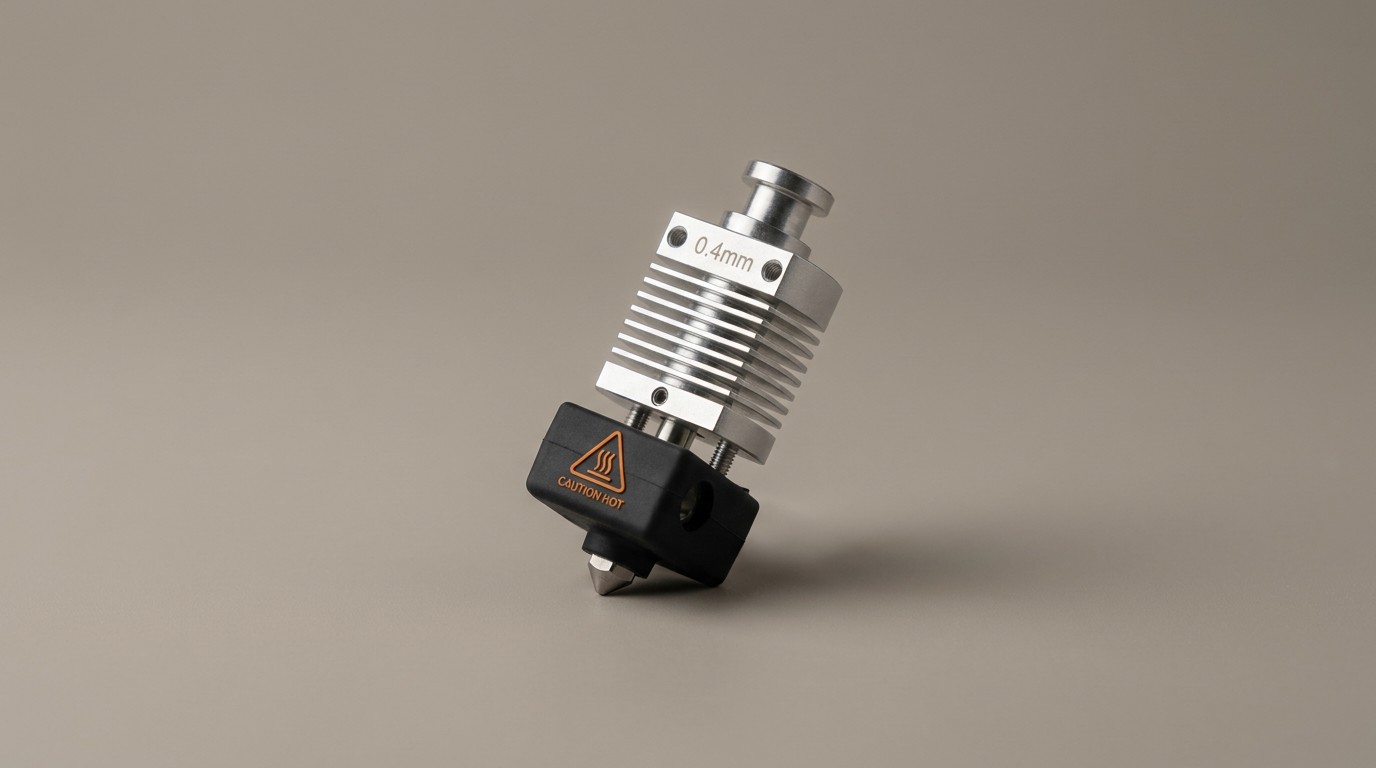
UniTak3D Quick-Swap Hotend 0.4mm Review: A Solid Bambu A1 Alternative
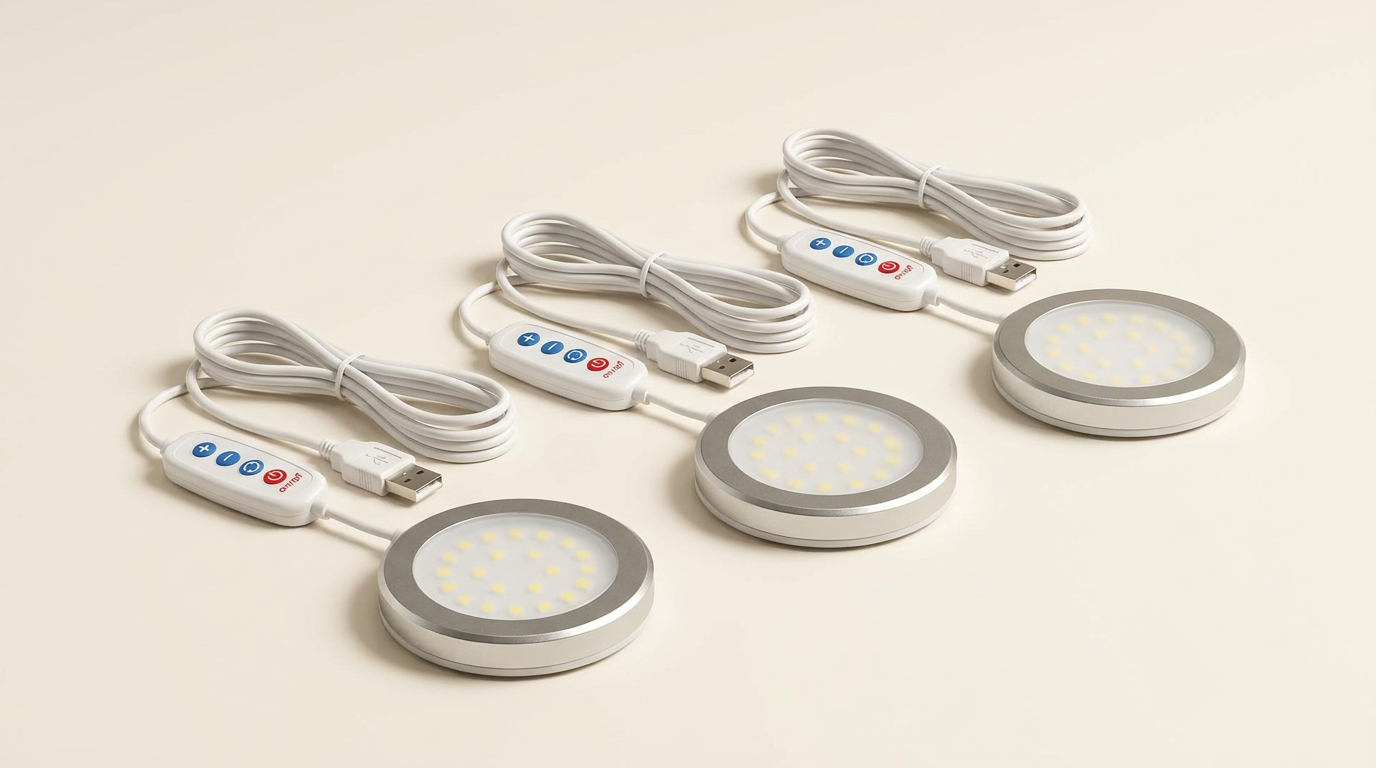
3DZWMAN LED Lamp Kit Review: The Smart Alternative for 3D Print Lighting
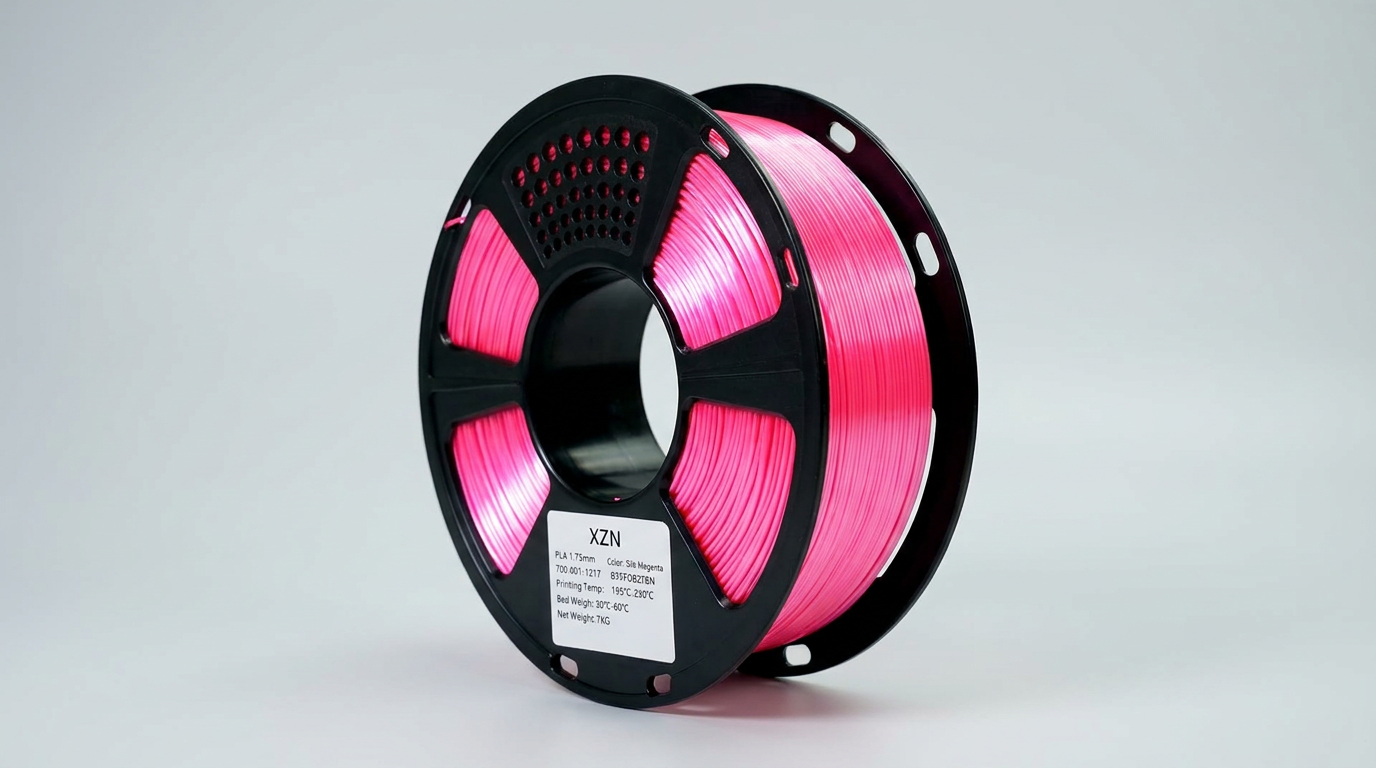
XZN Silk PLA Filament Review: Visual Impact and Printing Consistency
This review is based on real experiences shared by owners in online communities.