
Creality Magnetic Build Plate: An Ender 3 Upgrade That Redefines Print Removal
This review is based on real experiences shared by owners in online communities.
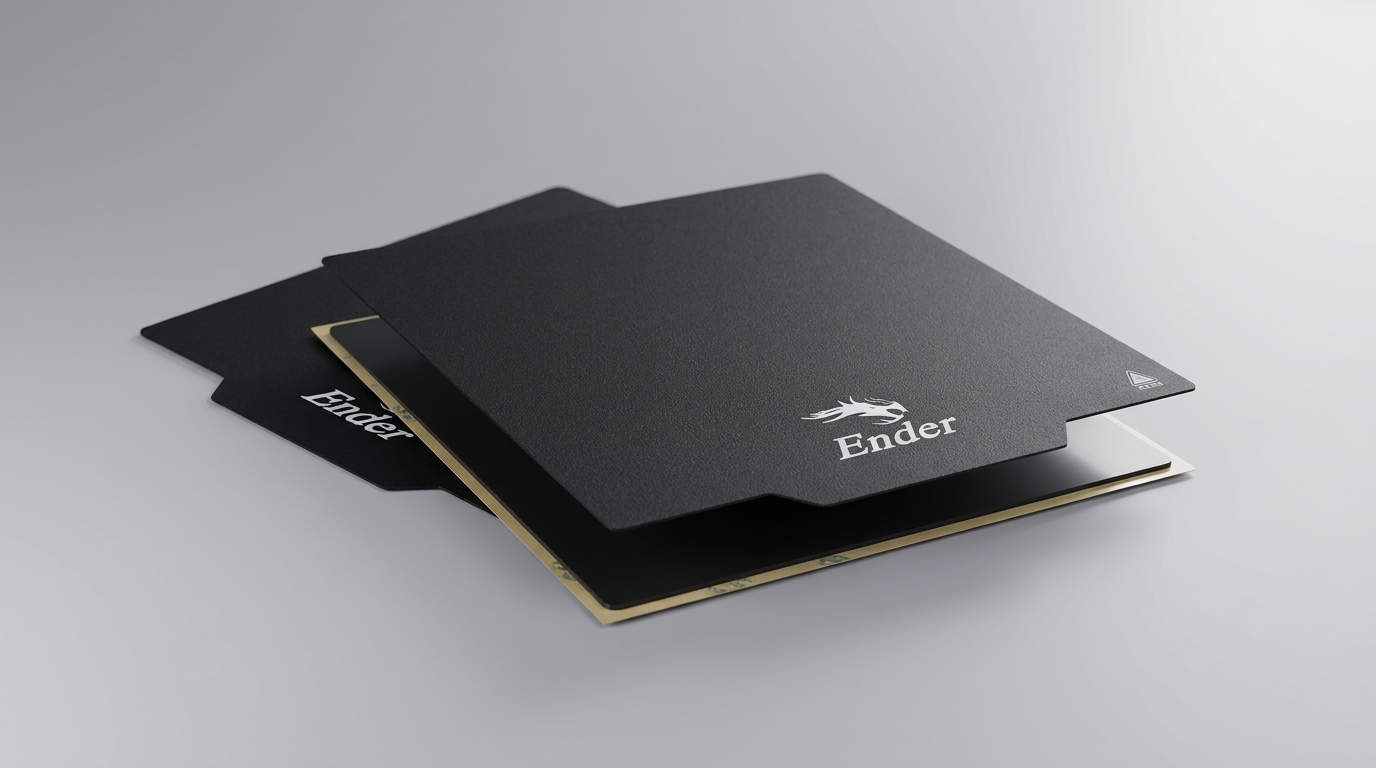
The modern FDM 3D printer has largely evolved into an appliance, yet one enduring friction point remains: print removal. While glass beds offered improved flatness, they often introduced new frustrations with print adhesion and the physical effort required for detachment. The Creality Ultra Removable Magnetic Build Surface addresses this core problem directly, leveraging magnetic flexibility to simplify the post-print workflow.
Unlike traditional fixed surfaces, this two-piece system introduces a compliance layer that fundamentally alters how users interact with their completed prints. It represents a practical design decision, prioritizing user convenience and reduced part damage over rigid surface aesthetics. This magnetic build plate's true innovation lies not just in its flexibility, but in its ability to smooth over the notorious "post-print tension" by offering a gentler, more predictable release mechanism.
This review evaluates whether the Creality magnetic build surface delivers on its promise of hassle-free print removal and reliable adhesion, and how it measures up against common alternatives like glass or stock build plates. We scrutinize its installation, performance across various PLA and PETG scenarios, and overall longevity, to determine its place in a well-tuned 3D printing setup.
What owners love
- + Significantly eases print removal through flex and peel method
- + Provides reliable adhesion for PLA and PETG filaments
- + Simple and quick installation, cutting to size is straightforward
- + Offers a noticeable upgrade over many stock or glass build plates
- + Durable enough for sustained regular printing when properly calibrated
- + Good value, especially as a dual-pack option
Common complaints
- − Susceptible to damage and gouging from improperly calibrated nozzles
- − Permanent adhesive base can be difficult to remove if replacement is needed
- − Less rigid than spring steel, potentially contributing to minor inconsistencies
- − Adhesion can be too strong at higher bed temperatures, complicating removal
- − Requires careful Z-offset adjustment to prevent print fusion
Design & Build
The Creality Ultra Removable Magnetic Build Surface consists of two primary components: a flexible, textured top sheet and a magnetic adhesive base. Owners consistently describe the top sheet as thicker than many original equipment surfaces, conveying a sense of robust construction. The magnetic force between the two layers is strong, ensuring the build surface remains stationary during even extended prints. This robust magnetic coupling eliminates concerns about build plate shifts, a known issue with less secure solutions. While primarily designed for Ender 3 series printers, its cuttable nature extends its utility to a broader range of FDM machines, reflecting a pragmatic universal design choice.
However, this focus on flexibility introduces a characteristic I call the 'surface compliance trade-off.' Unlike rigid spring steel or glass, the pliable nature means it offers less inherent structural integrity. While this is precisely its key feature for print removal, users note its susceptibility to damage from Z-offset errors. A nozzle set too low will gouge the surface, potentially rendering it uneven or unusable. This is not a defect but an inherent design consequence where ease of removal comes with an increased demand for precise calibration.
Setup & Ease of Use
Installation of the Creality magnetic build plate is generally straightforward. The process involves attaching the adhesive magnetic base to the heated bed and then aligning the flexible top sheet. Owners report that installing the adhesive base requires some care to avoid air bubbles, a common challenge with large adhesive-backed components. The manufacturer's instruction to test magnetic orientation before permanent adhesion is a critical step, which some users credit for seamless setup. Once installed, the magnetic adhesion holds the build surface firmly in place.
The real ease of use emerges post-print. The flexible top sheet detaches effortlessly from the magnetic base, allowing users to simply bend the sheet to release prints. This eliminates the need for scrapers or aggressive force, a significant improvement over rigid glass or standard build plates that often necessitate freezing or prying. This 'flex-release fidelity' defines the primary operational benefit, consistently cited by users as a major workflow enhancement. However, the adhesive backing on the lower magnet is described as very strong, almost permanent, which implies a commitment. Replacing the lower magnet could prove challenging due to this tenacious bonding, introducing an element of long-term install inflexibility.
Performance in Real Use
In terms of adhesion, this build surface performs reliably for common filaments like PLA and PETG. Owners frequently highlight excellent first-layer adhesion, a marked improvement over many glass plates or worn stock surfaces. Prints consistently stick during the process and release cleanly post-cool-down. However, user feedback indicates a nuance here: the 'thermal adhesion paradox.' Prints adhering at a bed temperature of 60 degrees Celsius might be difficult to remove, while those at 50 degrees Celsius or lower release easily. This suggests an optimal detachment temperature range that users learn through experience.
The primary performance caveat relates to durability. The flexible surface, while excellent for release, is vulnerable to damage if the Z-offset is incorrect. A nozzle too close to the bed can create deep gouges that persist and affect future prints. This points to a 'calibration premium'; users must maintain careful bed leveling and Z-offset settings to preserve the surface's integrity. Instances of the print fusing to the bed were also reported when the nozzle was too low, requiring considerable effort to separate the print without damaging the surface.
Software & Ecosystem
As a passive hardware component, the Creality Magnetic Build Surface does not integrate with software or a digital ecosystem. Its functionality is purely mechanical, relying on the calibrated interaction of the 3D printer's hardware. This simplicity is a benefit; it requires no firmware modifications, software updates, or proprietary applications. The core interaction remains within the user's slicing software and printer settings, primarily Z-offset and bed temperature. The product fits universally defined criteria for Ender series printers, emphasizing a plug-and-play philosophy once the initial adhesive base is applied. Its physical customizability, allowing users to cut the flexible top sheet to fit smaller or non-standard printer beds, further reinforces its position as a hardware solution rather than an ecosystem-dependent accessory. This independence from digital dependencies means its performance is solely dictated by mechanical precision and user setup.
Value & Reliability
The Creality Magnetic Build Surface, often sold in a two-pack, represents a strong value proposition, typically priced around $15. Owners perceive it as a worthwhile upgrade, often replacing less effective glass or worn-out original plates. The dual-pack offering provides a convenient backup or a replacement, effectively mitigating concerns about its susceptibility to nozzle damage. Given its performance benefits in adhesion and print removal, the modest cost makes it an attractive investment for improving the daily 3D printing experience.
Reliability, however, is heavily contingent on user discipline. While the product itself is functionally reliable in its magnetic adhesion and flexibility, its long-term durability is tied directly to the user's ability to maintain correct bed leveling and Z-offset. It exemplifies the 'fragile convenience' principle: it offers significant convenience, but that convenience can be fragile if core printer maintenance is neglected. When properly maintained, owners report these surfaces lasting for many prints, sometimes longer than original equipment, making them a consistent part of routine printer maintenance alongside nozzles and other consumables.
Verdict
Buy - This magnetic build plate fundamentally improves the 3D printing workflow for a broad range of FDM users.
It is ideal for anyone seeking to eliminate the frustration of print removal from traditional beds. Users printing mainly with PLA or PETG on Ender 3 series printers or similarly sized machines will find this a substantial quality-of-life upgrade. If you are replacing a scratched glass bed or a worn stock surface, this product offers superior adhesion and a dramatically easier post-print experience for around $15.
Conversely, users who consistently struggle with precise bed leveling and Z-offset calibration might find its vulnerability to nozzle damage frustrating. Those who demand the absolute flatness and rigidity of spring steel sheets, or who print exclusively with high-temperature, specialty filaments that might require harder, more chemically resistant surfaces, may find this magnetic sheet too compliant. This surface represents the pinnacle of 'consumable component design' in 3D printing; it's engineered for peak convenience within its functional lifespan, acknowledging that its flexibility is both its greatest strength and its primary wear point.
FAQ
More 3D Printer Parts & Accessories reviews
YUNHAN Air Filter for Bambu Lab 3D Printers Review

HYHJMISTY 91PCS 3D Printer Tools Kit Review: A Focused Starter Set
Black Magic 3D Printer Adhesion Kit Review: The Applicator Advantage
Fuitnerd 184-Piece 3D Printer Tool Kit Review: Value-Focused Utility
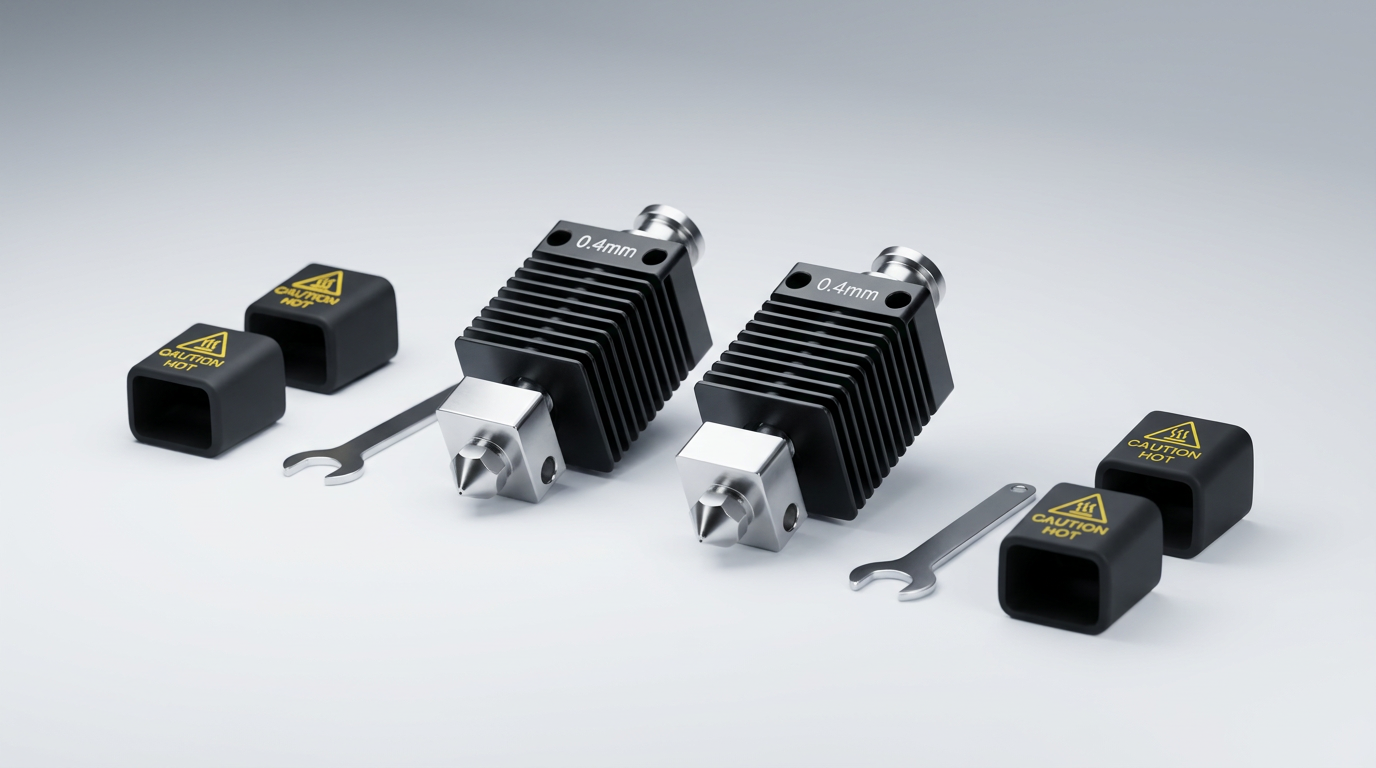
CreatryLab A1/A1 Mini Hotend Review: Budget Reliability for Bambu Labs
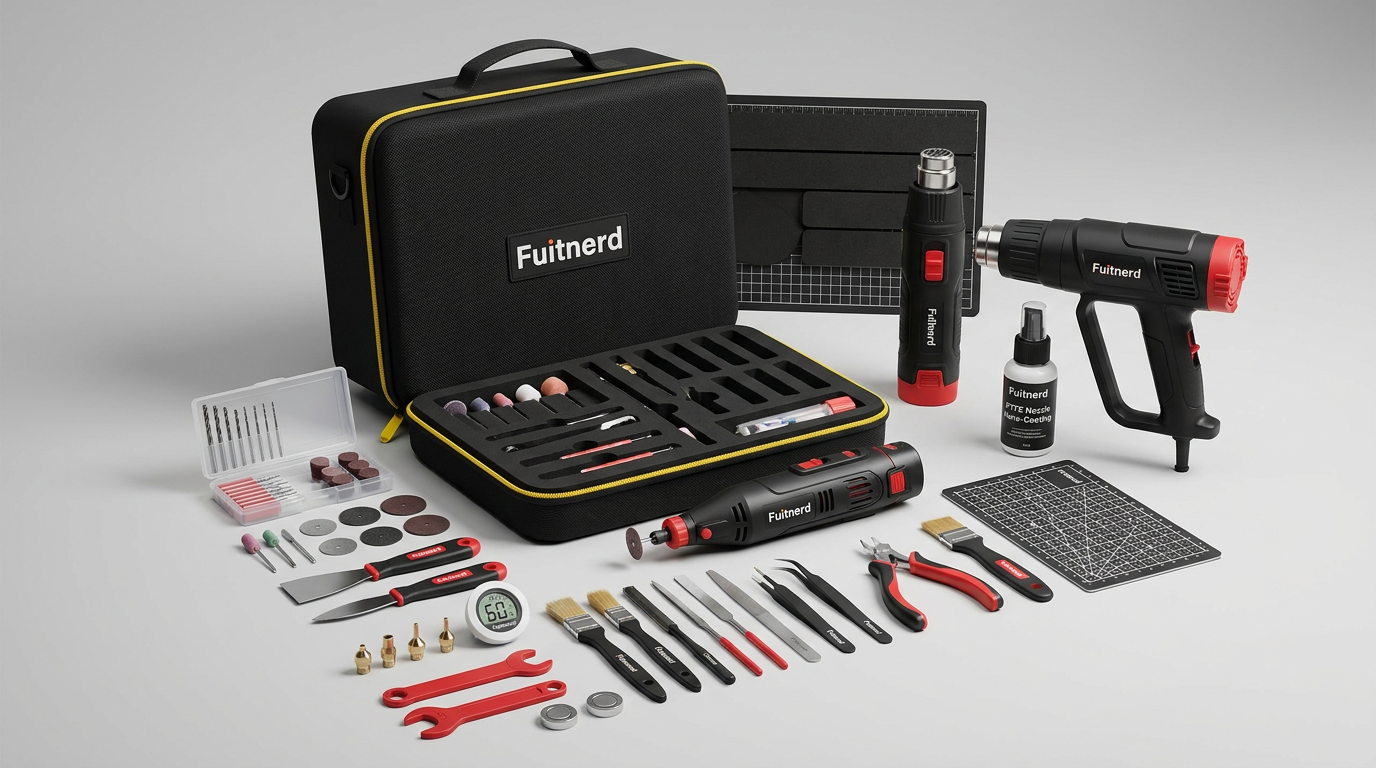
Fuitnerd 142Pcs 3D Printer Tools Kit Review: A Maker's Essential?
This review is based on real experiences shared by owners in online communities.