
Creality ABS Filament Review: A Practical Choice for Enclosed Printing
This review is based on real experiences shared by owners in online communities.
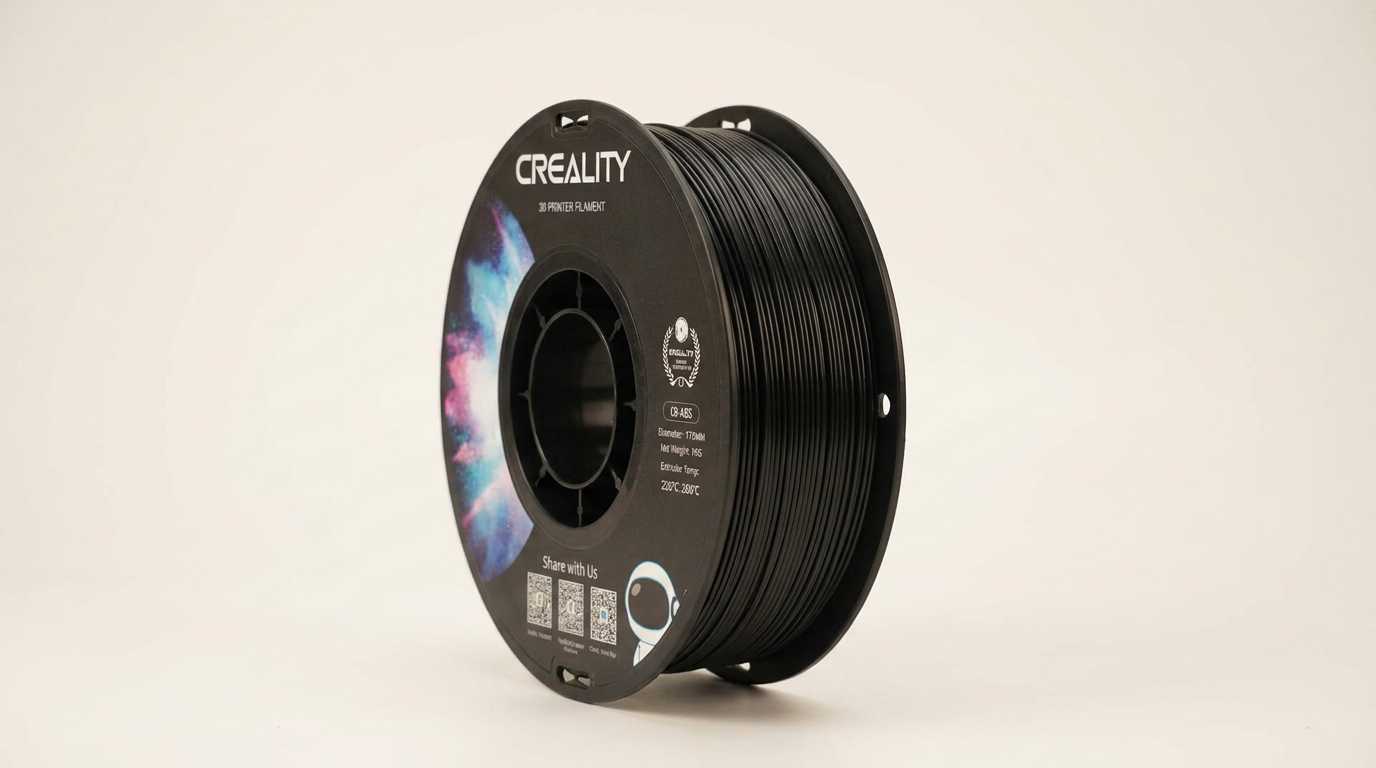
In a 3D printing landscape increasingly dominated by easy-to-print PLA and PETG, ABS remains a niche material, valued for its superior mechanical properties but often sidelined by its finicky printing requirements. The Creality ABS Filament enters this segment not as a revolutionary material, but as a pragmatic offering designed to mitigate some of ABS's inherent challenges. This filament positions itself as a workhorse, particularly for users already equipped with, or planning to acquire, an enclosed 3D printer.
Unlike many general-purpose filaments, Creality's ABS implicitly acknowledges the material's environmental dependencies. It caters to a segment of the market that prioritizes part durability and heat resistance over print simplicity. Understanding its place as a specialized tool rather than a universal solution is key to evaluating its true performance and value. Owners frequently highlight its consistent behavior once environmental factors are controlled, suggesting a product that delivers on its core promise within defined parameters.
This review examines whether the Creality ABS filament successfully navigates the trade-offs inherent to ABS printing, offering a cost-effective path to strong, functional parts without excessive frustration. We will explore its print characteristics, consistency, and the crucial role of an optimized printing environment.
What owners love
- + Consistent extrusion and smooth printing
- + Strong layer adhesion and reduced warping with proper setup
- + Produces tough, impact-resistant, and flexible prints
- + Good value for performance in its category
- + Well-wound spools without tangles
Common complaints
- − Requires an enclosed printer and specific temperature settings
- − Still produces noticeable odors despite claims
- − Can be brittle or cause off-gassing if overheated
- − May require bed adhesion aids like glue stick or brim
- − Dimensional accuracy can be affected without an enclosure
Design & Build
The Creality ABS filament arrives on a standard spool, with owners consistently reporting good winding quality and an absence of tangles or knots. This attention to spooling is a fundamental yet critical aspect for uninterrupted printing, and its consistent execution minimizes feed issues. The material itself is praised for its inherent toughness and flexibility, providing resistance to cracking and impact, which aligns with typical expectations for ABS. The black color specifically receives positive remarks for its deep, rich tone and a smooth, sometimes glossy, finish on printed parts. However, a recurring issue involves spool dimensions, with one user noting it was slightly too large for an Ace Pro spool feeder, hindering rotation when the lid was closed. This suggests a potential compatibility friction point with certain aftermarket accessories.
Setup & Ease of Use
Setting up for Creality ABS requires a more deliberate approach compared to less demanding materials. The prevailing consensus is that an enclosed printer with a heated bed and often a heated chamber is essential for successful prints. Many owners initially encountered warping or poor bed adhesion, which they resolved by increasing bed temperatures (typically around 90-95°C) and implementing adhesion aids like glue stick or brims. The filament's sensitivity to nozzle temperature is also critical; several users noted that exceeding 250°C resulted in brittle prints, off-gassing, and even residue on printer components. This indicates a 'sweet spot' for print settings, which, once discovered, leads to reliable performance. The learning curve for ABS is evident, but the filament rewards users who dial in their settings carefully. The "first-layer cliff" is real with ABS, where initial adhesion and temperature stability dictate the entire print's success.
Performance in Real Use
Once printing environments and settings are optimized, the Creality ABS consistently delivers strong, functional parts. Owners report smooth extrusion without clogging or stringing, leading to reliable print quality and solid layer adhesion. The material's mechanical properties are a highlight; parts exhibit good resistance to vibration, strain, and heat, making it suitable for automotive components, snap fittings, and other demanding applications where PLA or PETG might fail. The concept of 'environmental printing' truly defines the experience with this filament. Users who successfully print this ABS on less-recommended machines, like the Bambu A1 without an enclosure, often do so by pushing temperature boundaries and accepting some fumes, highlighting the material's potential resilience but also its fundamental need for controlled conditions to achieve optimal, consistent results.
Software & Ecosystem
The Creality ABS filament is not tied to a proprietary software ecosystem, operating as a standard 1.75mm ABS filament. This allows broad compatibility across FDM printers, with successful prints reported on various machines including Prusa MK3S, Bambu Lab X1C and A1, Ender 3 V3 SE, Qidi Plus4, and H2D printers. The key to success lies in adjusting printer software settings to match ABS requirements, which differ significantly from PLA. New users, in particular, are advised to research and implement appropriate temperature profiles for nozzle and bed, as well as consider print speed adjustments. The filament's performance is more a function of the printer's hardware capabilities (enclosure, heated bed/chamber) and the user's slicing software settings than any inherent feature of the filament itself. The filament’s lack of proprietary constraints makes it an appealing choice for the 'tinkerers' who prioritize material properties over plug-and-play ease.
Value & Reliability
Priced around $20 per kilogram, the Creality ABS filament represents a strong value proposition within the ABS market. Many owners explicitly mention its good price point relative to its quality. Its reliability, once settings are calibrated, makes it a 'workhorse' filament for those needing ABS properties. For applications requiring durability, heat resistance, and impact strength, the filament provides a cost-effective solution. The trade-off is the prerequisite for an enclosed printer and careful setting adjustments, which might be an additional investment for some users. However, for those already equipped, it offers a consistent material source without the premium pricing often associated with more exotic filaments. The 'durability dividend' this filament offers for its price band is substantial for specific use cases, outweighing the setup complexities.
Verdict
Buy - The Creality ABS Filament offers reliable performance and excellent material properties for users with enclosed 3D printers.
This filament is an excellent choice for experienced users or those with enclosed, temperature-controlled 3D printers, particularly within the around $20 price range. It consistently delivers strong, functional parts with good layer adhesion and mechanical resilience, making it suitable for demanding applications like automotive components or structural parts. Users seeking a cost-effective ABS that prioritizes part integrity will find value here.
Newer users without an enclosed printer, or those expecting a plug-and-play experience, should hold off. The inherent challenges of ABS printing, such as warping and odor, require specific environmental controls and careful setting adjustments that might frustrate beginners or those with open-frame machines.
Creality's ABS filament quietly serves as a 'gateway engineering material' for budget-conscious users. It democratizes access to ABS characteristics without the premium cost, providing a tangible path for hobbyists and makers to transition from prototyping in PLA to producing truly functional, robust parts. Its consistent performance, once environmental factors are addressed, suggests it's not just another filament, but a tool for skill progression in additive manufacturing.
FAQ
More 3D Printer Parts & Accessories reviews
YUNHAN Air Filter for Bambu Lab 3D Printers Review

HYHJMISTY 91PCS 3D Printer Tools Kit Review: A Focused Starter Set
Black Magic 3D Printer Adhesion Kit Review: The Applicator Advantage
Fuitnerd 184-Piece 3D Printer Tool Kit Review: Value-Focused Utility
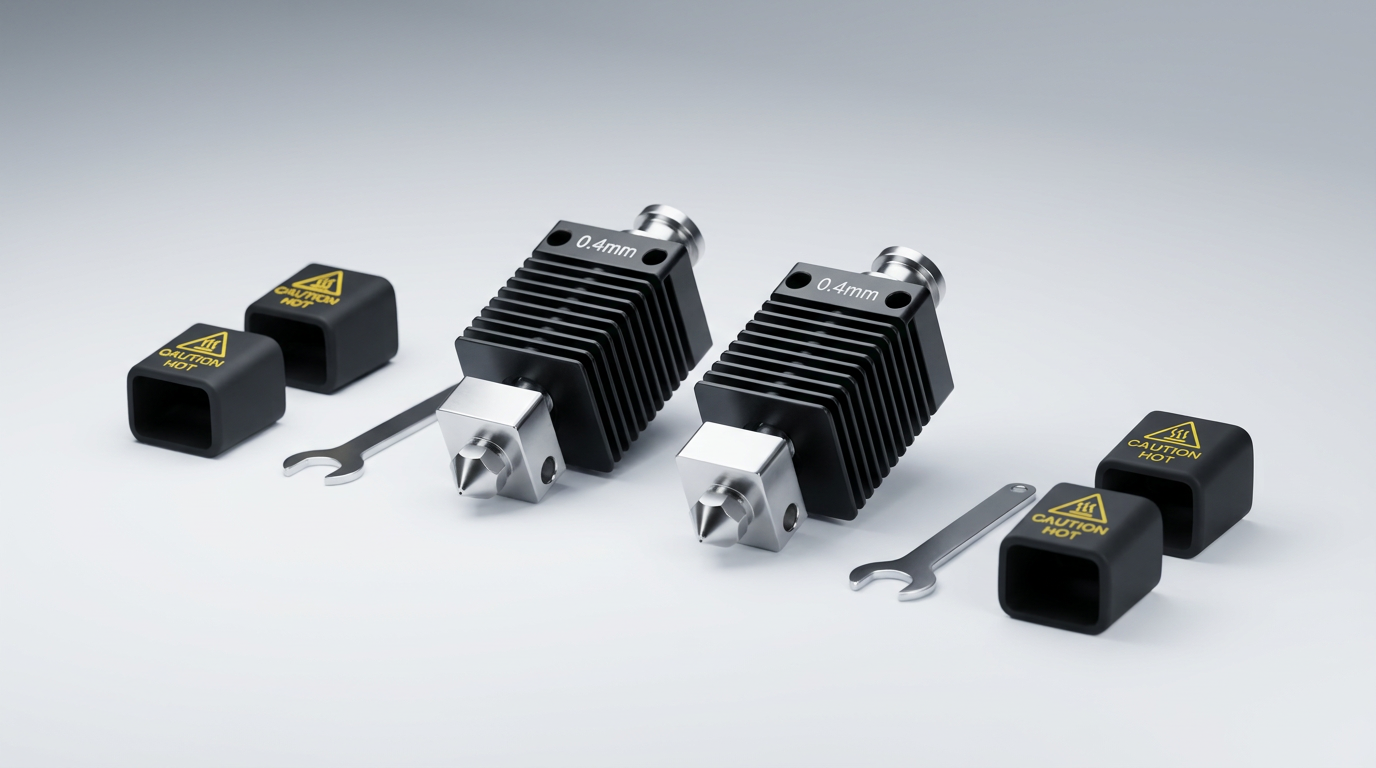
CreatryLab A1/A1 Mini Hotend Review: Budget Reliability for Bambu Labs
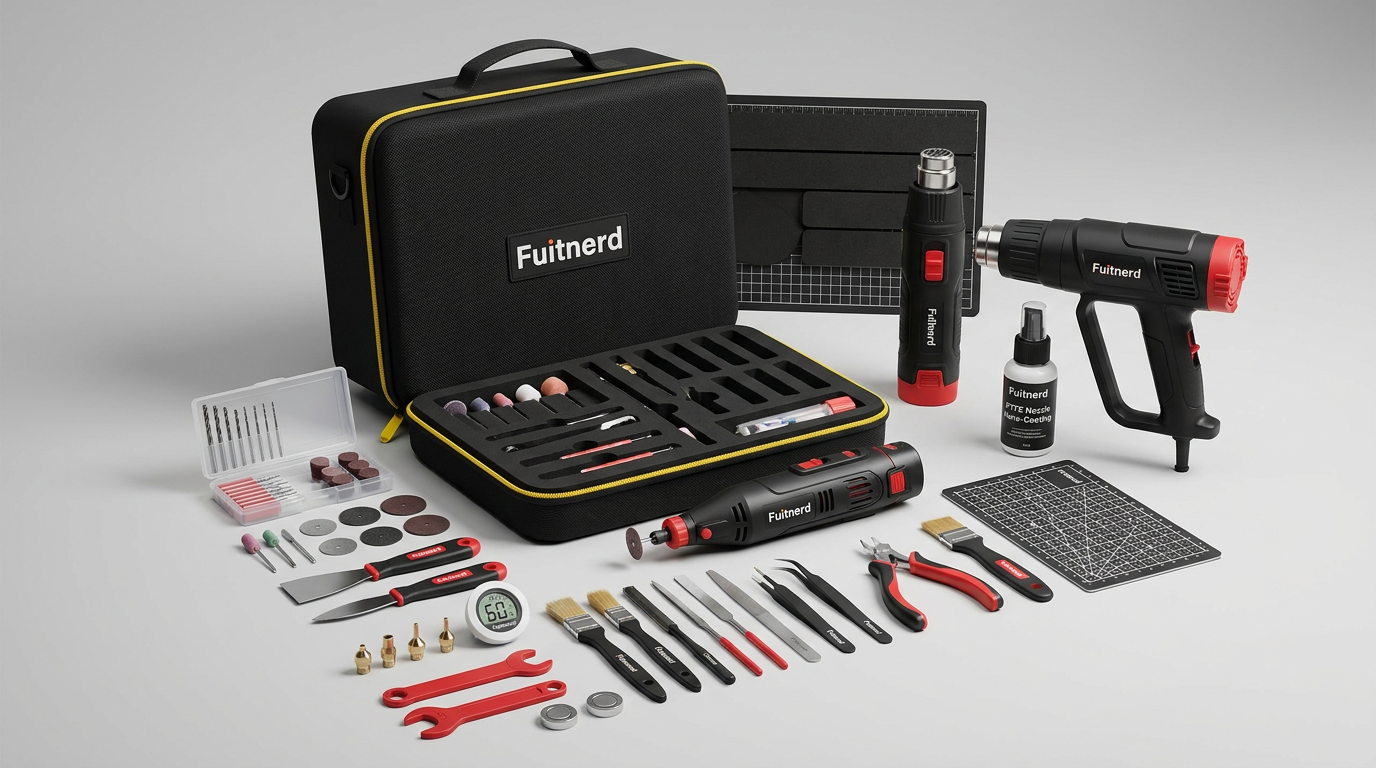
Fuitnerd 142Pcs 3D Printer Tools Kit Review: A Maker's Essential?
This review is based on real experiences shared by owners in online communities.