
Creality 3D Scanner Otter Lite Basic Review: Precision in Theory
This review is based on real experiences shared by owners in online communities.
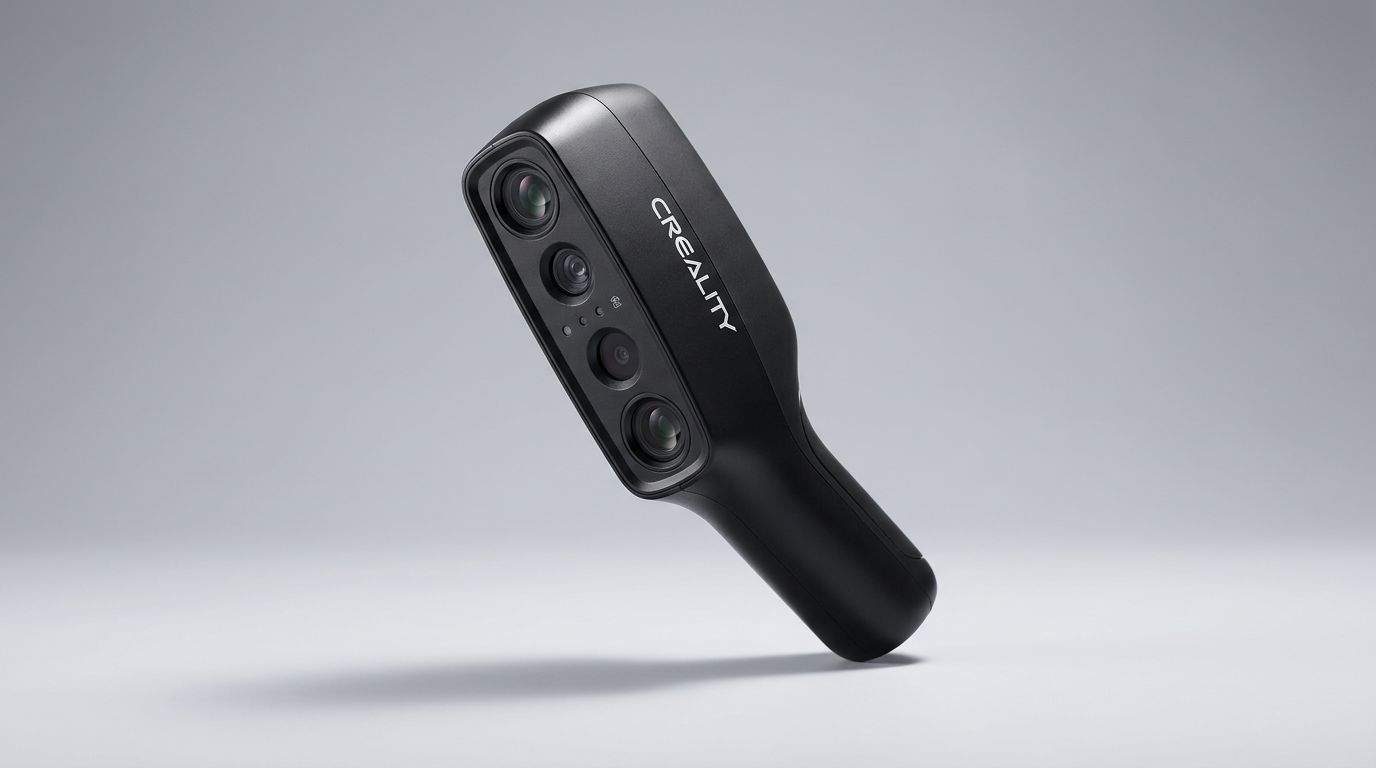
The Creality 3D Scanner Otter Lite Basic enters a market segment increasingly defined by accessibility, aiming to bridge the gap between hobbyist and professional-grade scanning. Manufacturers frequently promise high precision and broad object compatibility, yet the practical experience often reveals a tighter operational envelope. This product, with its dual-lens system and claims of scanning everything from small components to large objects, positions itself as a versatile tool.
However, a common trap for new users in this category lies not in the hardware's inherent capability, but in the unseen computational demands it places on supporting systems. The marketing often focuses on scanner features, overlooking the 'processing overhead' a 3D scanning workflow incurs. This product appears to navigate a similar landscape, where the scanner's potential is directly tethered to the user's computing infrastructure.
Understanding where the Otter Lite Basic fits involves scrutinizing its technical promises against the practicalities of its operation, especially concerning system requirements. The objective is to determine if its advertised precision and versatility are truly achievable for the target user, or if it demands a level of system investment that shifts its effective price point.
What owners love
- + Advertised 0.05mm accuracy for fine detail capture
- + Dual-lens system designed for scanning objects 20-2000mm
- + Claims 24-bit full-color scanning and outdoor performance
- + Features anti-shaking technology for smoother tracking
- + Designed to scan black and metallic objects without spray
- + Proprietary software suite for processing scans
Common complaints
- − Significant reliance on robust PC system specifications
- − Potential for user difficulty due to system limitations
- − Limited owner feedback prevents assessment of long-term reliability
- − No clear indication of ideal use cases based on owner experience
- − Ambiguous real-world performance for advertised features
Design & Build
The Creality Otter Lite Basic presents a handheld form factor, characteristic of modern consumer-grade 3D scanners. Its notable design element is the four-lens stereo vision system, featuring both long-focal and short-focal lens pairs. This configuration aims to provide flexibility, allowing the capture of objects ranging from 20mm to 2000mm. The inclusion of a million-pixel full-color RGB camera and advanced DOE (Diffractive Optical Element) technology suggests an emphasis on both geometric accuracy and color fidelity, even in challenging lighting conditions like direct sunlight. While the physical construction appears robust from marketing materials, owner feedback does not currently provide insight into its tactile feel, material quality, or ergonomic comfort during extended use. The industrial design prioritizes functional lens arrays, which is typical for a precision instrument rather than a consumer accessory.
Setup & Ease of Use
Setup for the Otter Lite Basic, as with many 3D scanners, extends beyond merely plugging in the device. The foundational requirement is a compatible and sufficiently powerful host computer. Owner feedback highlights this critical point, indicating that system limitations can directly impede usability. The experience suggests that the 'first-scan friction' is not just about learning the software, but ensuring the underlying hardware infrastructure meets the scanner's demands. This dependency creates a non-trivial barrier for users whose PCs do not meet undisclosed or underestimated specifications. While the CrealityScan software promises step-by-step tutorials, these can only mitigate the software learning curve; they cannot compensate for insufficient processing power or RAM. Effective use likely requires a system with a dedicated GPU and ample memory, a detail often overlooked by first-time buyers.
Performance in Real Use
The Otter Lite Basic advertises a 0.05mm scanning accuracy and a 30 fps scanning speed, supported by anti-shaking technology. It also claims the ability to scan challenging surfaces like black and metallic objects without specialized spray, a common pain point for 3D scanner users. These specifications, if consistently achievable, would position it competitively. However, owner experience on real-world performance remains largely unverified. The reported difficulty stemming from PC system limitations suggests that the theoretical performance may be hard to realize without a high-end workstation. The 'scan threshold' for this device appears to be less about the scanner's intrinsic capability and more about the user's ability to drive it with adequate computational resources. Without strong hardware, achieving the advertised precision and smooth tracking likely remains aspirational.
Software & Ecosystem
Creality provides its proprietary CrealityScan software, described as user-friendly with professional capabilities for image and point cloud processing. This software is crucial for calibration, capturing data, and post-processing 3D models. Features like one-click model processing and editing tools aim to simplify the workflow. However, the software's performance and stability are inherently linked to the host computer's specifications. The observed PC system limitations likely impact not only the scanning process but also the responsiveness and functionality of the software itself. A sophisticated scanner is only as effective as the software that interprets its data, and if the processing environment is constrained, even well-designed software can feel sluggish or fail to perform optimally. This forms a 'hardware bottleneck' that users must address to fully leverage the software's advertised features.
Value & Reliability
Priced in the mid-hundreds, the Creality Otter Lite Basic aims to deliver professional-grade features at a more accessible point. Its value proposition is tied directly to the consistent delivery of its advertised precision, versatility, and ease of scanning challenging materials. However, the current lack of widespread owner feedback regarding these specific aspects, coupled with a noted dependence on robust PC systems, introduces an element of uncertainty. The 'hidden cost' of ownership for this scanner may not be in its purchase price, but in the necessary upgrade or acquisition of a suitable computer to run it effectively. Without more data on long-term reliability or successful applications, assessing its overall value and whether it reliably performs as claimed across diverse use cases remains challenging.
Verdict
Hold Off - The Creality Otter Lite Basic's reliance on high-spec PC hardware introduces an unquantified cost and limits its immediate utility.
This scanner is for users who already possess or plan to acquire a high-performance computer with a dedicated graphics card and ample RAM, viewing the scanner as an addition rather than a standalone investment. Those focused on detailed capture of a wide range of object sizes, including typically difficult reflective or dark surfaces, might find its technical specifications appealing, provided they have the computational horsepower to match. It could serve well in a specialized workshop environment with an optimized workstation.
Conversely, users with standard consumer-grade PCs, limited technical troubleshooting experience, or those expecting a plug-and-play solution should look elsewhere. The unquantified demands on the host system make it a potentially frustrating experience for the unprepared. Its current state suggests a 'prosumer' leaning, where the hardware is capable but requires significant support from the user's computing ecosystem.
The Otter Lite Basic embodies the 'system dependency tax' prevalent in 3D scanning: the sticker price often conceals the true investment required in supporting infrastructure. Until Creality clearly defines and consistently communicates these system requirements, or streamlines its processing demands, the scanner's impressive theoretical capabilities remain largely theoretical for many potential buyers.
FAQ
More 3D Scanners reviews
Revopoint INSPIRE 2 3D Scanner Review: Unpacking the Accessory Echo Chamber
Creality 6mm 3D Scanning Markers Review: Essential Tracking Aid
TOSUKKI 6mm Positioning Targets Review: The Refined Generic Choice
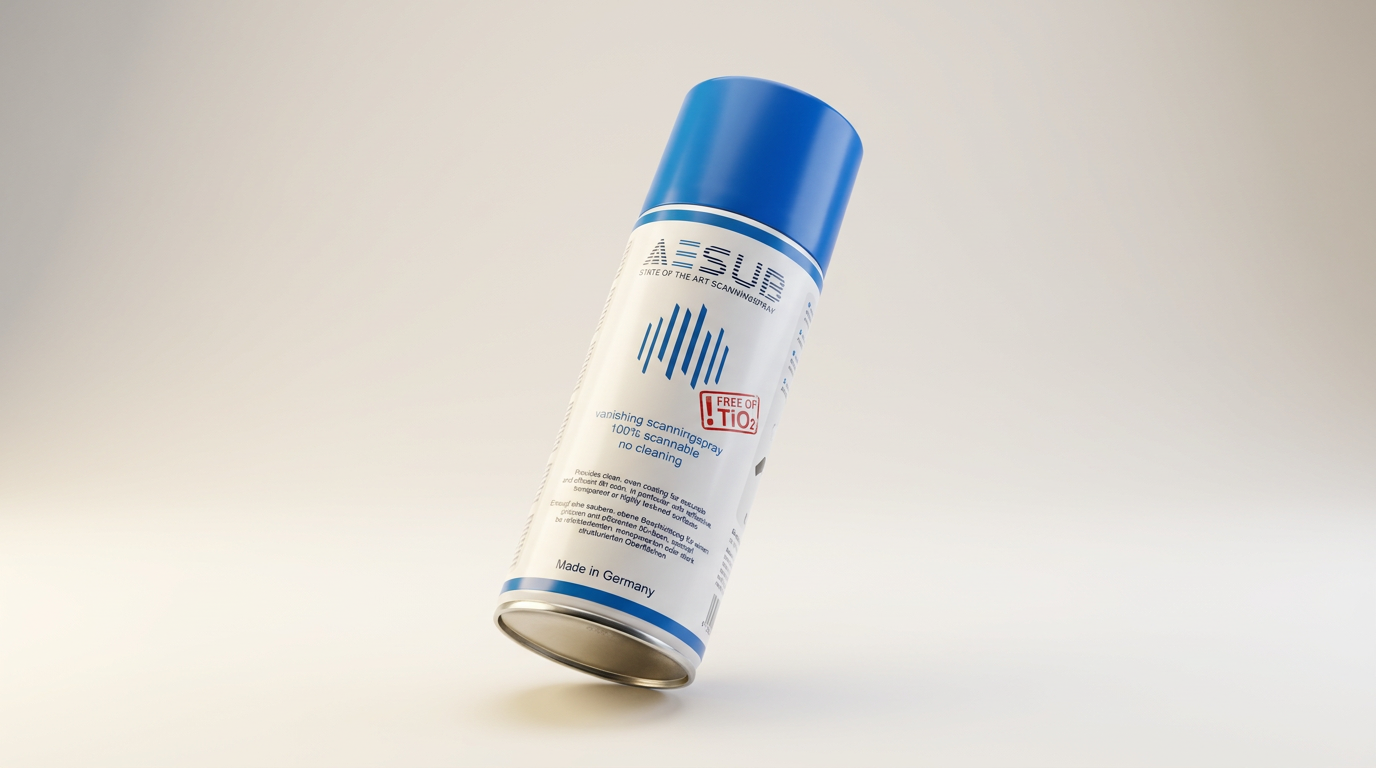
AESUB 3DTOOLS 3D Scanner Spray Review: The 'Evaporative Enabler'
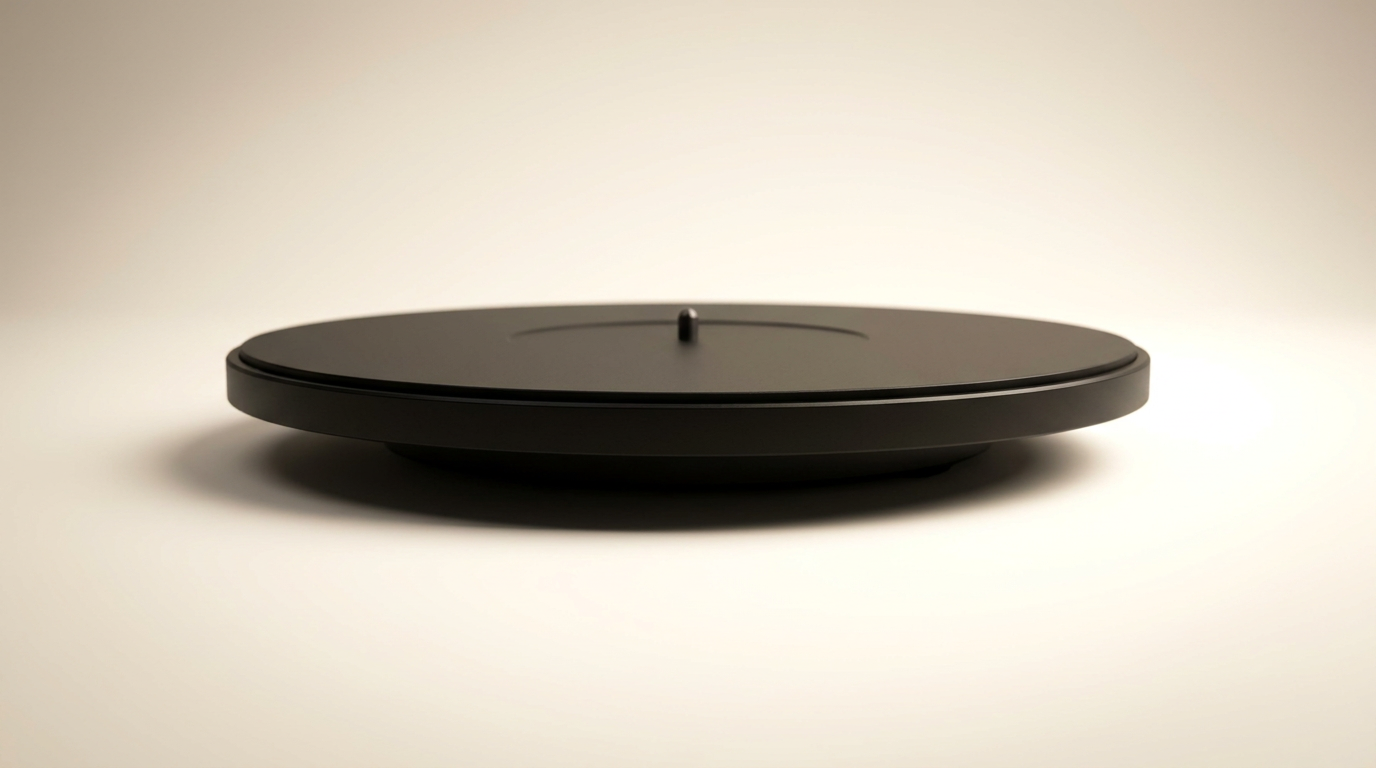
Creality 8-inch Rotating Turntable: A Solid Scanner Accessory

Generic 12 Piece Multi-Angle Markers Review: Essential 3D Scanning Dots
This review is based on real experiences shared by owners in online communities.