
ANYCUBIC Photon P1 Review: A Precision Powerhouse for Advanced Resin Printing
This review is based on real experiences shared by owners in online communities.
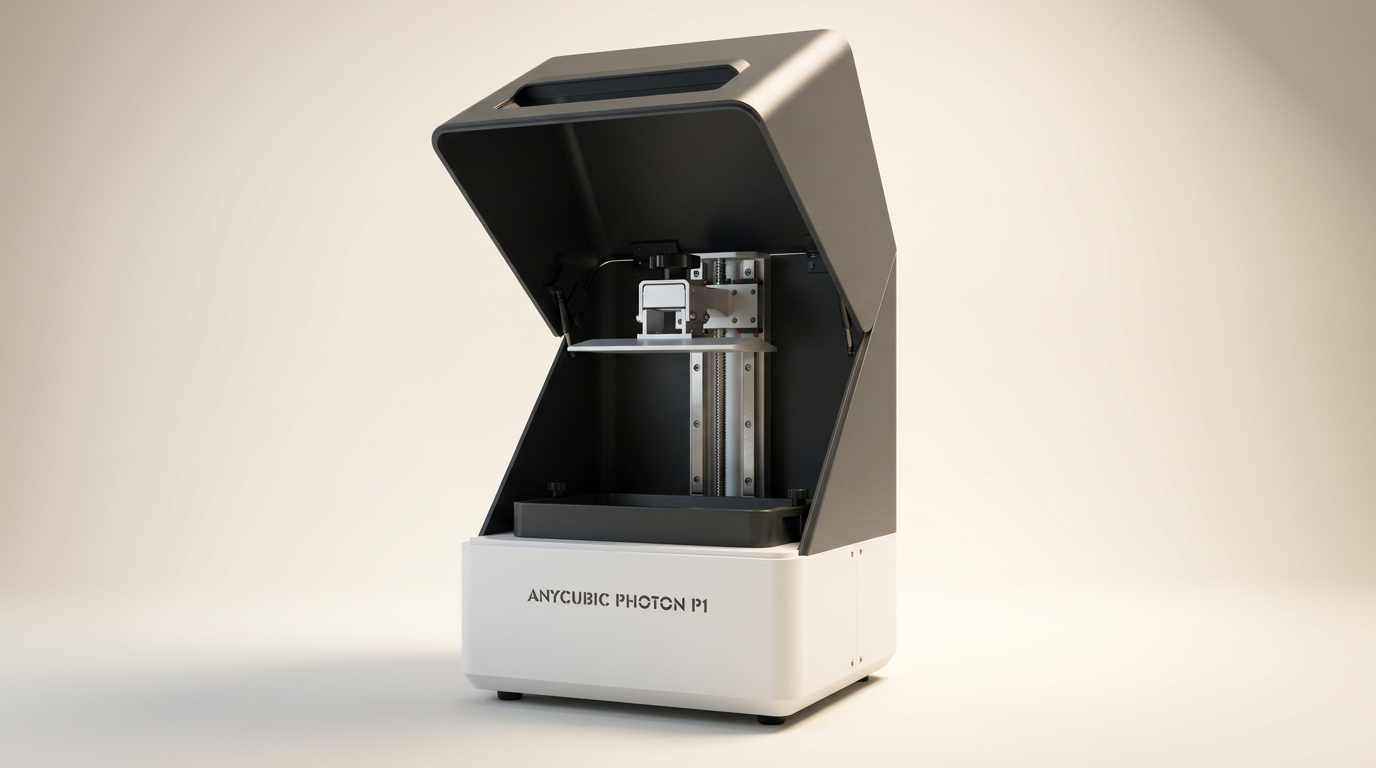
The ANYCUBIC Photon P1 arrives at a curious juncture for consumer resin 3D printing. While the market is awash with budget-friendly options, the P1 stakes its claim at a higher tier, promising industrial-grade stability and precision with a 14K monochrome LCD. This isn't just about pushing pixel counts; it's a deliberate design philosophy to address the inherent inconsistencies that often plague resin printing at scale. It quietly seeks to eliminate the 'trial and error tax' that has historically burdened enthusiasts and professionals alike.
What many buyers overlook when evaluating resin printers is the hidden cost of failed prints and endless calibration loops. The P1 aims to mitigate this by integrating features like a ball screw Z-axis, advanced light engines, and AI monitoring. These elements don't just add to the spec sheet; they collectively work towards minimizing resin waste, print failures, and the significant time investment typically required for setup and maintenance. This review examines whether the Photon P1 successfully delivers on this promise, shifting the user experience from continuous troubleshooting to consistent production.
What owners love
- + Exceptional 14K print resolution and detail clarity
- + Highly stable ball screw Z-axis eliminates wobble and layer lines
- + Effective auto-leveling and factory calibration reduce setup time
- + Impressive compatibility with high-viscosity industrial resins
- + AI monitoring and sensor suite minimize print failures and resin waste
- + Significantly improved speed and reliability compared to older models
Common complaints
- − Slower print speeds compared to some newer competitors
- − Max fill line on resin vat can be inaccurate, leading to overflow
- − Hinged cover design creates a gap, potentially affecting ventilation
- − Build plate design can drip excess resin when removed
- − Default slicer required for Wi-Fi printing, limited third-party software support
- − Higher initial cost positions it above entry-level options
Design & Build
The Photon P1 distinguishes itself immediately with its physical construction. Owners consistently describe a robust machine that feels more like a professional tool than a hobbyist device. The defining feature is its industrial-grade C7 ball screw mechanism for the Z-axis, coupled with dual linear rails. This design choice is not merely an upgrade; it is a fundamental re-engineering to achieve what owners call 'zero Z-wobble.' This rigidity translates directly into print consistency, where fine details remain crisp and layer lines are virtually nonexistent. The chassis itself is often cited as feeling solid and refined, a departure from the perceived cheaper build of some competitors. However, the hinged protective cover, while convenient, introduces a small gap that some users note can complicate ventilation strategies, suggesting a minor design oversight in an otherwise well-engineered frame. This indicates a trade-off where ease of access slightly compromises environmental control.
Setup & Ease of Use
A recurring theme among P1 owners is the notably streamlined setup experience. Many report the printer works flawlessly 'right out of the box,' a rare commendation in the resin printing space. The Smart Leveling 3.0 system, which includes factory calibration and real-time pressure feedback, is central to this. New users and those upgrading from more finicky machines praise the P1 for making the barrier to entry significantly lower. It successfully alleviates the 'first-layer cliff' that often frustrates beginners, where initial prints fail due to improper leveling. While one user encountered persistent leveling issues that led to print failures, this appears to be an outlier against a broad consensus of easy initial success. The touch screen control panel and integrated instructions further contribute to a user-friendly interface, facilitating navigation for both novices and experienced operators.
Performance in Real Use
The Photon P1's performance centers on its 14K precision and the LightTurbo 4.0 exposure system, delivering genuinely crisp details and smooth surfaces. Users producing miniatures, prototypes, and intricate parts frequently highlight the outstanding reproduction of fine features, noting a significant quality leap from older 3D printers. The stability provided by the ball screw contributes directly to this print quality, ensuring accurate and consistent layer deposition. A key innovation is the Wave Release Technology, which significantly reduces the release force, improving print success rates and simplifying model detachment from the build plate. The printer's compatibility with ultra-high viscosity resins, up to 8,000 cps, expands its utility for advanced materials and specialized applications. However, some users report print speeds are slower than other newer models on the market, suggesting a balance between absolute precision and rapid production, which may be a consideration for high-volume operators.
Software & Ecosystem
The P1's software experience is largely tied to Anycubic's proprietary ecosystem. The integrated AI monitoring system, which performs checks for build plate installation, resin levels, and residue detection, is a significant advantage, proactively identifying potential issues before they cause print failures. This feature functions as a 'predictive maintenance' layer, reducing user intervention and material waste. Pre-configured settings for Anycubic resins simplify the printing process, allowing users to start prints without extensive calibration. While the software is generally easy to use, a notable limitation is the requirement to use Anycubic's own slicer for Wi-Fi printing, which restricts compatibility with popular third-party slicers like Lychee. This ecosystem lock-in, while providing convenience within the Anycubic family, can be a point of friction for users accustomed to broader software flexibility or those working with diverse resin brands.
Value & Reliability
Priced around $800, the Photon P1 positions itself as a premium offering in the consumer resin 3D printer market. Owners frequently describe it as a 'phenomenal upgrade' from previous Anycubic models and even competitors. The reliability it offers, characterized by a high success rate for prints and minimal need for constant adjustments, justifies the investment for many. The significant reduction in failed prints translates directly into savings on expensive resin and valuable time. Long-term users praise the build quality and consistent performance, indicating good longevity. While a few isolated reports mention initial issues, including a max fill line discrepancy that required customer service intervention, the overwhelmingly positive feedback regarding print quality and ease of use points to strong overall value for those seeking a highly dependable resin printing experience. Its ability to work with industrial resins also expands its potential applications, further enhancing its value proposition for more demanding users.
Verdict
Buy - The ANYCUBIC Photon P1 offers industrial-grade reliability and precision, delivering consistent, high-quality results with minimal user intervention.
This printer is an excellent choice for serious hobbyists, small businesses, and professionals who prioritize print quality and reliability over raw speed. If you are upgrading from an older resin printer and are tired of constant print failures and endless calibration, the P1's robust build, auto-leveling, and AI monitoring make it a compelling investment around the $800 price point. Those who benefit most will be printing miniatures, detailed prototypes, or functional parts where surface finish and dimensional accuracy are paramount. Conversely, if your primary goal is high-volume, rapid production, or if you operate on a very tight budget, some faster (though potentially less precise) alternatives might exist in the sub-$700 range. Also, users heavily reliant on third-party slicers for network printing may find the software ecosystem restrictive.
The Photon P1 represents a maturation of resin 3D printing, moving the needle from an enthusiast's tinkering tool to a genuinely productive appliance. It offers a solution to what we call the 'reliability dividend,' where the higher upfront cost is offset by significantly reduced resin waste, fewer failed prints, and conserved time, ultimately making it a more economical and less frustrating long-term investment than many cheaper, less consistent alternatives.
FAQ
More 3D Printers reviews
Sovol SV08 Max Review: A Colossal CoreXY Printer for the Committed
Refresh Sports Boomerang for Kids Review: Fun Returns, But at What Cost?
ANYCUBIC Photon Mono 4 & Wash & Cure 3.0 Review
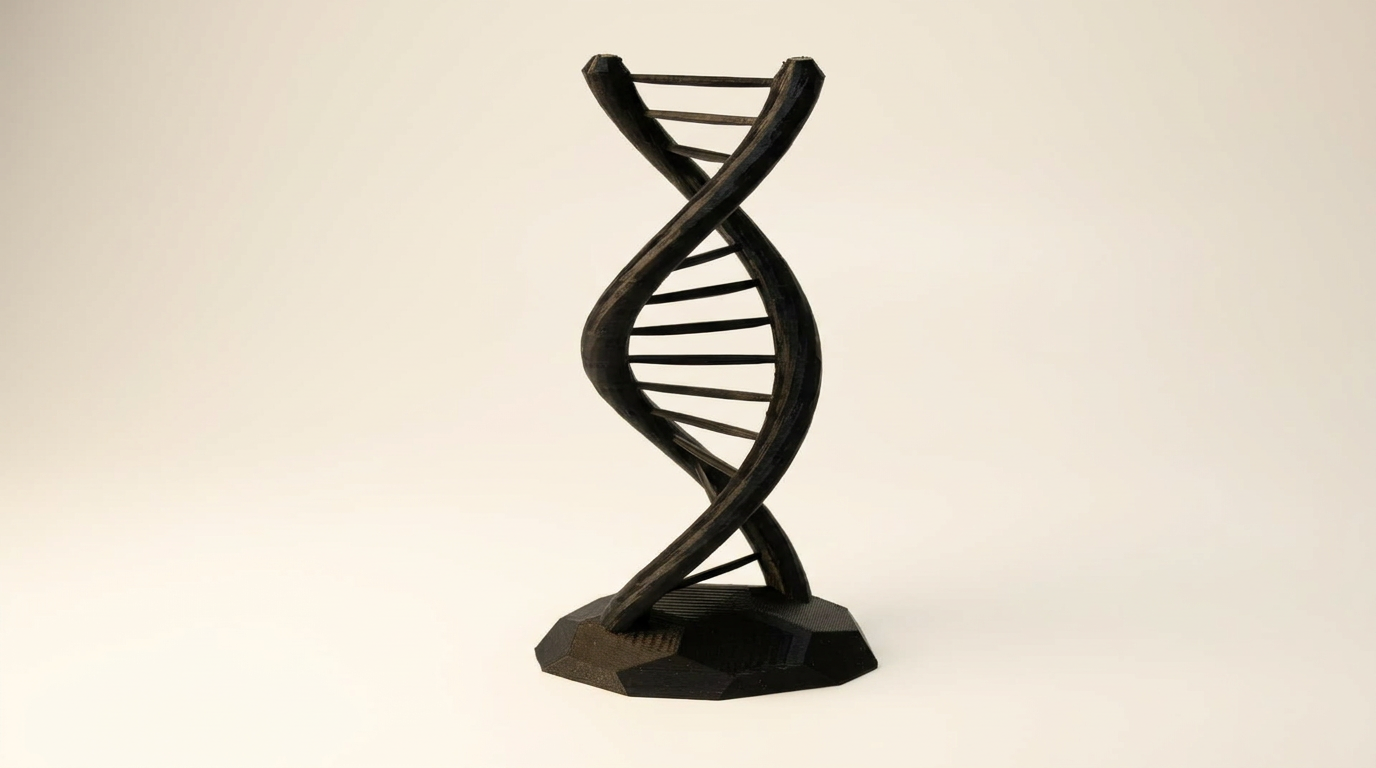
3D Central DNA Double Helix: A Desk Ornament with a Scale Problem
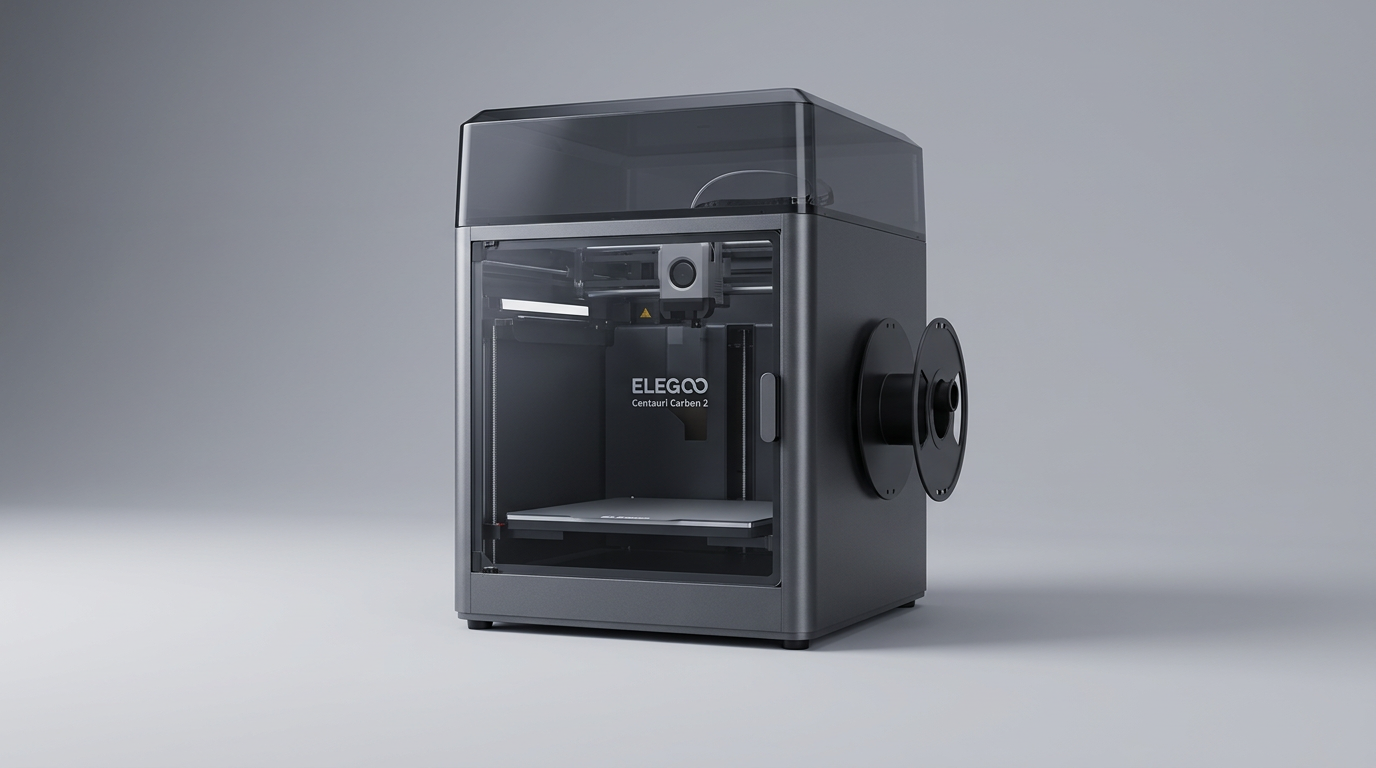
ELEGOO Centauri Carbon 2 Combo Review: Bridging the Speed Gap
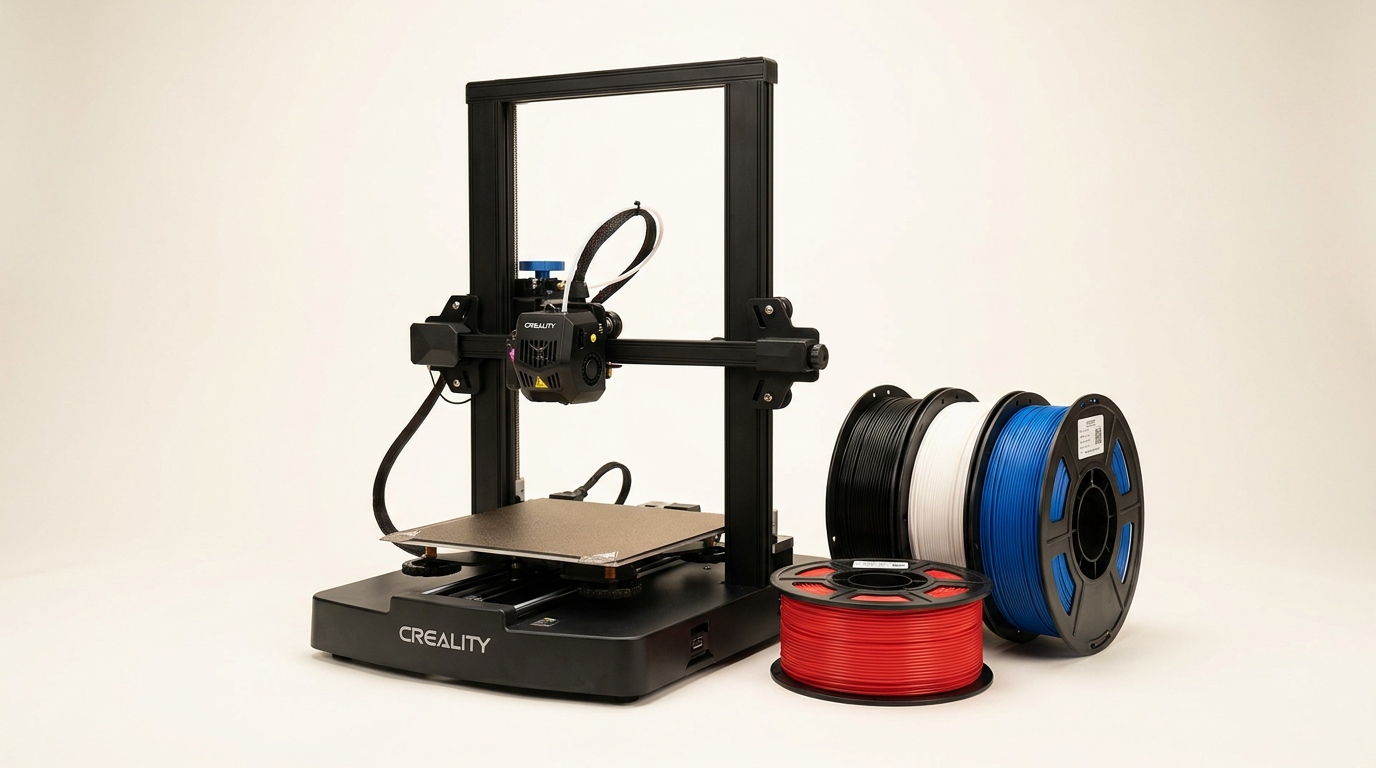
Creality Ender 3 V3 SE Review: A Gateway to 3D Printing
This review is based on real experiences shared by owners in online communities.