
ANYCUBIC Photon Mono M7 MAX Review: The 'Evergreen' Resin Printer?
This review is based on real experiences shared by owners in online communities.
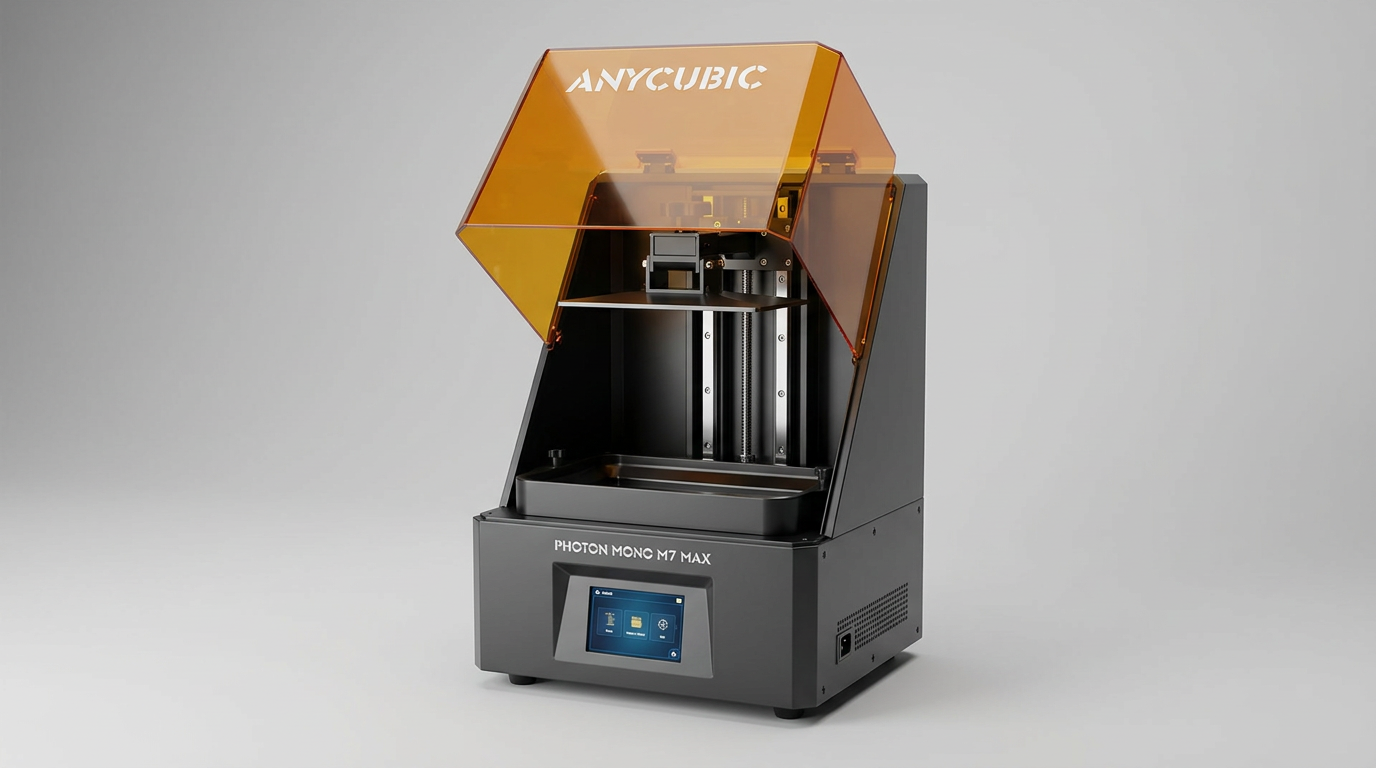
The resin 3D printer market has normalized a cycle of rapid obsolescence, driven by ever-increasing screen resolutions and consumable LCD panels. Most machines arrive with an implicit expiration date, tied to the finite lifespan of their primary light source. The ANYCUBIC Photon Mono M7 MAX, however, quietly challenges this paradigm, attempting to redefine the durability curve for hobbyist and prosumer resin printing. It aims to transcend the typical “disposable screen” model, positioning itself as a more persistent tool in the workshop.
This printer isn't just another incremental upgrade in resolution or build volume; it introduces design elements that point toward a longer service life, particularly its DLP-like projection system. While still boasting impressive detail and a substantial build plate, the M7 MAX's core innovation might be its bid for operational longevity over raw speed or pixel density alone. This review explores whether its robust construction and screen technology truly deliver on that promise, or if it merely shifts the maintenance burden elsewhere.
What owners love
- + Exceptional print detail and quality, particularly for miniatures
- + Large build volume suitable for batch production and big models
- + Enhanced durability due to non-LCD projection system
- + Generally easy setup and user experience
- + Integrated resin temperature control and auto-management features
Common complaints
- − Slower print speeds than manufacturer claims and some competitors
- − Confusion and difficulty with initial software setup for some users
- − Heavy build plate makes print removal physically demanding
- − Fumes require significant ventilation due to resin material
- − Plastic resin vat and exterior materials feel less premium
Design & Build
The Photon Mono M7 MAX projects a substantial, almost commercial-grade presence. Owners frequently describe it as a “beast,” emphasizing its sturdy construction, particularly the heavy build plate. This plate, likened to an “anvil” by one user, contributes to stability during printing but also makes print removal a physically demanding task. The flip-top design facilitates access to the print area. While the internal components are robust, some users note that the external casing, including the plastic resin vat, can feel less premium than expected given the printer's capabilities. This contrast between industrial-grade internals and functional, rather than luxurious, externals highlights a pragmatic design choice focused on performance and durability over aesthetic polish. The recurring mention of the build plate's weight, while a minor inconvenience, also speaks to a foundational solidity that inspires confidence during long print jobs.
Setup & Ease of Use
For many, the M7 MAX offers a straightforward setup experience. Multiple owners characterize it as “easy to use” and “plug and play” for beginners. The responsive touch screen and clear instructions contribute to a smooth initial process. However, a segment of users, particularly those accustomed to other slicing software like Chitubox, report difficulties in configuring the printer or achieving optimal settings. This suggests a "Photon Studio Learning Curve," where mastering Anycubic's proprietary software is key to unlocking the printer's full potential. The need to dial in resin settings, a common characteristic of resin printing, is also present here, with some users spending time to achieve desired results. Despite these initial hurdles for some, once configured, the machine operates consistently.
Performance in Real Use
The M7 MAX consistently delivers on print quality and detail. Owners highlight its ability to render “incredible detail,” even capturing fine features like hair on models. This precision is attributed to the 7K resolution and small XY-axis pixel size. The large build volume enables batch printing and larger models, reducing the need for splitting and rejoining parts. However, a significant point of contention revolves around print speed. While manufacturer claims suggest speeds up to 60mm/h, several users report actual printing times slower than anticipated, sometimes even slower than older models. One owner identified default lift and retract speeds as being too high, causing print failures until adjusted. This discrepancy between advertised and real-world speed suggests a "Speed-Detail Compromise" where users must prioritize either speed or success rate through careful calibration. The integrated resin temperature control and automatic resin management system contribute to higher success rates, mitigating common resin printing issues.
Software & Ecosystem
The printer primarily relies on Anycubic's Photon Workshop software for slicing. While some long-term users note improvements in Photon Workshop, others express a preference for alternative slicers like Blueprint Studio, particularly for support generation. The initial confusion some users experience with software configuration indicates that while the hardware is capable, the accompanying software ecosystem still has room for enhanced user-friendliness and broader compatibility. The inclusion of features like Intelligent Release 2.0 and dynamic Light-off Compensation are designed to optimize printing efficiency within the Anycubic software framework. The 360-degree self-check system, including residual resin detection and failed print detection, aims to streamline workflow and reduce operational errors, providing a layer of intelligent automation that benefits daily use.
Value & Reliability
The M7 MAX distinguishes itself through its non-LCD projection system, a design choice that offers a significant reliability advantage. Traditional resin printers face a "screen-life tax," where LCD panels are consumables with a finite lifespan, typically around 2000 hours. The M7 MAX’s approach eliminates this recurring replacement cost and downtime, making it a more appealing long-term investment, particularly for users with high printing volumes. While the initial purchase price might be in the mid-range for larger resin printers, the reduced need for screen replacements presents a substantial hidden upside over the product's lifetime. However, there is an isolated report of an LCD failure within weeks, which, if representative of a larger trend, would undermine this core reliability proposition. Overall, for users prioritizing long-term operational stability and reduced maintenance, the M7 MAX offers a compelling value proposition, despite its minor material choices on the exterior.
Verdict
Buy - This printer offers exceptional print quality and long-term reliability for high-volume users.
This is an excellent choice for serious hobbyists, small businesses, or educational institutions that produce many resin prints and seek to minimize recurring maintenance. Its large build volume accommodates batch production, and the non-LCD projection system reduces the 'screen-life tax' common to other resin printers, delivering better long-term value. Those new to resin printing will find its core functionality accessible, provided they are willing to navigate a short learning curve for software settings. Users prioritizing absolute fastest print speeds above all else, or those unwilling to contend with a heavy build plate, might consider alternatives.
The Photon Mono M7 MAX represents a crucial evolutionary step away from the disposable screen model. By reducing the reliance on a consumable LCD, it positions itself as an 'evergreen' option, allowing owners to invest in a machine that will remain operational and cost-effective over a much longer horizon than its competitors, quietly extending the effective lifespan of their resin printing infrastructure.
FAQ
More 3D Printers reviews
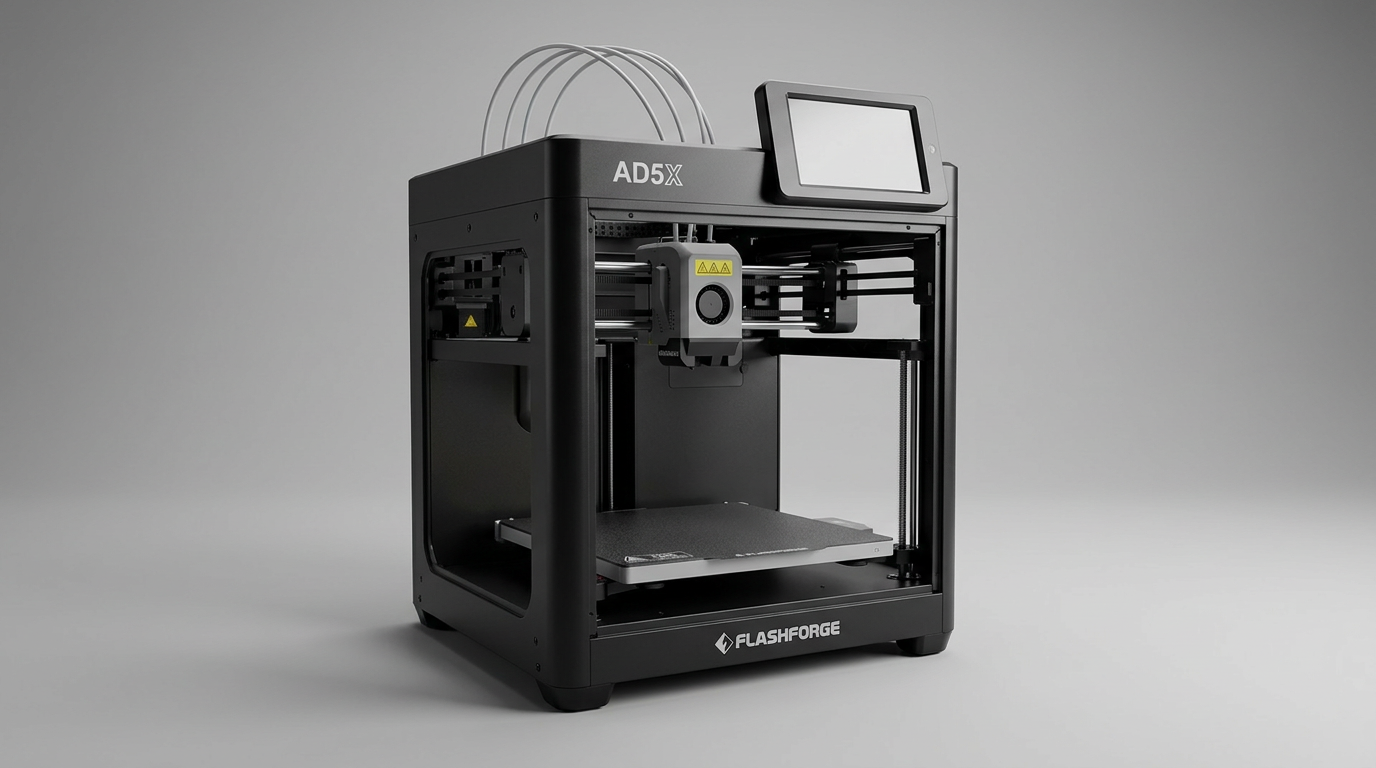
FLASHFORGE AD5X Review: Multi-Color Printing at Speed
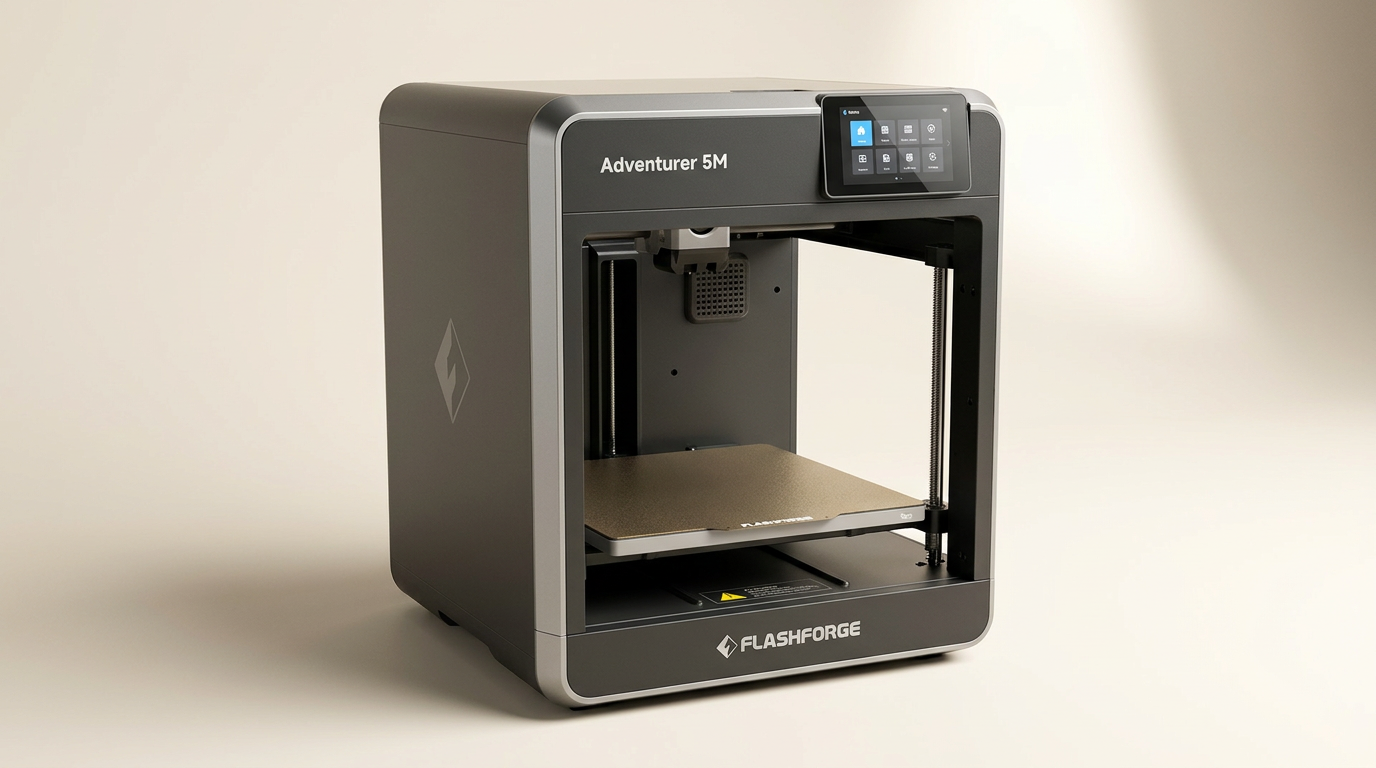
FLASHFORGE Adventurer 5M Review: Speed and Simplicity for the Novice
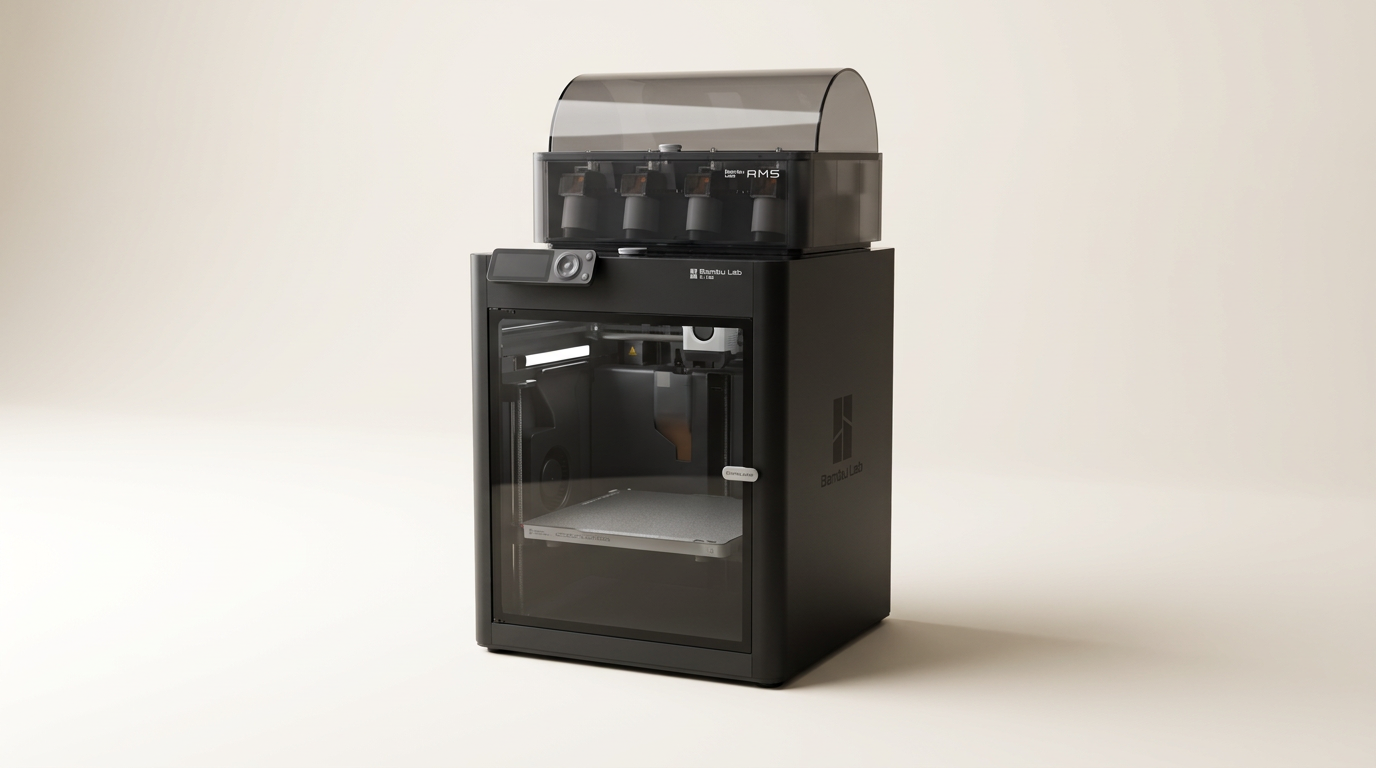
Bambu Lab P1S Combo Review: The 3D Printer for the Making Generation
ANYCUBIC Wash and Cure 3.0 Review: A Post-Processing Necessity
FLASHFORGE Adventurer 5M Pro Review: The Enclosed Beginner 3D Printer
Sovol SV08 Max Review: A Colossal CoreXY Printer for the Committed
This review is based on real experiences shared by owners in online communities.