
AMZPro Filament Storage Box Review: A Humble Workhorse
This review is based on real experiences shared by owners in online communities.
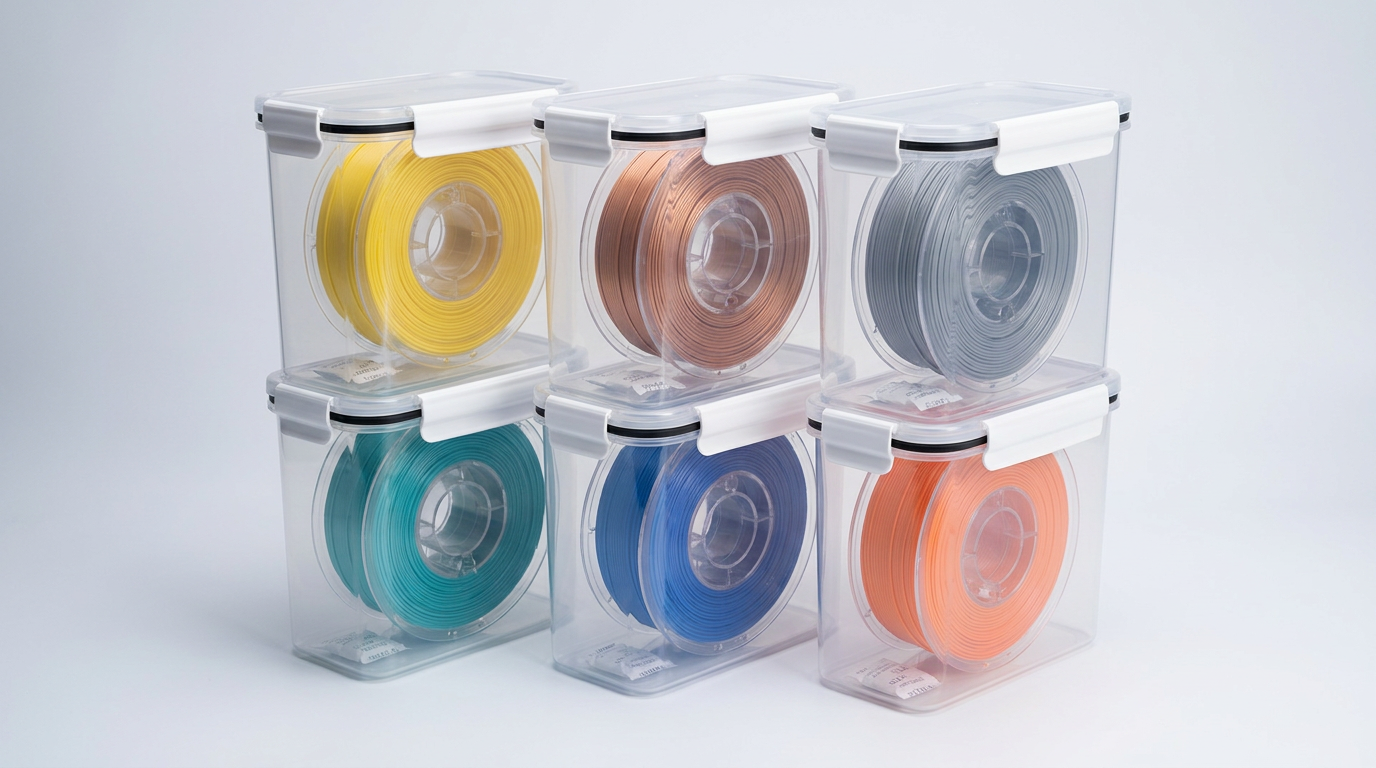
The modern 3D printing landscape is increasingly complex, with exotic materials and high-speed machines pushing the boundaries of what home fabrication can achieve. Yet, a fundamental challenge persists: moisture degradation. Filaments, especially hygroscopic types like PETG or Nylon, absorb ambient humidity, leading to print failures, weak parts, and wasted material. While dedicated filament dry boxes offer active heating, their cost and complexity can deter casual users.
This is where simpler, passive solutions like the AMZPro Filament Storage Box find their niche. These containers, openly acknowledged by many owners as repurposed food storage bins, offer a straightforward approach to moisture control. The question isn't whether they are purpose-built from the ground up for 3D printing, but rather how effectively they perform their adopted role.
The AMZPro boxes embody what we term the "Low-Tech Lock-Down" strategy for filament preservation. Instead of advanced electronics, they lean on mechanical sealing and desiccants to create a stable micro-environment. This approach trades real-time humidity control for cost-effectiveness and durability, making them a compelling option for a specific segment of the 3D printing community.
What owners love
- + Effective at maintaining low humidity levels with desiccant
- + Universal fit for most 1kg filament spools
- + Good value for a multi-pack storage solution
- + Durable, clear plastic construction
- + Promotes organization of filament stock
Common complaints
- − Lid seals can be initially stiff or finicky
- − Stacking stability is not optimal for tall configurations
- − Reliance on desiccant for humidity control
- − Not purpose-built; some users adapt them with 3D printed accessories
- − May not maintain extremely low humidity without additional effort
Design & Build
The AMZPro Filament Storage Boxes are simple in their construction: clear plastic containers with snap-on, hinged lids featuring a silicone seal. Owners frequently observe that these are functionally identical to common kitchen cereal or dry goods containers. Despite this, the build quality earns consistent praise; the plastic is clear, durable, and lacks a brittle feel, a notable advantage over cheaper alternatives. The inclusion of a silicone gasket around the lid opening is a key design element, cited by the manufacturer and validated by owners for enhancing the seal. The transparent design allows for quick identification of filament type and color without opening the container, a practical benefit for users managing a diverse material library. While not designed specifically for filament, their inherent robustness from a different consumer category gives them a surprising resilience here.
Setup & Ease of Use
Setting up these containers is straightforward. Each box accommodates a standard 1kg filament spool, often with ample space remaining for desiccant packs and even a small hygrometer. Owners report a 'perfect fit' for most common spool sizes. The boxes come with desiccant packs, simplifying the initial setup. Operation involves simply placing the spool and desiccant inside, then securing the snap-shut lid. Some users note that the lids can be 'a bit finicky at first' but generally establish a secure seal. The 'Low-Tech Lock-Down' philosophy means there's no complex calibration or power requirements; users just need to ensure the lid is properly latched. This simplicity makes them an immediate upgrade over less robust storage methods like vacuum bags, which can be prone to leakage or wear.
Performance in Real Use
In terms of core performance-keeping filament dry-owners consistently report positive results. With desiccant inside, containers maintain humidity levels in the 20-25% range, and several long-term users have observed stable relative humidity (RH) for a week or more. One owner specifically noted consistent moisture levels below 10% when using a hygrometer. While the seal is described as 'good' and 'airtight,' a few observations indicate it might not be absolutely perfect, with one user stating the seal is 'good but not great.' This suggests a degree of effectiveness that satisfies most, but may not meet ultra-low humidity requirements without active drying. The boxes also contribute to an organized workspace, helping users quickly locate specific filament types, a benefit that reduces 'filament friction' during project setup.
Software & Ecosystem
As passive storage containers, the AMZPro boxes do not incorporate any software or digital ecosystem features. However, their design lends itself well to community-driven enhancements. Owners frequently engage in 'Additive Adaptations,' leveraging 3D printing to create custom accessories. These include mounting plates for hygrometers, dedicated holders for desiccant beads, and internal spool holders to allow for printing directly from the sealed container. This adaptability, driven by the user base, extends the utility of the basic container beyond its initial design, effectively creating a personalized, low-cost dry box system that caters to individual needs without relying on proprietary systems or software.
Value & Reliability
The value proposition of the AMZPro Filament Storage Box is a recurring theme among owners. Priced in the range of comparable multi-packs, users consider them an 'amazing value' and 'great value for the money.' The inclusion of desiccant with each container further enhances this perception. Many have purchased multiple sets, citing their effectiveness and affordability. Reliability is generally high; the durable plastic construction holds up well to repeated use, and the seals perform consistently. For users transitioning from less effective solutions like vacuum bags, these containers represent a significant upgrade in both reliability and convenience. The "Low-Tech Lock-Down" approach proves robust, offering dependable passive protection without the complexity or failure points of active systems.
Verdict
Buy - These containers offer an excellent, cost-effective solution for passive filament storage and humidity control.
These boxes are ideal for any 3D printing enthusiast who wants to protect their filament without investing in expensive active drying solutions. They are particularly well-suited for users with a growing filament collection who need an organized, reliable system for common hygroscopic materials. If you operate primarily with PLA, PETG, or ABS and prioritize value and simplicity, these containers, available around $30 for a six-pack, present a compelling option. Those who print with highly sensitive materials like Nylon or PC, or who demand extremely low, actively maintained humidity levels, may find these a good baseline but might ultimately require heated dry boxes.
What these boxes reveal is the enduring power of "functional repurposing" in the maker community. While not conceived for 3D printing, their effective adaptation highlights how practical design, when paired with user ingenuity, can often outperform specialized, pricier alternatives. They are not a cutting-edge solution, but a testament to how simple, robust engineering can solve a critical problem efficiently.
FAQ
More 3D Printer Parts & Accessories reviews
ELEGOO Filament Storage Bags Review: The Unsung Hero of 3D Printing
BambooSegD RGB LED Lamp Kit: The 3D Printer Accessory Standard
Creality TPU 95A: A Flexible Filament for Patient Printers
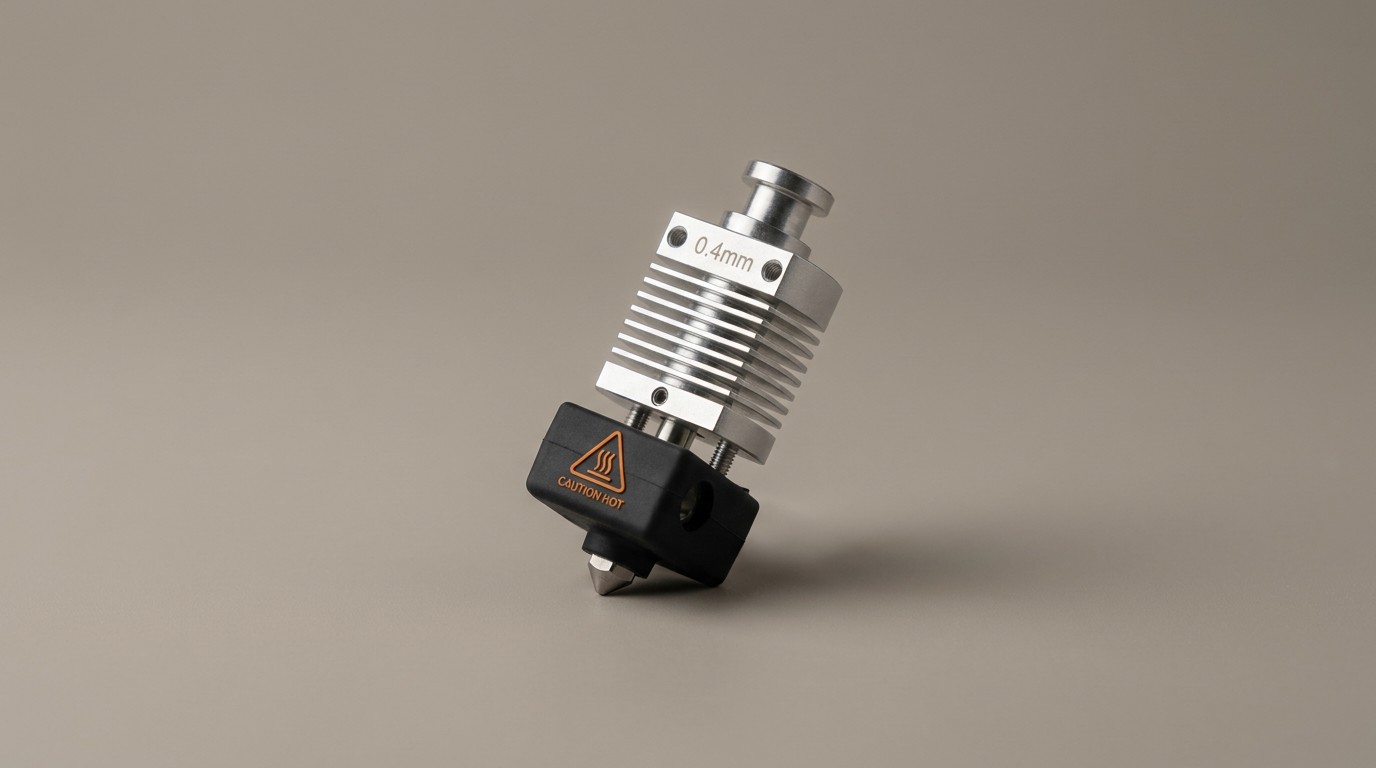
UniTak3D Quick-Swap Hotend 0.4mm Review: A Solid Bambu A1 Alternative
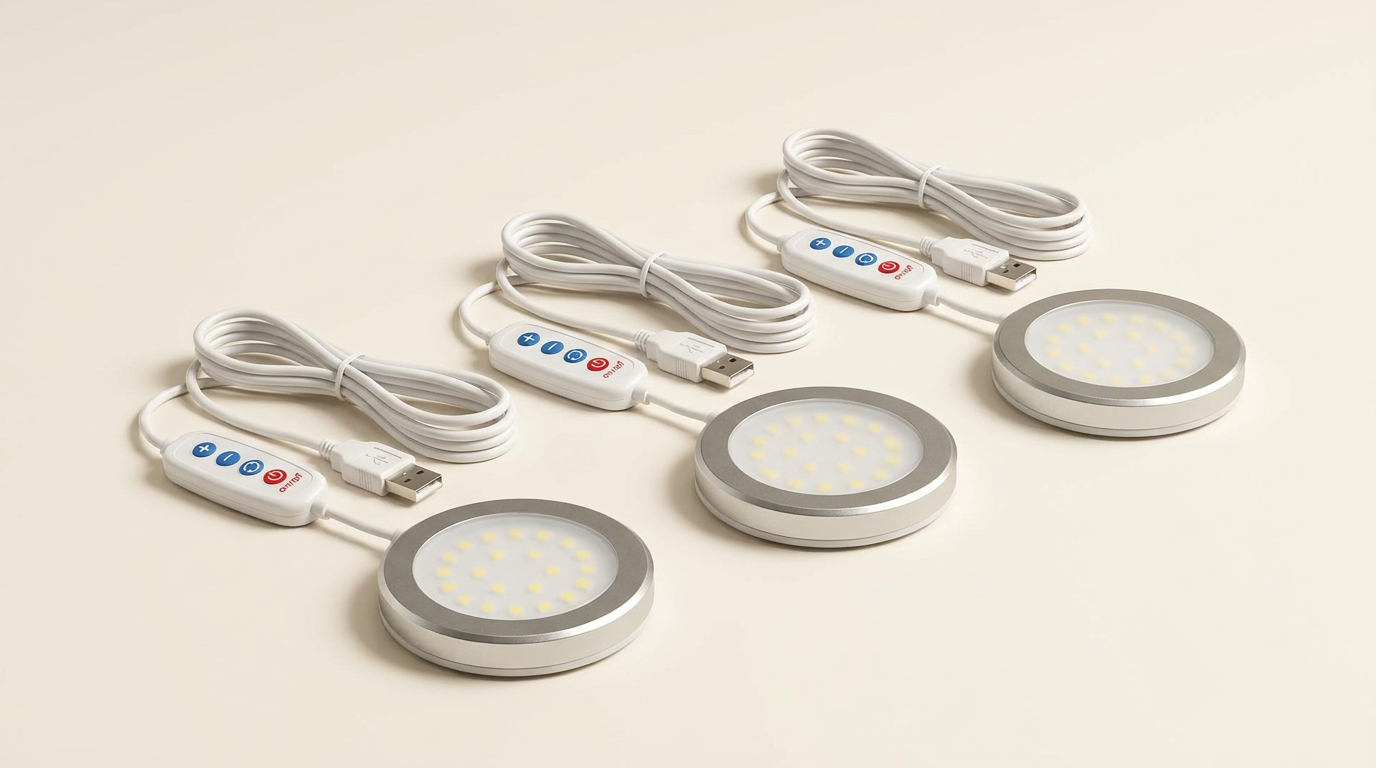
3DZWMAN LED Lamp Kit Review: The Smart Alternative for 3D Print Lighting
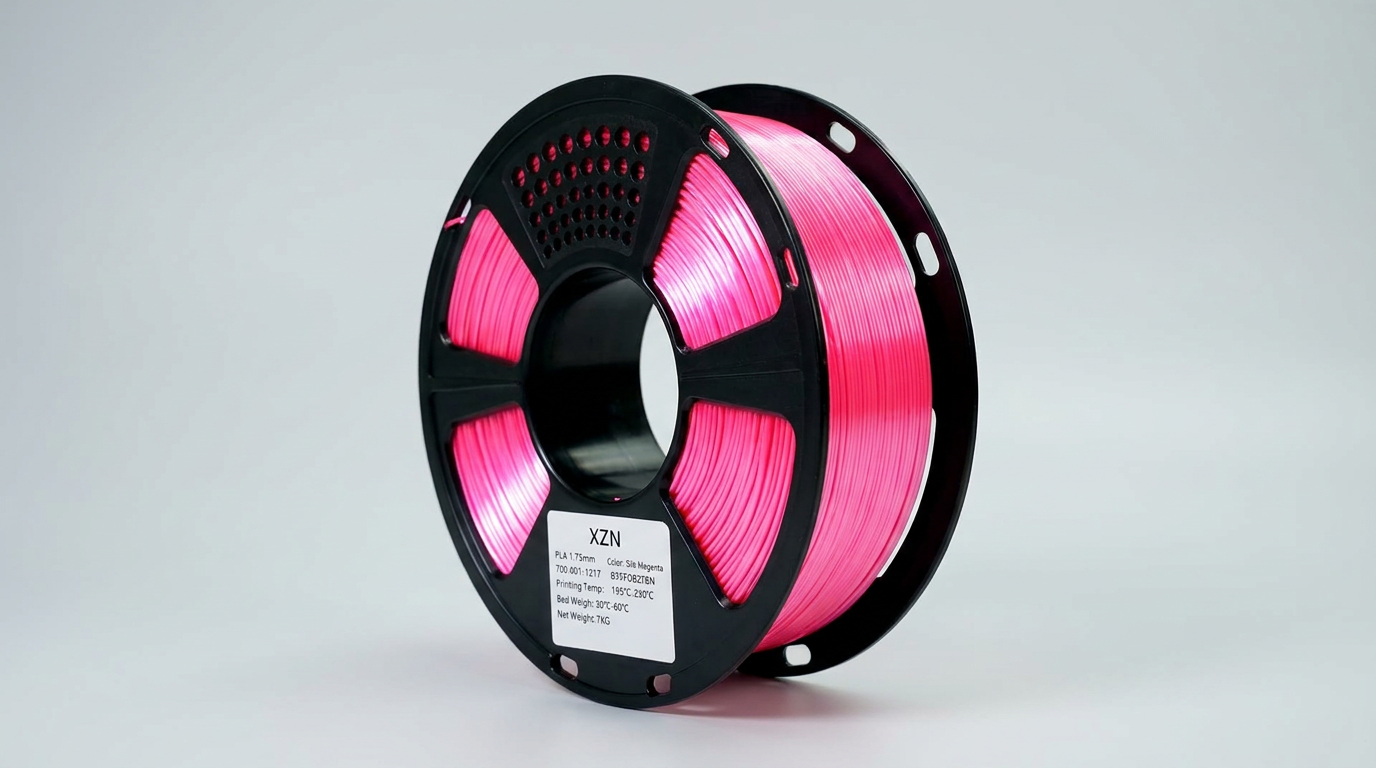
XZN Silk PLA Filament Review: Visual Impact and Printing Consistency
This review is based on real experiences shared by owners in online communities.