
SUNLU PLA Plus Filament Review: The Workhorse for Everyday 3D Printing
This review is based on real experiences shared by owners in online communities.
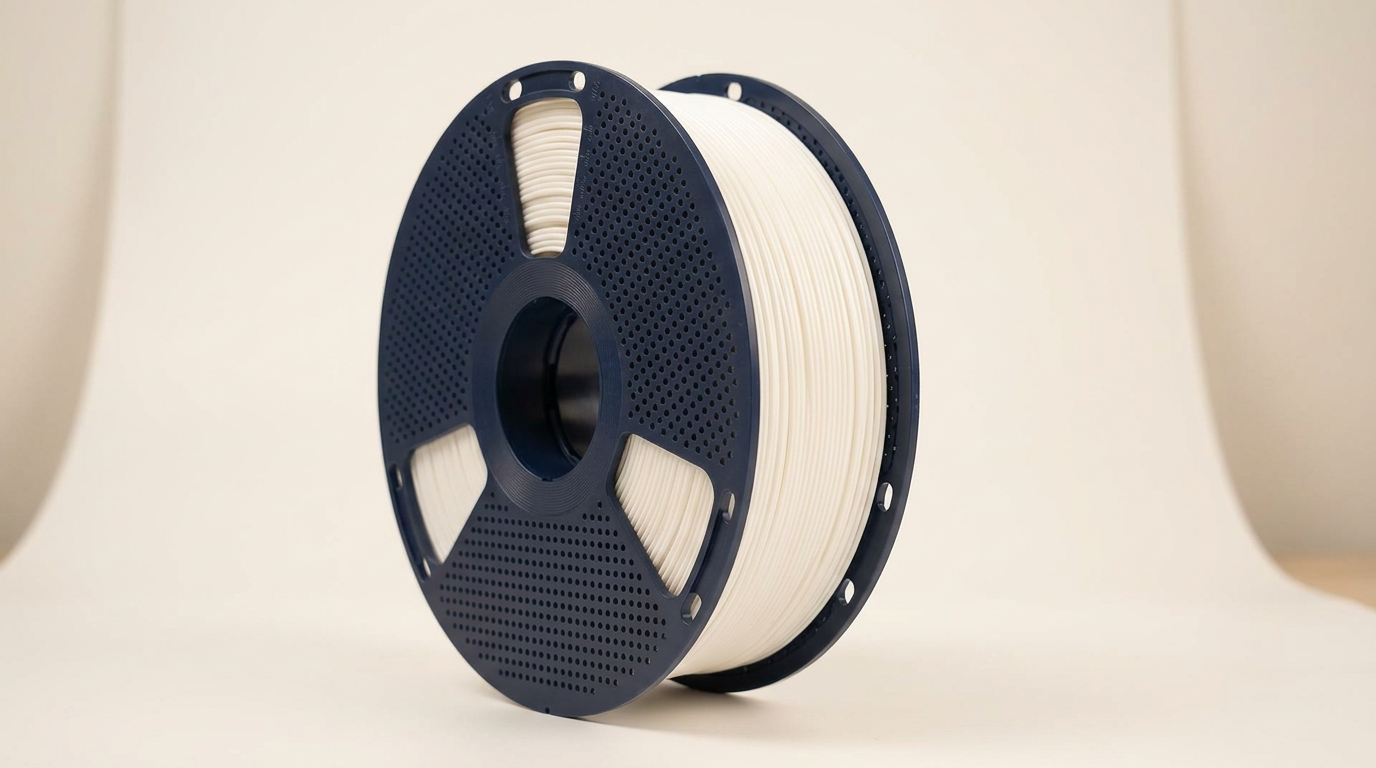
In a market saturated with 3D printing filaments, the SUNLU PLA Plus stands out not by pushing boundaries, but by consistently meeting expectations. While many brands chase exotic material properties or niche applications, SUNLU leans into the foundational requirements of high-volume, reliable printing. This positions it as the "utility player" of the filament world: not glamorous, but essential for the day-to-day operations of countless print farms and hobbyists seeking consistent results.
This filament directly challenges the common perception that affordable materials inherently compromise quality. Instead, it aims for a compelling balance, offering a PLA Plus formulation designed for increased strength and ease of use. The question for many users is whether this balance holds up under varied printing demands without introducing new headaches, or if its affordability comes with a hidden "calibration tax" on print time and consistency.
What owners love
- + Consistent print quality and reliable bed adhesion
- + Enhanced strength compared to standard PLA formulations
- + Neatly spooled with minimal tangles or winding issues
- + Available at a competitive price point
- + Compatible with a wide range of popular FDM printers
Common complaints
- − May require minor calibration for optimal flow and temperature
- − Larger spool hub diameter can cause issues on some setups
- − Some owners report temperature sensitivity for best results
- − Occasional corner lifting reported by a few users
Design & Build
The SUNLU PLA Plus filament arrives in a vacuum-sealed bag, often with desiccant, a standard practice that owners appreciate for ensuring material dryness on arrival. The material itself is a PLA Plus blend, marketed for increased strength over conventional PLA. Owners corroborate this, noting printed objects exhibit notable robustness. The white color, in particular, receives positive remarks for its uniform appearance, lending itself well to applications requiring a clean, neutral base, such as custom sewing machine parts or dollhouse furniture. This material, while not revolutionary, represents a pragmatic evolution of standard PLA, addressing the common desire for more durable prints without moving into more challenging materials. It embodies what we term the "Strength Utility" principle: enhancing a core property to expand applicability without introducing complexity.
Setup & Ease of Use
Initial setup with SUNLU PLA Plus generally proves straightforward for experienced users. Owners frequently mention its compatibility with various FDM printers, including popular models like Bambu and Creality, often running with generic PLA+ settings. However, some users report the need for minor calibration, specifically adjusting flow rate and e-steps, to achieve optimal results and prevent bonding issues. This suggests the filament benefits from a user's willingness to fine-tune their printer settings, an implicit "calibration curve" that rewards patience with better print outcomes. The neatly wound spools are a recurring positive, with users rarely reporting tangles or winding problems, which contributes significantly to uninterrupted print jobs.
Performance in Real Use
The day-to-day performance of SUNLU PLA Plus is a consistent highlight. Owners frequently laud its reliability, citing excellent bed adhesion and smooth extrusion without common issues like clogging or excessive stringing. Printed objects consistently exhibit well-bonded layers and a smooth texture. The claim of increased strength over standard PLA is a repeated observation from users. While many report no need for immediate drying out of the box, some habitually dry all their filaments as a precaution, which suggests optimal performance still benefits from a controlled moisture environment. Its performance profile reveals it to be a "consistent contributor" rather than a peak performer in any single metric, excelling through its balanced, predictable output across a variety of projects.
Software & Ecosystem
SUNLU PLA Plus operates within a broad 3D printing ecosystem, showing strong compatibility with various slicing software and printer brands. Owners using Bambu Studio, for example, note that while custom profiles can enhance results, the filament performs well even with generic PLA+ settings. The brand's position as a "go-to" for many users, including those with advanced Bambu printers, underlines its broad utility. This material fits comfortably into diverse workflows, from hobbyist projects to more demanding bulk printing operations. This flexibility indicates the filament avoids the "walled garden" problem, allowing users to integrate it into their existing setups without significant software or hardware modifications.
Value & Reliability
The value proposition of SUNLU PLA Plus is compelling. Owners consistently refer to it as offering great quality for its price point, solidifying its status as a reliable and cost-effective option. The consistent quality across batches, evidenced by users ordering in bulk and repeatedly selecting SUNLU over other brands, underscores its dependability. For those engaged in high-volume printing or seeking a dependable, affordable material without constant troubleshooting, this filament delivers. Its reliability, combined with its accessibility, represents what we might call "The Baseline Advantage" for filament: it consistently performs at a level that minimizes frustration and cost, becoming a foundation rather than a specialty material.
Verdict
Buy - SUNLU PLA Plus consistently delivers reliable print quality and enhanced strength at a competitive price, making it a dependable choice for everyday 3D printing.
This filament suits both novice and experienced 3D printer users seeking a robust and affordable material for a wide range of applications. It is particularly well-suited for those who prioritize consistency and value over specialized, high-performance characteristics. Users with printers that allow for minor calibration adjustments will maximize its potential. Those who require highly specific material properties, or who are unwilling to make minor flow and temperature adjustments, might consider alternatives that offer out-of-the-box perfection for their exact setup.
The SUNLU PLA Plus solidifies its niche as the "unheralded workhorse" of 3D printing. It may not grab headlines with breakthrough features, but its consistent, predictable performance and accessible price point solve a fundamental problem for the majority of users: producing quality prints without constant frustration or significant expense. It's the material that allows users to focus on their designs and projects, rather than the filament itself.
FAQ
More 3D Printing Supplies reviews
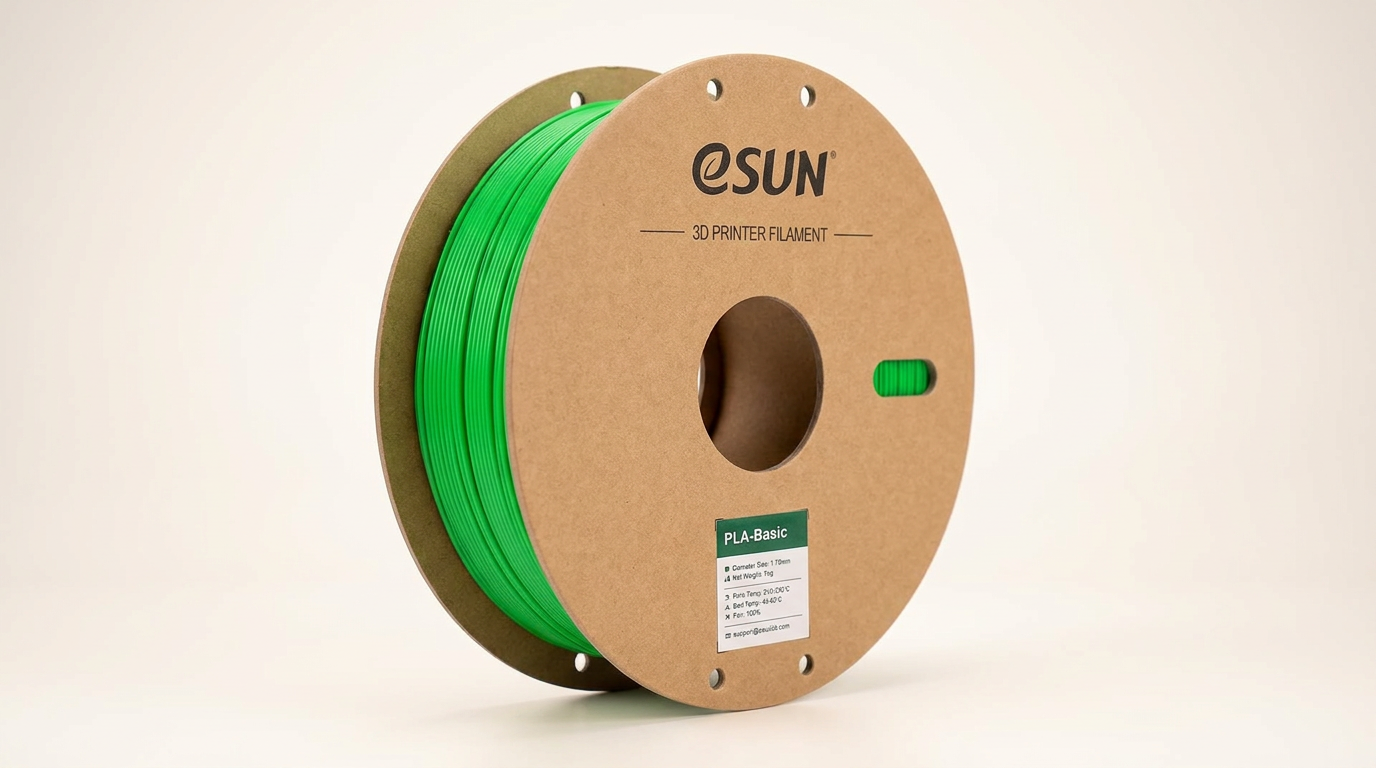
eSUN PLA Basic Filament Review: A Workhorse for 3D Printing
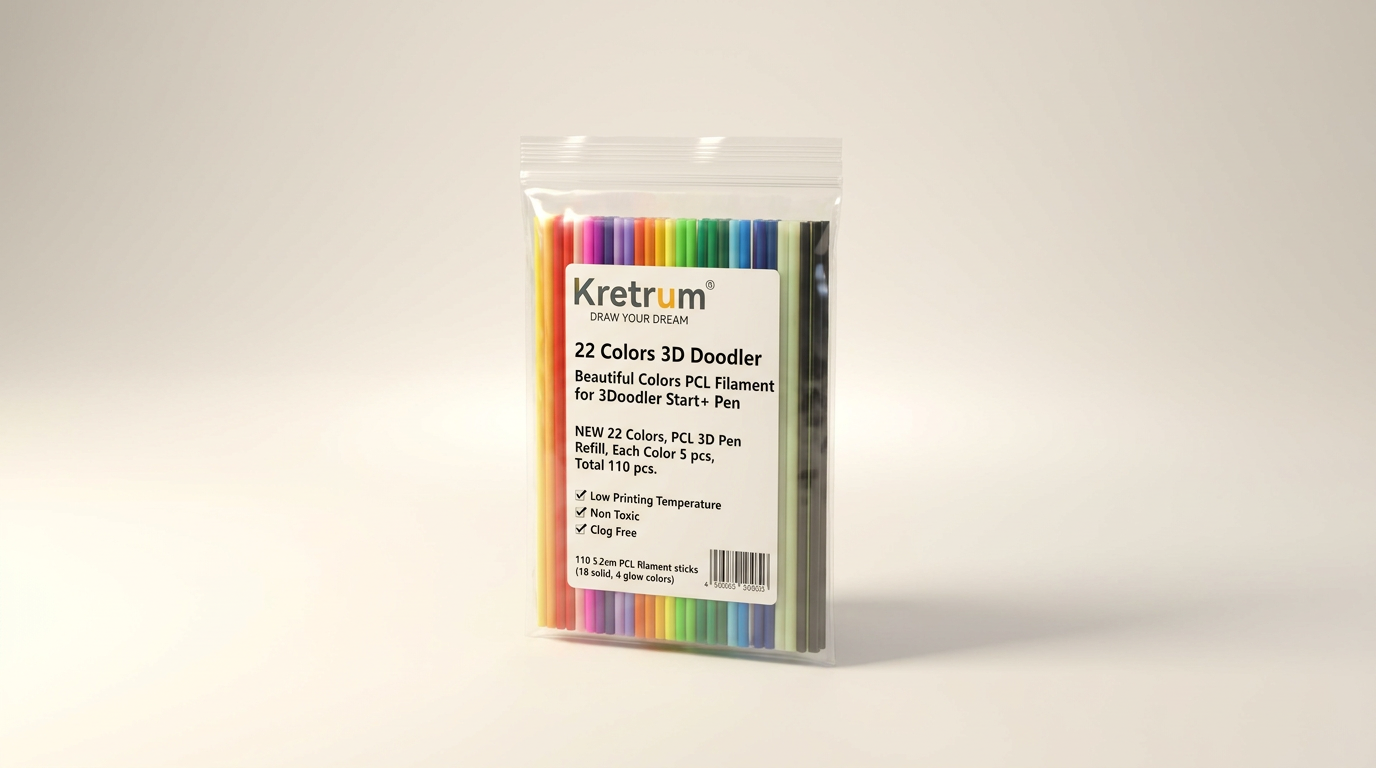
Kretrum 3Doodler Start+ Refills: Expanding Creative Horizons
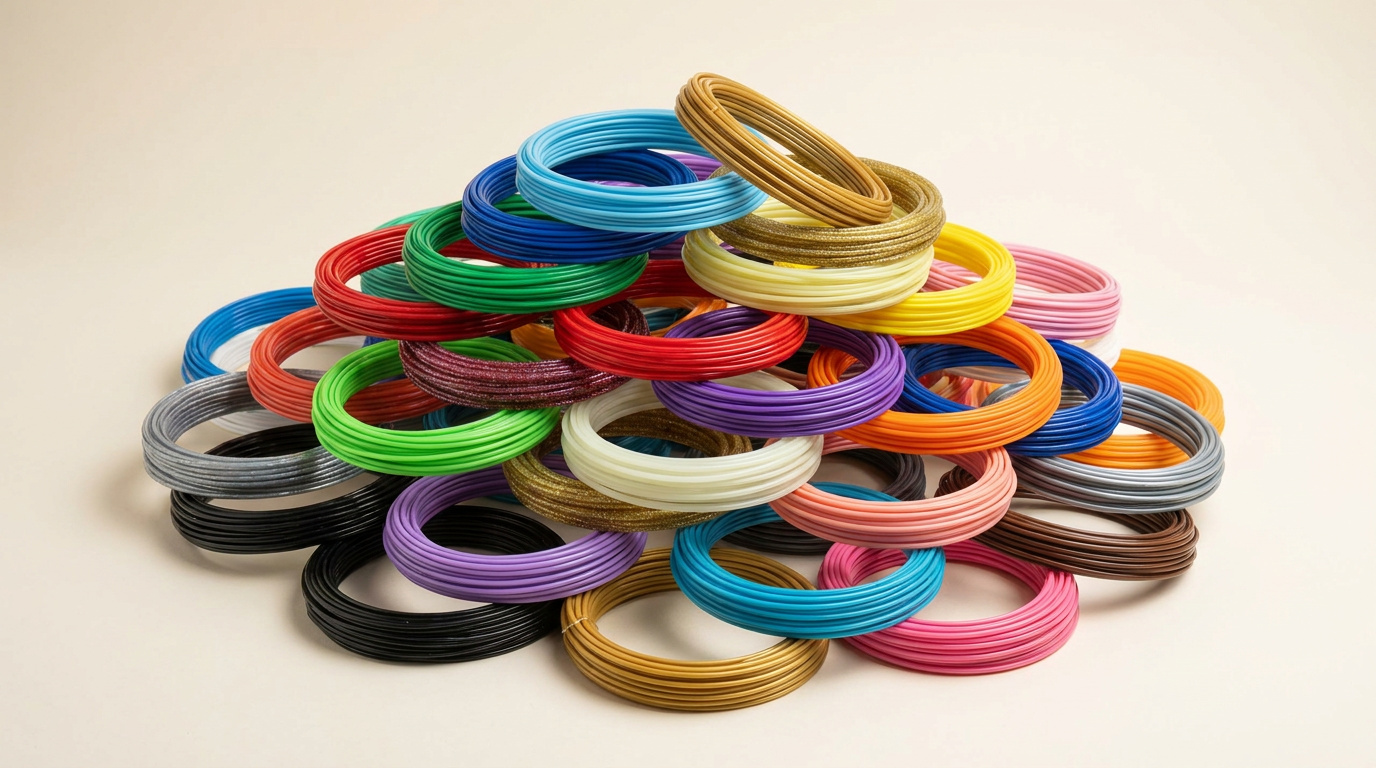
Kretrum 40 Colors PLA 3D Pen Filament Refills Review
Fanttik T1 Max Review: A Cordless Soldering Iron for the Modern Maker
ELEGOO Silk PLA Filament Review: A Budget Silk Filament Leader
ELEGOO Matte PLA Filament: A Premium Finish for Everyday Prints
This review is based on real experiences shared by owners in online communities.