
SUNLU PLA+ 2.0 Filament Review: The Everyday Workhorse
This review is based on real experiences shared by owners in online communities.
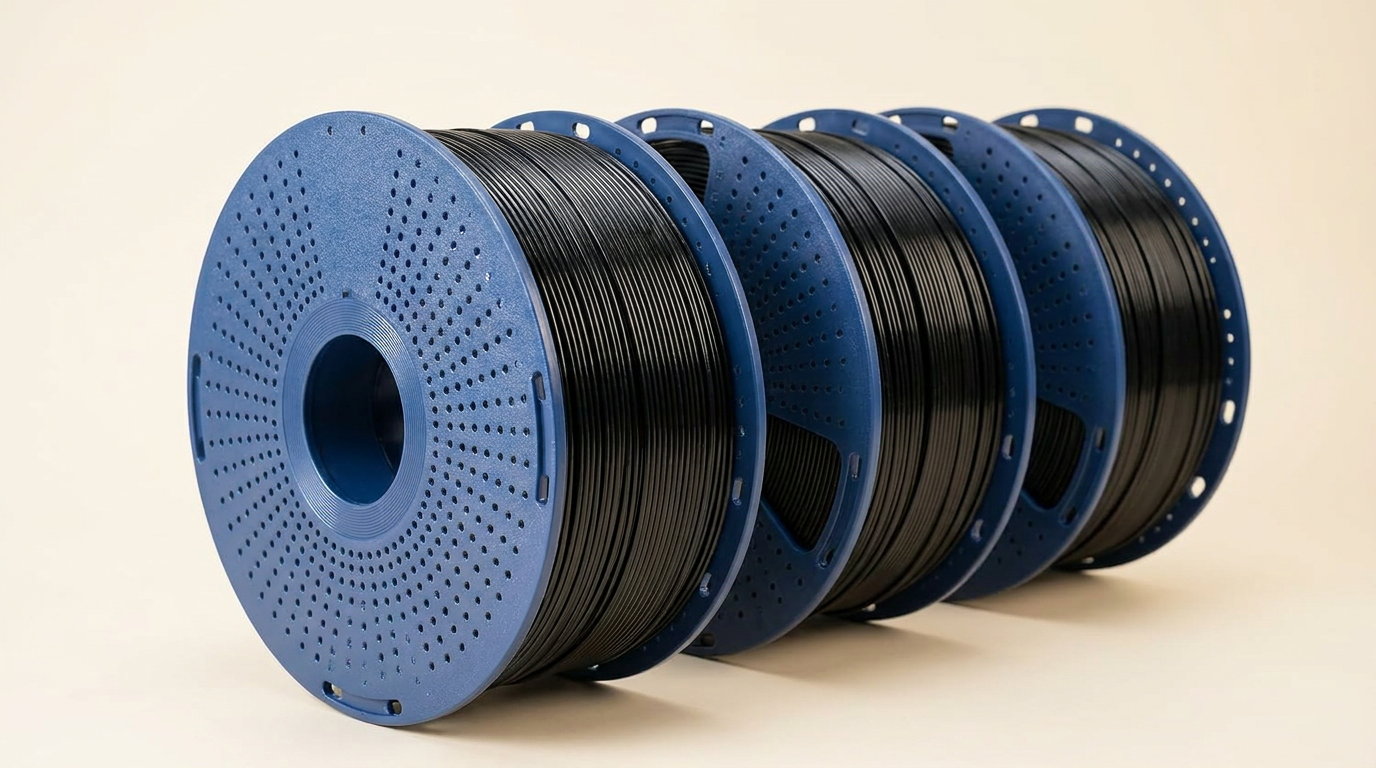
The market for 3D printer filament often feels bifurcated: commodity PLA at one end, and specialized, high-performance blends at the other. SUNLU's PLA+ 2.0 seeks to bridge this gap, promising enhanced durability and faster print speeds without a premium price tag. The challenge for any 'plus' filament is proving its incremental value beyond standard PLA, particularly when many users prioritize cost over marginal gains in material properties.
This PLA+ 2.0 iteration arrives at a moment when high-speed 3D printing is becoming more accessible, driven by machines from brands like Bambu Lab. A filament that can genuinely keep pace with these faster printers without sacrificing print quality or strength is a significant advantage. Our review examines whether the SUNLU PLA+ 2.0 delivers on its claims, positioning itself as a viable option for both everyday projects and more demanding applications.
What owners love
- + Improved strength and durability over standard PLA
- + Consistent and reliable printing with minimal issues
- + Excellent value, especially in multi-spool bundles
- + Effective tangle-free winding
- + Good compatibility with high-speed printers like Bambu Lab models
- + Wide range of attractive colors
Common complaints
- − Requires some tuning for optimal results on certain printers
- − Specific colors may have unique characteristics
- − Not universally superior to all competing 'tough' PLAs
Design & Build
SUNLU promotes its PLA+ 2.0 as an upgraded material, emphasizing increased resistance to brittleness and cracking. Owners consistently report prints that are notably stronger and more robust than typical PLA. This suggests the material formulation genuinely delivers on its enhanced mechanical properties. The spools themselves are designed for practicality; several users appreciate the plastic construction, noting its superiority to cardboard alternatives in maintaining structural integrity during use and storage. This attention to spool quality, often overlooked, contributes to a smoother overall printing experience by preventing potential feeding issues.
Setup & Ease of Use
The PLA+ 2.0 is generally perceived as user-friendly, with many owners reporting straightforward printing experiences right out of the box. However, some users indicate that achieving optimal results, particularly concerning bed adhesion and stringing, might require minor adjustments to printer settings. This 'tuning curve' is a common characteristic of more specialized filaments; while not difficult, it suggests that direct drop-in usage without any calibration might not unlock its full potential for every setup. The filament arrives vacuum-sealed with desiccant, which helps maintain its dryness and readiness for immediate use, a detail appreciated by those who have experienced moisture-compromised filament from other brands.
Performance in Real Use
A key feature of the PLA+ 2.0 is its claimed compatibility with high-speed printing, up to 300mm/s. Numerous reports from users with modern, fast printers like the Bambu Lab P1S and A1 series confirm its ability to perform well at elevated speeds. Owners describe smooth flow, consistent extrusion, and a lack of adhesion or jamming issues. The 'neatly wound' design is frequently cited as preventing tangles and clogs, a critical factor for successful long prints. Output quality is consistently praised, with prints exhibiting smooth layering and vibrant colors. The material's enhanced strength makes it suitable for functional parts, addressing a common limitation of standard PLA.
Software & Ecosystem
As a filament, SUNLU PLA+ 2.0 operates within the broader 3D printing ecosystem, relying on printer firmware and slicing software for its performance. Its widespread compatibility with 1.75mm FDM printers means it integrates seamlessly with existing setups. Users often mention using standard or slightly modified PLA profiles in their slicers, with some adjusting bed temperature and retraction settings. The absence of proprietary requirements or complex software dependencies simplifies its adoption. This plug-and-play characteristic, particularly with popular high-performance printers, positions it as a versatile material choice rather than one tied to a specific hardware or software platform.
Value & Reliability
The SUNLU PLA+ 2.0 often delivers strong value, particularly when purchased in multi-spool bundles, placing it firmly in the budget-friendly category for 'plus' filaments. Owners highlight its consistent quality across batches, with reliable vacuum packaging and proper winding. This consistency is crucial for users who rely on repeatable results. Its overall reliability, characterized by a lack of clogs or tangles and good print adhesion, contributes to a low failure rate for prints, making it a cost-effective choice in the long run. Some users even position it as a strong competitor to higher-priced 'tough' PLA options from other brands, underscoring its performance-to-price ratio.
Verdict
Buy - This filament provides a compelling balance of strength, reliability, and value for everyday 3D printing.
This is a strong recommendation for hobbyists and makers who need a workhorse filament that exceeds standard PLA performance without the higher cost of premium engineering materials. It performs exceptionally well on modern, fast printers, making it suitable for functional prints and iterative prototyping. Those seeking extreme material properties for highly specialized applications might explore other options, but for most general-purpose tough printing, the SUNLU PLA+ 2.0 hits a sweet spot.
The SUNLU PLA+ 2.0 represents the 'democratization of durability' in consumer 3D printing. Where enhanced material properties once commanded a significant price premium, this filament shows that manufacturers can deliver robust performance at a commodity price point, effectively raising the baseline expectation for what 'everyday' PLA can achieve. Its consistent performance, especially on high-speed machines, quietly pushes the category forward, making advanced printing more accessible than ever.
FAQ
More 3D Printing Supplies reviews
ANYCUBIC PLA Filament Refill Review: Smart Spooling
ALECPEA 3D Print Glue Review: Precision Bonding for Makers
EONO3D Matte 95A TPU Review: The Layer-Hiding Flexible
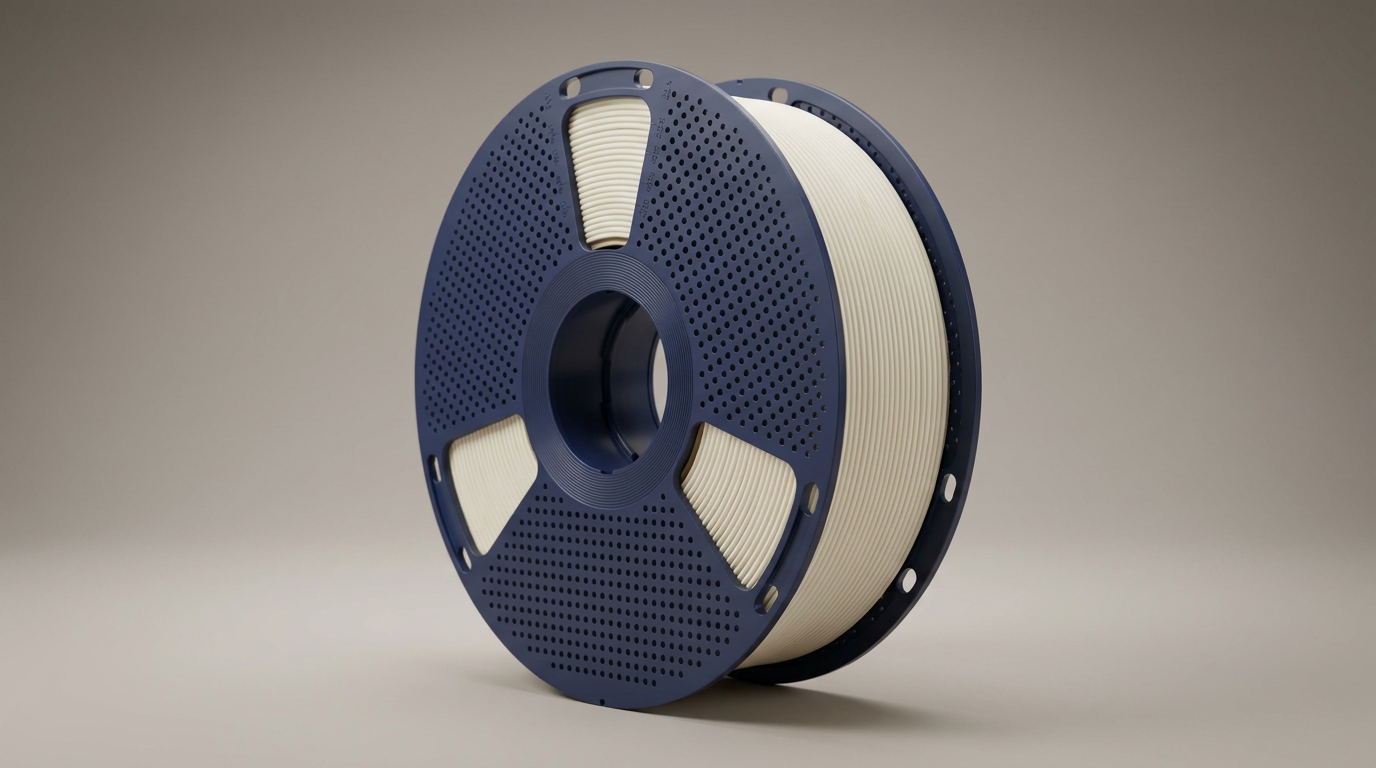
SUNLU Matte Bone White PLA Filament Review: A Budget Workhorse
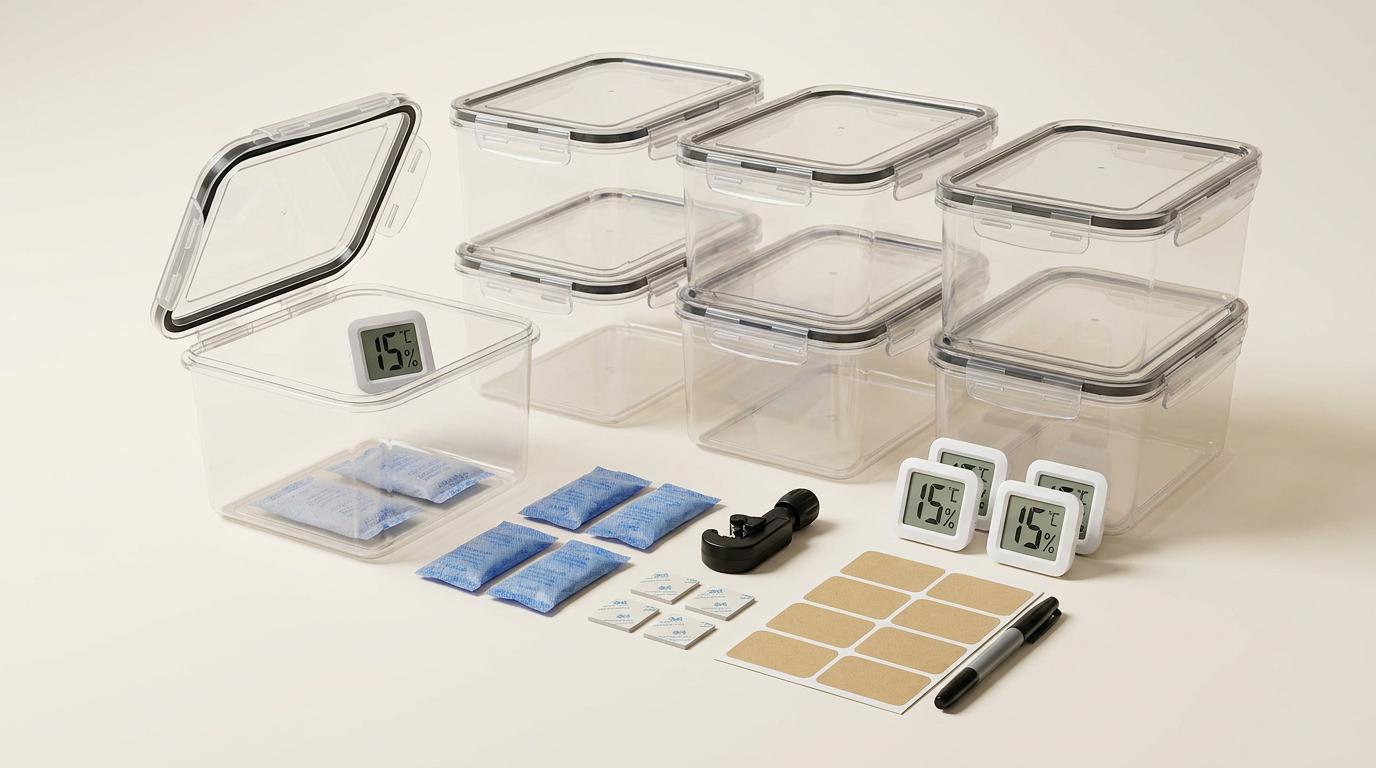
Fuitnerd Filament Storage Box: An Accessible Dry Storage Solution
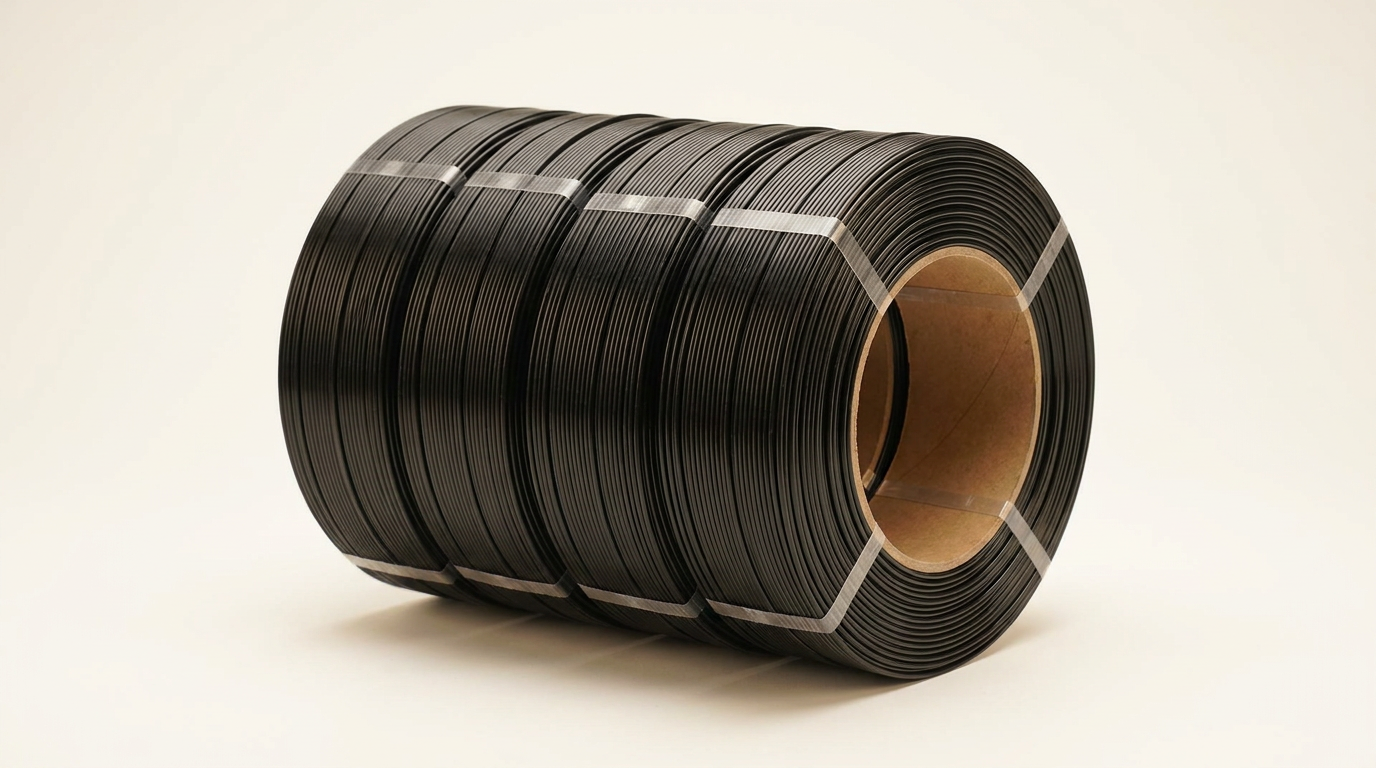
SUNLU PLA+2.0 Filament Refill: An Unspooled Advantage for 3D Printing
This review is based on real experiences shared by owners in online communities.