
SUNLU Filament Dryer S2 Review: Essential for Consistent 3D Prints
This review is based on real experiences shared by owners in online communities.
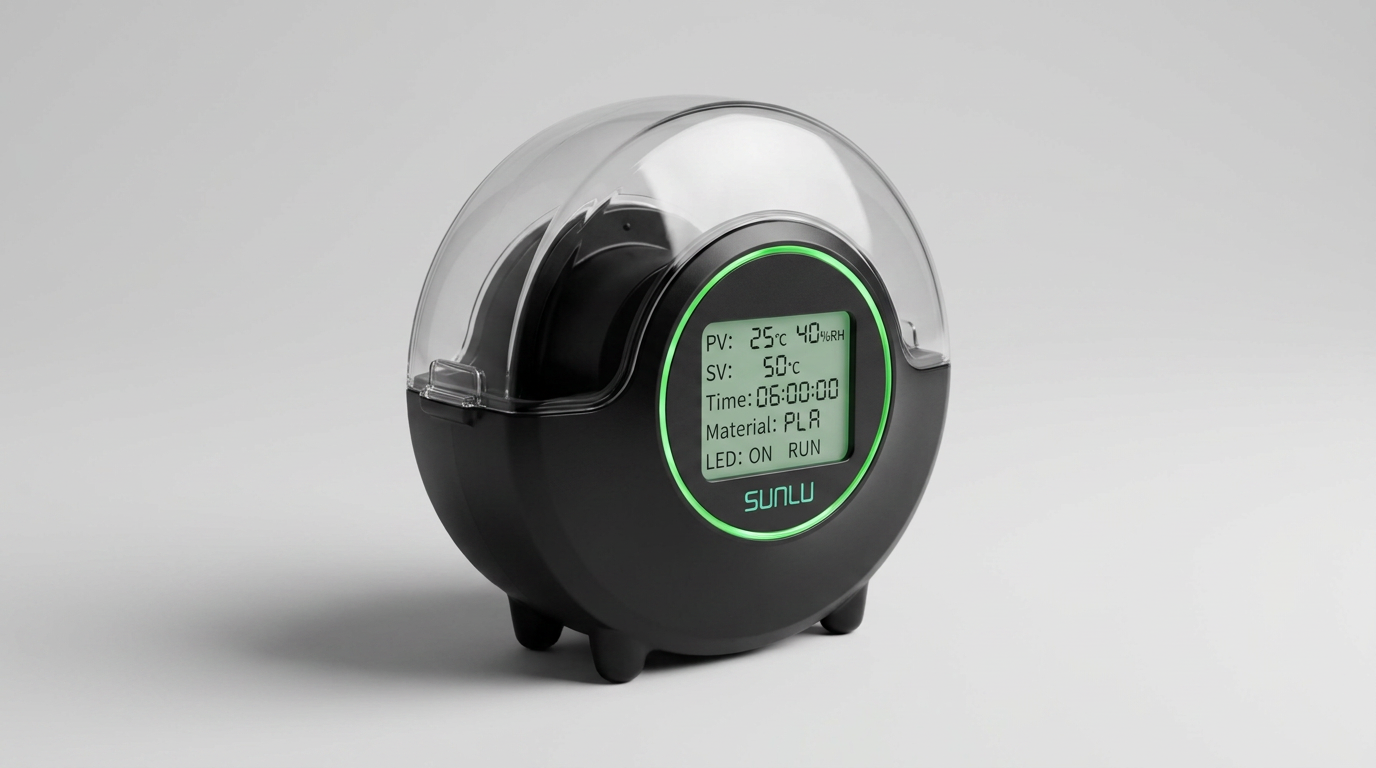
The silent enemy of 3D printing often resides not in printer settings or nozzle clogs, but in the ambient humidity surrounding your filament. Even with careful storage, moisture absorption remains a persistent problem, degrading material properties and leading to failed prints. The SUNLU Filament Dryer S2 enters this landscape not as a luxury accessory, but as a core utility, addressing the fundamental challenge of maintaining material integrity.
While many hobbyists traditionally resorted to makeshift solutions like toaster ovens or heated printer beds, the S2 represents a shift towards dedicated, controlled drying. It promises to restore hygroscopic filaments and prevent issues like stringing, poor adhesion, and structural weaknesses that frustrate both novice and experienced users. The question for many is whether a specialized dryer offers sufficient advantage over improvisations to warrant its integration into the workflow.
This review assesses the SUNLU S2's performance against its promise, examining how effectively it handles the prevalent issue of filament moisture. We analyze its design, usability, and the tangible impact it has on print quality, exploring its role in refining the modern 3D printing experience and establishing a new baseline for material management.
What owners love
- + Effectively restores old, damp filament to usable condition
- + Significantly reduces common print defects like stringing and poor adhesion
- + User-friendly interface with adjustable temperature and time settings
- + Allows simultaneous drying and printing, feeding directly to the printer
- + Compact design that fits well in various workspaces
- + Quiet operation with minimal fan noise
Common complaints
- − Interface can be initially unintuitive for some users
- − Unit's legs create a slightly tippy footprint
- − Humidity sensor provides general readings rather than precise measurements
- − Maximum temperature of 70°C limits use with some high-temperature filaments
- − Requires manual placement and routing of external PTFE tubing for inline printing
Design & Build
The SUNLU Filament Dryer S2 presents a functional, compact form factor that prioritizes utility over embellishment. Its dimensions accommodate standard filament spools, and owners note its minimal footprint, allowing it to integrate into existing 3D printing setups without occupying excessive space. The inclusion of a translucent lid is a practical design choice, allowing visual inspection of the filament without interrupting the drying process. While the overall construction is solid, some users observe that the four small legs create a slightly elevated center of gravity, leading to a minor stability concern. The external surfaces remain temperate during operation, indicating effective internal heat management. The S2 represents an iterative improvement, incorporating a fan and dual filament ports that were absent in previous generations, addressing historical owner feedback and enhancing its functional design.
Setup & Ease of Use
Setting up the SUNLU S2 is generally straightforward, largely described as a plug-and-play experience. The device features a large touch screen control panel, providing access to temperature and timer settings. Owners find the display bright and easy to read, presenting essential information clearly. While most settings are intuitive, a recurring observation is that the power on/off mechanism, which requires a double-tap, can be initially counterintuitive. However, once familiarized, this double-tap action functions as a useful safeguard against accidental setting changes. The S2 supports saving presets for various filament types, streamlining the drying process for common materials. Its design allows for direct filament feeding to a 3D printer, though optimizing this setup often involves external tubing for humidity control.
Performance in Real Use
The S2 consistently delivers on its primary function: removing moisture from filament. Owners report significant improvements in print quality, citing reduced stringing, better layer adhesion, and the effective restoration of previously problematic or old filament. It proves particularly effective for hygroscopic materials like PETG, TPU, and Nylon, with users noting dramatic reductions in print defects. The unit's ability to maintain a consistent temperature, up to 70°C, and its built-in spindle for even drying are key performance factors. While the integrated humidity sensor provides a general indication, its readings are not considered precise, serving more as a reference point than a calibrated measurement. The dual filament ports facilitate simultaneous drying and printing, a 'workflow integration' feature that many users leverage to ensure continuous optimal printing conditions, particularly in humid environments. This capability allows the dryer to function as a dynamic conditioning unit rather than just a pre-processing step.
Software & Ecosystem
The SUNLU S2 operates with an integrated, self-contained control system accessed via its touch screen. There is no external software or mobile application component to manage its functions. The interface allows for precise control over drying temperature (35-70°C) and time (0-99 hours), catering to the specific requirements of different filament types. The ability to save presets simplifies material changes. While this standalone approach offers simplicity and avoids external dependencies, it also means there are no advanced monitoring or remote control features. The 'ecosystem' primarily refers to its physical integration with existing 3D printers, where owners often custom-rig PTFE tubing to feed directly from the dryer to the printer, maximizing the benefit of a dry environment during the print itself. This highlights a user-driven extension of its intended functionality, illustrating the product's adaptability within a broader setup.
Value & Reliability
At its price point, generally under $50, the SUNLU Filament Dryer S2 represents a strong value proposition. Owners consistently state that it pays for itself by saving otherwise unusable filament, preventing wasted material, and reducing failed prints. Its reliability is a recurring theme, with many reporting consistent performance over extended periods. The build quality, while not premium, is considered robust enough for its intended use. Several users have purchased multiple units due to their positive experience, highlighting its dependable operation. The absence of complex mechanics contributes to its perceived reliability, focusing on a core function executed effectively. This creates a 'cost-offset artifact,' where the upfront investment is quickly recouped through avoided material loss and improved print success rates, making it an economically rational purchase for many.
Verdict
Buy - The SUNLU Filament Dryer S2 is a crucial tool for anyone serious about consistent 3D print quality.
This dryer is ideal for hobbyists and professionals who regularly print with hygroscopic filaments like PETG, TPU, and Nylon, or who experience print degradation due to ambient humidity. It is also highly recommended for those with accumulated spools of older filament that may have absorbed moisture. If you are frequently encountering stringing, poor layer adhesion, or brittle prints, the S2 offers a direct and effective solution. It is a particularly strong investment for users in humid climates or those who print infrequently, making stored filament susceptible to moisture.
Users who print exclusively with PLA in very dry environments or those who prefer DIY solutions for filament drying might find it less essential, though even PLA benefits from drying. If your printing demands specialized materials requiring temperatures above 70°C, this unit will not suffice.
The SUNLU S2 embodies the 'preventative maintenance appliance' archetype within 3D printing. It addresses a systemic, often overlooked problem by offering a dedicated solution that transitions filament conditioning from a workaround to a standardized, integrated step. This shifts the focus from troubleshooting print failures to proactively ensuring optimal material readiness, a subtle but significant evolution in the hobbyist and professional workflow.
FAQ
More 3D Printer Parts & Accessories reviews
YUNHAN Air Filter for Bambu Lab 3D Printers Review

HYHJMISTY 91PCS 3D Printer Tools Kit Review: A Focused Starter Set
Black Magic 3D Printer Adhesion Kit Review: The Applicator Advantage
Fuitnerd 184-Piece 3D Printer Tool Kit Review: Value-Focused Utility
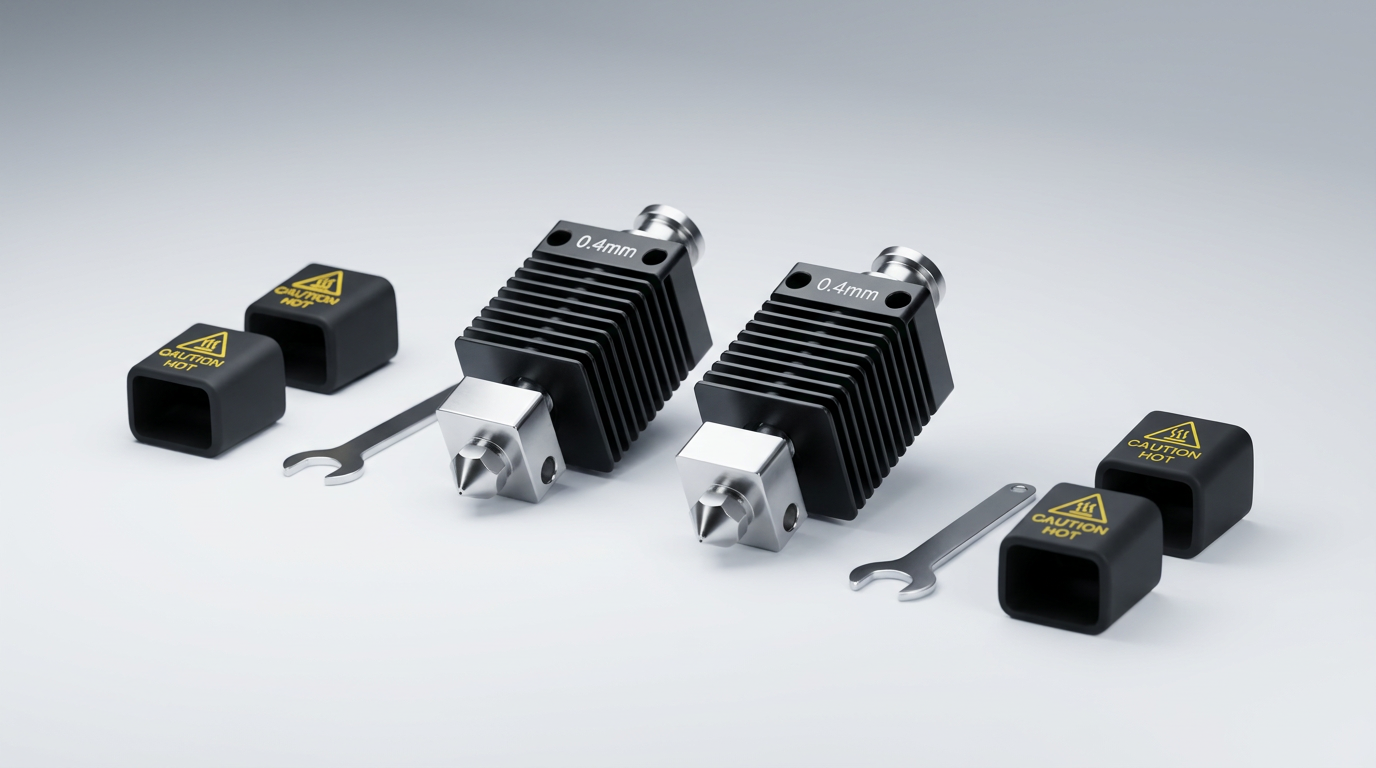
CreatryLab A1/A1 Mini Hotend Review: Budget Reliability for Bambu Labs
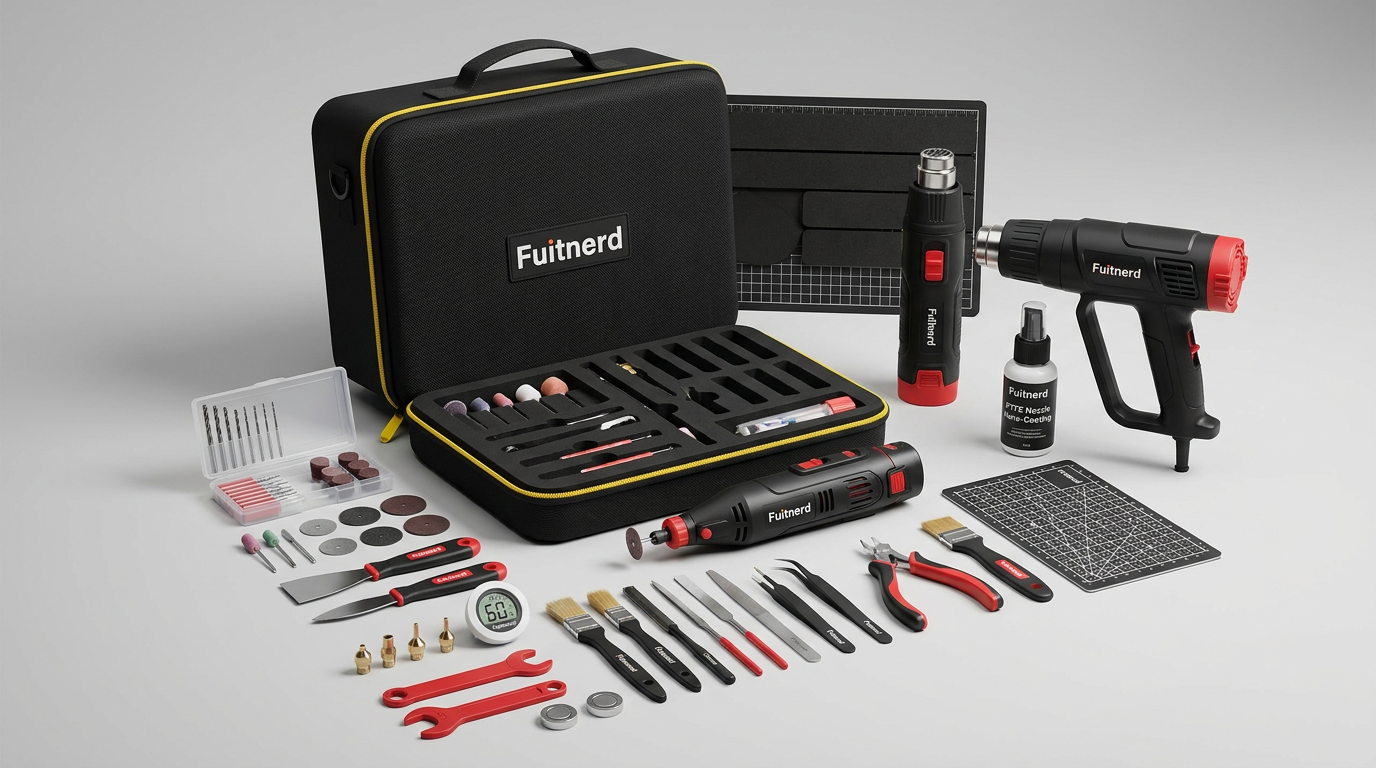
Fuitnerd 142Pcs 3D Printer Tools Kit Review: A Maker's Essential?
This review is based on real experiences shared by owners in online communities.