
SAHVAIM AMS Lite Filament Hub Review: Quick Fix for Bambu A1
This review is based on real experiences shared by owners in online communities.
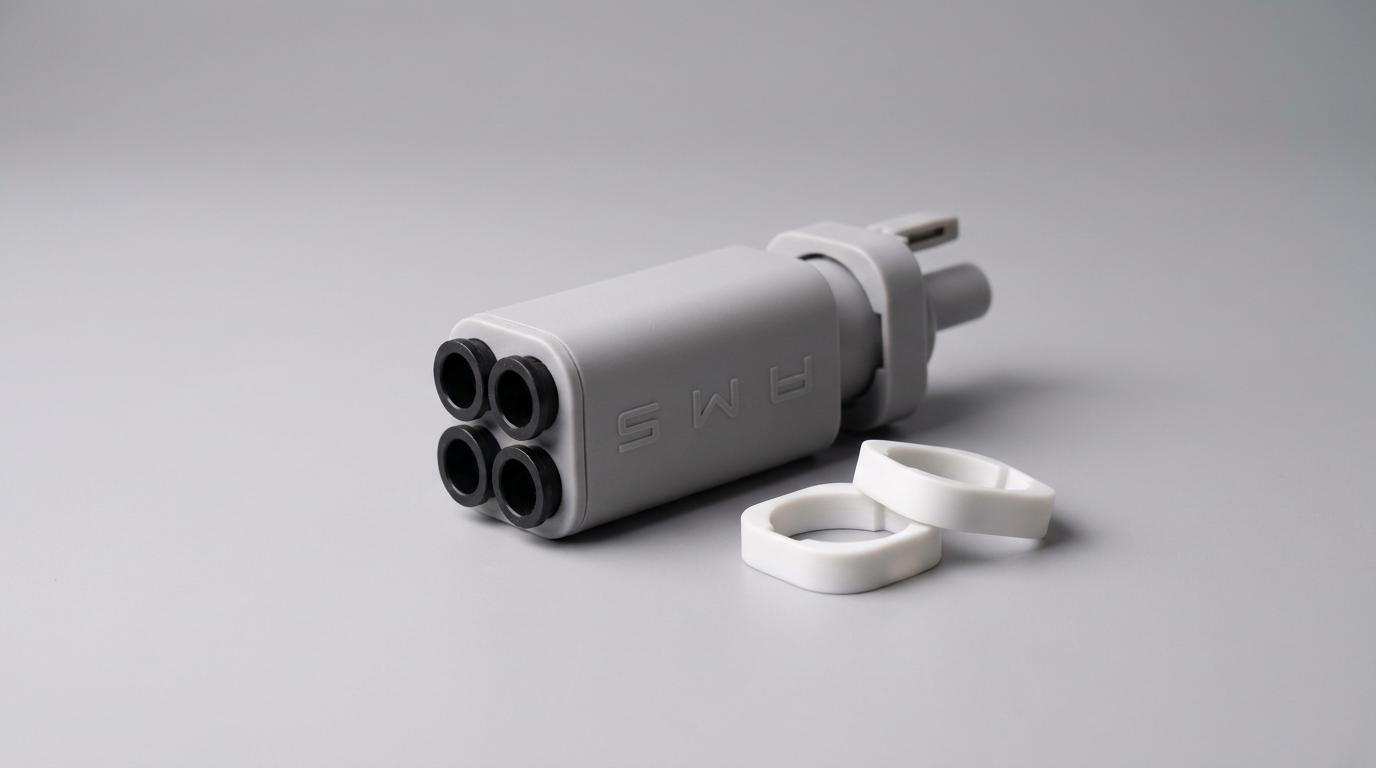
Modern multi-material 3D printing creates an illusion of seamless automation until a five-gram piece of injection-molded plastic gives out. The five-way filament hub atop the Bambu Lab A1 and A1 Mini toolhead is the mechanical junction where four Bowden lines merge into a single hotend entry. When its tiny internal grab teeth fatigue or the retention tabs shear, multi-color workflows halt instantly. What seems like an invincible print farm workhorse is instantly paralyzed by a single plastic fitting.
This replacement hub sold under the SAHVAIM label addresses an immediate problem in the desktop additive manufacturing space: availability. Bambu Lab original parts regularly experience regional stockouts and protracted shipping timelines. Third-party merchants stepping into this logistics void charge what we call the downtime tax. Buyers pay a price roughly double the factory direct list to shave a week of machine inactivity down to twenty-four hours.
For owners dealing with PTFE tubes blowing out mid-layer or a hub that refuses to latch into the toolhead, the central question is simple. Does this component deliver true original-equipment mechanical tolerance, or is it a rushed imitation that will leave you with jammed filaments and ruined multi-hour prints?
What owners love
- + Identical fit and function to the original Bambu Lab factory component
- + Restores sidelined A1 and A1 Mini printers with rapid delivery
- + Includes replacement retention buckles to secure the printhead connection
- + Reliable mechanical feeding without Bowden tube snags on standard filaments
Common complaints
- − Carries a significant markup compared to ordering directly from the printer maker
- − Internal metal retention star can detach if subjected to harsh pull forces
- − Incompatible with third-party or non-Bambu printheads despite generic search tags
Design & Build
At a physical level, the SAHVAIM five-way hub is indistinguishable from the factory unit shipped with the Bambu Lab AMS Lite. It features four angled upper ports designed to receive PTFE guide tubes, channeling their paths into a single bottom exit nozzle that snaps onto the top of the A1 or A1 Mini extruder assembly. The package includes the necessary retaining buckles that lock the lower collar securely to the toolhead.
This component highlights what we view as the wear-part blindspot in modern multi-material printing. Hobbyists view the extruder gears and hotends as the primary consumables, but the Bowden junction endures relentless toolhead acceleration and thousands of micro-retractions per print. The internal metal grab rings inside the ports must grip PTFE tubing firmly without crimping the line. In this replacement, the molding tolerances and internal metal teeth match the original component cleanly, eliminating the loose seating that causes stock hubs to unexpectedly eject from the extruder block.
Setup & Ease of Use
Replacing the hub takes less than five minutes, provided you follow the mechanical order of operations. You press the release collars on the old unit to eject the four Bowden tubes, pop off the retaining buckle at the toolhead junction, pull the damaged hub free, and press the new unit into place. The included buckles snap on with a distinct click, confirming a seated fit.
Where buyers occasionally run into trouble is misinterpreting the physical interface. Feedback reveals at least one attempt to force this hub onto non-Bambu hardware. The lower keyed outlet and its adjoining guide pin are strictly engineered to mate with the specific geometry of the Bambu A1 toolhead. Attempting to modify the diameter or grind away the locating pin to fit generic Bowden setups is an exercise in futility. It is built strictly for the A1 ecosystem, and within that ecosystem, it connects effortlessly.
Performance in Real Use
Once installed, the replacement hub behaves exactly like a new factory part. During multi-filament printing, the AMS Lite pushes and retracts filament across four distinct lines in rapid succession. The interior channels in this unit provide low-friction passage, allowing smooth transitions without snagging or registering false runout alarms on the toolhead sensor.
Long-term durability, however, depends heavily on how the component is handled during maintenance. A small fraction of users report failures where the internal metal star ring dislodges after aggressive tube pulling, or the Bowden tube fails to release during a manual teardown. These issues mirror the failure modes of the stock Bambu part. The plastic housing and internal grab washers are delicate. If you pull on Bowden tubes without fully depressing the release collar, you risk destroying the internal mechanism whether it came from the printer manufacturer or an aftermarket distributor.
Software & Ecosystem
The five-way hub contains no circuitry, microchips, or RFID readers, yet its dimensional accuracy is vital for the software ecosystem. Bambu Studio and the A1 firmware monitor toolhead resistance and filament pathing through the extruder's internal runout and tangle detection sensors. If an aftermarket hub creates even slight friction or misalignment, the toolhead will trigger false tangle pauses or filament feed errors.
The SAHVAIM hub passes this operational test cleanly. Because the internal bore angles align precisely with the Bambu extruder feed path, the printer detects no anomalous motor load during loading and unloading routines. The system operates as intended, executing multi-color purge cycles and material swaps without the firmware flagging mechanical resistance along the Bowden run.
Value & Reliability
Evaluating value here requires separating raw material cost from machine uptime. The part sits in the under $20 price band, roughly double what Bambu Lab charges on its own web store. In absolute numbers, an extra ten or twelve dollars is negligible; in percentage terms, the markup is steep.
Yet this is where the downtime tax justifies itself. If a print farm operator or deadline-driven hobbyist faces a two-week wait for factory direct replenishment, paying under $20 for overnight delivery is practical economics. Keeping an extra hub on a pegboard turns a catastrophic printer failure into a five-minute pit stop. For those with a working backup printer, waiting for first-party stock makes more sense, but as an emergency insurance policy, this part delivers high utility.
Verdict
Buy - A necessary, rapid-shipping lifeline that rescues sidelined Bambu A1 printers from multi-day shipping delays.
If your A1 or A1 Mini is sitting idle because of a fractured retention buckle, a stripped Bowden collet, or a hub that pops off the extruder mid-print, buy this replacement immediately. It is dimensionally identical to the OEM component and restores full four-color printing without setup friction. However, if your printer is running fine and you simply want a backup, order direct from the printer manufacturer to avoid the third-party delivery surcharge.
The real lesson of this hub is that the desktop 3D printing hobby has entered an era where rapid logistics trump minor price premiums. A machine sitting dead for a week costs far more in lost productivity and frustration than the small price difference on an aftermarket junction box. Treat the AMS Lite hub not as a permanent fixture of your toolhead, but as an essential wear item worth keeping in your spare parts drawer.
FAQ
More 3D Printer Parts & Accessories reviews
IdeaFormer-3D Bambu Lab Textured PEI Plate Review
Wefuit 0.2mm Hardened Steel Hotend Review: Budget Precision
HzdaDeve P1S/P1P Hotend Assembly Review: Cheap Downtime Insurance

3DZWMAN RGB LED Lamp Kit 001 Review: Better Than OEM
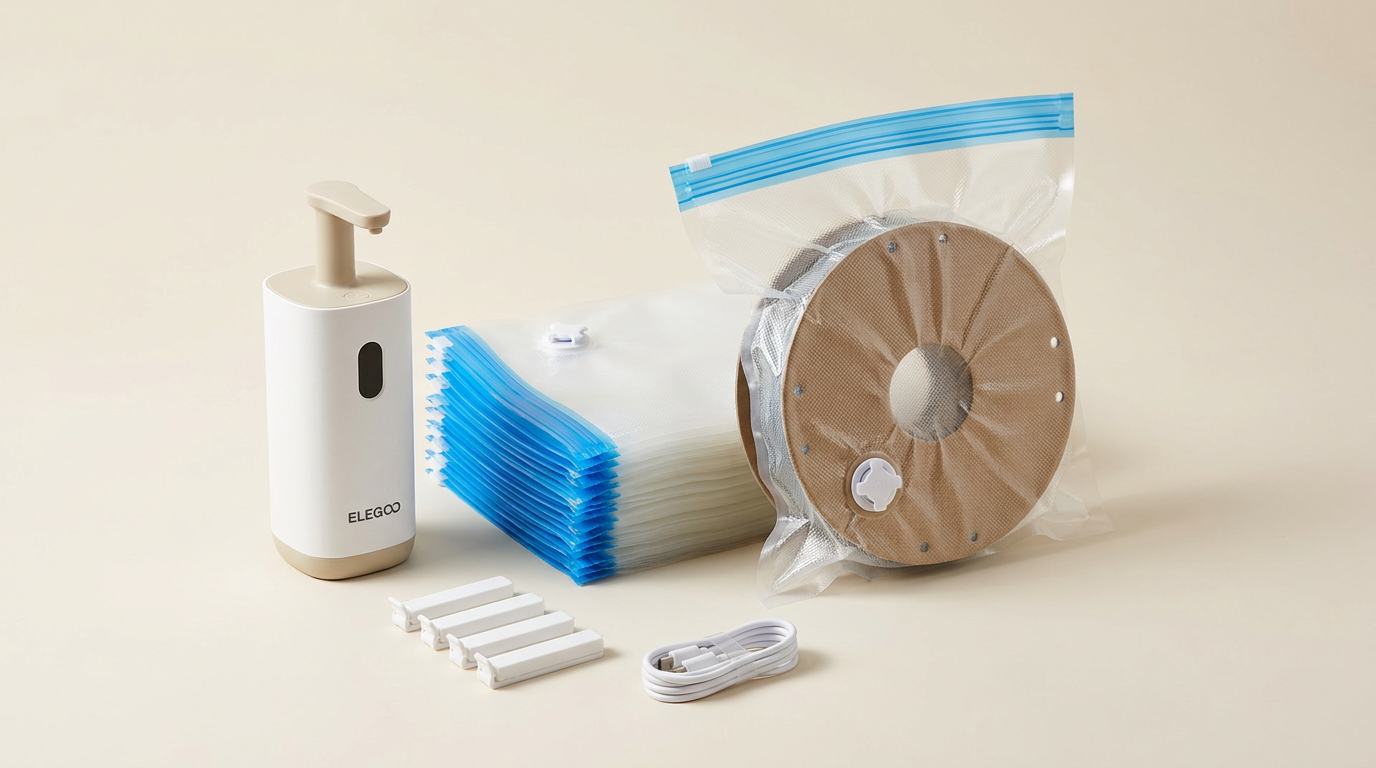
ELEGOO Filament Storage Bags Review: The Unsung Hero of 3D Printing
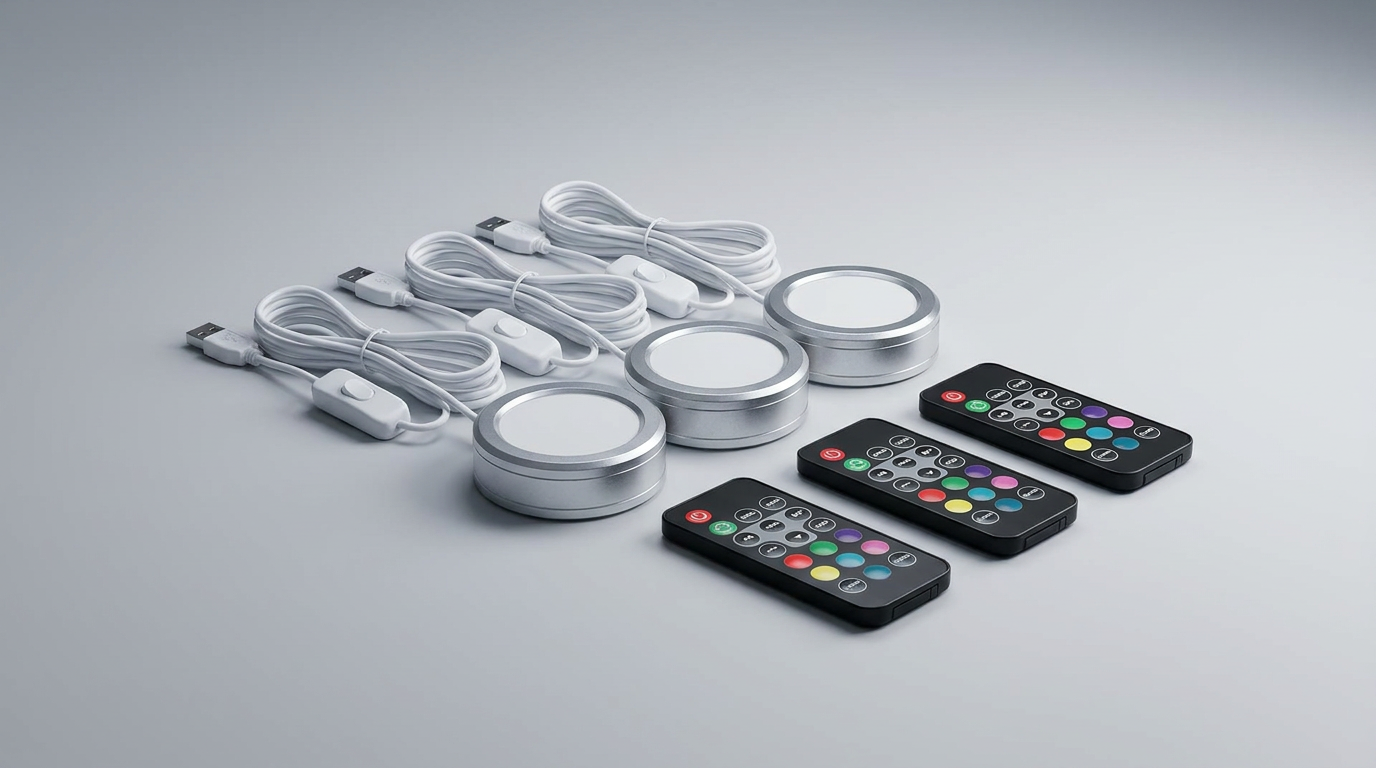
BambooSegD RGB LED Lamp Kit: The 3D Printer Accessory Standard
This review is based on real experiences shared by owners in online communities.