
Polymaker Panchroma Matte PLA Filament Review: Aesthetics Over Speed
This review is based on real experiences shared by owners in online communities.
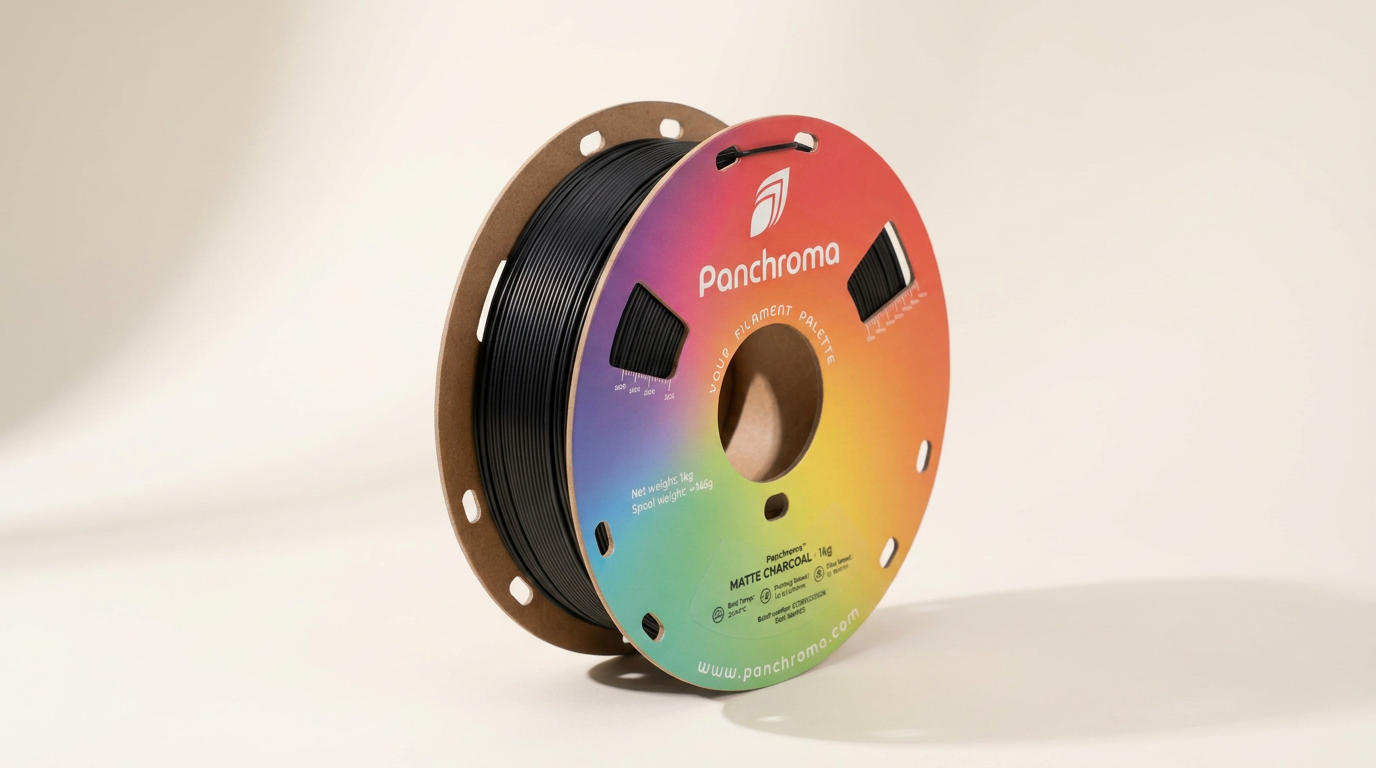
In a 3D printing market often fixated on speed and raw material strength, the Polymaker Panchroma Matte PLA filament carves out a niche centered on visual appeal. This line presents itself not as a workhorse filament for structural components, but as a specialized material for display pieces, decor, and models where layer lines are an aesthetic liability. This focus on finish represents a quiet but significant shift in PLA offerings, prioritizing post-print aesthetics directly from the extruder.
The real test for such a filament lies in whether it can deliver on its promise of an elegant matte finish without introducing significant print complexity. While manufacturers often tout "easy printing," matte filaments can sometimes demand more precise calibration than their glossy counterparts. We examine how the Panchroma line navigates this trade-off, balancing visual quality with the practical demands of FDM printing.
Our analysis draws from extensive user feedback, revealing a consistent narrative about its core strengths and the subtle factors that influence its performance. The filament appeals to makers prioritizing an upscale, non-plastic appearance, even if that means a slight deviation from typical PLA workflows.
What owners love
- + Exceptional matte finish with minimal visible layer lines
- + Wide range of vibrant and unique colors available
- + Reliable bed adhesion characteristics
- + Tangle-free winding on spools for consistent feeding
- + Cardboard spool design preferred by many users
Common complaints
- − Some colors described as softer, requiring print setting adjustments
- − Cardboard spool can cause noise in AMS systems
- − Specific temperature calibration needed for optimal results with some colors
- − High-speed performance not universally confirmed by users
- − Occasional reports of winding issues causing jams
Design & Build
The Polymaker Panchroma Matte PLA distinguishes itself through its material design, specifically tailored to achieve a low-gloss, almost ceramic-like finish. Owners consistently praise its ability to obscure layer lines, contributing to a professional appearance that belies the FDM printing process. This is not merely an aesthetic choice; it streamlines post-processing for many users, reducing or eliminating the need for sanding or painting. The filament arrives on a cardboard spool, a design choice frequently highlighted by users as an environmental benefit and a point of satisfaction. While well-wound in most cases, some owners report occasional winding inconsistencies, which can lead to feeding issues, especially with automated material handling systems. The material's density and color consistency are primary differentiators, with many users noting the reliability of color reproduction across different batches and rolls. The "matte tax" here is that the specialized matte additives can sometimes alter the material's mechanical properties, making some colors feel softer or print differently compared to standard PLA formulations, requiring individual tuning.
Setup & Ease of Use
Setting up the Panchroma Matte PLA generally aligns with standard PLA procedures, with Polymaker recommending a print temperature range of 190-230°C and a bed temperature of 25-60°C. Many users report success printing with default or slightly adjusted settings on modern printers, including those designed for high-speed operation. First-layer adhesion is a consistent strong point, with owners rarely experiencing lift or warping. However, some specific colors or batches have prompted users to perform more significant calibration, particularly those noting a 'softer' texture, suggesting these variants may require adjusted flow rates or print speeds. The cardboard spool, while environmentally favored, occasionally presents a friction challenge in enclosed systems like AMS units, leading some users to print adapter rings. This indicates that while the filament is largely beginner-friendly, achieving optimal results across its diverse color palette may require a degree of printer familiarity and willingness to fine-tune settings beyond generic profiles. The initial "plug and play" experience is solid, but the extended "dialed in" experience can vary.
Performance in Real Use
The core performance metric for Panchroma Matte PLA is its print quality, specifically the aesthetic outcome. Owners routinely describe prints as having a 'beautiful,' 'professional,' and 'stunning' appearance, with layer lines becoming virtually invisible. This particular characteristic enables the creation of objects that look less like plastic prototypes and more like finished pieces, suitable for decor or artistic projects. The filament consistently delivers on color vibrancy and accuracy, with specific praise for unique shades that accurately match user expectations. Dimensional accuracy is also frequently commended, contributing to clean details and solid final products. While the manufacturer promotes high-speed printing capabilities, not all users have verified this, with some opting to slow print speeds, particularly for finer details or for colors perceived as softer. Clogging and stringing are reported infrequently, suggesting a generally stable extrusion profile. The 'finish line advantage' of this filament is clear: it minimizes the gap between raw print and display-ready object.
Software & Ecosystem
Polymaker positions the Panchroma Matte PLA as compatible with most FDM 3D printers and software, and user reports largely corroborate this. The filament performs well with a range of slicers and printer ecosystems, including popular high-performance machines. Owners frequently mention using default or slightly modified profiles in common slicing software with positive results, indicating good integration. The main interaction point with the 'ecosystem' beyond the printer itself typically involves slicer settings. While Polymaker provides recommended optimal settings, the community aspect plays a role here, with users sharing specific adjustments for certain colors or printer models to achieve desired outcomes. This suggests a healthy community engagement around the product, where collective knowledge helps refine print profiles. The brand's commitment to 'lifetime technical assistance for your slicer settings' further underscores this focus on user-side optimization, acknowledging that universal settings may not capture the nuances of every matte filament variant.
Value & Reliability
At its price point, typically in the mid-range for PLA, the Polymaker Panchroma Matte PLA offers a compelling value proposition for users prioritizing aesthetic quality. Many owners consider it a 'best bang for the buck' due to its consistent print quality and the premium matte finish it imparts. Reliability is a recurring theme, with users noting consistent performance across spools regarding color, adhesion, and extrusion. The low incidence of tangles and clogs contributes to high print success rates, minimizing wasted material and time. The filament's primary 'reliability dividend' is its ability to consistently produce showcase-quality prints without extensive post-processing, which saves labor and materials down the line. While occasional winding issues on cardboard spools are noted and some color variants may require specific calibration, these are generally minor against the backdrop of overall user satisfaction with the material's performance and the distinct visual appeal it provides.
Verdict
Buy - This filament consistently delivers superior aesthetics and reliable print performance at a competitive price.
This is an excellent choice for makers who prioritize the visual quality and finish of their 3D prints, particularly for decorative items, display models, or artistic projects. It excels for anyone seeking to minimize layer line visibility and achieve a sophisticated, non-plastic look straight off the print bed. If your primary goal is robust mechanical parts for functional applications, or if you prefer a 'set it and forget it' experience without any print tuning, other standard PLA variants might offer a more streamlined, though aesthetically plain, workflow. Its price point, typically under $20, makes it an accessible premium option.
The Panchroma line represents the next wave of filament specialization: the 'aesthetic-first' material. It subtly acknowledges that for many hobbyists and designers, the printed object's visual impact and final presentation are as critical as its dimensional accuracy or mechanical strength. This prioritization of immediate visual gratification, rather than just raw material properties, signals a maturity in the consumer 3D printing market.
FAQ
More 3D Printing Supplies reviews
SUNLU Matte Bone White PLA Filament Review: A Budget Workhorse
Fuitnerd Filament Storage Box: An Accessible Dry Storage Solution
SUNLU PLA+2.0 Filament Refill: An Unspooled Advantage for 3D Printing
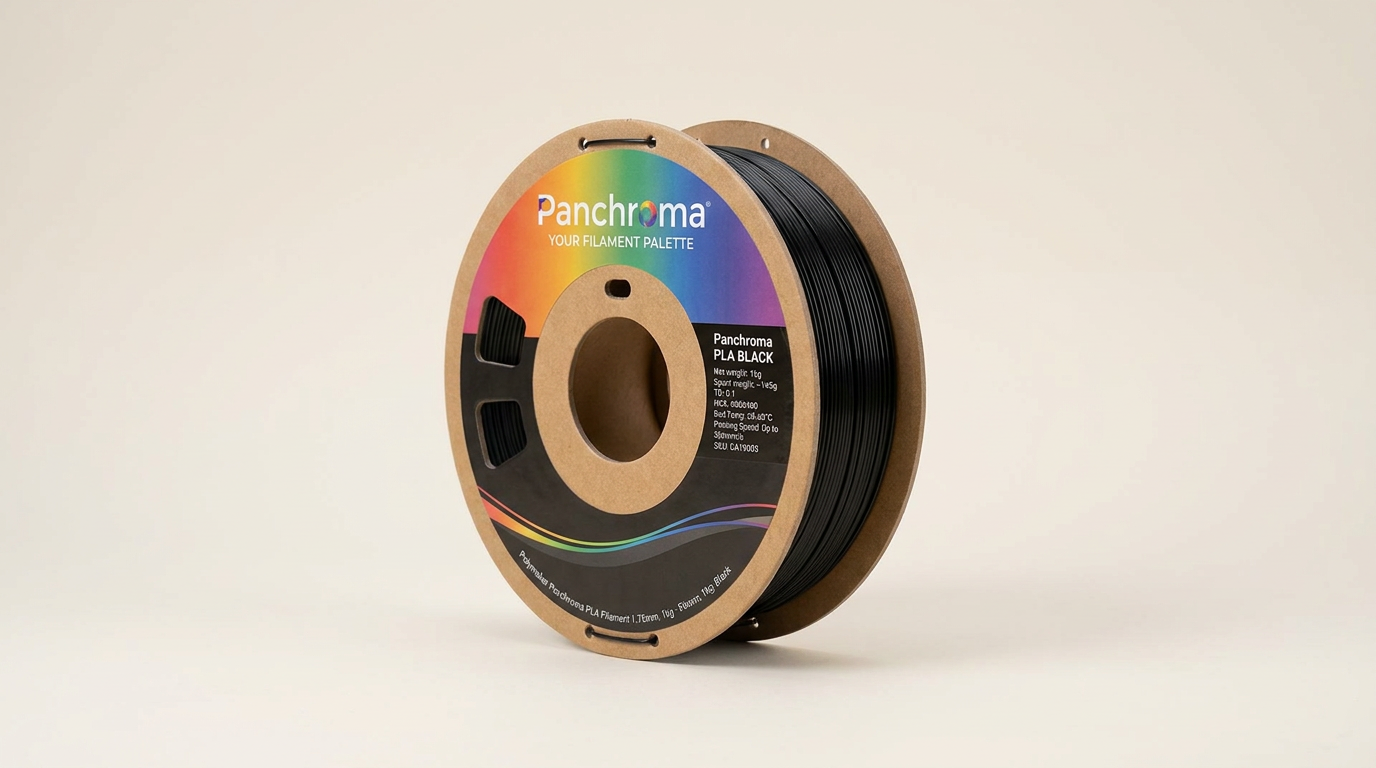
Polymaker Panchroma PLA Filament Review: Consistent Prints, Vivid Colors
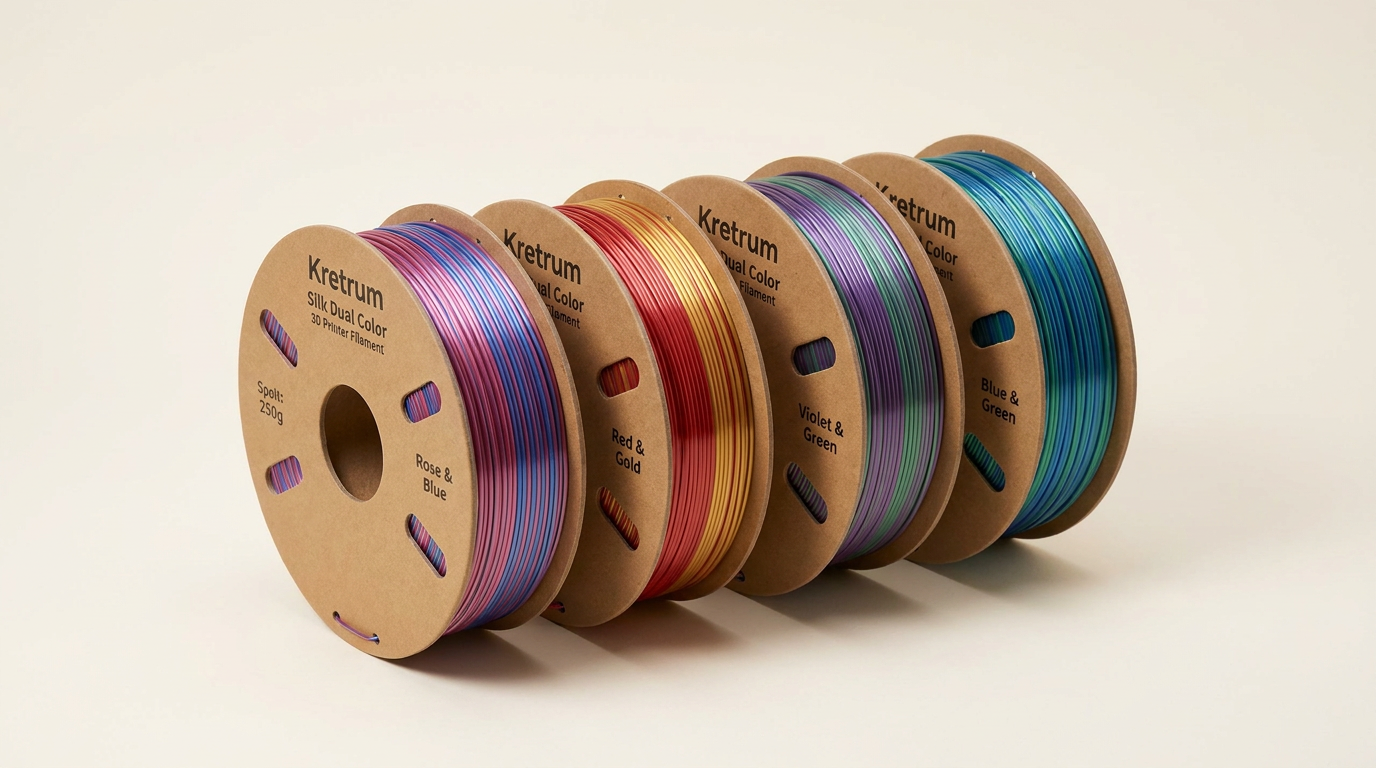
Kretrum Silk Dual Color PLA Filament Review: Vibrant Aesthetics for 3D Printing
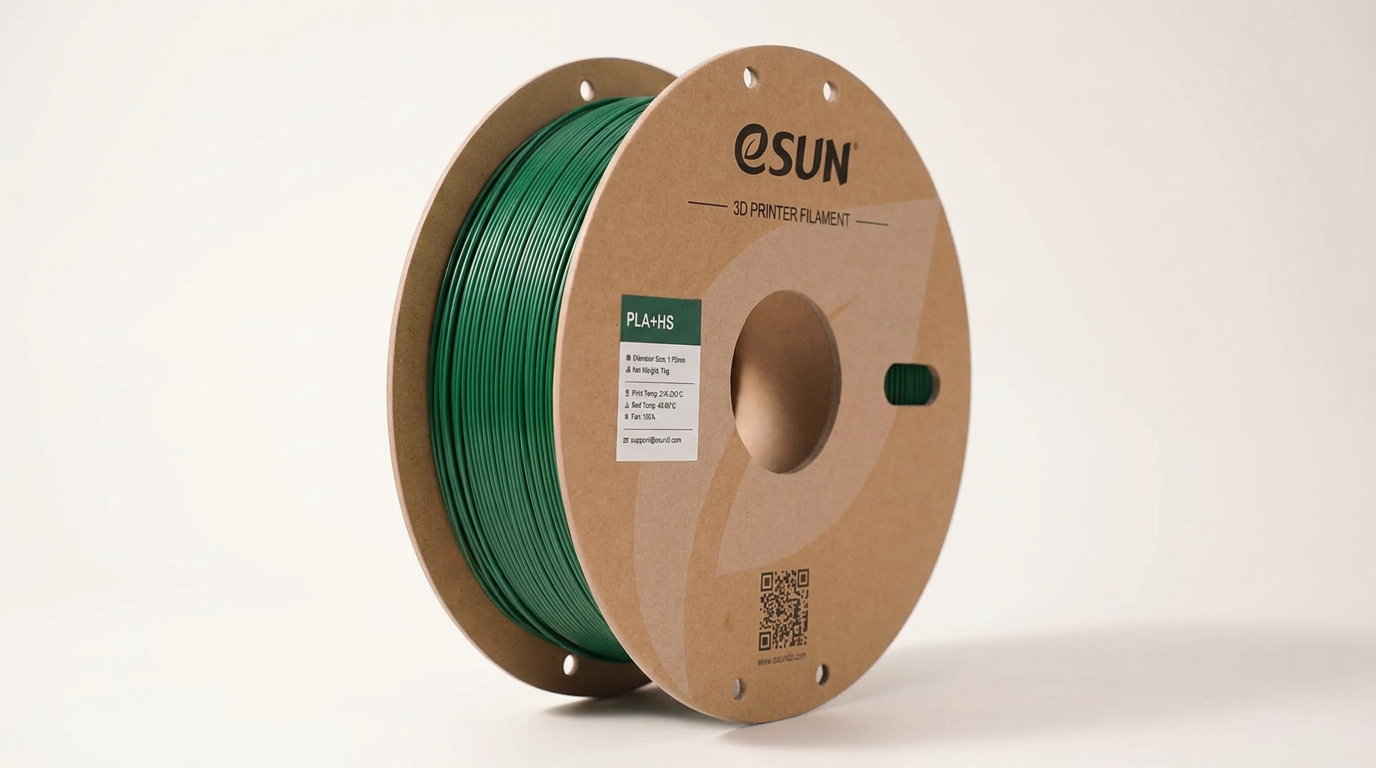
eSUN High Speed PLA+ Filament Review: The Workhorse for Fast Printers
This review is based on real experiences shared by owners in online communities.