
OVERTURE TPU 95A Filament Review: The Consistently Flexible Choice
This review is based on real experiences shared by owners in online communities.
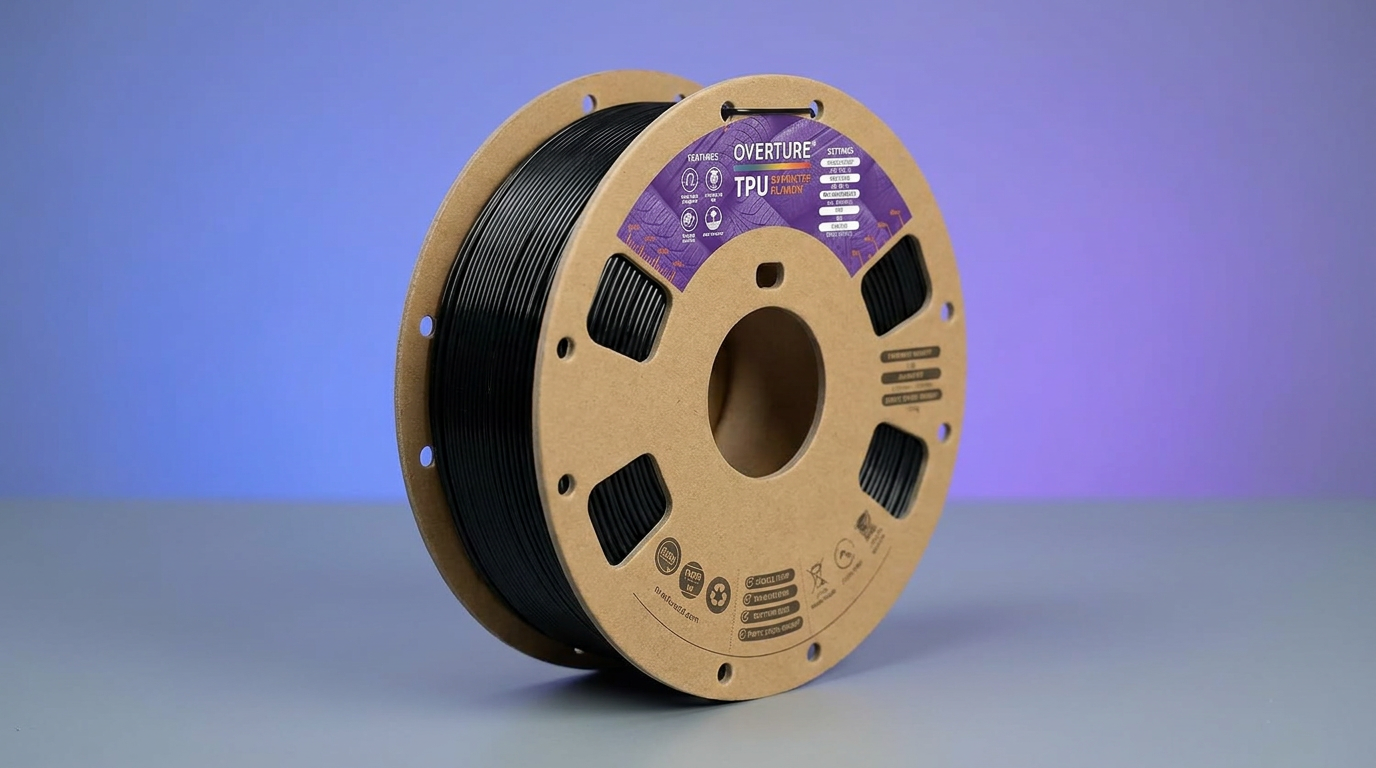
Flexible filaments like TPU have traditionally occupied a niche, often associated with steep learning curves and temperamental printing. Many users simply avoid them, opting for rigid materials. However, OVERTURE's TPU 95A suggests a quiet maturation in the flexible filament market, positioning itself as a material that, while requiring a foundational understanding of TPU's demands, delivers a consistent experience without the extreme frustrations once common.
This 95A Shore hardness variant balances durability with pliability, making it suitable for a range of functional parts beyond mere novelties. The challenge for manufacturers has always been to make flexible materials as approachable as PLA. OVERTURE’s offering demonstrates that with the right preparation and calibrated settings, the barrier to entry for quality flexible prints continues to lower, redefining baseline expectations for robust flexible filament performance.
Our analysis reveals that this filament earns its reputation not by revolutionary ease of use, but by providing predictable results for users willing to meet its specific handling requirements. It operates within what we term the 'Preparation Threshold' a common-sense understanding that material excellence is unlocked through diligent pre-print care rather than expecting plug-and-play simplicity from advanced polymers.
What owners love
- + Consistent print quality and dimensional accuracy reported
- + Excellent layer adhesion for durable parts
- + Good balance of flexibility and strength (95A Shore hardness)
- + Minimal stringing with dialed-in settings
- + Competitive value for a 1kg spool
Common complaints
- − Requires thorough drying for optimal performance
- − Slower print speeds are often necessary
- − Initial setup can be tricky for first-time TPU users
- − Cardboard spool can be incompatible with some AMS systems
Design & Build
The OVERTURE TPU 95A filament provides a Shore hardness that many owners describe as an ideal compromise. It offers sufficient flexibility for parts like gaskets, protective cases, and model tires, without being excessively soft or challenging to feed. Users appreciate its 'rubber-like feel' when printed into functional components. The material maintains a consistent diameter, contributing to reliable extrusion. While some report a natural sheen, others note a truly matte finish for the black variant, indicating a consistent aesthetic quality. The spools are generally well-wound, helping to prevent tangles during the printing process. However, some users with advanced filament management systems, such as Bambu Lab's AMS, note that the cardboard spool design can present compatibility issues, a minor but recurring observation that signals a gap between a traditional packaging choice and evolving 3D printing setups.
Setup & Ease of Use
Successful printing with OVERTURE TPU 95A hinges on a critical pre-print step: thorough drying. This emphasis is not unique to OVERTURE but is a fundamental requirement for most TPU filaments, often understated by new users. Owners consistently report that drying the filament, sometimes for extended periods (e.g., 4 hours at 70C or 24 hours at 65C), is paramount for achieving clog-free, bubble-free, and smooth prints. Several users recommend printing directly from a filament dryer to combat high humidity environments, a practice that directly addresses the material's hygroscopic nature. This necessity for meticulous drying exemplifies the 'Preparation Threshold'; neglecting this step significantly degrades print quality, but adhering to it unlocks the filament's full potential. For new TPU users, dialing in printer settings including nozzle temperature, bed temperature, and especially print speed, is also essential, often requiring some initial material expenditure.
Performance in Real Use
Once properly dried and with settings tuned, the OVERTURE TPU 95A delivers strong performance. Owners frequently highlight its excellent layer adhesion, which contributes to robust and durable parts. Prints consistently show good strength and flexibility, making them suitable for demanding applications like RC car tires, phone cases, and even replacement water pump impellers for antique outboards. Stringing is a common challenge with TPU, but users confirm that with appropriate slicer adjustments mostly involving reduced print speeds it becomes minimal. Those venturing into TPU for the first time generally find the results rewarding after initial calibration. The material's ability to hold shape while remaining flexible is a key attribute, making it versatile for both cosplay parts and functional prototypes. The 'Elasticity-Durability Index' for this material appears well-balanced, offering utility without undue printing difficulty.
Software & Ecosystem
OVERTURE TPU 95A is designed for wide compatibility, integrating seamlessly with most FDM printers, including popular models like the Bambu A1 Mini, Ender 3 S1 Pro, Creality Ender 3KE, Flashforge AD5X, Neptune 4+, and Bambu P2S. The filament does not rely on proprietary software or a closed ecosystem, allowing users to leverage their preferred slicers (e.g., Orca Slicer). The key to successful printing lies in the user's ability to adjust standard TPU parameters within these slicers, primarily controlling print speed, nozzle temperature (often around 230C), and bed temperature (around 50C). The filament’s performance confirms that broad printer compatibility is a given, provided the user respects the material's physical properties through slicer settings. This open approach allows for greater user freedom and integration into diverse workshop environments.
Value & Reliability
The OVERTURE TPU 95A provides strong value, typically priced in the low to mid-$20 range for a 1kg spool. Owners consistently consider it a reliable option, often making repeat purchases. Its 'consistent quality' and 'dependable prints' feedback reinforce its status as a go-to filament for many. The manufacturer's stated 1-year shelf life for unopened spools, when properly stored, adds to its perceived reliability. For its price point, the filament delivers performance comparable to or exceeding several alternatives, particularly when considering its overall lack of issues like clogging or inconsistent extrusion once basic preparation is met. This makes it a strong contender for those seeking durable, flexible parts without a premium price tag, particularly when factoring in its consistent delivery on expectations for a 95A Shore hardness material.
Verdict
Buy - This filament consistently performs well for those who understand and address its need for diligent drying and calibrated print settings.
OVERTURE TPU 95A is an excellent choice for users making functional parts requiring flexibility and durability, such as gaskets, phone cases, or specialized mechanical components, especially if they are comfortable with or willing to learn the specific nuances of printing with TPU. It offers reliable results for its price point, typically under $30 for a 1kg spool. Those new to flexible filaments should be prepared to spend time calibrating settings and ensuring the filament is thoroughly dry. Users who expect 'print-and-go' ease without material preparation, or those who prioritize extreme print speeds for all materials, might find the required drying and slower print times a barrier.
This filament exemplifies a broader industry development: the democratization of formerly 'difficult' materials. It's not a 'no-fuss' solution, but rather a high-trust material that, by reliably responding to established best practices, allows a wider range of users to successfully enter the flexible part domain. The market is increasingly segmenting into materials that require the 'Preparation Threshold' versus a nascent category of genuinely 'dry-box optional' filaments; OVERTURE TPU 95A firmly establishes itself as a leading contender in the former, suggesting that some material challenges remain intrinsic, not bugs, but rather features to be managed, for optimal output.
FAQ
More 3D Printing Supplies reviews
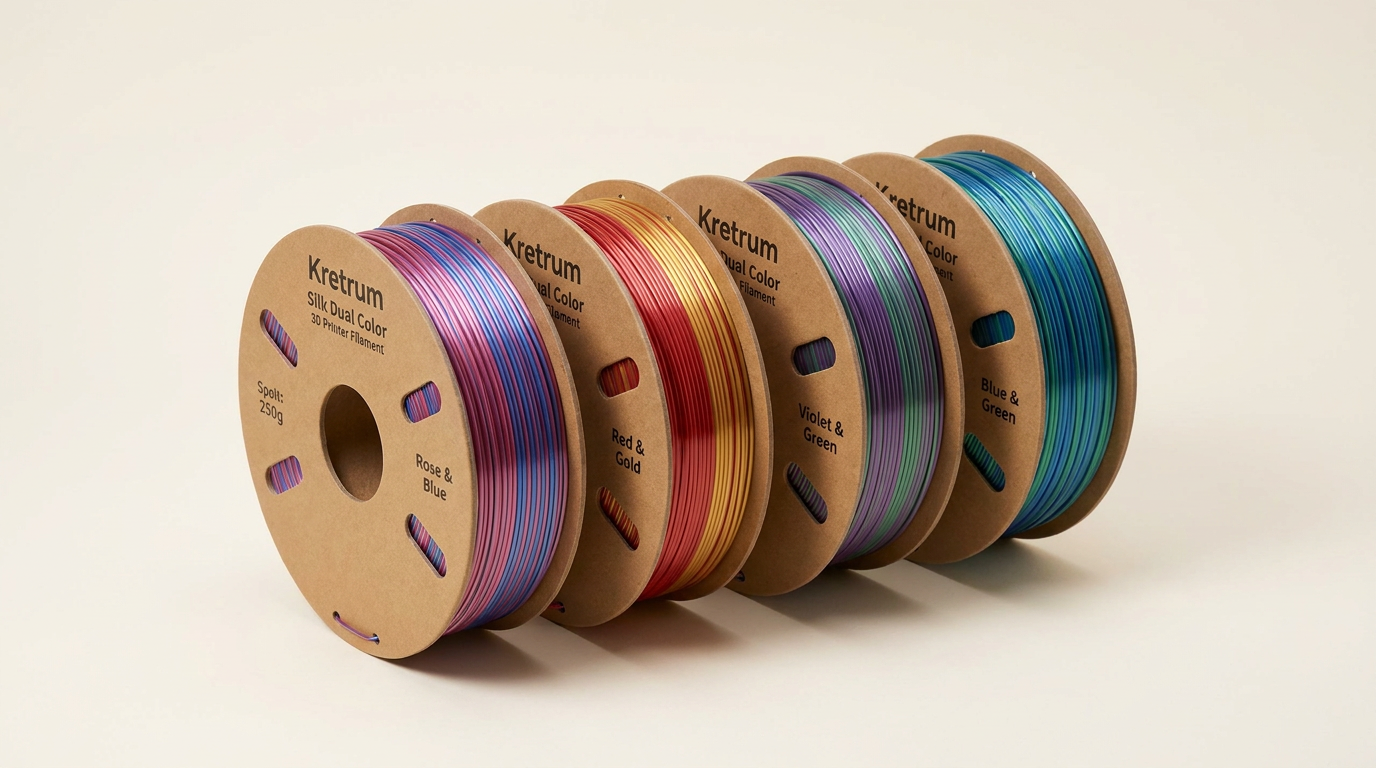
Kretrum Silk Dual Color PLA Filament Review: Vibrant Aesthetics for 3D Printing
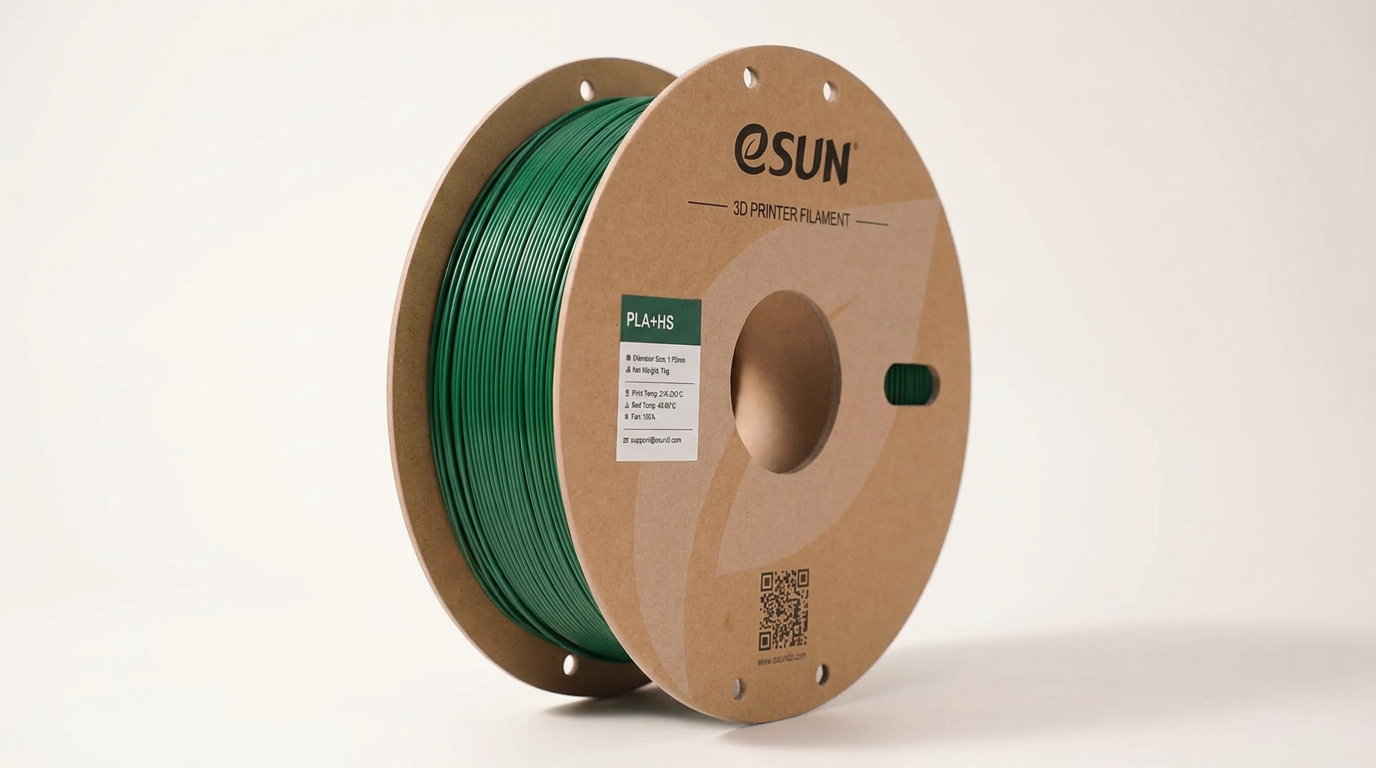
eSUN High Speed PLA+ Filament Review: The Workhorse for Fast Printers
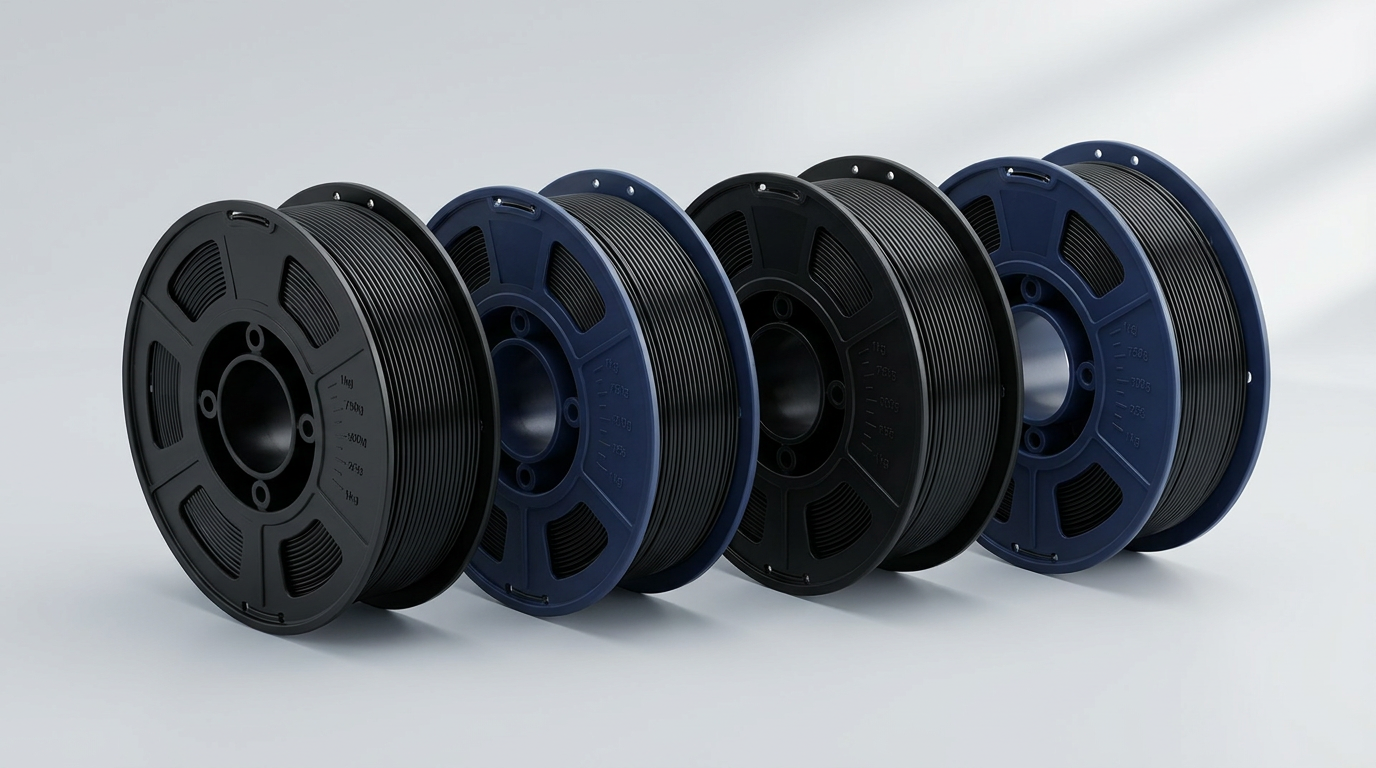
SUNLU PETG Filament 4kg Review: The Bulk Workhorse for High-Volume Prints
Deeplee PLA+ 2.0 Filament Review: A Workhorse Material for 3D Printing
FLASHFORGE Rapid PLA: The 'Stealth Performance' Filament
RAMBERY Silk Dual Color PLA Filament Review: Aesthetic Impact for Small Prints
This review is based on real experiences shared by owners in online communities.