
IdeaFormer-3D Bambu Lab Textured PEI Plate Review
This review is based on real experiences shared by owners in online communities.
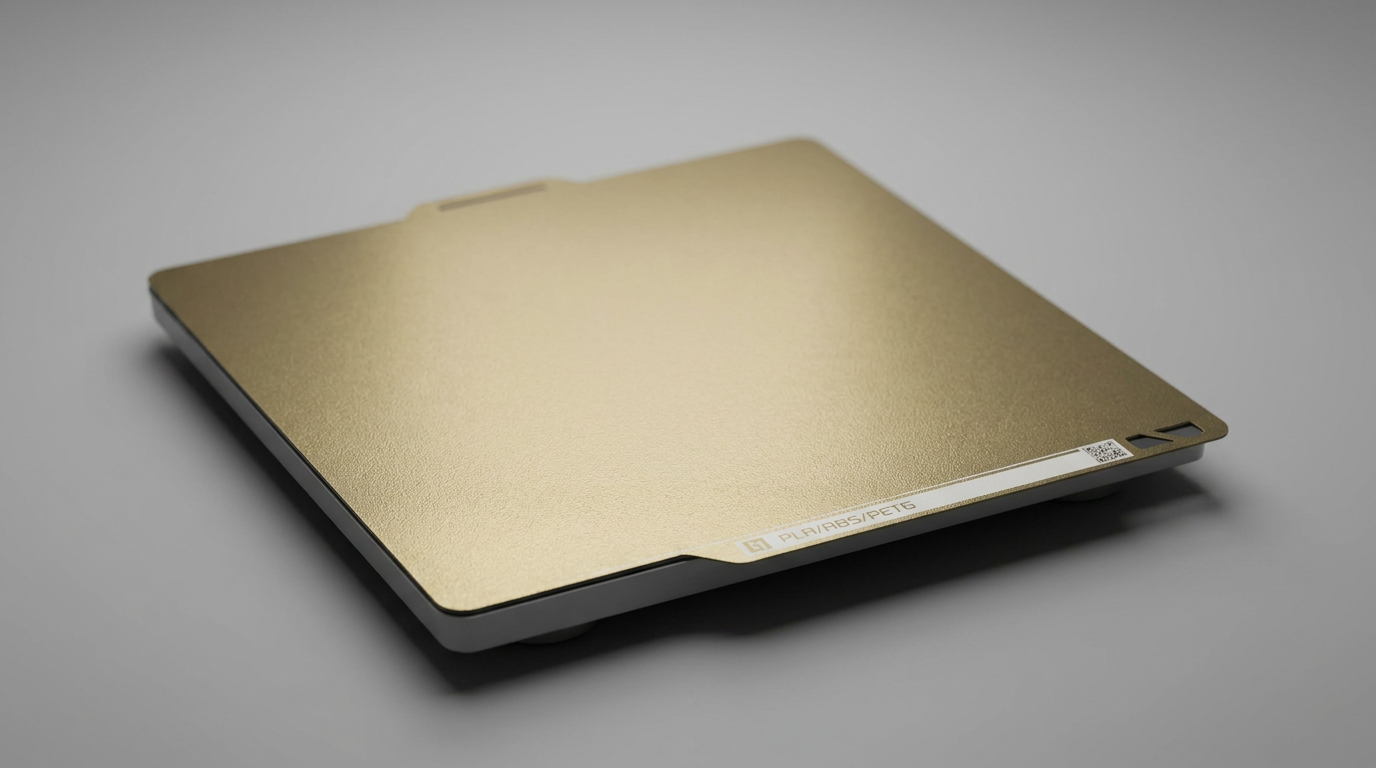
The modern 3D printing market treats build plates as high-margin consumables, often charging steep premiums for what is fundamentally powder-coated spring steel. Most owners default to manufacturer-branded sheets out of caution, assuming third-party offerings will break automated bed leveling or foil optical plate-detection sensors. The IdeaFormer-3D Textured PEI Build Plate challenges that premise directly, delivering a 256x256mm drop-in sheet engineered specifically for the Bambu Lab ecosystem.
At a price point well under $20, this plate is positioned not merely as an emergency spare, but as a practical enabler of what we call the continuous batching loop. In high-throughput printing, swapping a hot sheet for a cool one immediately eliminates print downtime. The central question is whether IdeaFormer-3D cut meaningful corners on coating durability, steel flatness, or machine readable markers to achieve that price.
Across extensive user cycles spanning PLA, PETG, and engineering materials, this double-sided sheet proves that factory-grade adhesion does not require factory-level pricing. It carries subtle physical differences from the original equipment, but those variations occasionally work in its favor.
What owners love
- + Reliable mechanical adhesion across PLA, PETG, ABS, and TPU
- + Functional QR codes enable seamless optical detection on X1 and X1C machines
- + Slightly thinner spring steel offers superior flex for effortless part ejection
- + True double-sided textured PEI maximizes longevity per dollar
- + Compatible across Bambu A1, P1, and X1 lines, as well as same-sized competitors
Common complaints
- − Slightly thinner core plate than OEM Bambu sheets
- − Product imagery frequently misleads buyers into expecting two physical plates
- − Stubborn technical filaments like PETG-CF still require glue release agents
- − Purge lines can bond aggressively to the front perimeter
Design & Build
The IdeaFormer-3D sheet adheres strictly to the 256x256mm form factor required by Bambu Lab printers, including the rear alignment notches and printhead wipe tab. The core material is spring steel coated on both sides with a gold textured PEI finish. Multiple owners note that the steel gauge is slightly thinner than the factory Bambu plate. While purists might view this as cost-cutting, it introduces what we call the flexibility dividend: the thinner profile reduces the mechanical force needed to pop stubborn, broad-surface prints free from the bed. The texture itself is rough and granular, imprinting a uniform matte stipple that masks layer lines on the bottom surfaces of finished models. One persistent source of friction is product packaging and marketing images. Several buyers expected a two-pack because listings display front and back views side by side; in reality, you receive a single, two-sided plate.
Setup & Ease of Use
Getting reliable performance from the IdeaFormer-3D plate requires an immediate surface energy reset. Like most aftermarket PEI products, residual manufacturing oils on fresh sheets will sabotage first-layer adhesion if ignored. A thorough initial scrub with warm water and basic dish soap, followed by an isopropyl alcohol wipe, is mandatory before the first heating cycle. Once cleaned, the plate drops straight onto the magnetic heated bed with factory-like tolerances. Operators running P1P or P1S printers will find standard slicer profiles align without manual height compensation, though fine-tuning the first-layer squish via a fresh automatic bed calibration prevents bottom-edge elephant foot. Users note that once dialed in, the plate remains flat across hundreds of heat cycles without curling at the corners.
Performance in Real Use
In daily operation, the IdeaFormer-3D plate behaves like standard textured PEI: it grips when hot and releases when cold. Standard PLA and PETG anchor reliably at standard bed temperatures without chemical adhesives, showing zero signs of corner lifting on wide footprints. For ABS and ASA, chamber heat retention and bed adhesion remain steady. However, highly rigid abrasive materials like PETG-CF present a known challenge where mechanical interlocking can bond too fiercely to the rough PEI peaks, requiring a thin interface layer of glue stick to prevent surface tear-out. Furthermore, the printer purge line laid down at the front-left edge of the bed tends to bond tighter on this plate than on factory sheets, requiring deliberate fingernail or scraper effort to remove.
Software & Ecosystem
The critical failure point for most aftermarket Bambu accessories is sensor compatibility. The IdeaFormer-3D plate addresses this by including functional machine-readable QR codes on both sides of the plate tabs. Micro Lidar on the X1 and X1C recognizes the sheet instantly as a Textured PEI surface, preventing false error pauses during print starts. Bambu Studio and Bambu Handy handle the sheet natively under standard OEM profiles, meaning no custom start G-code is necessary. Notably, compatibility also extends beyond the Bambu walled garden. Owners have successfully deployed this exact plate on identically sized open-format beds, such as the Elegoo Centauri Carbon, confirming that the dimensions and thermal properties translate cleanly across modern high-speed platforms.
Value & Reliability
Priced comfortably in the under-$20 tier, this plate undercuts official replacement sheets while offering nearly identical utility. Wear metrics gathered from high-hour users indicate impressive durability, with reports of up to 800 hours of continuous production printing without coating delamination or noticeable bald spots. Because the plate is fully dual-sided, wear can be evenly distributed by flipping the sheet between production runs. When evaluated against the standard manufacturer offering, the IdeaFormer-3D sheet represents an economical way to maintain print farm throughput without sacrificing print quality or sensor integration.
Verdict
Buy - A cost-effective drop-in build plate that matches OEM adhesion while offering easier print release.
This build plate is ideal for Bambu Lab A1, P1, and X1 owners who want affordable production backups to keep their printers running without waiting for cooling cycles. It is also an excellent pickup for hobbyists needing a dedicated second plate to isolate messy filaments from their primary PLA surface. Buyers running delicate composite blends like PETG-CF should proceed with care, as release aids remain necessary on this aggressive texture.
The real insight here is that build plate gauge is a deliberate trade-off, not an automatic win for the thicker OEM standard. By accepting a marginally thinner spring steel sheet, users gain the mechanical flex necessary to eject large footprints effortlessly, proving that smart budget engineering can sometimes outperform proprietary rigidity.
FAQ
More 3D Printer Parts & Accessories reviews
SAHVAIM AMS Lite Filament Hub Review: Quick Fix for Bambu A1
Wefuit 0.2mm Hardened Steel Hotend Review: Budget Precision
HzdaDeve P1S/P1P Hotend Assembly Review: Cheap Downtime Insurance
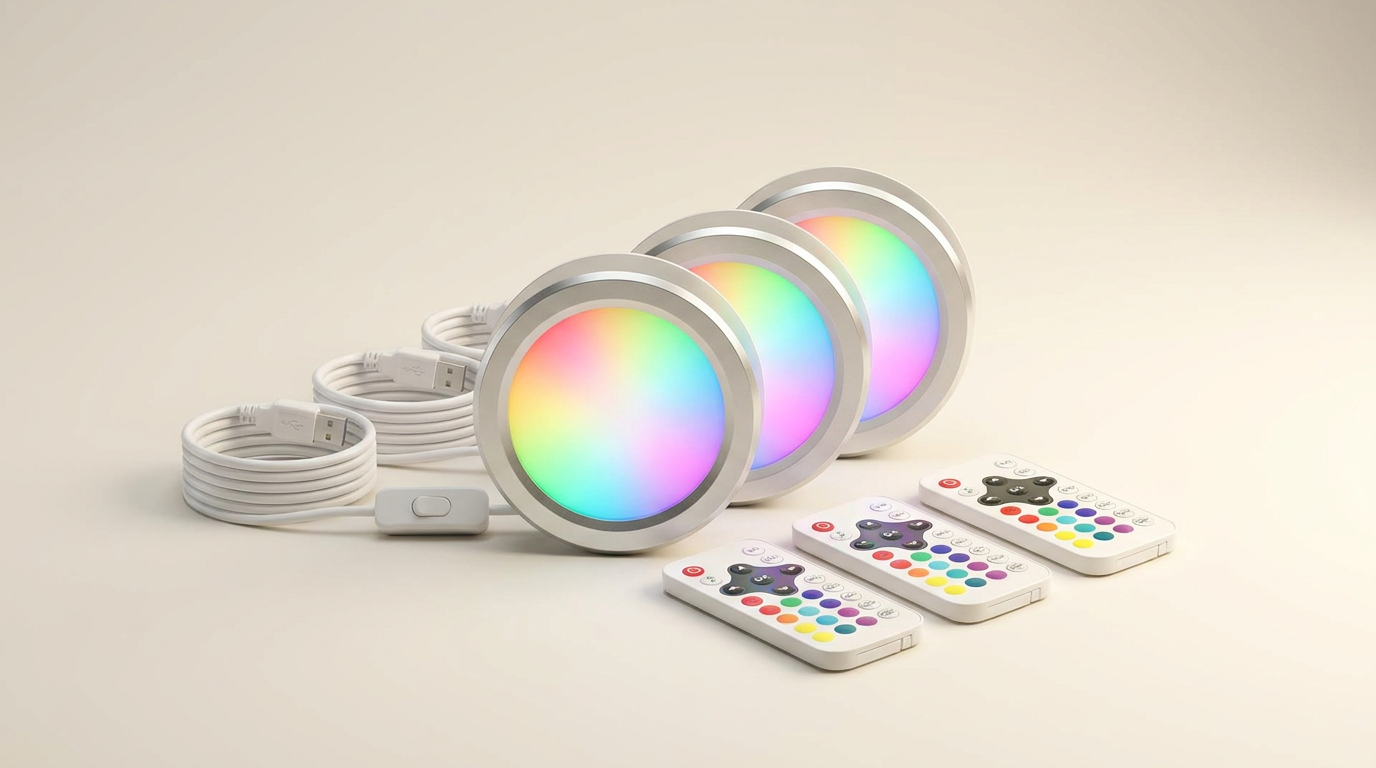
3DZWMAN RGB LED Lamp Kit 001 Review: Better Than OEM
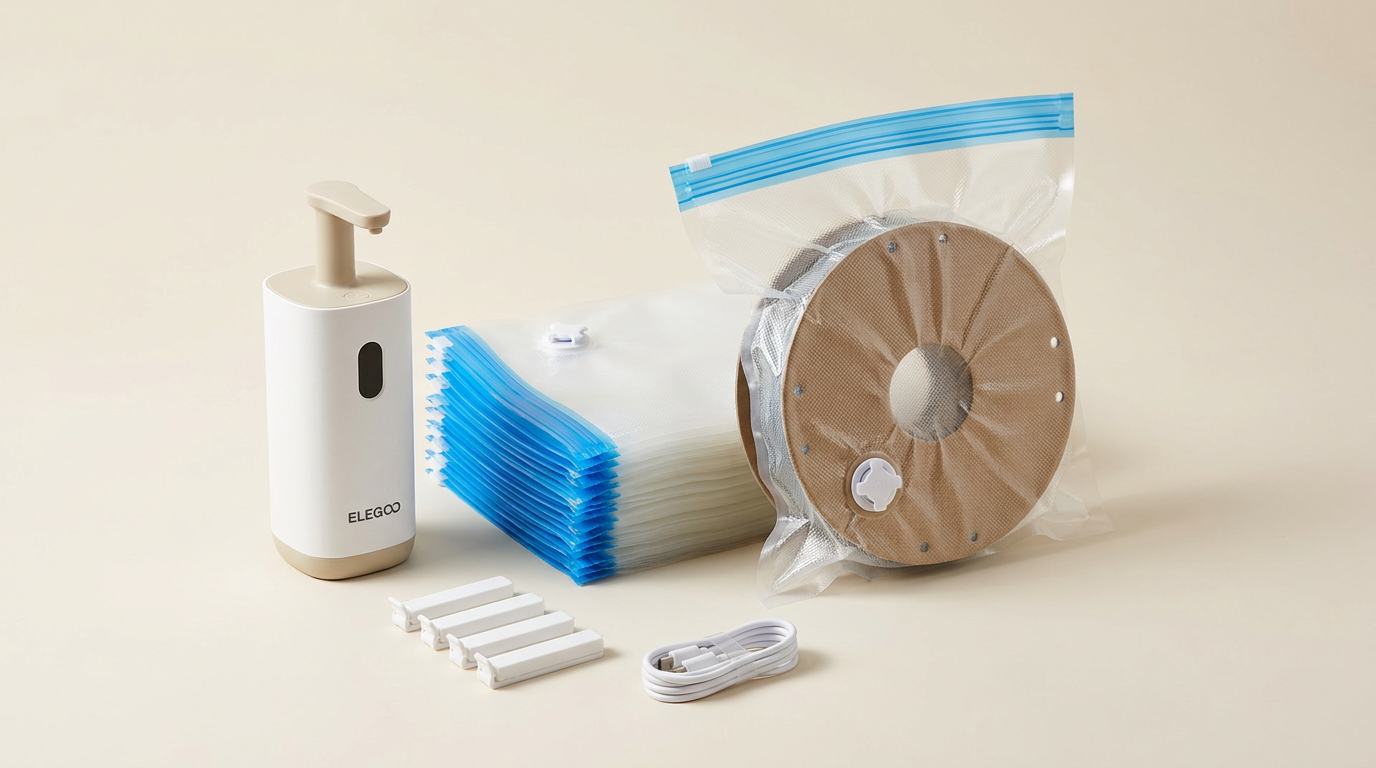
ELEGOO Filament Storage Bags Review: The Unsung Hero of 3D Printing
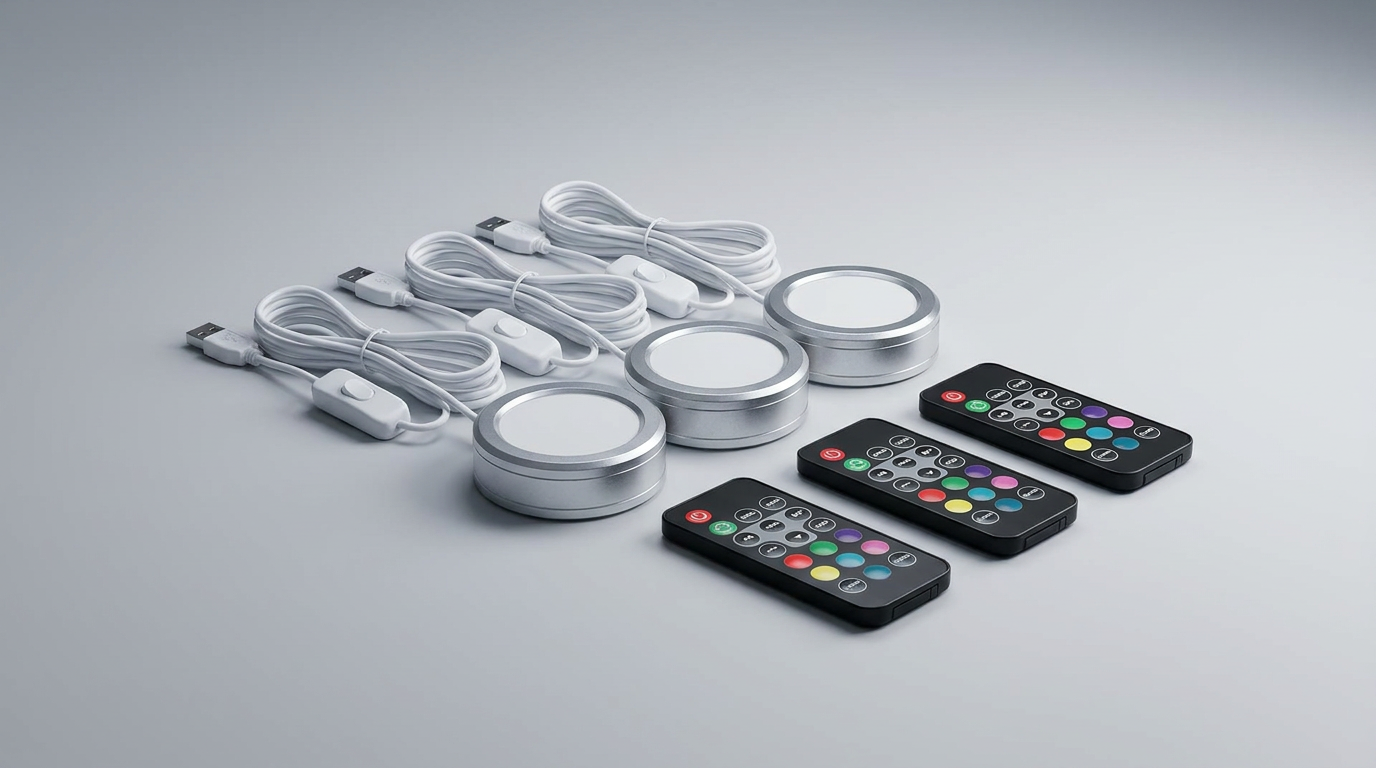
BambooSegD RGB LED Lamp Kit: The 3D Printer Accessory Standard
This review is based on real experiences shared by owners in online communities.