
HzdaDeve P1S/P1P Hotend Assembly Review: Cheap Downtime Insurance
This review is based on real experiences shared by owners in online communities.
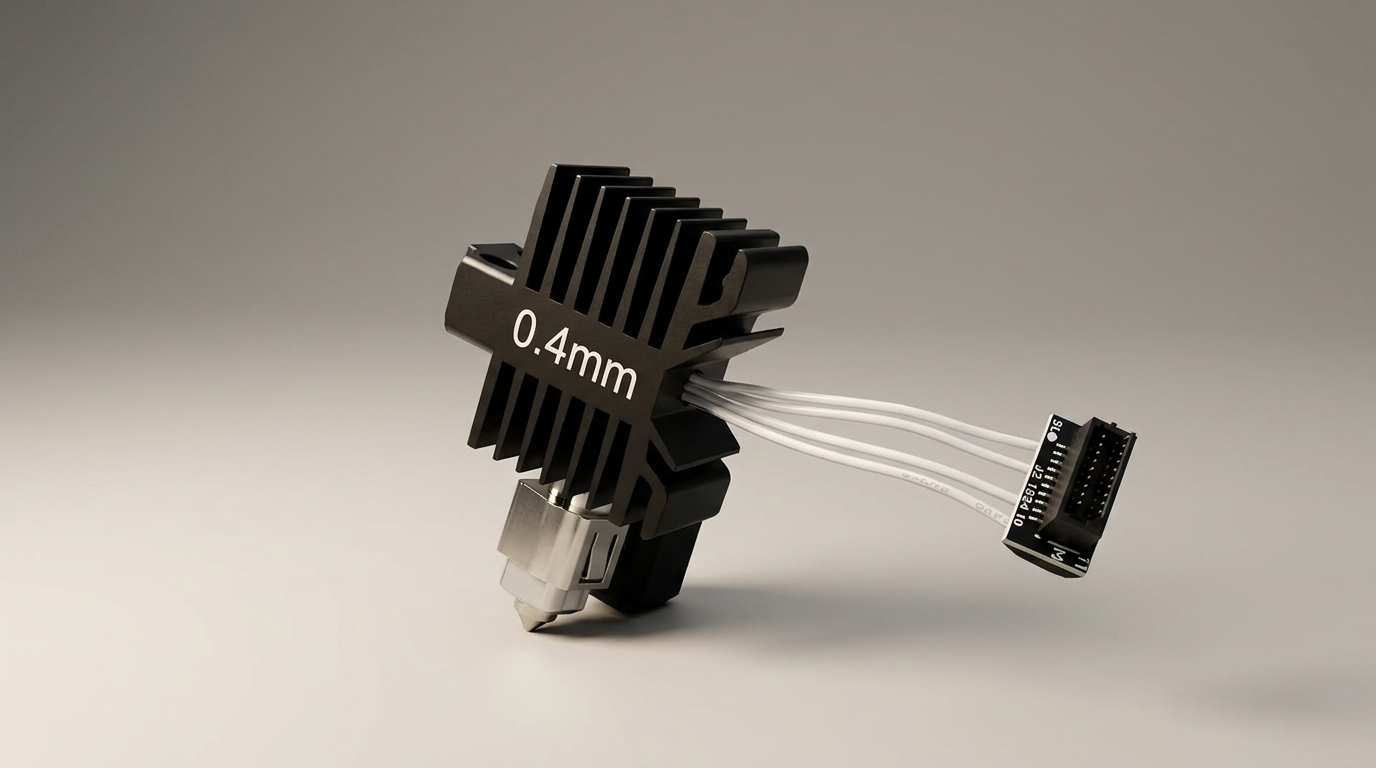
High-speed 3D printing has quietly transformed the hotend from a serviceable core component into a consumable cartridge. When an overnight print fails and encases the toolhead in a solid block of extruded plastic, the traditional ritual of heat guns, brass wire brushes, and acetone baths is an economic loss. The HzdaDeve Upgraded 0.4MM Hotend Assembly arrives squarely aimed at this reality, selling for under $20 as what can best be termed downtime insurance.
Rather than chasing exotic flow rates or bleeding-edge metallurgy, this unit addresses the practical bottleneck of machine availability. By delivering a complete, pre-wired module containing the heat sink, ceramic heating rod, thermistor, and a hardened steel nozzle, it bypasses the finicky process of rebuilding a damaged print head wire by wire.
Yet this convenience relies entirely on the disposable assembly paradigm. By fixing the nozzle permanently into the heat block, HzdaDeve trades long-term modularity for immediate mechanical simplicity. For production-minded users and weekend hobbyists alike, understanding whether that trade-off makes sense comes down to how much you value your time over individual component costs.
What owners love
- + Fully pre-wired assembly eliminates tedious thermistor handling
- + Resolves recurring thermal runaway and heating sensor error codes
- + Hardened steel construction handles abrasive filaments well
- + Drop-in mechanical fit allows recovery in under fifteen minutes
- + Extremely low cost makes it practical to store as a spare
Common complaints
- − Fixed nozzle design prevents standalone nozzle swaps
- − Requires silicone sock installed to prevent fan-induced thermal drops
- − Flexible filaments like TPU can bind and trigger feed faults
- − Occasional toolhead housing variances require checking printhead versions
Design & Build
The HzdaDeve hotend mimics the physical footprint of original equipment manufacturer components with near-identical precision. Built around an all-metal heat break capable of reaching 350 degrees Celsius, it integrates a hardened steel 0.4mm nozzle into an aluminum cooling block. The critical mechanical departure from traditional aftermarket designs is that the nozzle is non-removable. It is pressed and sealed directly into the block to eradicate filament weeping at the heat-break junction. This design choice embraces the disposable assembly paradigm: you cannot replace a worn tip with a larger 0.6mm brass nozzle later, but you also never face the melted filament leaks that plague improperly torqued threads.
Setup & Ease of Use
Installation takes roughly ten to fifteen minutes, even for users who have never disassembled a toolhead. The unit arrives with the ceramic heater element and thermistor leads pre-routed and terminated with the correct mini-connectors, requiring only two mounting screws and gentle plug seating onto the breakout board. A critical operational detail is what can be termed thermal blowback: the ceramic heating element has low thermal mass, meaning the included silicone sock is mandatory, not optional. Owners who run test prints without the sock find that powerful auxiliary part-cooling fans quickly strip heat away faster than the cartridge can replenish it, triggering immediate thermal faults.
Performance in Real Use
Once seated and calibrated, the assembly delivers reliable extrusion parity with stock hardware. In real-world operation, it consistently resolves common communication and thermal errors, such as extruder heating warnings and E0113 faults that occur when damaged sensors fail to register target temperatures. Standard engineering filaments like ABS, PETG, and filled composites feed cleanly through the smooth internal bore. However, the tighter internal heat break tolerances make it less forgiving with soft elastomeric filaments. Users attempting to push flexible TPU frequently encounter feeding resistance or jams that can trip internal sensors, indicating that high-friction soft materials demand slower speeds and meticulous feed paths on this setup.
Software & Ecosystem
Because this unit adheres strictly to original equipment electrical profiles, it requires no customized firmware profiles, PID tuning scripts, or mainboard patching. The machine detects the replacement as a standard ceramic heater assembly, passing automated resonance sweeps and bed-leveling routines without friction. There is, however, an ecosystem nuance: slight revisions in printer sub-models (such as version 1 versus version 2 toolhead housings and wiring retainers) mean buyers must inspect their cable pathways before torquing down the bracket. When minor connector fit issues arise, third-party vendor support has proven responsive, but mechanical vigilance during installation remains necessary.
Value & Reliability
Priced in the sub-$20 range, this assembly is fundamentally an exercise in operational efficiency. When an automated machine experiences a catastrophic blob of death, spending an entire afternoon salvaging a damaged thermistor or unclogging a fused heat break costs far more in billable labor than the price of a replacement. Multiple owners report running these assemblies through several hundred operating hours across dozens of build plates without temperature drift or structural failure. It functions not as a luxury upgrade, but as a dependable shop consumable that keeps production lines moving while warranty claims or OEM parts crawl through logistics channels.
Verdict
Buy - A reliable, sub-$20 hotend replacement that turns catastrophic print failures into a fifteen-minute fix.
This unit is an ideal match for high-volume makers, print farm operators, and everyday hobbyists who want zero downtime and prioritize rapid recovery over granular modularity. Keeping one in a drawer ensures that a ruined toolhead does not stall projects for days. Conversely, tinkerers who regularly swap nozzle diameters between 0.2mm and 0.8mm or those who print primarily ultra-soft flexible filaments should look toward modular, quick-change alternatives.
The real story of this hotend is how high-speed additive manufacturing has rendered old-school maintenance obsolete. HzdaDeve understands that modern printer operators no longer view clearing melted filament globs as a badge of honor; they want a low-cost, plug-and-play module that gets the machine back to building parts before the build plate has even cooled.
FAQ
More 3D Printer Parts & Accessories reviews
Wefuit 0.2mm Hardened Steel Hotend Review: Budget Precision

3DZWMAN RGB LED Lamp Kit 001 Review: Better Than OEM
ELEGOO Filament Storage Bags Review: The Unsung Hero of 3D Printing
BambooSegD RGB LED Lamp Kit: The 3D Printer Accessory Standard
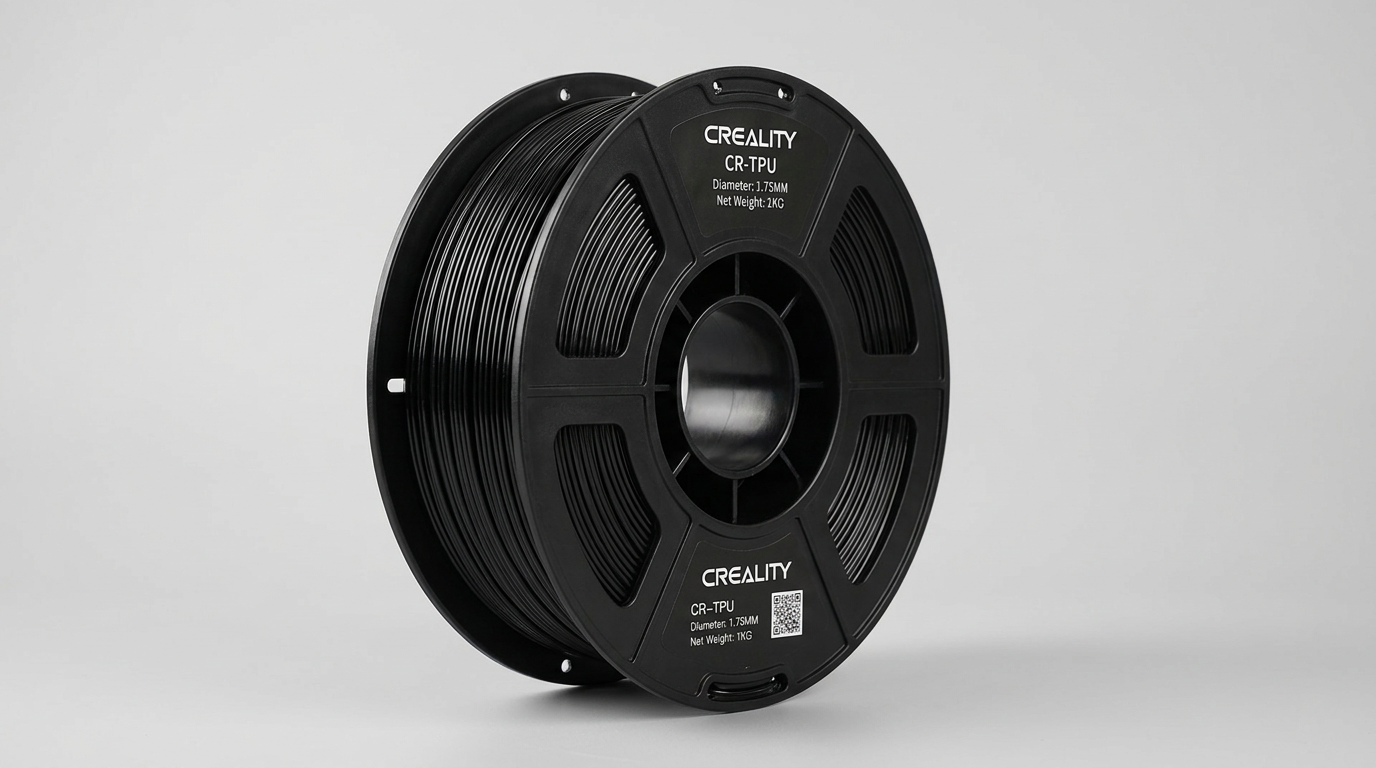
Creality TPU 95A: A Flexible Filament for Patient Printers
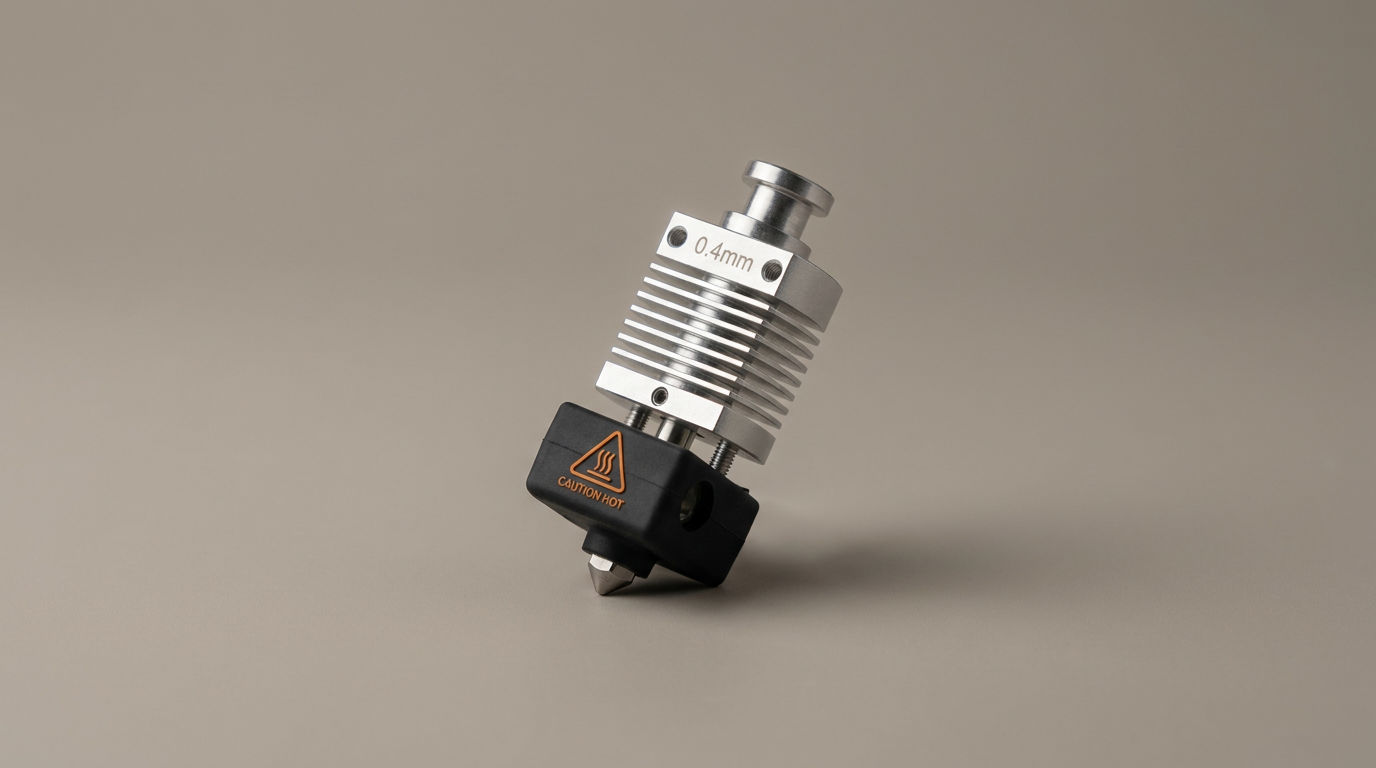
UniTak3D Quick-Swap Hotend 0.4mm Review: A Solid Bambu A1 Alternative
This review is based on real experiences shared by owners in online communities.