
GIANTARM PETG Filament Review: The Standard Setter for Value
This review is based on real experiences shared by owners in online communities.
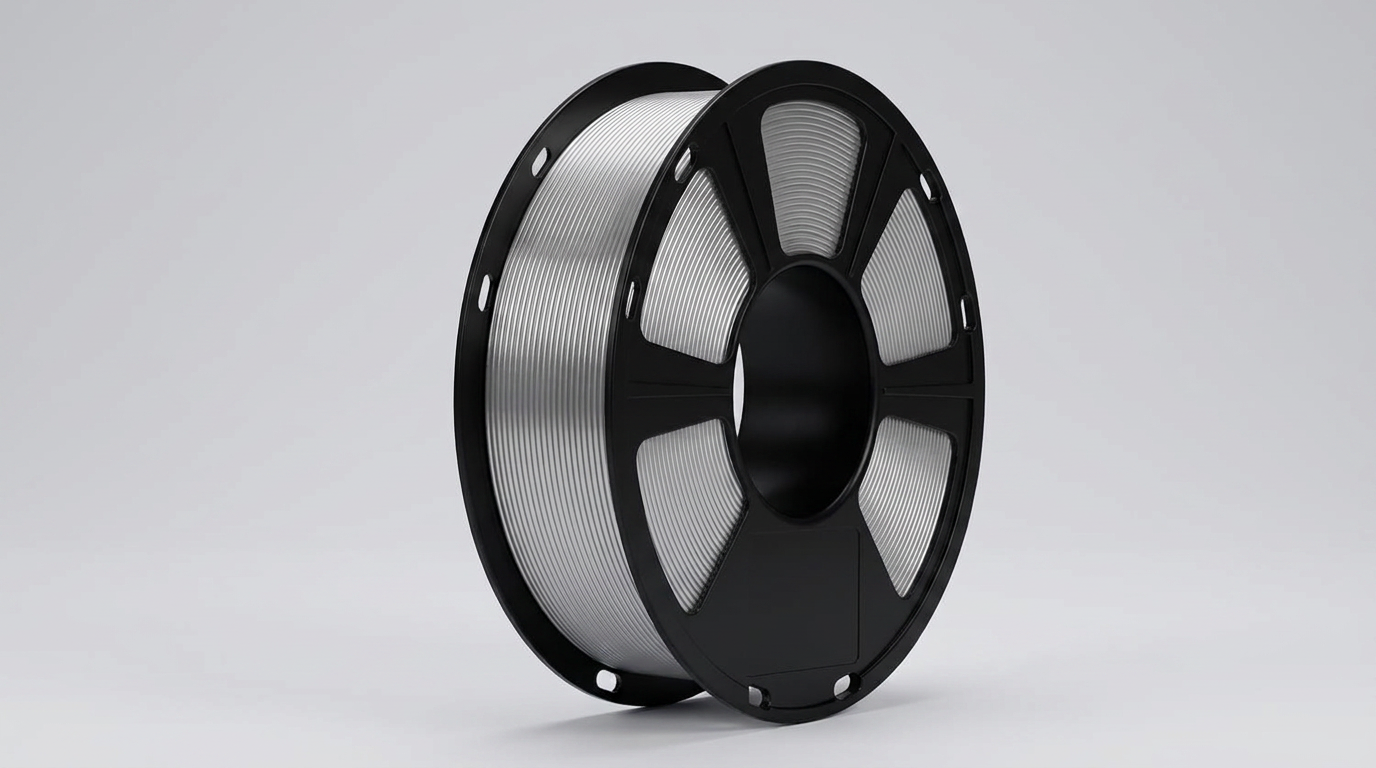
In a market saturated with filament options, finding a brand that consistently delivers without compromise can feel like a speculative endeavor. Many manufacturers compete on price, often at the expense of print quality or material consistency. The GIANTARM PETG filament, however, presents a different proposition: it aims to redefine the baseline expectation for budget-friendly PETG by focusing on the fundamentals.
Historically, PETG has been perceived as a material with a steeper learning curve than PLA, often associated with stringing and specific drying requirements. Yet, GIANTARM challenges this notion, positioning its PETG as an accessible, high-performance material straight out of the box, even for those new to the type. This review examines whether GIANTARM successfully democratizes PETG printing, making advanced material properties more attainable for the everyday hobbyist.
This filament distinguishes itself by minimizing the typical PETG compromises, offering a print experience that often rivals or exceeds more premium alternatives. Our analysis delves into how GIANTARM achieves this balance, exploring its material characteristics, print performance across various machines, and overall value proposition in an increasingly complex 3D printing landscape.
What owners love
- + Prints consistently well with minimal stringing or clogging
- + Excellent layer adhesion and surface finish
- + Vibrant and consistent color across multiple rolls
- + Often prints effectively without immediate drying
- + Good value for the performance offered
- + Strong and durable prints suitable for functional parts
Common complaints
- − Some spools may require an adapter for specific AMS systems
- − Supports can be overly tough to remove from prints
- − Inconsistent spool hole size noted on some units
- − Not universally 'silk' metallic appearance out of box
Design & Build
The GIANTARM PETG filament arrives neatly wound on a plastic spool, a detail owners frequently commend. This meticulous winding is crucial for uninterrupted printing, preventing tangles that can lead to failed jobs. The filament itself demonstrates consistent diameter, adhering to the specified ±0.02mm accuracy, which aids in reliable extruder performance. The packaging includes vacuum sealing with desiccant, a standard practice, but some users appreciate the inclusion of an extra resealable bag. This demonstrates an understanding of the end-user's filament storage challenges. While most spools integrate well, some owners using Bambu Lab AMS systems report the spool's central hole is too large, necessitating an adapter. This minor 'fitment friction' point is a small but notable detail for users in integrated ecosystems.
Setup & Ease of Use
One of the most compelling aspects of GIANTARM PETG, and a clear differentiator, is its surprising print readiness. Multiple users report successful prints straight out of the vacuum-sealed package, often without the immediate need for filament drying, a common prerequisite for PETG. This 'out-of-the-box performance' is a significant reduction in printing friction, particularly for new PETG users or those in less humid environments. While some still dry their filament as a best practice, the filament's inherent low moisture absorption upon arrival contributes to its ease of use. It adapts well to generic PETG profiles in popular slicers, with common nozzle temperatures in the 230-245°C range and bed temperatures around 60-85°C. This broad compatibility across machines, from Anycubic to Bambu Lab, underscores its forgiving nature.
Performance in Real Use
The GIANTARM PETG consistently delivers strong, high-quality prints. Owners note excellent layer adhesion, resulting in durable functional parts that can withstand impact and retain shape. Stringing, a common PETG characteristic, is often reported as minimal or absent, especially when printing parameters are appropriately set or after minor drying. Colors are vibrant and consistent, with specific metallic shades like 'silver-gray silk' having a distinctive appearance, although some observed it as more of a shiny gray unless settings were carefully tuned. The material's ability to transition seamlessly from PLA settings, with only minor temperature adjustments, highlights its 'bridging material' potential for users looking to upgrade from PLA without a steep learning curve. This functional reliability positions it as a 'workhorse filament' for diverse applications.
Software & Ecosystem
This filament demonstrates broad compatibility, performing well across a range of FDM 3D printers and slicer software. Users frequently reference success with Bambu Lab printers (P1S, A1, X1C) and their generic PETG or even PLA profiles, often with minimal or no modification. This 'generic profile compatibility' is a notable advantage, as it reduces the tuning overhead typically associated with new filament brands or material types. The ability to print effectively using standard settings indicates a material with well-behaved thermal properties and flow characteristics, reducing the time spent on calibration. While a few spools have slight dimensional discrepancies for specific AMS systems, the overall performance within established software and hardware ecosystems remains robust.
Value & Reliability
GIANTARM PETG is consistently praised for its excellent value, offering performance often compared favorably to more expensive brands like Hatchbox. The reliability of batch-to-batch consistency in color and print quality is a recurring theme, instilling confidence in repeat purchases. This consistent performance, combined with its competitive pricing in the under $25 range, makes it a strong contender for both casual hobbyists and those requiring larger quantities for ongoing projects. One owner noted running eight rolls continuously without issue, emphasizing its suitability for high-throughput environments. For a material that delivers on its promises while maintaining an accessible price point, GIANTARM establishes a 'reliability dividend' for its users, where the investment consistently yields expected results.
Verdict
Buy - GIANTARM PETG consistently delivers high-quality, reliable prints at an excellent value, simplifying the PETG printing experience.
This filament is ideal for hobbyists and makers who are ready to move beyond PLA but want to avoid the common frustrations associated with PETG. Those with Bambu Lab printers or other closed-system 3D printers will find it integrates well, often requiring minimal calibration. It's also a strong choice for anyone needing durable, functional parts without breaking the bank, particularly for projects that benefit from PETG's strength and temperature resistance. Users primarily focused on intricate, highly detailed models where support removal must be effortless might find supports from this material slightly more challenging to manage. If precise 'silk' metallic aesthetics are paramount without further tuning, some variants might appear more as a shiny gray.
GIANTARM PETG fundamentally redefines the entry point for capable PETG. It normalizes a higher standard for value filaments, demonstrating that consistent, trouble-free printing does not inherently demand a premium price. This product doesn't just compete on cost; it elevates the baseline expectation for what an affordable PETG can deliver, making advanced material properties genuinely accessible.
FAQ
More 3D Printing Supplies reviews
Kretrum Silk Dual Color PLA Filament Review: Vibrant Aesthetics for 3D Printing
eSUN High Speed PLA+ Filament Review: The Workhorse for Fast Printers
SUNLU PETG Filament 4kg Review: The Bulk Workhorse for High-Volume Prints
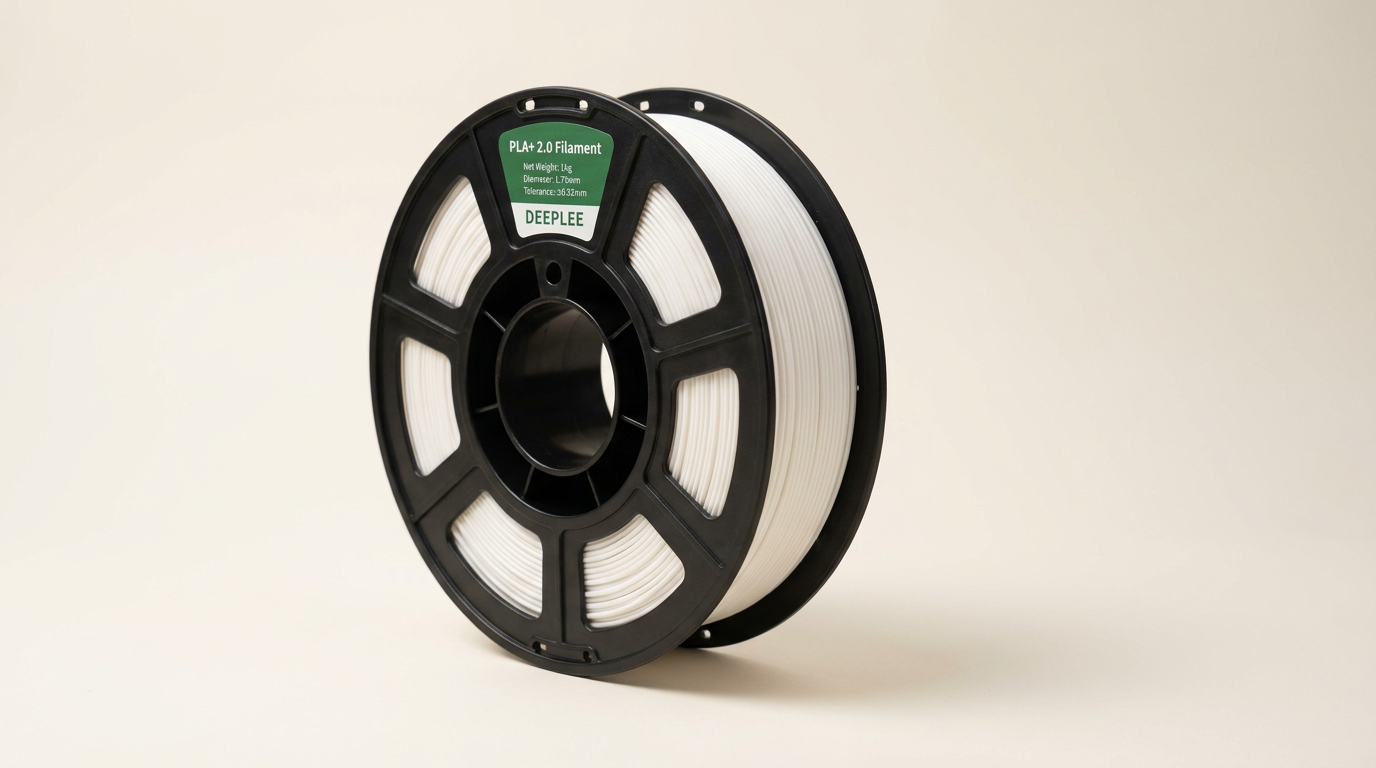
Deeplee PLA+ 2.0 Filament Review: A Workhorse Material for 3D Printing
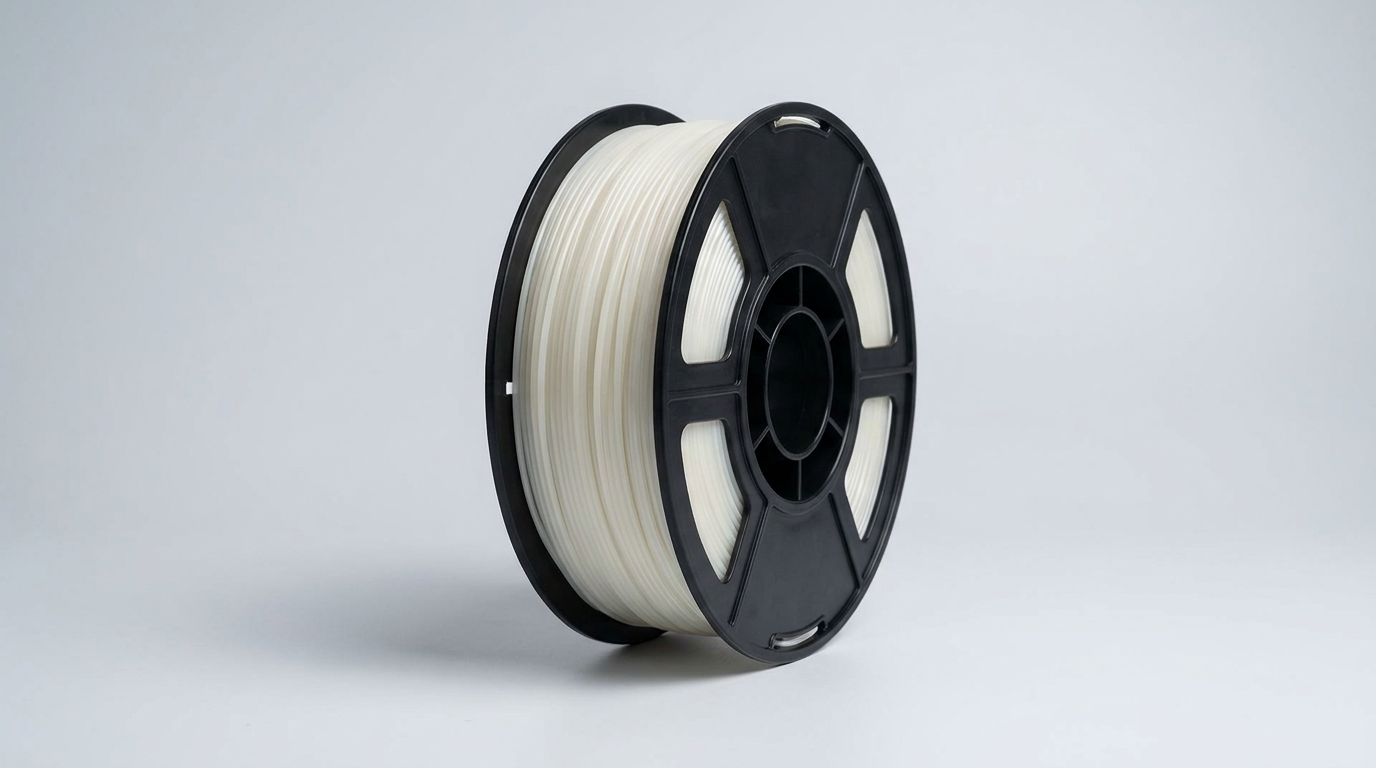
FLASHFORGE Rapid PLA: The 'Stealth Performance' Filament
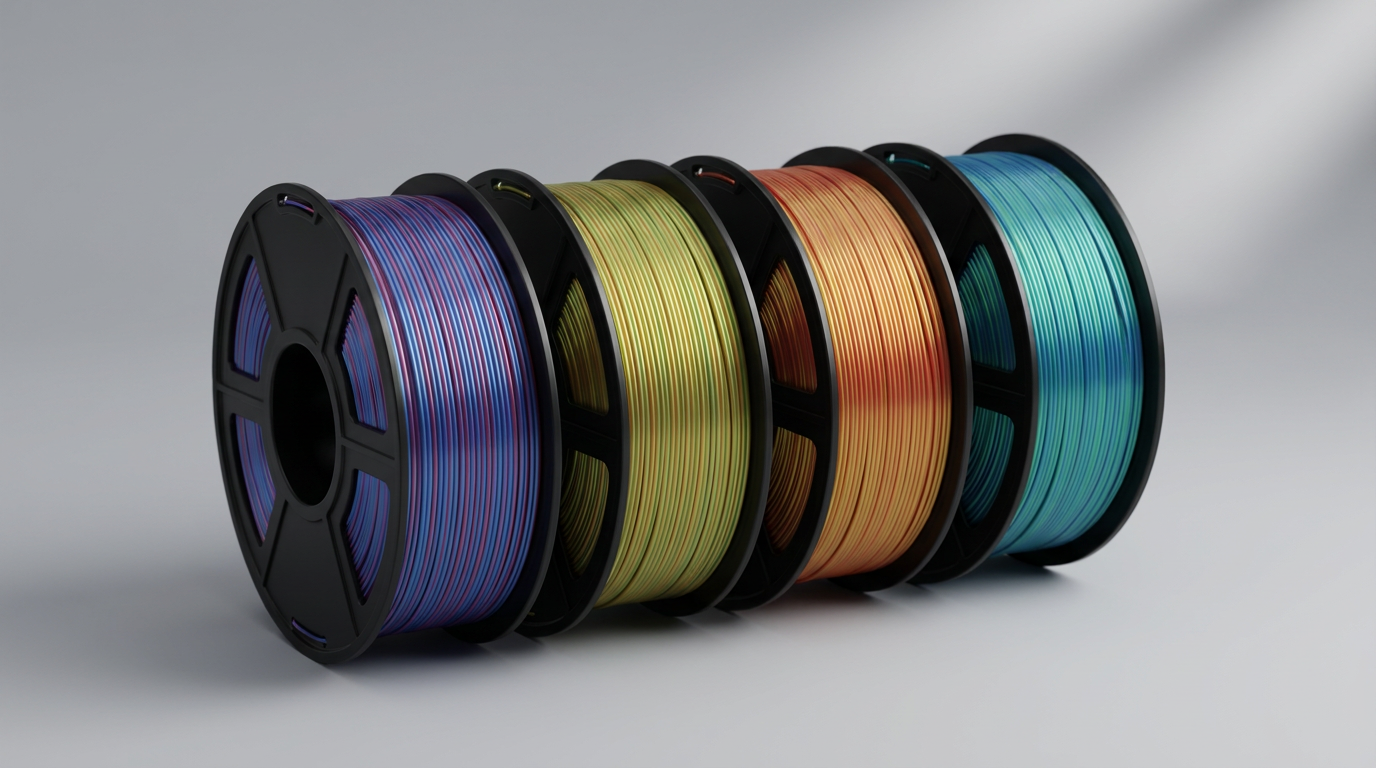
RAMBERY Silk Dual Color PLA Filament Review: Aesthetic Impact for Small Prints
This review is based on real experiences shared by owners in online communities.