
Fanttik T1 Max Review: A Cordless Soldering Iron for the Modern Maker
This review is based on real experiences shared by owners in online communities.
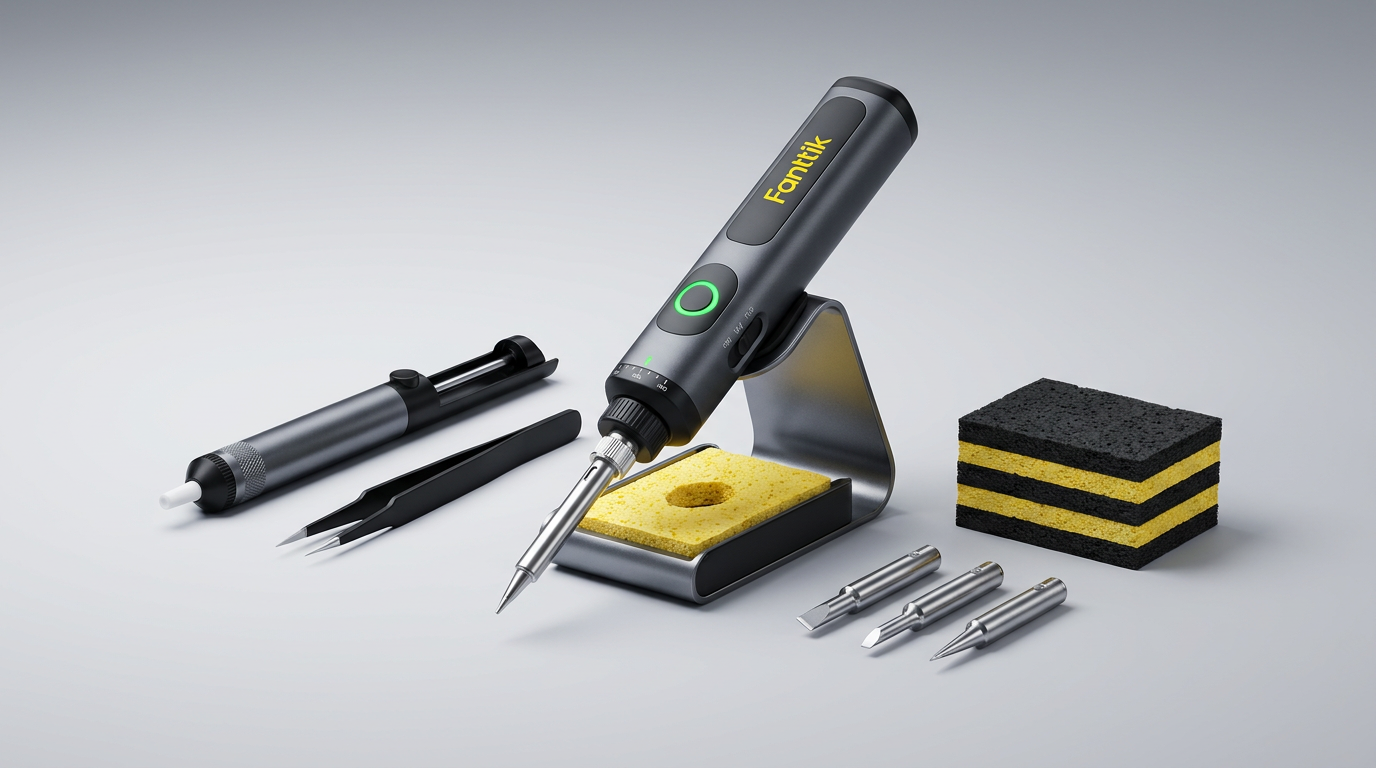
The modern electronics landscape, characterized by miniaturization and distributed repair needs, demands tools that transcend the traditional workbench. The Fanttik T1 Max positions itself squarely in this emerging niche, offering a cordless soldering solution that promises mobility without significant compromise. This is not simply a battery-powered iteration of an old design; it represents a significant shift in how many users approach delicate, on-the-go soldering tasks.
At a price point typically associated with entry-level corded irons, the T1 Max delivers a feature set and build quality that consistently surprises owners. It challenges the conventional wisdom that cordless tools inherently sacrifice power or precision. The true innovation here lies in its ability to democratize micro-soldering, making intricate repairs accessible away from a dedicated station.
Our analysis of extensive owner feedback reveals a product that largely delivers on its ambitious premise, particularly for specific use cases. The T1 Max embodies what we call the "Mobility Dividend" for solderers: the tangible gains in efficiency and access that come from severing the cord. However, like any specialized tool, understanding its operational envelope and inherent trade-offs is crucial for prospective buyers.
What owners love
- + Cordless operation provides unmatched mobility and freedom from power outlets.
- + Heats rapidly to target temperatures, minimizing wait times for quick tasks.
- + Compact design and included stand facilitate organized and portable use.
- + Precise temperature control via a six-level knob accommodates various tasks.
- + Suitable for micro-soldering and delicate electronics with fine tips.
- + Robust build quality reported by multiple owners, exceeding expectations.
Common complaints
- − Battery life, while decent, requires charging for extended project sessions.
- − Sleep mode activation can feel premature for some users, interrupting workflow.
- − Small tips, while precise, are not designed for heavy-duty soldering tasks.
- − One owner reported a faulty tip out of the box, requiring replacement.
- − Button placement can lead to accidental shut-offs during use.
Design & Build
The Fanttik T1 Max presents a distinct aesthetic and tactile experience for a soldering iron. Owners consistently describe its feel as premium, noting the solid construction and thoughtful design elements. The aluminum storage stand, in particular, receives praise for its stability and integrated tip storage, offering a significant upgrade over many competitor’s basic wire stands. This integrated organization mitigates the common issue of misplaced accessories, a subtle but impactful benefit. The light weight contributes to improved precision during extended use, reducing hand fatigue. This attention to detail in housing and ergonomics signals a departure from purely utilitarian tool design, embracing an "Appliance Aesthetic" where tools are meant to be displayed and easily accessed, not just stowed away.
Setup & Ease of Use
Initial setup of the T1 Max is straightforward, requiring minimal effort to begin operation. The USB-C charging port offers universal compatibility, allowing users to power it with common chargers or portable power banks, enhancing its grab-and-go utility. Owners highlight the quick heat-up time, often citing just a few seconds to reach operational temperature, which significantly reduces downtime for impromptu repairs. The magnetic arm on the stand and the spring-loaded tip drawer are small touches that contribute to a fluid user experience. While the gravity sensing sleep mode is intended to conserve battery and prevent accidental burns, some users find its 30-second trigger slightly aggressive, leading to minor workflow interruptions. This suggests a subtle tension between safety automation and continuous productivity, a common challenge in smart tool design.
Performance in Real Use
In application, the T1 Max proves highly effective for its intended purpose: micro-soldering and light-to-medium electronic repairs. Users consistently report its ability to melt solder quickly and maintain stable temperatures across its 390-840°F range. The included C210 tips are lauded for their fine points and efficiency, making it suitable for intricate work on circuit boards, drone components, and guitar electronics. The cordless nature is a recurring highlight, eliminating cord drag and entanglement, a significant benefit in tight spaces or when working on larger assemblies like guitar pots. While proficient for small components, owners acknowledge its limitations for very heavy-gauge soldering, a natural consequence of its portable, battery-powered architecture. This defines its optimal performance within a specific 'Micro-Repair Window,' outside of which a dedicated, higher-wattage station would be more appropriate.
Software & Ecosystem
The Fanttik T1 Max operates without complex software interfaces or extensive digital ecosystems, focusing instead on physical design and core functionality. Its "smart" features are limited to the gravity-sensing sleep mode, which automatically cools the iron after 30 seconds of inactivity and restarts heating when picked up. This approach simplifies the user experience, making it accessible to hobbyists who may not want to engage with app-based controls. The simplicity means fewer points of failure and a more direct, intuitive operation. While some tools integrate advanced diagnostics or tip profiles via software, the T1 Max opts for a more analog control scheme with its six-level temperature knob, emphasizing immediate, tangible control over digital sophistication. The glowing work light is a practical, user-centric feature, illuminating the work area without external dependency.
Value & Reliability
Owners frequently comment on the exceptional value proposition of the T1 Max, often stating it performs above its price band, which typically falls under $100. The perceived quality and feature set rival some more expensive, commercial-grade units. Reliability reports are generally positive, with several users noting consistent performance over time. While one isolated case cited an initial issue with a tip and another experienced a charging problem after a year, customer support is highlighted as responsive and proactive in addressing concerns, even sending full replacement units in some instances. The ability to operate while plugged into USB-C also adds a layer of operational redundancy, mitigating concerns about battery longevity during critical tasks. This combination of strong performance, sensible pricing, and responsive support positions the T1 Max as a robust investment in its category.
Verdict
Buy - The Fanttik T1 Max delivers outstanding portability and precision for micro-soldering and light electronics work.
This is a clear recommendation for hobbyists, electronics enthusiasts, and even some professional technicians who require a highly portable, quick-heating soldering iron for intricate tasks. Its cordless design frees users from the bench, making quick repairs on appliances, drones, guitar electronics, or RC components significantly easier. Those who frequently work on small circuit boards or delicate wiring will appreciate its fine tips and precise temperature control. It offers substantial value in the under $100 range, outperforming many competitors.
However, it is not suitable for heavy-duty soldering, large wire gauges, or prolonged, high-heat applications that demand sustained power output. Users engaged in industrial-scale soldering or those who prioritize raw wattage over mobility should look at traditional soldering stations, which may be priced in the $150 to $200 range or higher.
The T1 Max embodies the "Unplugged Utility" principle: a specialized tool that optimizes for mobility and convenience without sacrificing fundamental performance for its target applications. It represents a subtle but profound shift from the static workbench to a more dynamic, adaptable repair environment, illustrating that for many modern tasks, the absence of a cord is not a luxury, but a core component of efficiency.
FAQ
More 3D Printing Supplies reviews
Kretrum 3Doodler Start+ Refills: Expanding Creative Horizons
Kretrum 40 Colors PLA 3D Pen Filament Refills Review
ELEGOO Silk PLA Filament Review: A Budget Silk Filament Leader
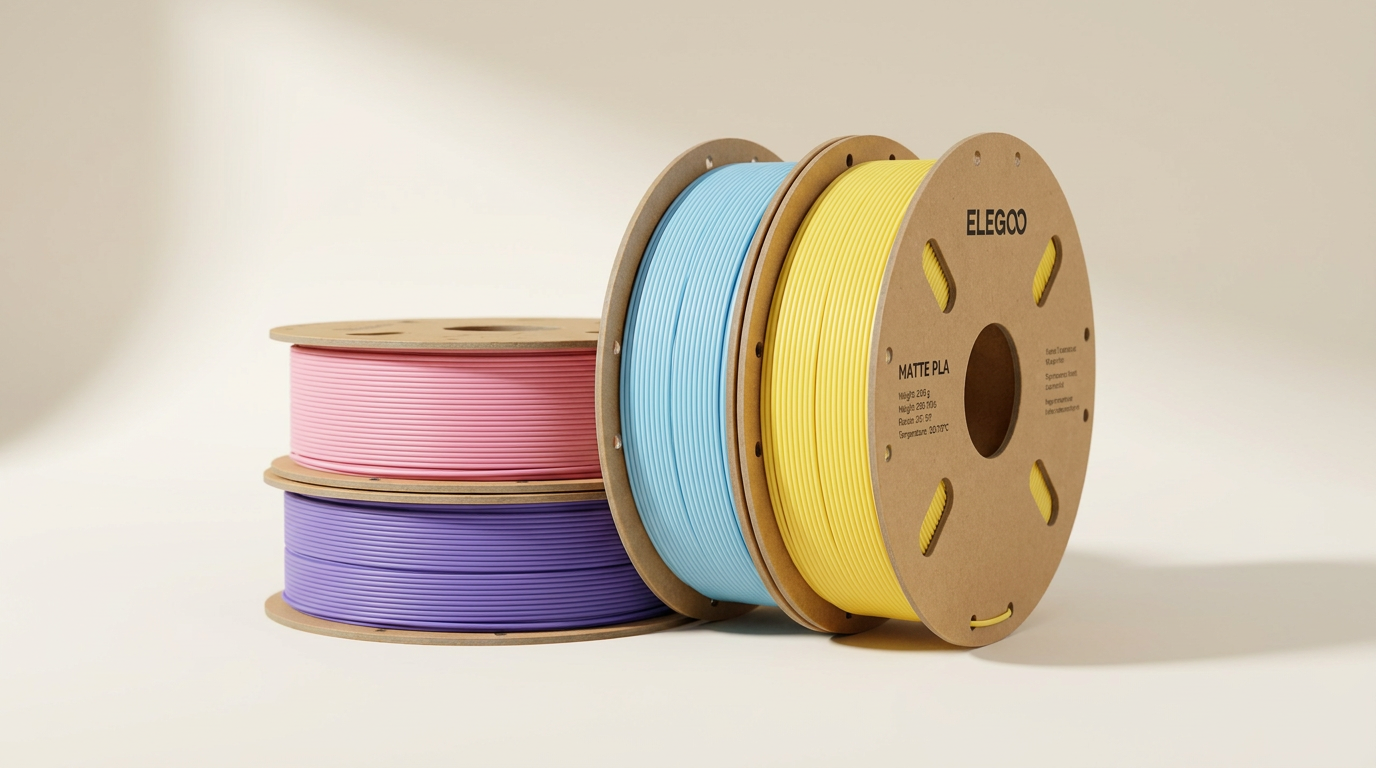
ELEGOO Matte PLA Filament: A Premium Finish for Everyday Prints
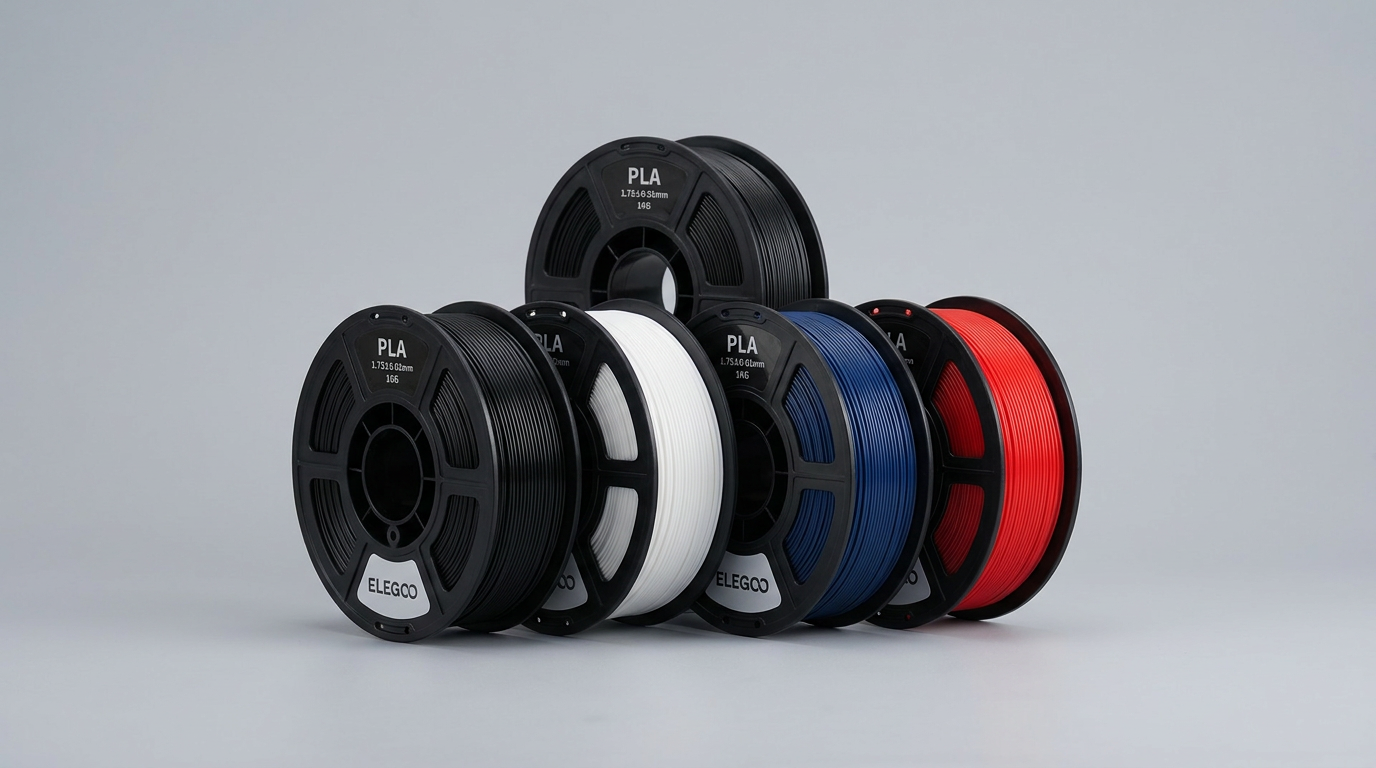
ELEGOO PLA Filament Bundle Review: The Daily Driver Standard
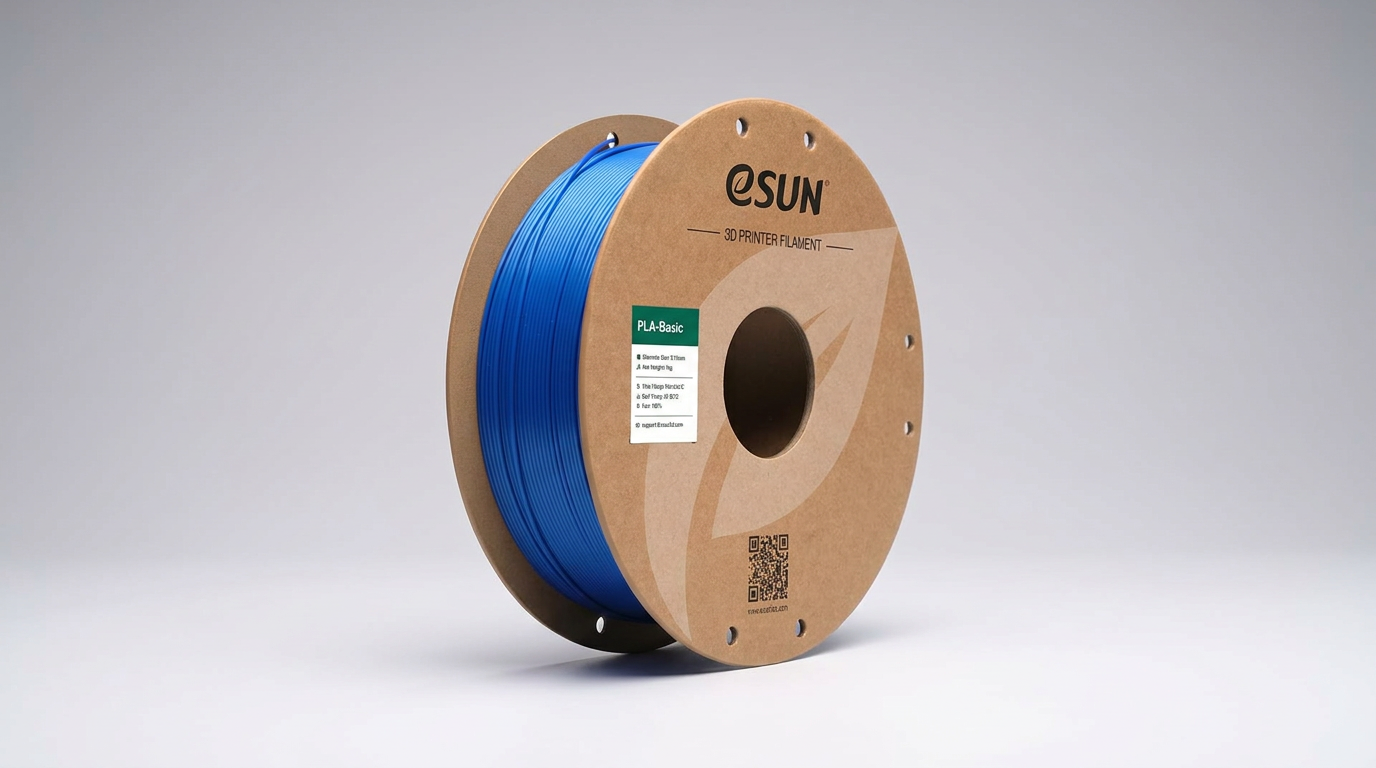
eSUN PLA Basic Filament Review: A High-Speed Performer
This review is based on real experiences shared by owners in online communities.