
eSUN PLA Basic Filament Review: A Workhorse for 3D Printing
This review is based on real experiences shared by owners in online communities.
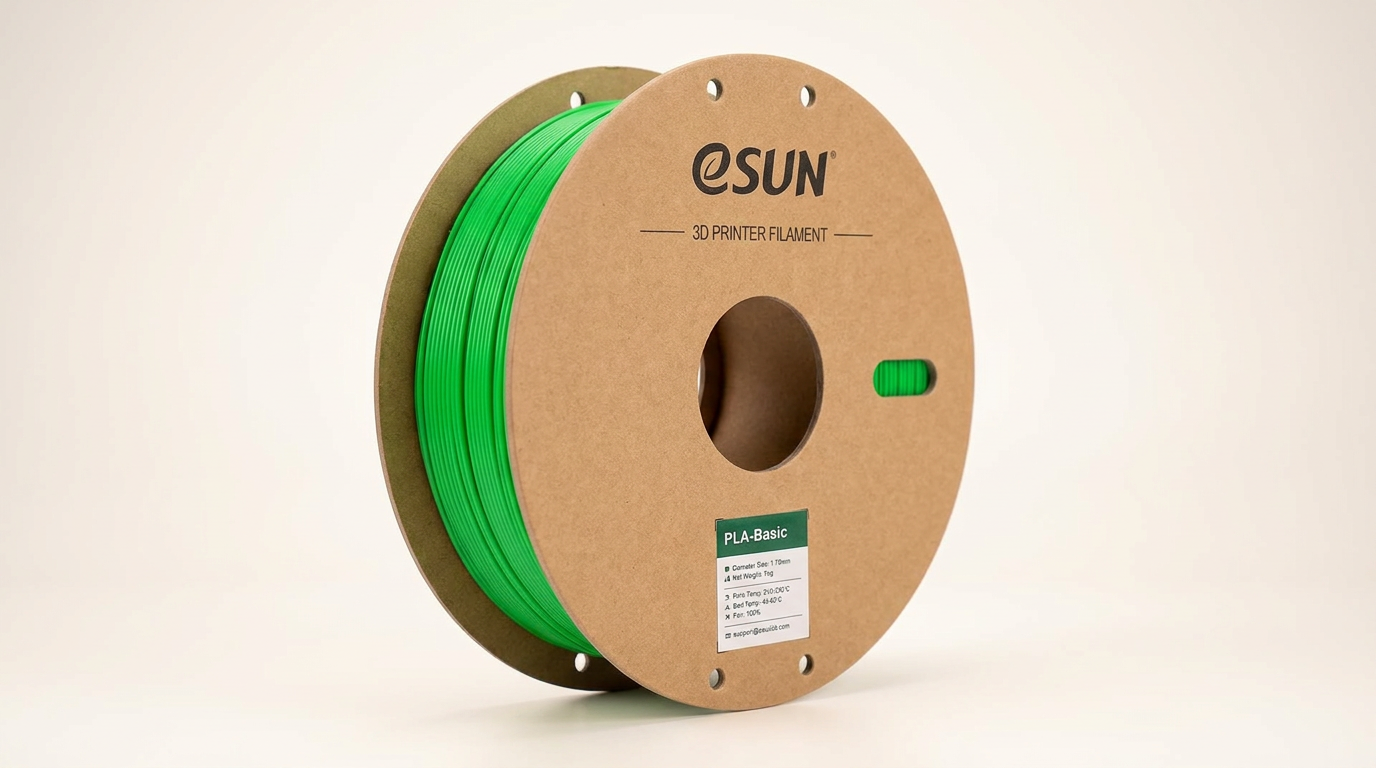
In a 3D printing market often driven by exotic materials and advanced features, eSUN PLA Basic filament carves out its niche as the quintessential "set-and-forget" option. While many brands jockey for position with specialized blends and premium pricing, eSUN leans into consistency and broad compatibility, positioning itself as a reliable foundational material. This approach minimizes user friction, making it particularly appealing for high-volume users or those who prioritize print farm stability over boutique material properties.
This filament embodies what we term the 'Baseline Reliability' principle: a material that consistently performs its core function without demanding constant calibration or specialized printer profiles. It represents a practical counterpoint to the pursuit of marginal gains, offering instead a solid platform for a wide array of projects, from functional prototypes to decorative items.
Instead of aiming for niche perfection, eSUN focuses on reducing the variables that plague many 3D printing sessions. Owners consistently report smooth feeding, good bed adhesion, and minimal common issues like clogging or tangling, making it a strong contender for everyday printing tasks where predictable outcomes are paramount.
What owners love
- + Consistent extrusion and diameter, reducing print failures
- + Strong layer adhesion and smooth surface finish
- + Minimal clogging, tangling, and stringing reported
- + Broad compatibility with various FDM 3D printers
- + Excellent value for consistent quality
- + Colors are vibrant and opaque for most applications
Common complaints
- − Cardboard spools can warp, affecting AMS systems
- − Requires higher purge volumes for clean color changes
- − Not optimized for extreme high-speed printing
- − Basic PLA formulation lacks advanced mechanical properties
Design & Build
The eSUN PLA Basic filament adheres to a straightforward design philosophy centered on functional consistency. It comes in the standard 1.75mm diameter, with owners routinely confirming its adherence to specifications. The filament is wound neatly on its spool, a critical factor for preventing tangles and ensuring uninterrupted printing, especially during long print jobs. While the material itself is robust for its class, a recurring observation from owners, particularly those using advanced multi-material systems, is the use of cardboard spools. This design choice presents what we call the 'AMS Compatibility Tax' for certain users, as these spools can warp or cause friction within sensitive filament management systems like Bambu Lab's AMS. While this does not affect print quality directly, it adds an extra step or requires specific solutions for a segment of the user base.
Setup & Ease of Use
Setting up eSUN PLA Basic is largely uneventful, which is a significant advantage in the often-fussy world of 3D printing. Owners consistently report that the filament feeds smoothly and adheres well to build plates, even with minimal tuning. This 'Plug-and-Print' characteristic means users can often rely on generic PLA profiles for their printers, getting satisfactory results without extensive calibration. This ease of adoption is a key factor in its appeal, reducing the initial barrier to entry and ongoing setup time. The vacuum-sealed packaging with a desiccant bag also contributes to its readiness, ensuring the filament arrives dry and ready for use, mitigating common moisture-related printing issues from the outset.
Performance in Real Use
In day-to-day operation, eSUN PLA Basic performs reliably. Owners highlight strong layer adhesion and clean results across various FDM printers, from entry-level to more advanced systems. Print quality is described as consistent, with good detail reproduction and a smooth surface finish. The filament exhibits low stringing and minimal clogging, even during extended prints, reflecting a well-balanced formulation. One notable point from multi-color setups, however, is that this PLA requires a higher purge volume than some competitors when transitioning between colors, particularly dark colors like black. This indicates a pigment density that necessitates more material flush for a clean transition, a minor but observable characteristic that can impact material consumption in specific scenarios.
Software & Ecosystem
The eSUN PLA Basic filament operates within an open ecosystem, requiring no proprietary software or specialized hardware. Its broad compatibility means it works seamlessly with standard slicer software and virtually any FDM printer that accepts 1.75mm PLA. This lack of vendor lock-in allows users maximum flexibility in their printing workflow and hardware choices. Owners frequently mention using it with Bambu Lab, Anycubic, FlashForge, Creality, and Qidi printers, often leveraging standard PLA settings with minimal adjustments. This universal acceptance underscores its design as a utility filament, prioritizing broad applicability over deep integration within a specific brand's ecosystem. It is a workhorse material, designed to function effectively regardless of the specific digital or physical tools used.
Value & Reliability
eSUN PLA Basic consistently delivers exceptional value. Owners frequently compare its quality favorably to more expensive, 'premium' filaments, often finding it performs just as well for a significantly lower cost, typically in the under $20 range per kilogram. This strong price-to-performance ratio makes it a preferred choice for high-volume users, prototyping, and projects where cost-effectiveness is a primary concern. The consistent quality and reliability, coupled with its accessible pricing, solidify its position as a go-to filament for many. This embodies the 'Cost-Conscious Consistency' concept: a product that provides dependable results without incurring the premium associated with specialized or branded filaments, making it an economically sound choice for continuous operation and varied applications.
Verdict
Strong Buy - The eSUN PLA Basic filament consistently delivers reliable, high-quality prints at an exceptional value.
This filament is an excellent choice for anyone seeking a dependable, everyday PLA. It suits hobbyists, educators, and small-scale print farms that prioritize consistent, frustration-free printing without a premium price tag. Users printing functional prototypes, large cosplay components, or general-purpose models will find it performs admirably across a wide range of FDM printers. If you are consistently printing and looking to keep material costs down while maintaining quality, especially if you buy in the under $15 range per spool, this is a strong contender.
Those who should consider alternatives include users with multi-material systems highly sensitive to cardboard spools, or those demanding exotic material properties beyond standard PLA. Also, if your projects frequently involve intricate multi-color changes where purge volume is a critical efficiency concern, you might weigh other options. For most others, eSUN PLA Basic presents itself as the 'invisible backbone' of a printing operation: it works so reliably that you rarely notice it, precisely its greatest strength in a category often plagued by finicky materials.
FAQ
More 3D Printing Supplies reviews
ELEGOO PLA Plus Filament Review: The Workhorse White
SUNLU PLA Plus Filament Review: The Workhorse for Everyday 3D Printing
Kretrum 3Doodler Start+ Refills: Expanding Creative Horizons
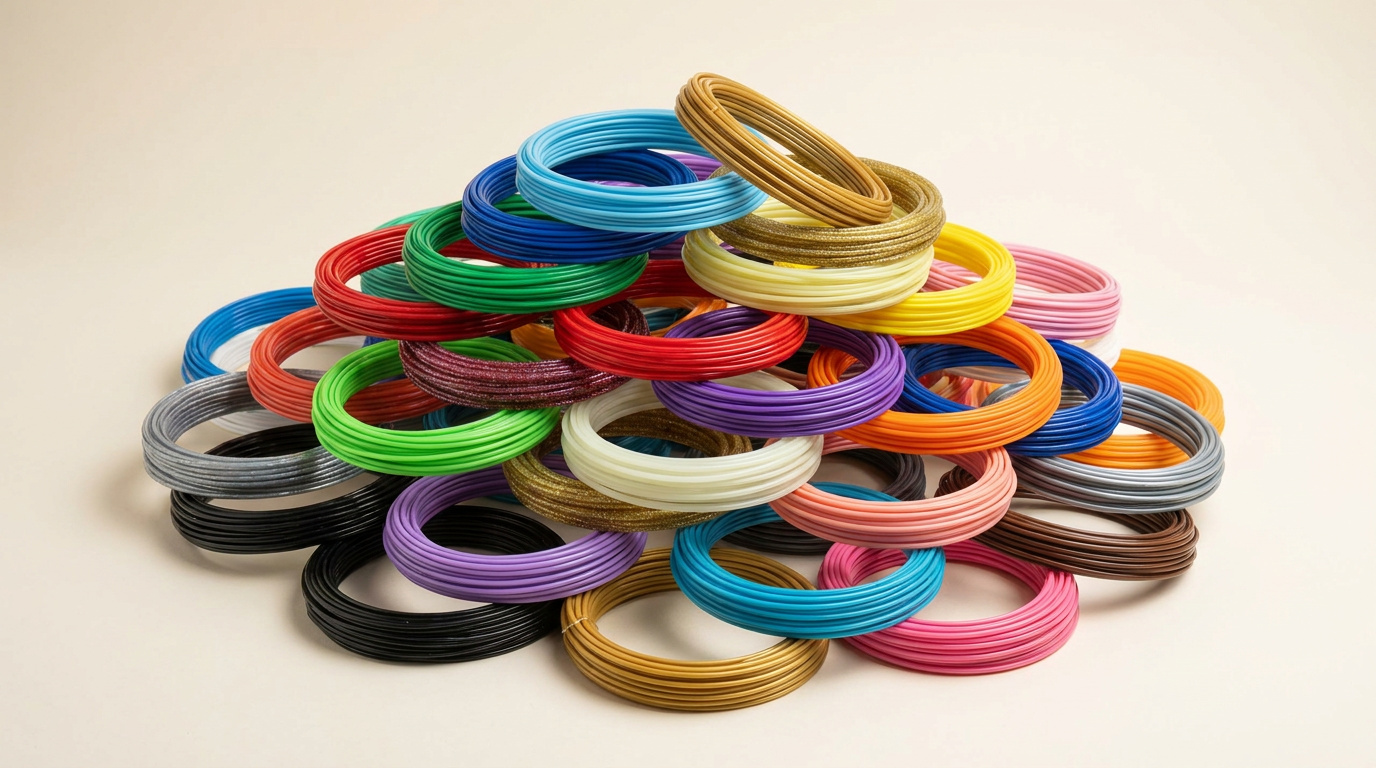
Kretrum 40 Colors PLA 3D Pen Filament Refills Review
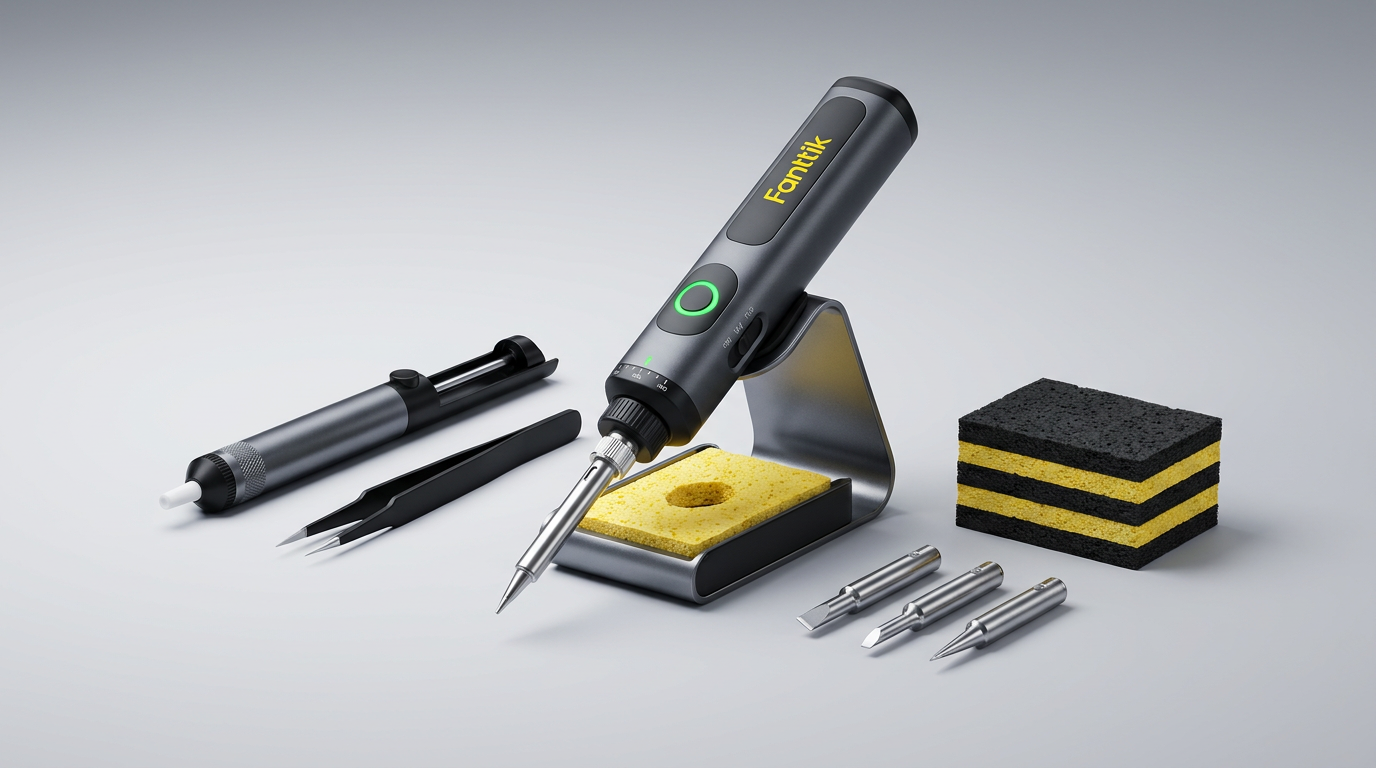
Fanttik T1 Max Review: A Cordless Soldering Iron for the Modern Maker
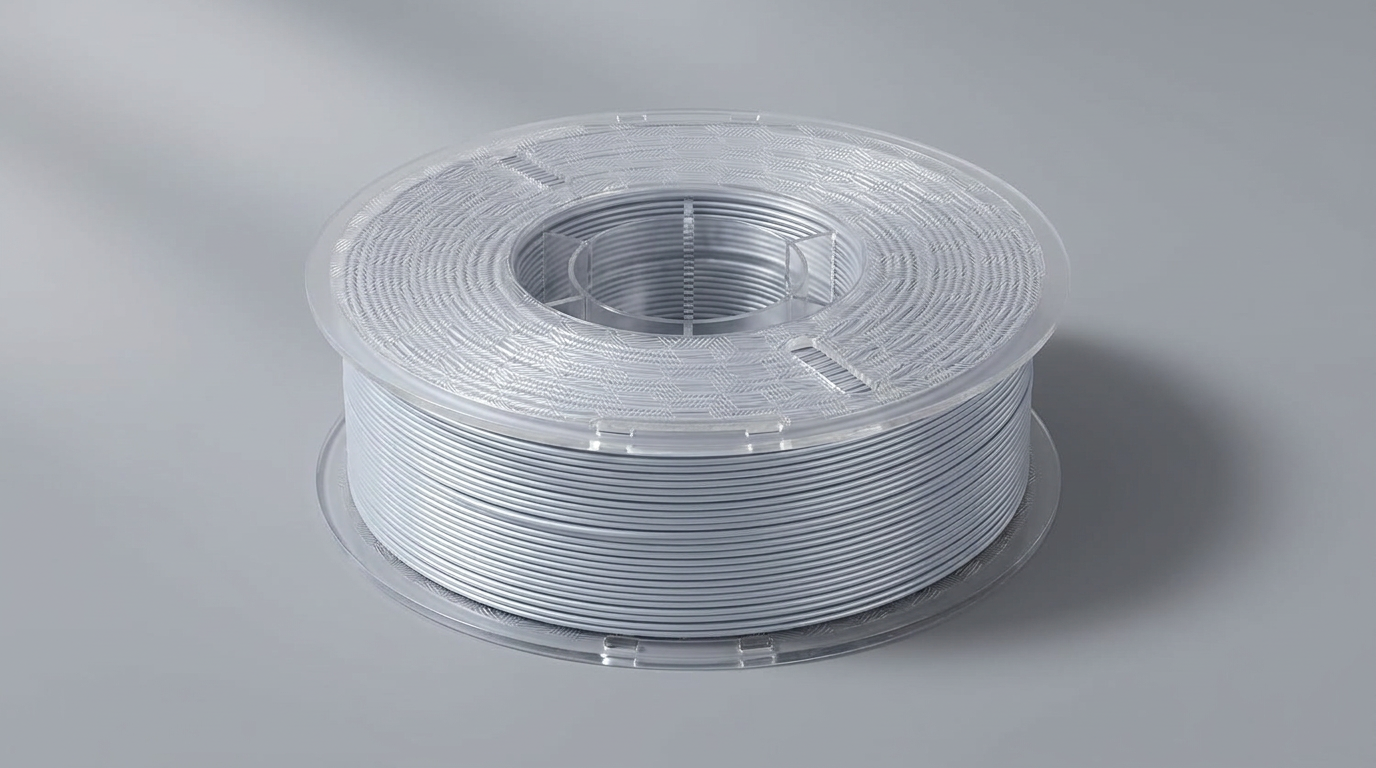
ELEGOO Silk PLA Filament Review: A Budget Silk Filament Leader
This review is based on real experiences shared by owners in online communities.