
eSUN PLA Basic Filament Review: A Practical Choice for 3D Printing
This review is based on real experiences shared by owners in online communities.
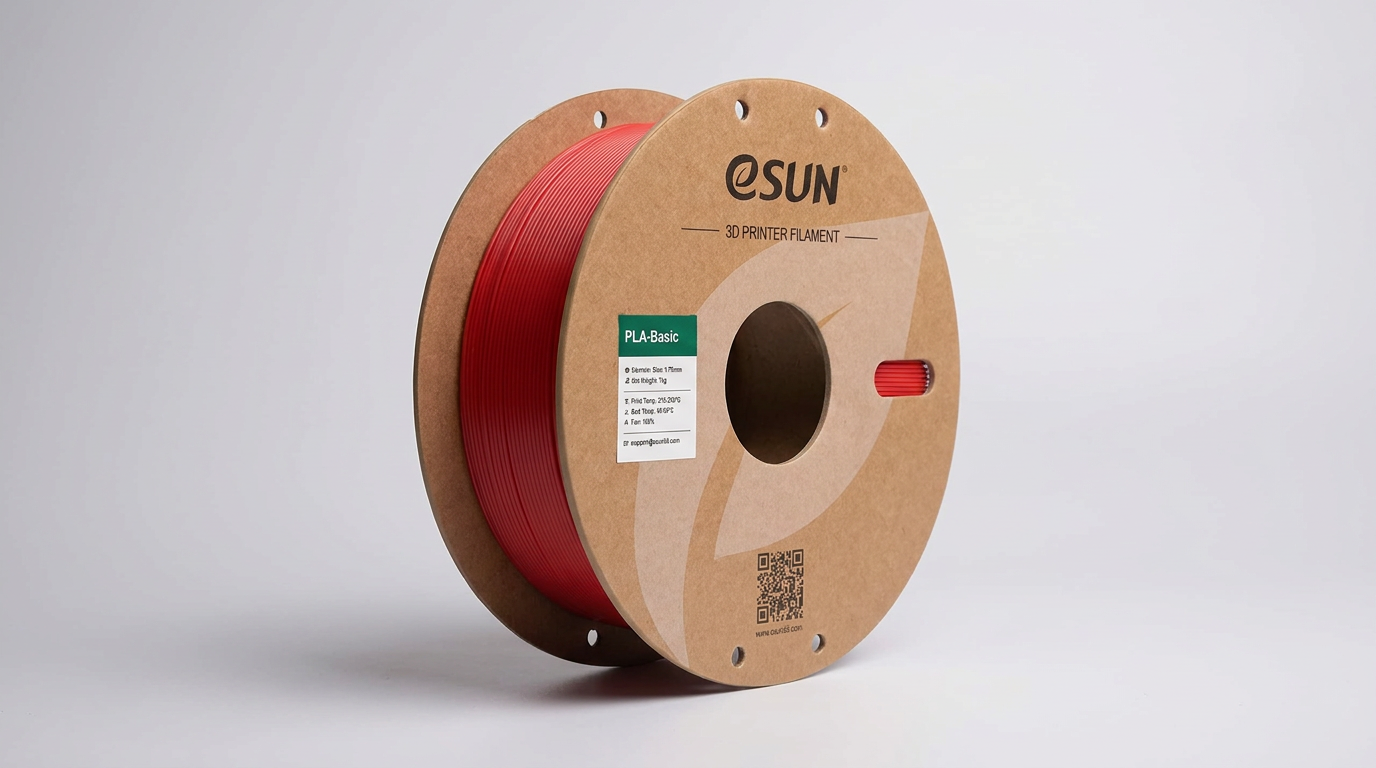
The rise of affordable, high-speed 3D printers has reshaped filament expectations. While premium PLA+ blends promise ultimate performance, eSUN's PLA Basic filament enters the market with a less heralded, yet critical, value proposition: reliable, everyday utility. It aims to bridge the gap between economy and modern printing demands, suggesting that not every project necessitates top-tier material, but consistent output remains paramount. This approach resonates with a significant segment of makers who prioritize throughput and cost efficiency for a broader range of applications.
Most filaments emphasize technical specifications or exotic properties. The PLA Basic, however, positions itself as the workhorse in the catalog, a material designed for the continuous churn of prototypes, functional parts, and decorative models where consistent extrusion and minimal fuss are more valuable than maximum strength or intricate surface finish. This review examines how effectively eSUN delivers on that promise across common printing scenarios.
Our analysis uncovers that while the PLA Basic line delivers on many fronts, its true utility lies in understanding what it is not attempting to be: a premium, high-strength solution. Instead, it offers a pragmatic balance for the enthusiast or professional seeking volume and dependability within its price band, often highlighting the 'good enough' principle that drives many successful printing operations.
What owners love
- + Consistent diameter and smooth extrusion support reliable printing
- + Good value for money, making it attractive for bulk use
- + Strong bed adhesion with minimal warping on many printers
- + Low stringing and good print success rate reported by users
- + Most spools are wound well, preventing tangles early on
Common complaints
- − Inconsistent color matching, especially with 'Fire Engine Red'
- − May require bed temperature adjustments for optimal adhesion
- − Some spools exhibit poor winding or initial layer adhesion issues
- − Mechanical strength and layer adhesion may trail PLA+ blends
- − Occasional reports of wet filament requiring pre-drying
Design & Build
The eSUN PLA Basic filament arrives on a standard 1KG spool, vacuum-sealed with a desiccant, a common industry practice for moisture control. Owners frequently praise the generally good winding, noting an absence of tangles that often plague less expensive filaments. This consistent winding is a key component of what we might call the 'Unattended Print Reliability,' allowing longer print jobs to proceed with reduced supervision. However, a few reports indicate that quality assurance can be spotty, with some spools arriving with their first layers stuck or experiencing tangles midway, suggesting a minor variability in winding consistency across production batches. The filament diameter shows acceptable tolerance, with measurements typically falling within 1.74-1.76mm, which contributes to its consistent extrusion performance. This dimensional accuracy is fundamental for achieving predictable print results, establishing confidence in its foundational quality, even if some aesthetic attributes, like color, can vary.
Setup & Ease of Use
This filament is generally regarded as straightforward to print. Many users report it works well straight out of the box with standard PLA settings on various FDM printers, including popular models from Bambu Lab and Creality. This 'plug and play' nature contributes to user satisfaction, particularly for those who prefer to minimize parameter adjustments. However, some owners find the material benefits from minor calibration. A recurring theme indicates that adjusting bed temperature can be necessary for optimal first-layer adhesion, with some users raising bed temperatures to 65-70°C for initial layers, a minor tweak that resolves adhesion issues. This slight variability points to what could be called a 'Calibration Tax' for some colors or batches, requiring a brief tuning period to achieve peak performance. The relatively low odor during printing is also noted as a positive, enhancing the user experience in less ventilated spaces.
Performance in Real Use
The eSUN PLA Basic consistently delivers clean, detailed prints with minimal stringing or warping for many users. Its performance profile allows for good surface finish and precise layer deposition, making it suitable for a broad range of applications from functional prototypes to decorative items. The material's "high-speed" designation is supported by feedback from owners using faster machines, reporting successful prints without issue. A significant point of contention, however, is color accuracy. The 'Fire Engine Red' in particular, frequently disappoints, appearing darker or more brick-like than marketing images suggest. This 'Color Expectation Gap' highlights a misalignment between product photography and actual material appearance, which can be critical for projects requiring specific visual impact. While general print quality is strong for its class, some users note that layer adhesion and mechanical strength may not match more premium PLA+ versions, rendering it less ideal for parts subjected to significant stress.
Software & Ecosystem
As a general-purpose filament, eSUN PLA Basic integrates effortlessly into existing 3D printing ecosystems without requiring specialized software or printer profiles beyond standard PLA settings. Its high compatibility, listed across a wide array of FDM printers, reflects this universal approach. Users simply select a generic PLA profile or input basic temperature settings (around 200-205°C for nozzle, 60°C for bed), and the filament performs predictably. There are no proprietary software dependencies or unique calibration routines that complicate its adoption. This "Universal Profile Advantage" means users can transition to eSUN PLA Basic without a steep learning curve or extensive re-configuration of their slicer software, making it a convenient choice for multi-brand printer setups or users who value simplicity in their workflow. The focus is entirely on the material's physical properties and how it interacts with standard hardware, rather than any digital interface.
Value & Reliability
Priced around $15 per kilogram, eSUN PLA Basic is positioned as a highly cost-effective option, offering good quality for the money. This value proposition is a significant draw, making it a popular choice for project-based printing where the budget is a consideration. Its reliability for everyday use, with consistent extrusion and dimensional accuracy, means users can depend on it for long print jobs. While some users report issues like initial tangles or very occasional wet filament, these appear to be exceptions rather than the rule, and are often mitigated with minor troubleshooting (e.g., pre-drying). The "Project Volume Advantage" is clear: for makers producing many prototypes or bulk functional parts, the consistent performance at a lower price point makes this a compelling choice. This reliability, combined with its accessibility, allows users to reduce their per-part material cost without sacrificing core print success rates for non-critical applications.
Verdict
Buy - This filament offers a pragmatic balance of print quality and value for everyday FDM needs.
eSUN PLA Basic is ideal for hobbyists and professionals who prioritize cost-effective, consistent output for general purpose printing, prototyping, and decorative models. If you need a reliable workhorse filament for projects where material cost and printing volume are key considerations, and ultimate mechanical strength or precise color matching are secondary, this is a strong candidate. Those requiring perfect color accuracy (particularly with reds) or superior mechanical properties for highly stressed parts should consider eSUN's PLA+ or other specialized blends, which fall into a higher price bracket.
The eSUN PLA Basic embodies the "utility core" of 3D printing, proving that consistent, low-fuss performance at an accessible price point remains a powerful differentiator, even as the category pushes towards exotic materials and extreme speeds. It's not about being the best in every metric, but being reliably good enough across the most common ones, serving the vast majority of makers better than hyper-focused, premium alternatives.
FAQ
More 3D Printing Supplies reviews
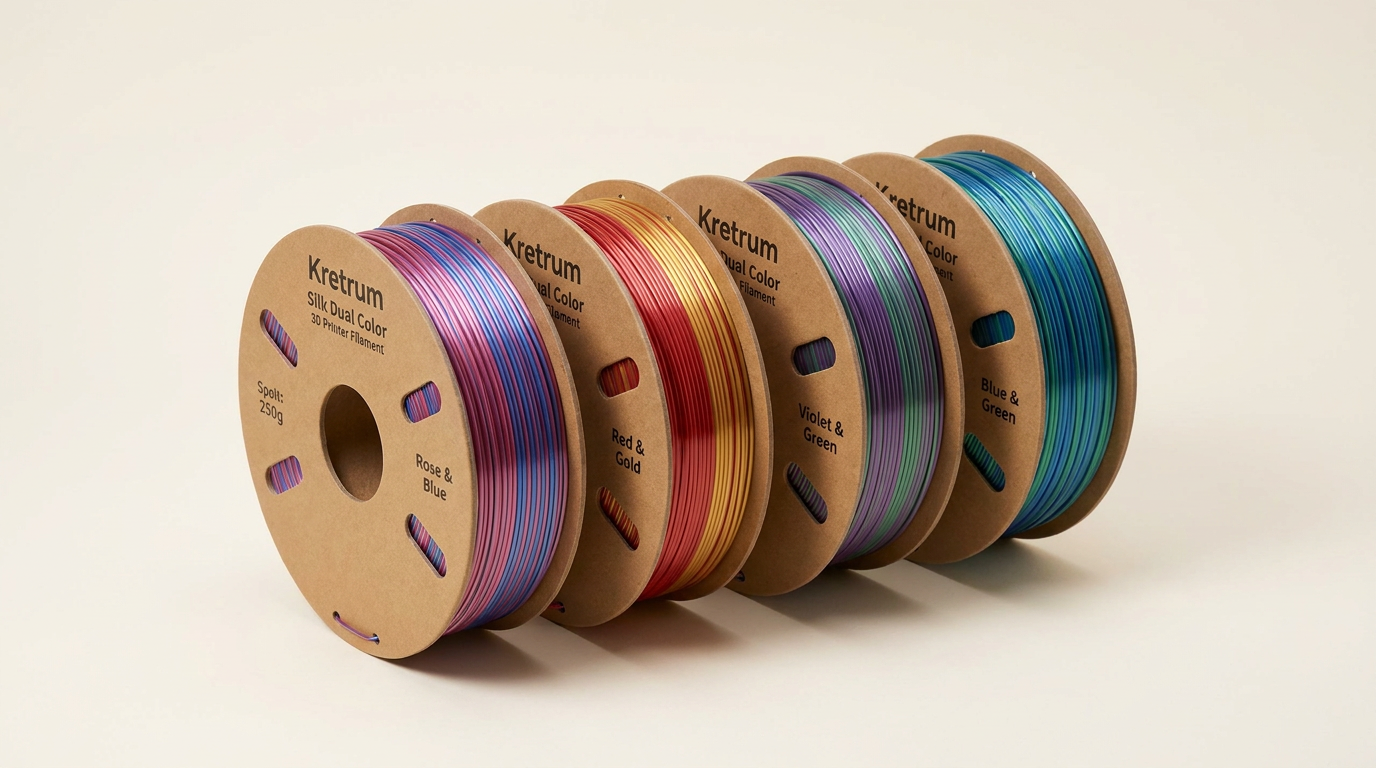
Kretrum Silk Dual Color PLA Filament Review: Vibrant Aesthetics for 3D Printing
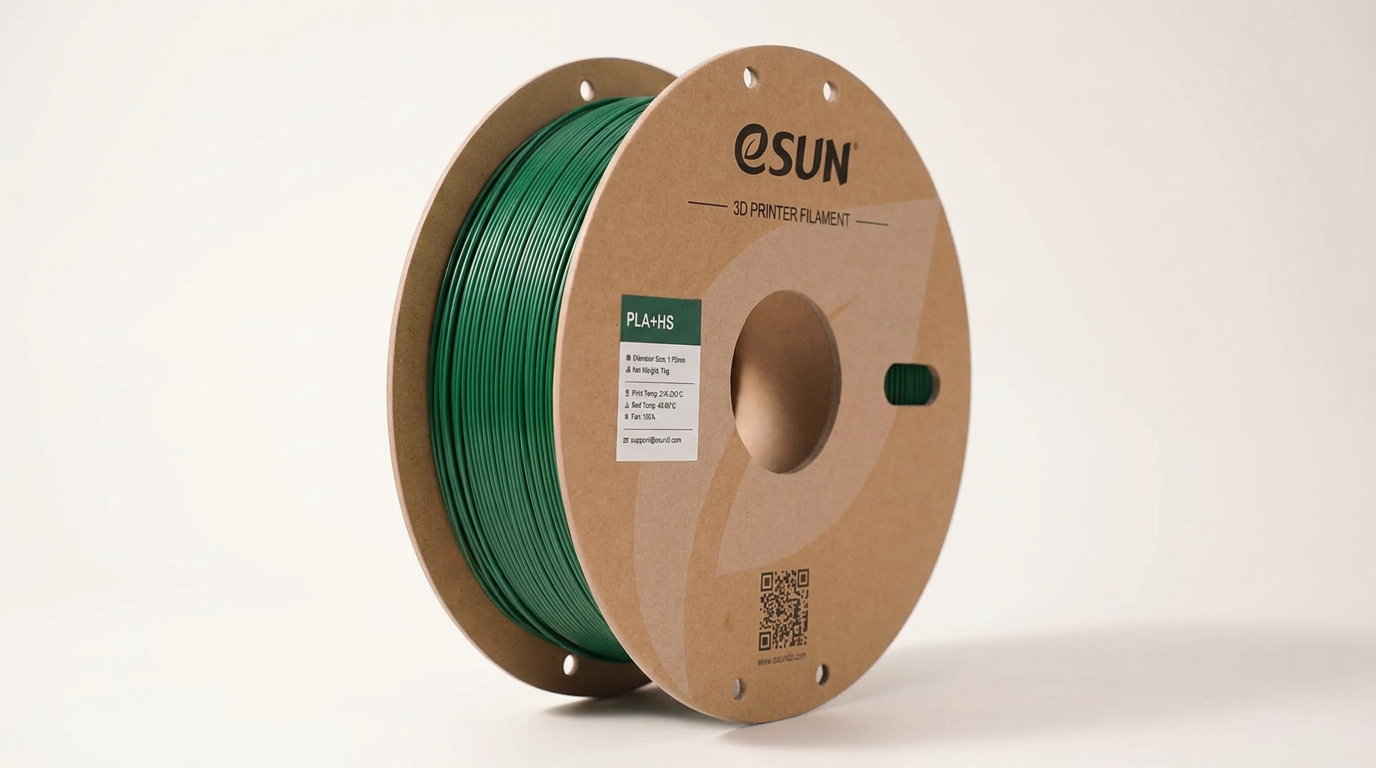
eSUN High Speed PLA+ Filament Review: The Workhorse for Fast Printers
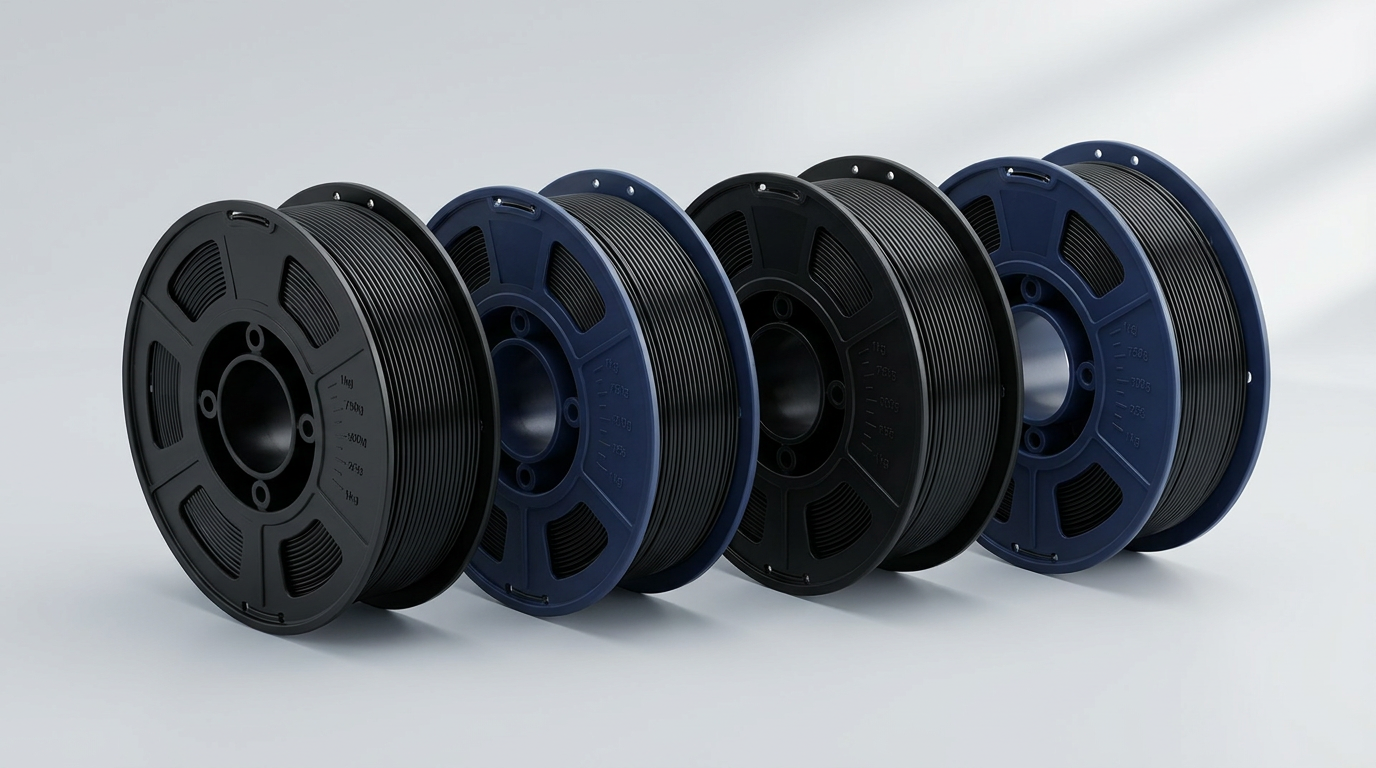
SUNLU PETG Filament 4kg Review: The Bulk Workhorse for High-Volume Prints
Deeplee PLA+ 2.0 Filament Review: A Workhorse Material for 3D Printing
FLASHFORGE Rapid PLA: The 'Stealth Performance' Filament
RAMBERY Silk Dual Color PLA Filament Review: Aesthetic Impact for Small Prints
This review is based on real experiences shared by owners in online communities.