
ERYONE Silk Filament PLA+ Review: The Glossy Aesthetic Standard
This review is based on real experiences shared by owners in online communities.
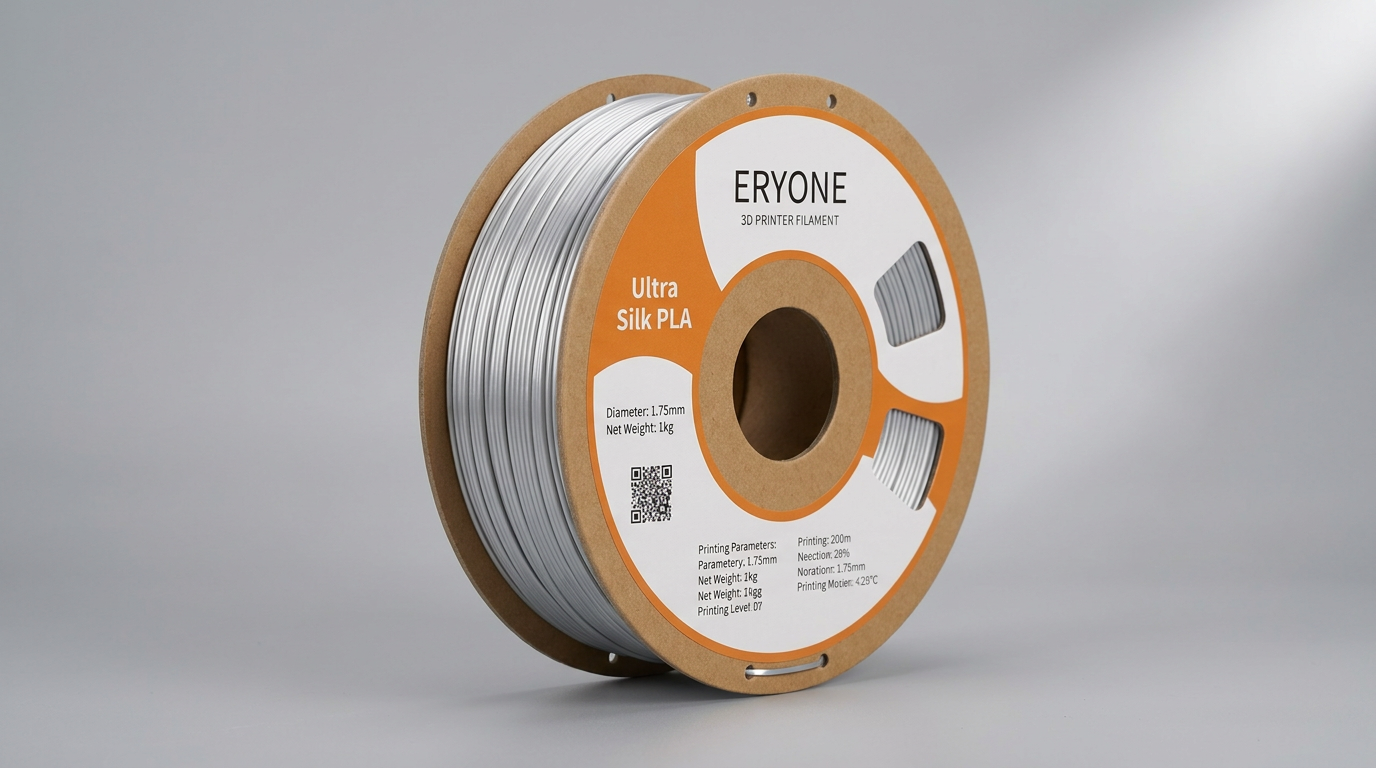
The pursuit of visual fidelity in FDM 3D printing often involves trade-offs. Achieving a high-gloss, silk-like finish typically introduces challenges: increased stringing, inconsistent layer adhesion, or the necessity for extensive post-processing. ERYONE's Silk Filament PLA+ enters this landscape not as a revolutionary material, but as a strong contender for establishing the baseline for aesthetic-first printing, particularly for decorative objects where surface quality is paramount.
While many silk PLAs promise a lustrous sheen, this particular formulation stands out by consistently delivering on that promise with reduced friction. Owners frequently highlight its capacity to produce prints with a striking, almost metallic gloss directly from the print bed, often minimizing the usual calibrations and troubleshooting associated with such specialty filaments. This positions it as a 'set it and forget it' option for a specific, demanding visual output.
This filament embodies the current evolution of specialty PLAs: materials engineered to offer specific aesthetic attributes without demanding advanced user expertise. It suggests a market trend where ease of use and immediate visual gratification are becoming as critical as mechanical properties, especially for users focused on art, decor, or models where appearance dictates success.
What owners love
- + Consistent, high-gloss, and reflective finish
- + Prints easily with minimal tuning or issues like stringing
- + Vibrant and captivating color options, including multi-color variants
- + Good layer adhesion and low shrinkage
- + Neatly wound spools prevent tangling
- + Often prints well without pre-drying
Common complaints
- − Gloss level can vary with print speed, requiring slower prints for maximum shine
- − Described as PLA+ but owners note it functions simply as silk PLA
- − Higher price point compared to standard PLA, though seen as good value for quality
- − Some specific multi-color filaments may show minor stringing
- − One owner noted less gloss than expected on a specific color
Design & Build
The ERYONE Silk Filament PLA+ is engineered for aesthetic impact, prioritizing a silky, lustrous finish. Owners consistently report that the material delivers a noticeable sheen that minimizes the visibility of layer lines, particularly on curved surfaces. This is a crucial design characteristic for silk filaments, and this product executes it effectively. The material's ability to produce reflective surfaces, described by some as 'chrome-like,' indicates a finely tuned polymer blend and pigment dispersion. Its formulation is clearly aimed at visual performance, offering a finish that requires no post-processing for shine, fulfilling what we term the 'immediate gratification principle' in decorative printing. The spool winding also receives positive mentions, with users noting neat, tangle-free presentation directly out of the box.
Setup & Ease of Use
A recurring theme among owners is the filament's exceptional ease of use. Many report successful prints directly after unpacking, often without requiring pre-drying or extensive calibration. This is a significant advantage for a specialty filament, as silk PLAs are often perceived as more finicky. Users detail good bed adhesion and smooth extrusion with standard PLA temperature settings, though some experimentation with speeds is noted for optimizing the 'silk glow.' The 'out-of-the-bag readiness' factor distinguishes this filament, reducing the initial friction commonly associated with integrating new material types into a 3D printing workflow. It suggests a formulation that is less hygroscopic or more forgiving of minor environmental variations than some competitors.
Performance in Real Use
In day-to-day operation, the ERYONE Silk PLA+ performs reliably across various FDM printers. Owners observe consistent extrusion and minimal issues such as clogging, bubbles, or stringing, particularly when compared to other silk filaments. The core promise of a vibrant, glossy finish holds true, with colors described as 'captivating' and 'sharp.' However, achieving the maximum level of gloss often requires a specific print strategy: slowing down print speeds, especially for outer walls and top surfaces. This constitutes what could be called the 'luster-speed trade-off,' where visual optimization demands a reduction in throughput. Despite this, the quality achieved at these slower speeds is frequently deemed worth the investment in time, producing visually impactful prints with strong layer bonding.
Software & Ecosystem
The filament exhibits broad compatibility with most FDM 3D printers, and many users found success with generic silk PLA profiles, often requiring only minor temperature or speed adjustments. This suggests a material that adheres closely to standard PLA characteristics, simplifying integration into existing slicing software workflows. While it is marketed as 'PLA+' in some listings, owners largely perceive and use it as a high-quality silk PLA, not necessarily benefiting from the assumed strength enhancements often associated with the 'plus' designation. This discrepancy highlights a nuanced point in material branding, where the 'plus' may signify an upgraded aesthetic formulation rather than a shift in mechanical properties. The inclusion of reusable storage bags with some spools also reflects an attention to user experience that enhances its practical ecosystem.
Value & Reliability
Owners frequently praise the ERYONE Silk PLA+ for its overall quality and value. While silk filaments generally sit at a slightly higher price point than basic PLA, many users view this particular offering as a justified investment due to its consistent performance and superior aesthetic output. The reliability is a standout feature; repeat purchases and declarations of it becoming a 'go-to silk' are common. This suggests a high degree of confidence in the brand's manufacturing consistency. For those prioritizing visual quality and a hassle-free printing experience over raw material cost, the filament delivers on its promises, establishing a strong reputation for dependability in the specialty filament market. Its reliable performance right out of the box contributes significantly to its perceived value proposition.
Verdict
Strong Buy - This filament consistently delivers a high-quality, glossy finish with remarkable ease of use.
This is a strong recommendation for hobbyists and professionals prioritizing aesthetic quality for decorative prints, artistic models, or prototypes where visual impact is paramount. Users seeking vibrant, reflective surfaces without extensive post-processing will find it an excellent choice. Those who frequently print items that demand an 'ultra silk' effect, particularly within the mid-range price band, should consider it a staple.
Conversely, users focused solely on mechanical strength, extreme print speeds, or those operating on a strict budget for standard utility prints might find the slight price premium and speed-for-gloss trade-off less appealing. It is not designed as a structural filament, nor as a low-cost bulk material.
The ERYONE Silk PLA+ represents the triumph of the 'aesthetic utility' filament: a material engineered to deliver a specific, high-end visual effect not as a novelty, but as a reliable, repeatable outcome. Its consistent performance democratizes access to truly glossy prints, redefining the standard for what a specialty PLA can achieve straight from the spool, effectively becoming the benchmark for immediate visual excellence in decorative FDM printing.
FAQ
More 3D Printing Supplies reviews
ELEGOO Matte PLA Filament Bundle Review: A Premium Material on a Budget
ELEGOO PLA Plus Filament Review: The Workhorse White
eSUN PLA Basic Filament Review: A Workhorse for 3D Printing
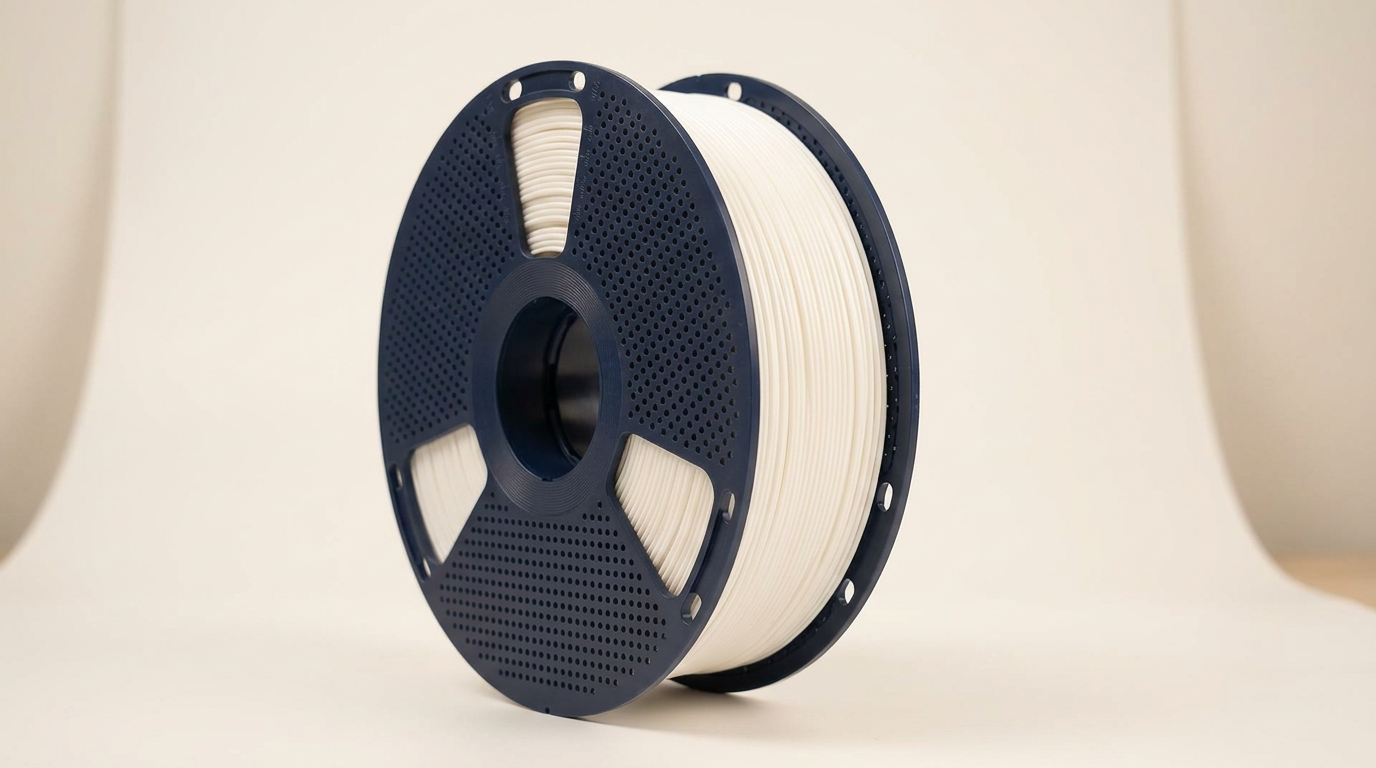
SUNLU PLA Plus Filament Review: The Workhorse for Everyday 3D Printing
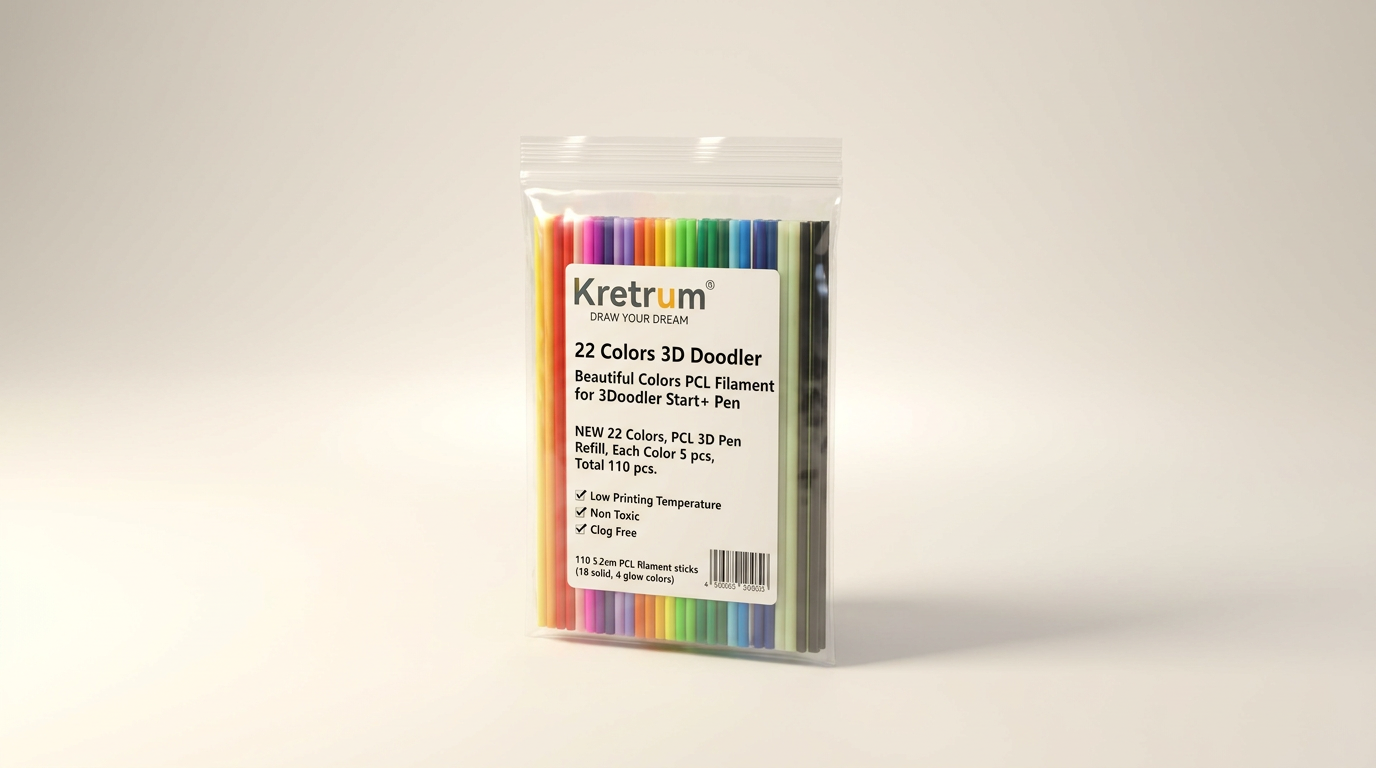
Kretrum 3Doodler Start+ Refills: Expanding Creative Horizons
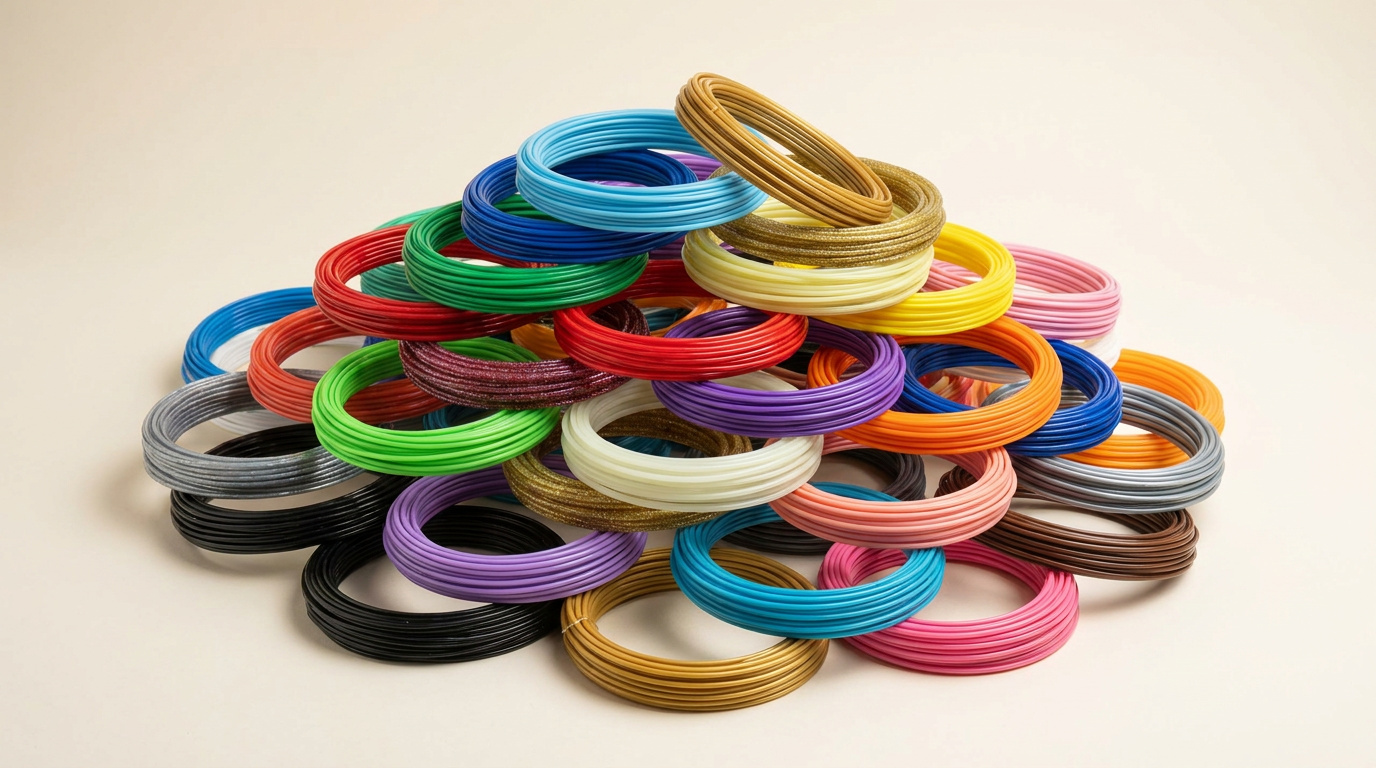
Kretrum 40 Colors PLA 3D Pen Filament Refills Review
This review is based on real experiences shared by owners in online communities.