
ELEGOO TPU Filament 1.75mm Black Review: Flexible Strength
This review is based on real experiences shared by owners in online communities.
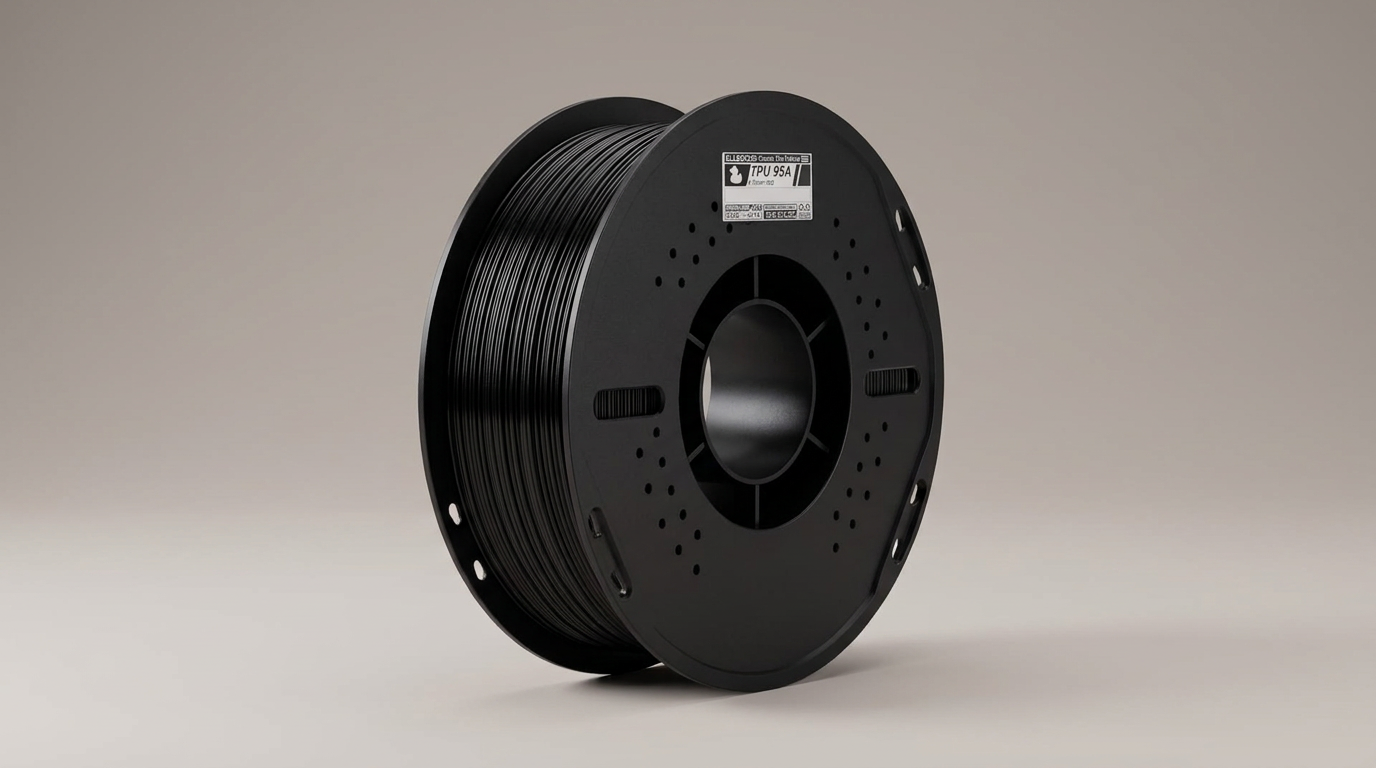
The ELEGOO 95A TPU filament enters a competitive field, offering a balance between printability and material resilience. Unlike the temperamental TPUs of earlier generations, this product positions itself as a more accessible entry point for flexible material printing, particularly for users new to the segment. Its 95A Shore hardness dictates a firm but pliable output, suitable for functional components over purely aesthetic, ultra-soft applications.
What often gets overlooked in the discussion of flexible filaments is the 'Dryness Dividend' - the profound impact of proper material conditioning on print success. While manufacturers often claim pre-dried spools, user experience frequently diverges. This ELEGOO filament, despite some claims of being print-ready, largely follows this pattern, demanding diligent moisture management to unlock its full potential.
This review will examine whether ELEGOO’s offering delivers on its promise of reliable flexible printing, and how its performance aligns with the evolving expectations of FDM 3D printer operators navigating the nuances of TPU.
What owners love
- + Excellent flexibility and impact resistance for functional parts
- + Consistent diameter and smooth feeding reported by many users
- + Strong bed adhesion on various printer build plates
- + Reliable print quality when properly dried and configured
- + Wide compatibility with popular FDM 3D printers
- + Good value proposition for its performance tier
Common complaints
- − Requires thorough pre-drying and often drying during printing
- − Some users reported cracked spools upon arrival
- − Not as soft or squishy as lower Shore hardness TPUs
- − Printing speeds often need to be reduced for optimal results
- − Inconsistent out-of-box dryness for a few users
Design & Build
The ELEGOO 95A TPU filament presents itself as a standard 1.75mm diameter material, wound onto a plastic spool. Owners consistently report excellent material properties, noting its ability to stretch significantly without permanent deformation and its capacity to absorb impact. The black color is described as rich, contributing to professional-looking final prints. While the majority of users received intact spools, a few instances of cracked or poorly wound spools were reported, which can impede the crucial drying process and filament feeding. This indicates a minor inconsistency in packaging or handling that warrants attention, as spool integrity is critical for hassle-free printing, especially with flexible materials.
Setup & Ease of Use
Despite manufacturer claims of being completely dried and vacuum-sealed, the prevailing sentiment among experienced users is that this filament, like most TPUs, benefits significantly from pre-drying. Many owners report drying the filament for 8-10 hours prior to use, and some even maintain active drying during the print job. This 'Dryness Dividend' is not a unique failing of ELEGOO but rather a general characteristic of TPU. Once properly conditioned, users describe the filament as surprisingly easy to print with for a flexible material, running well on a range of printers from Bambu Lab P1S and A1 to Prusa Mini, Ender, and Sovol SV-06 ACE. Newcomers to TPU found it manageable after initial calibration, particularly concerning filament tension and print speed.
Performance in Real Use
When correctly prepared and printed, the ELEGOO 95A TPU delivers strong, clean, and durable prints. Owners have successfully created functional items such as RC excavator tracks, phone cases, custom gaskets, and adapters. The material exhibits reliable bed adhesion on various surfaces, a critical factor for successful flexible prints. Layer bonding is also frequently praised, contributing to the strength of finished parts. While classified as 95A, some users noted it felt slightly softer or 'squishier' than other 95A TPUs they had used, which can be a desirable trait depending on the application. The primary performance caveat remains print speed; most successful prints involve reducing speed, sometimes significantly, especially for the first layer.
Software & Ecosystem
The filament exhibits wide compatibility across a spectrum of FDM 3D printers and slicer software. Users reported success utilizing generic TPU profiles in slicers like Orca Slicer and Ultimaker Cura, often with minor adjustments to speed. This broad compatibility means users are not locked into specific proprietary ecosystems or software settings. The general consensus is that dialing in the initial settings for TPU, regardless of brand, requires some experimentation. However, once established, the ELEGOO filament provides consistent results, indicating a material that behaves predictably within established TPU printing parameters.
Value & Reliability
Priced in the budget-friendly range, the ELEGOO 95A TPU offers compelling value. Its consistent performance, robust physical properties, and broad compatibility make it a strong contender for those seeking an affordable yet reliable flexible filament. The recurring need for pre-drying is a factor for reliability, but this is a common expectation across the TPU category rather than a specific fault of this product. The overall reliability stems from its consistent extrusion and strong print outcomes once a user's printer is tuned for flexible materials. Occasional reports of spool issues are minor blemishes on an otherwise positive reliability record.
Verdict
Buy - This ELEGOO 95A TPU filament offers excellent print quality and material properties at a competitive price, provided users manage its moisture requirements.
This filament is an excellent choice for 3D printer owners seeking a reliable, functional flexible material without a premium price tag. It suits those who understand the 'Dryness Dividend' of TPU and are willing to invest in a filament dryer or proper storage. Hobbyists and creators printing items like functional prototypes, protective cases, or custom gaskets will find this product highly capable. Users who demand exceptionally soft TPU (below 95A Shore hardness) or those unwilling to manage filament moisture might find it less ideal.
The ELEGOO 95A TPU represents the 'Accessible Flex' segment of 3D printing filaments, proving that robust flexible printing is now within reach for most home users. Its performance underlines a shift where the barrier to entry for functional materials is less about proprietary systems and more about diligent material preparation.
FAQ
More 3D Printing Supplies reviews
ELEGOO Silk PLA Filament Review: A Budget Silk Filament Leader
ELEGOO Matte PLA Filament: A Premium Finish for Everyday Prints
ELEGOO PLA Filament Bundle Review: The Daily Driver Standard
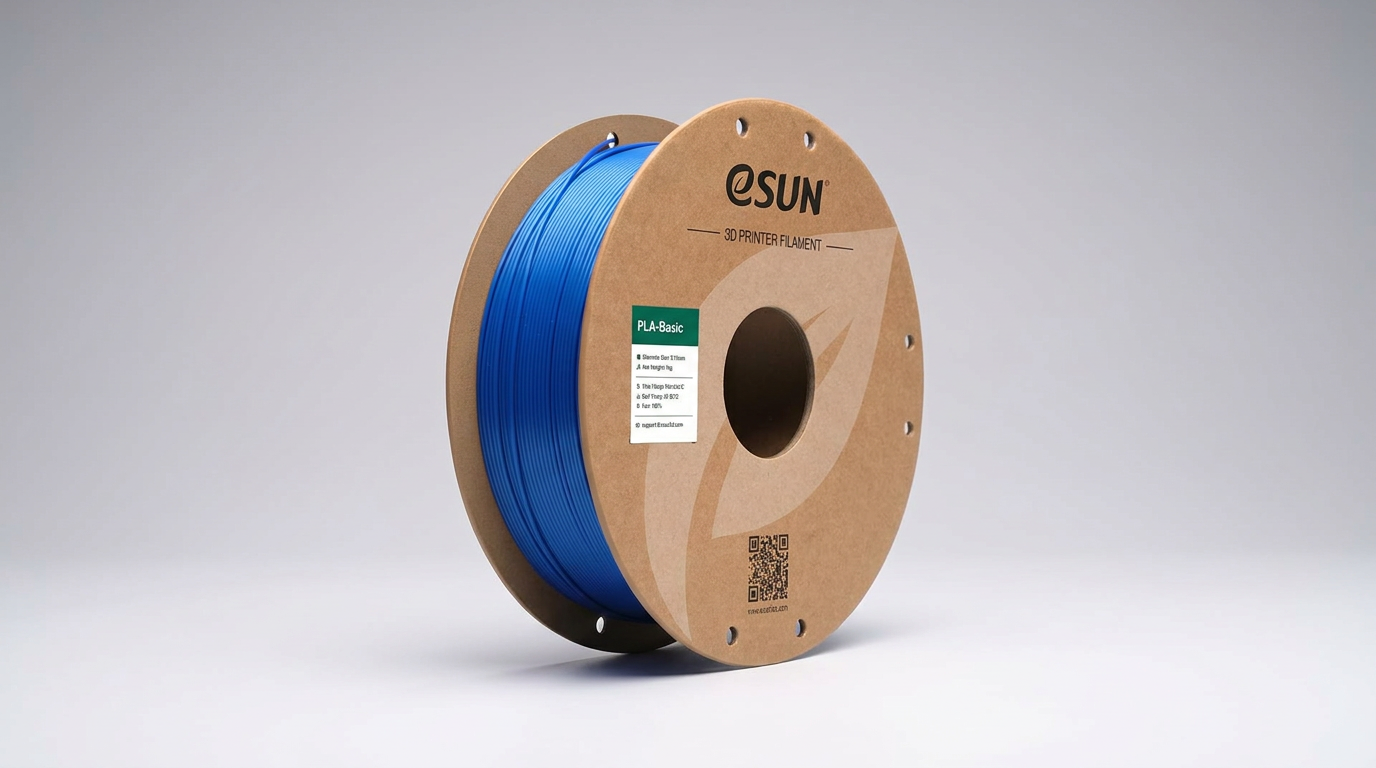
eSUN PLA Basic Filament Review: A High-Speed Performer
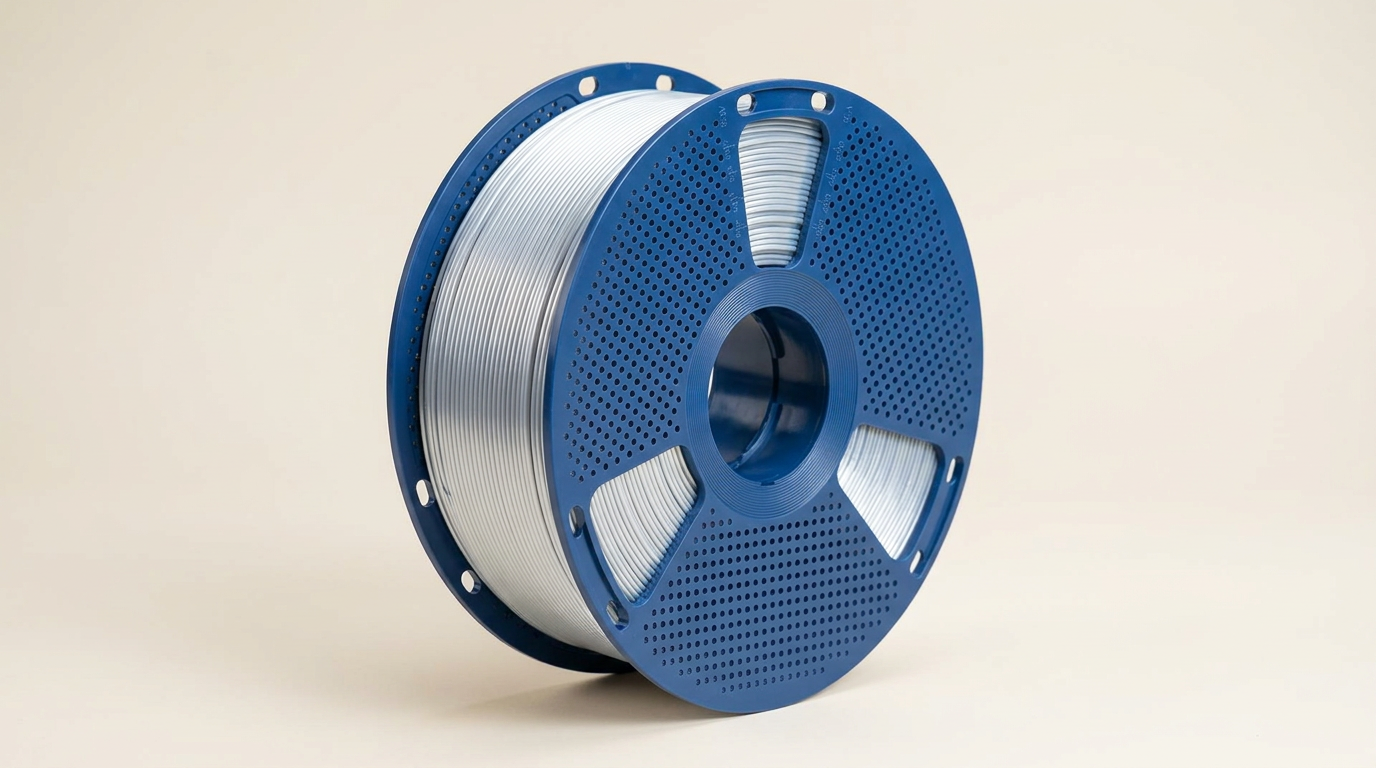
SUNLU Silk PLA Filament Review: The Aesthetic Play in 3D Printing
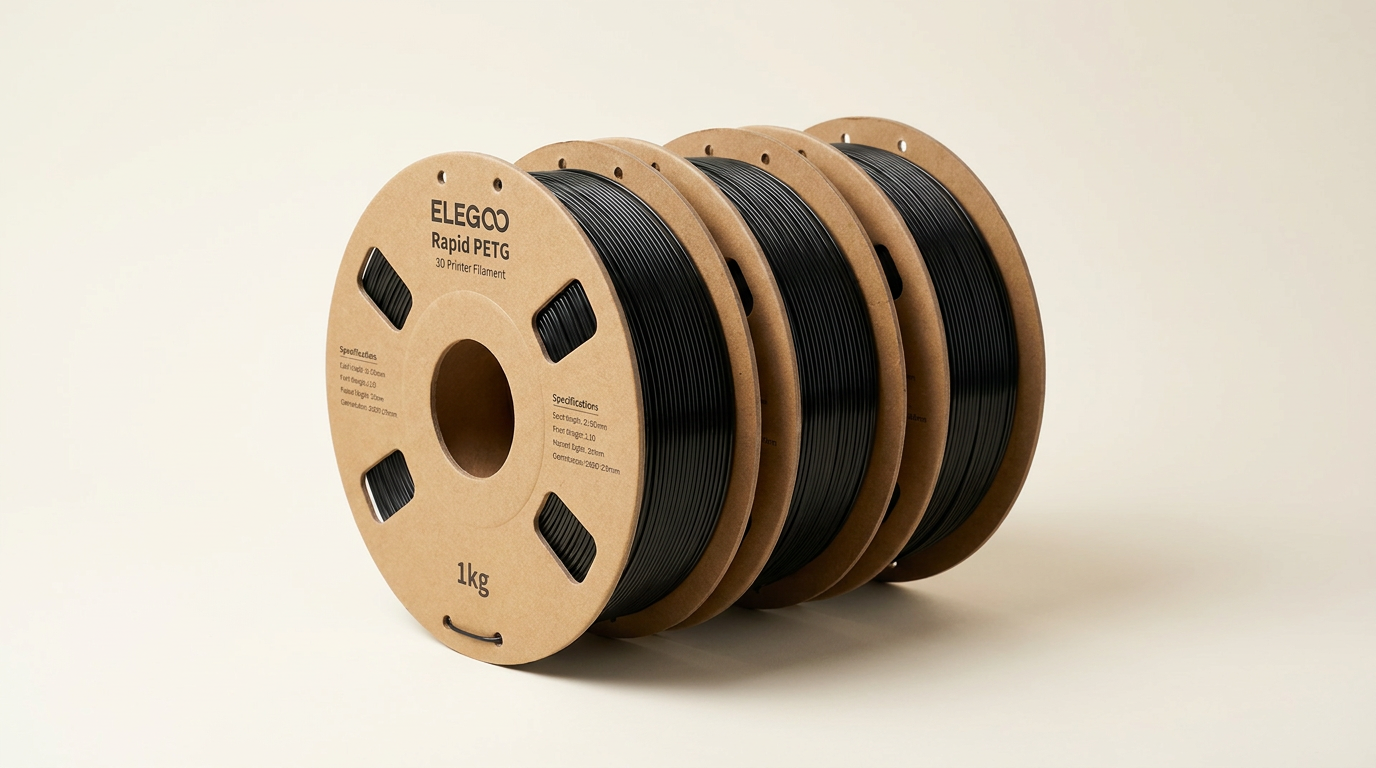
ELEGOO Rapid PETG Filament Review: High-Speed Printing Achieved
This review is based on real experiences shared by owners in online communities.