
ELEGOO PETG-CF Filament: Strength & Finish for Functional Prints
This review is based on real experiences shared by owners in online communities.
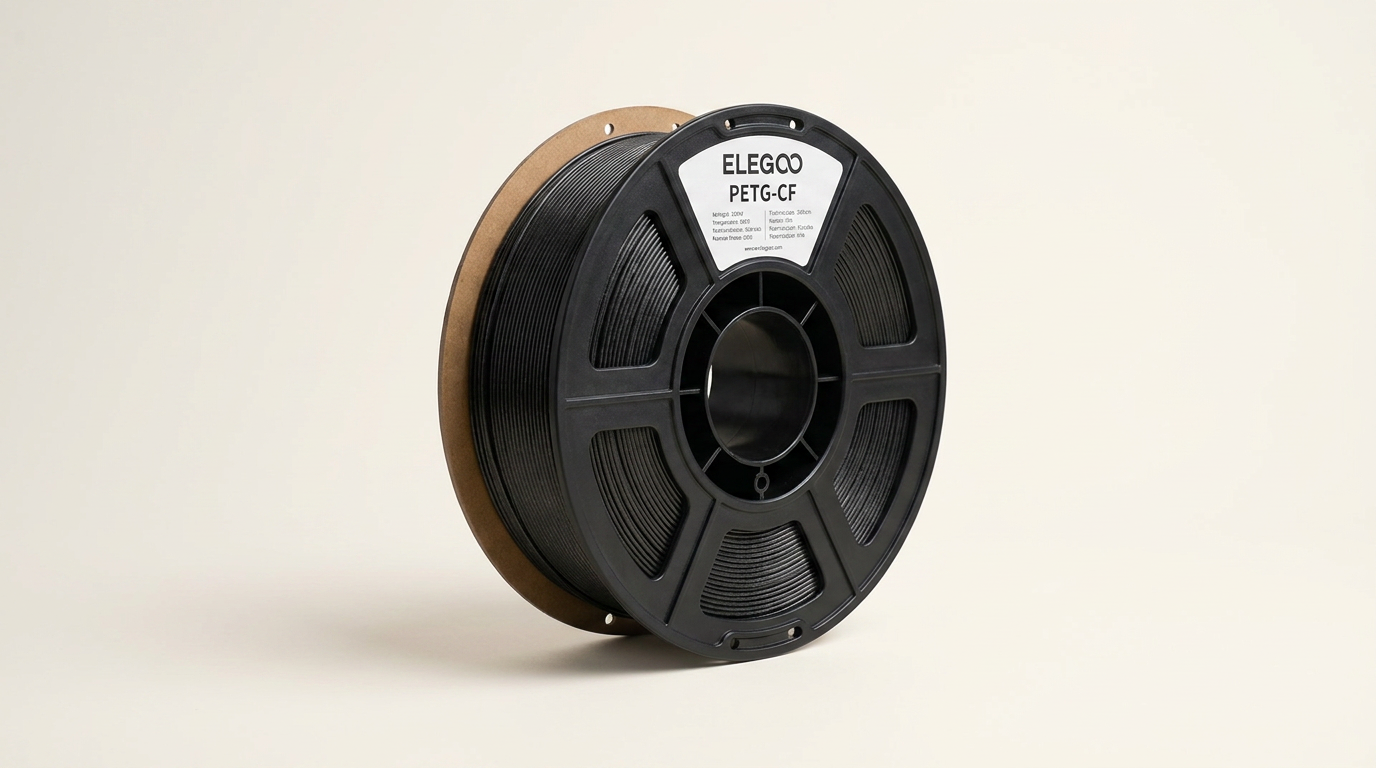
The proliferation of consumer-grade FDM 3D printers has broadened access to a vast material palette, but specialized filaments often introduce complexity or cost. PETG-CF, a carbon fiber reinforced PETG, positions itself as a middle-ground material, aiming to deliver enhanced mechanical properties and a superior finish without the extreme demands of engineering plastics like Nylon-CF. However, integrating carbon fibers into any thermoplastic inevitably shifts its printing profile, often requiring specific hardware and print settings to unlock its full potential.
ELEGOO's PETG-CF filament enters this crowded space by targeting value and ease of use, an uncommon pairing for performance materials. The claim is a material that prints readily while offering significant upgrades in part strength and aesthetics. We assess if this filament truly democratizes advanced material characteristics, or if the cost-benefit trade-off necessitates a more specialized approach.
The real test lies in whether it can consistently deliver on its promises for both the novice upgrading from standard PLA and the experienced user seeking a reliable, cost-effective workhorse. Understanding the friction points and unexpected advantages determines if this filament transcends its price point to become a staple in a demanding maker's inventory, or if it remains a niche option for specific applications.
What owners love
- + Delivers exceptional strength and rigidity for functional parts
- + Produces a premium, low-layer-line matte finish
- + Exhibits robust layer adhesion and minimal stringing
- + Offers significant value compared to other CF filaments
- + Proves generally easy to print with appropriate settings
- + Demonstrates good consistency across spools
Common complaints
- − Requires proper drying for optimal print quality and consistency
- − Demands a hardened steel nozzle to prevent wear
- − Surface finish can appear slightly shiny in some lighting conditions
- − Optimal performance often necessitates specific temperature tuning
- − May require slower print speeds for the best finish
Design & Build
The ELEGOO PETG-CF filament combines PETG with carbon fibers, a formulation designed for increased mechanical performance over standard PETG. Owners consistently report prints exhibiting significant stiffness and strength, suitable for demanding functional applications such as firearm chassis or outdoor components. The carbon fiber infusion also contributes to an aesthetic advantage, creating a distinct, fine matte texture that largely obscures layer lines. This finish often earns comparisons to injection-molded parts, which is a rare achievement for FDM prints. While advertised as matte, some users observe a slight sheen in certain lighting, suggesting the 'matte' quality is more about texture than absolute reflectivity. The material's inherent abrasion resistance, a direct benefit of the carbon fiber, makes it suitable for gears or bearings. This material represents a conscious engineering decision to prioritize structural integrity and visual quality within the PETG family, offering a practical 'aesthetic-strength balance' for many users.
Setup & Ease of Use
Integrating ELEGOO PETG-CF into a 3D printing workflow involves specific considerations, though owners generally describe the process as straightforward. The material is abrasive, necessitating a hardened steel nozzle with a diameter of no less than 0.4 mm to prevent premature wear. This is not optional; ignoring this requirement will quickly degrade brass nozzles. A recurring theme in owner feedback is the importance of drying the filament; users report improvements in print quality, reduced stringing, and overall reliability after drying the spool for 6-8 hours. Recommended print temperatures range from 240-270 °C for the nozzle and 65-75 °C for the bed, with many users finding success at the higher end of these ranges, particularly 270 °C for the nozzle. Some printers, notably Bambu Lab models, can leverage existing 'generic PETG-CF' profiles with good results, showcasing a degree of 'profile portability' for this filament. Achieving optimal results often benefits from fine-tuning extrusion multipliers and pressure/linear advance settings, a common practice for any specialized filament. While not plug-and-play like basic PLA, its learning curve remains accessible for those willing to make minor adjustments.
Performance in Real Use
In day-to-day operation, ELEGOO PETG-CF distinguishes itself through its robust print characteristics. Owners frequently commend its strong layer adhesion and minimal tendency for stringing, especially when properly dried. The carbon fiber integration effectively enhances the PETG base, yielding parts that are not only strong but also resistant to fracture under impact. Several users have deployed parts outdoors, reporting good stability under high temperatures. While the material can handle higher print speeds-some users push beyond 200mm/s-the consensus suggests that maintaining speeds closer to 200mm/s or below yields the best surface finish. Pushing beyond this speed often incurs a 'finish fidelity tax', sacrificing the pristine look for marginal time savings. The filament's consistent diameter and tangle-free spool winding contribute to a reliable printing experience, minimizing print failures due to material inconsistencies. This reliability, combined with its enhanced mechanical properties, makes it a compelling choice for functional prototypes and end-use parts.
Software & Ecosystem
The ELEGOO PETG-CF filament operates within the broader FDM 3D printing ecosystem without requiring proprietary software. It is universally compatible with most 1.75 mm FDM 3D printers. Users often achieve success by adapting existing PETG or PETG-CF profiles in popular slicers like Orca Slicer or Bambu Studio, with many citing the 'generic PETG-CF' settings in Bambu Studio as a solid starting point. This broad compatibility means users are not locked into a specific brand or software suite, fostering greater flexibility. The critical aspect lies in calibration; while default profiles offer a foundation, optimizing print temperature, retraction, and flow rate for a specific printer-filament combination invariably improves results. This highlights a 'configurational readiness' requirement; the filament performs best for users who understand or are willing to learn how to adjust slicer settings for specialized materials.
Value & Reliability
ELEGOO's PETG-CF filament consistently garners praise for its exceptional value proposition. Priced significantly lower than many competing carbon fiber reinforced filaments, owners perceive it as a "great quality for cost" option. This affordability, coupled with its performance, leads many to declare it their "new favorite filament." Its consistent quality across spools, including uniform color and proper winding, contributes to its reliability. The filament's ability to produce strong, aesthetically pleasing parts without the higher price tag typical of engineering-grade materials creates a compelling 'performance-per-dollar' ratio. While the need for a hardened nozzle and diligent drying represents a small initial investment or procedural step, the long-term cost savings and print success rate solidify its position as a highly reliable and economically sensible choice for those seeking enhanced material properties.
Verdict
Strong Buy - This filament delivers exceptional strength, finish, and value for functional parts.
This is an ideal choice for makers seeking to upgrade from standard PETG or PLA to a material with significantly enhanced mechanical properties and a premium aesthetic, without the steep cost or printing difficulty often associated with high-performance composites. Those who print functional prototypes, structural components, or outdoor parts will find its rigidity and impact resistance highly beneficial. Users already equipped with hardened steel nozzles, or willing to invest in one, will extract the most value. If you demand a truly matte, layer-line-free finish that rivals injection molding, this filament often delivers.
Conversely, users who prioritize absolute material ease-of-use above all else, or those unwilling to dry their filament or tune their print settings, might find the initial calibration frustrating. If your projects do not require enhanced strength or a premium finish, less expensive standard PETG or PLA options remain suitable. This is not the filament for rapid prototyping where sheer volume and print speed are the only metrics.
ELEGOO's PETG-CF doesn't just offer good performance for the price; it quietly redefines the entry point for accessible composite printing. It addresses the "structural aesthetic gap" that often plagues FDM, providing parts that are not only strong but also visually refined. This makes it a crucial material for moving beyond hobbyist trinkets towards genuinely useful, robust printed components, challenging the notion that high-performance materials must always command a premium price or a steep technical barrier.
FAQ
More 3D Printing Supplies reviews
FLASHFORGE Rapid PLA: The 'Stealth Performance' Filament
RAMBERY Silk Dual Color PLA Filament Review: Aesthetic Impact for Small Prints
eSUN PLA+ Filament: The Go-To Choice for High-Speed 3D Printers
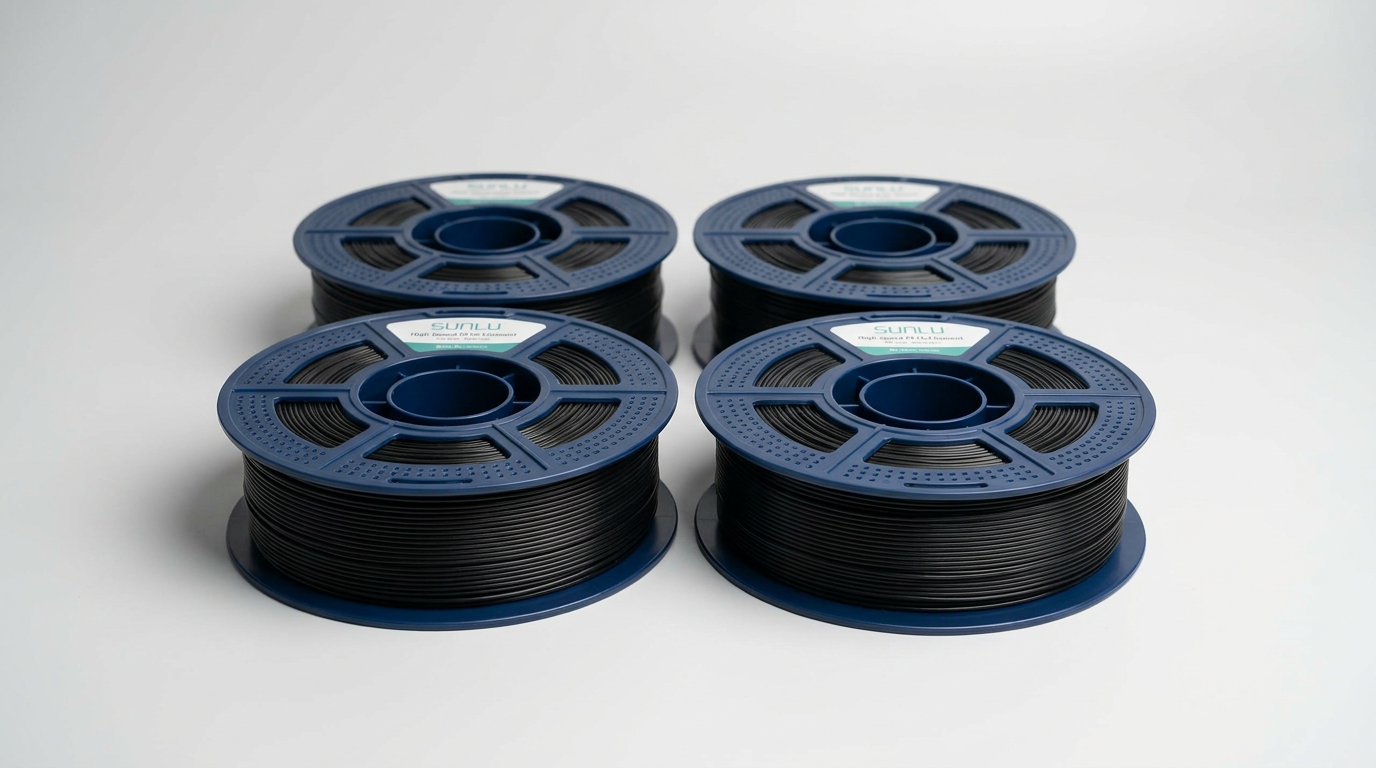
SUNLU High Speed PETG Filament Review: The 'Dry-First Economy' Advantage
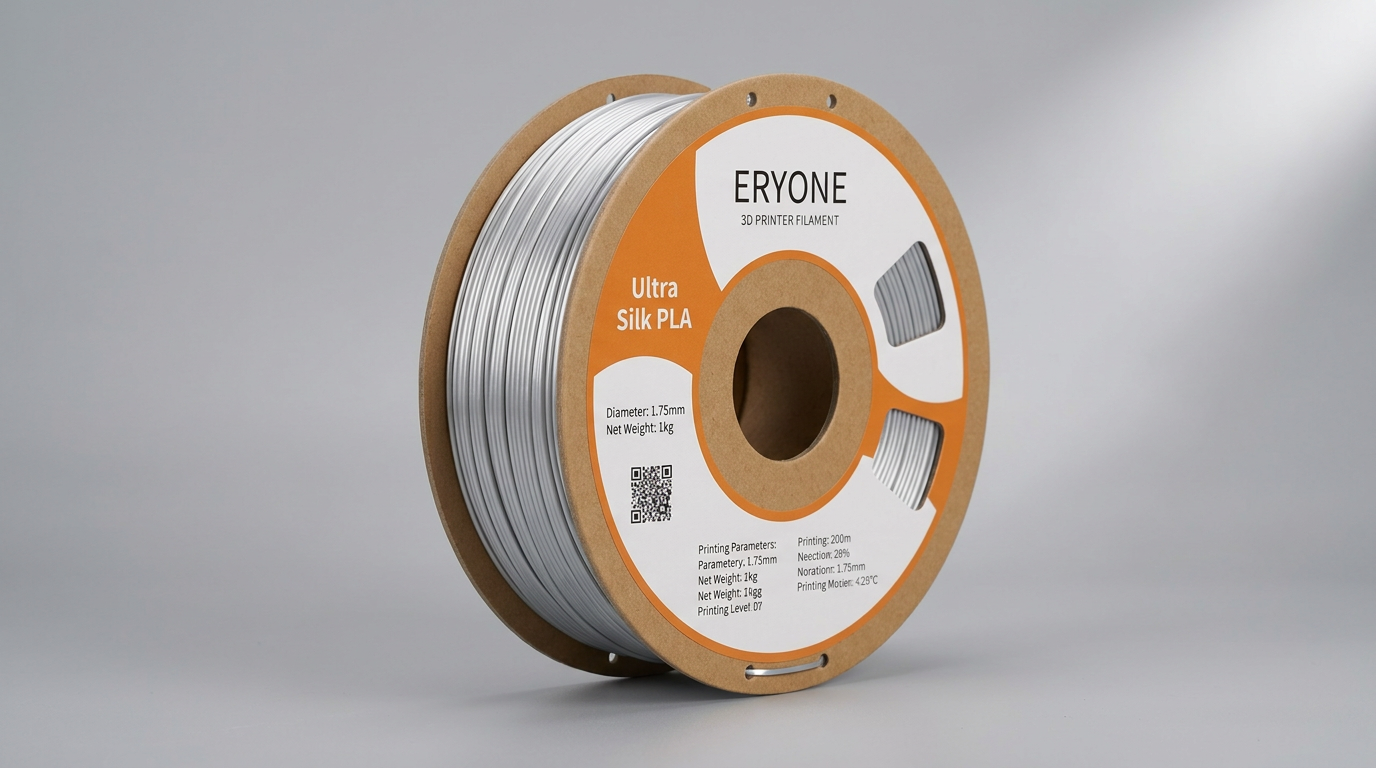
ERYONE Silk Filament PLA+ Review: The Glossy Aesthetic Standard
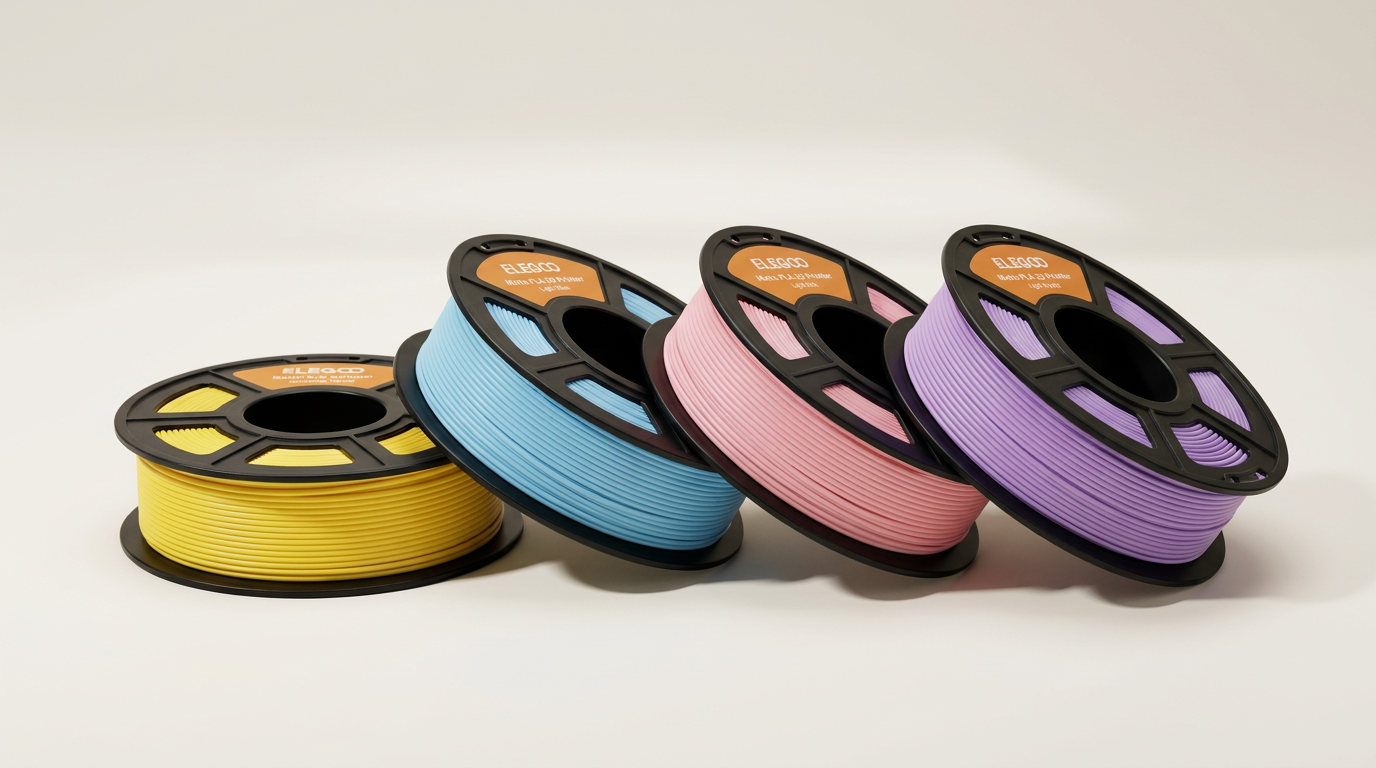
ELEGOO Matte PLA Filament Bundle Review: A Premium Material on a Budget
This review is based on real experiences shared by owners in online communities.