
Deeplee PLA 1.75mm Filament Review: The Stealth Workhorse
By AValidReview. An AI-assisted summary of customer feedback, not a hands-on test.
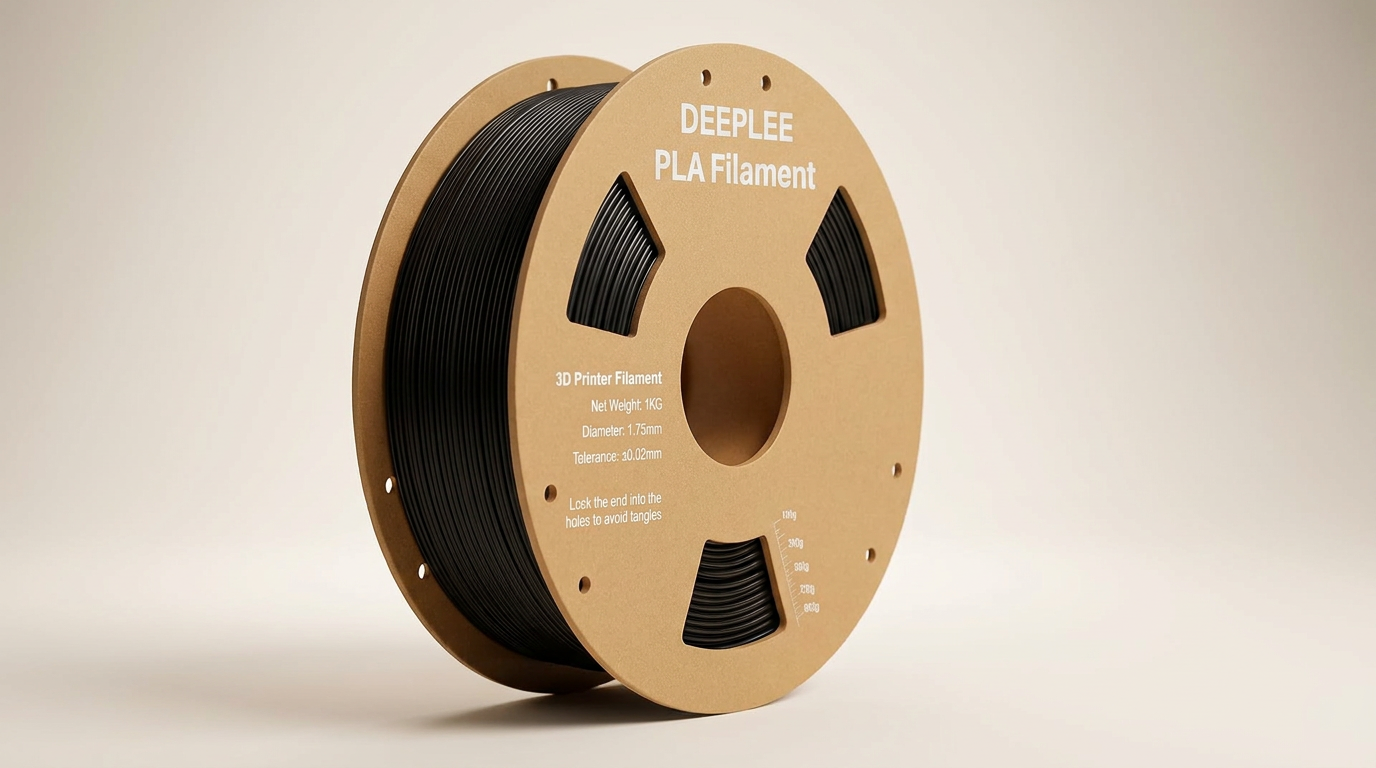
The 3D printing filament market is a landscape of constant trade-offs, where budget options often demand significant concessions in print quality or reliability. Yet, some products quietly defy this expectation, carving out a niche for consistent performance at a price point that challenges established brands. The Deeplee PLA 1.75mm filament, particularly in black, presents itself as one such contender, consistently appearing on 'best budget' lists for a reason. It is not designed to be a premium offering, but rather a reliable workhorse.
Our investigation into owner feedback reveals a recurring narrative: Deeplee PLA often exceeds expectations for its cost, delivering results comparable to more expensive alternatives. This filament operates within a specific performance envelope, favoring users who prioritize cost-effectiveness for prototyping or high-volume functional prints without sacrificing fundamental print integrity. Its primary appeal lies in its ability to deliver foundational quality without the 'premium filament tax'.
What owners love
- + Exceptional value for its price point
- + Consistent diameter and neat spool winding reported
- + Reliable bed adhesion and minimal clogging issues
- + Produces clean prints with smooth layers
- + Compatible with a wide range of FDM printers
Common complaints
- − Some spools may arrive with minor cosmetic damage (bent cardboard)
- − Limited availability for some colors or bulk purchases
- − Specific colors may not match expectations (e.g., red noted as more orange/pink)
- − No pre-made slicer profiles, requiring manual tuning
- − Requires proper drying like any PLA for optimal performance
Design & Build
The Deeplee PLA filament comes standard on a cardboard spool, a design choice that reflects its budget positioning. While owners generally report neat winding, which is critical for consistent feeding, a few note that rough transit can result in minor bending of the cardboard. This rarely impacts actual print performance, but it highlights a 'packaging simplicity' approach. The mechanical winding process appears effective, preventing tangles that often plague lower-cost filaments. This commitment to functional winding, even on a basic spool, is a significant factor in its reliability, acting as a crucial element of what we might call 'feed path integrity'.
Setup & Ease of Use
Owners find the Deeplee PLA relatively straightforward to set up. Its 1.75mm diameter is consistently accurate, simplifying initial printer calibration. While the brand does not offer pre-made slicer profiles, which means users must tune settings for specific printers and colors, many report that standard PLA temperatures (around 200°C nozzle, 60°C bed) yield excellent results. Users with printers like the Bambu Lab P1P or X1 Carbon report seamless integration, with the spool even fitting AMS systems without re-spooling. This ease of adoption, even without bespoke software support, points to a strong underlying material consistency.
Performance in Real Use
In day-to-day operation, Deeplee PLA consistently delivers. Owners laud its reliable bed adhesion, minimal stringing, and clean layer lines. Many describe prints as smooth and visually appealing, suitable for both prototypes and decorative items. The material's flow properties are frequently praised, contributing to stable extrusion and reduced clogging. Even when compared side-by-side with more expensive brands like Elegoo, users report no noticeable difference in print quality. This 'performance parity' is the core of its appeal, making it a strong candidate for everyday printing tasks where consistent results are paramount.
Software & Ecosystem
Deeplee operates as a filament supplier rather than an integrated ecosystem provider. This means users should not expect dedicated slicer profiles or advanced software integrations. The responsibility for tuning print settings rests with the individual user. However, for experienced users or those comfortable with manual calibration, this lack of proprietary software is not a barrier. The filament's consistent physical properties reduce the complexity of profile creation, minimizing what we can term 'calibration friction'. Its wide compatibility with most FDM 3D printers, including popular models like Bambu Lab and Anycubic, further underscores its accessible nature.
Value & Reliability
The Deeplee PLA filament excels in the value proposition. Priced significantly lower than many competitors, especially for black, it consistently punches above its weight in terms of reliability. Owners frequently cite it as their go-to for functional prints, prototypes, and high-volume projects where cost efficiency is key. Its consistent dimensional accuracy and good layer adhesion contribute to a high success rate, minimizing failed prints and material waste. While some mention a need to dry the filament, this is standard practice for PLA. The long-term reliability and 'budget workhorse' status solidify its position as a compelling option for value-conscious 3D printing enthusiasts.
Verdict
Buy - This filament provides exceptional value and consistent print quality for its price point.
Deeplee PLA is ideal for anyone seeking an affordable, reliable filament for prototyping, functional prints, or high-volume projects. Users with printers that offer good baseline calibration will find this a superb option for everyday use. Those new to 3D printing should also consider it as a cost-effective material to learn with, though they may need to invest time in initial settings calibration. If your primary need is consistently good prints without a significant investment, this filament delivers.
However, users prioritizing highly specific, niche colors, or those who expect premium packaging and brand-specific slicer profiles, might look elsewhere. Its 'no-frills reliability' approach means it avoids the 'luxury filament bloat' of higher-priced competitors. The Deeplee PLA effectively defines the 'economical baseline' for dependable 3D printing filament, proving that fundamental quality does not require a premium price tag in a mature market.
FAQ
More 3D Printing Supplies reviews
MarsWork Pre-Dried PLA Basic 8x250g Bundle Review
Meuymeu 8-Pack Silk and Glow PLA+ Filament Review
SUNLU 16 Color PLA Filament Bundle Review
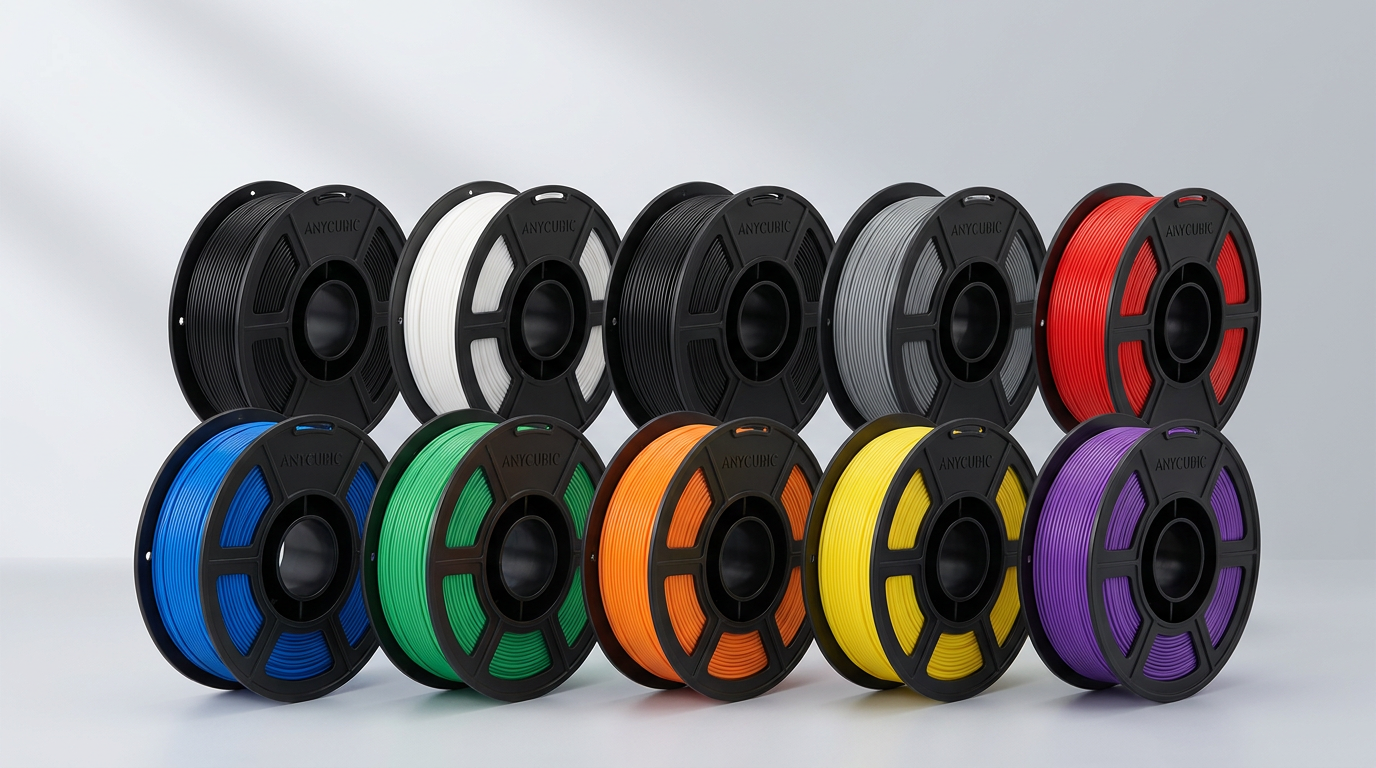
ANYCUBIC Multicolor PLA 10KG Review: Budget Bulk Reality
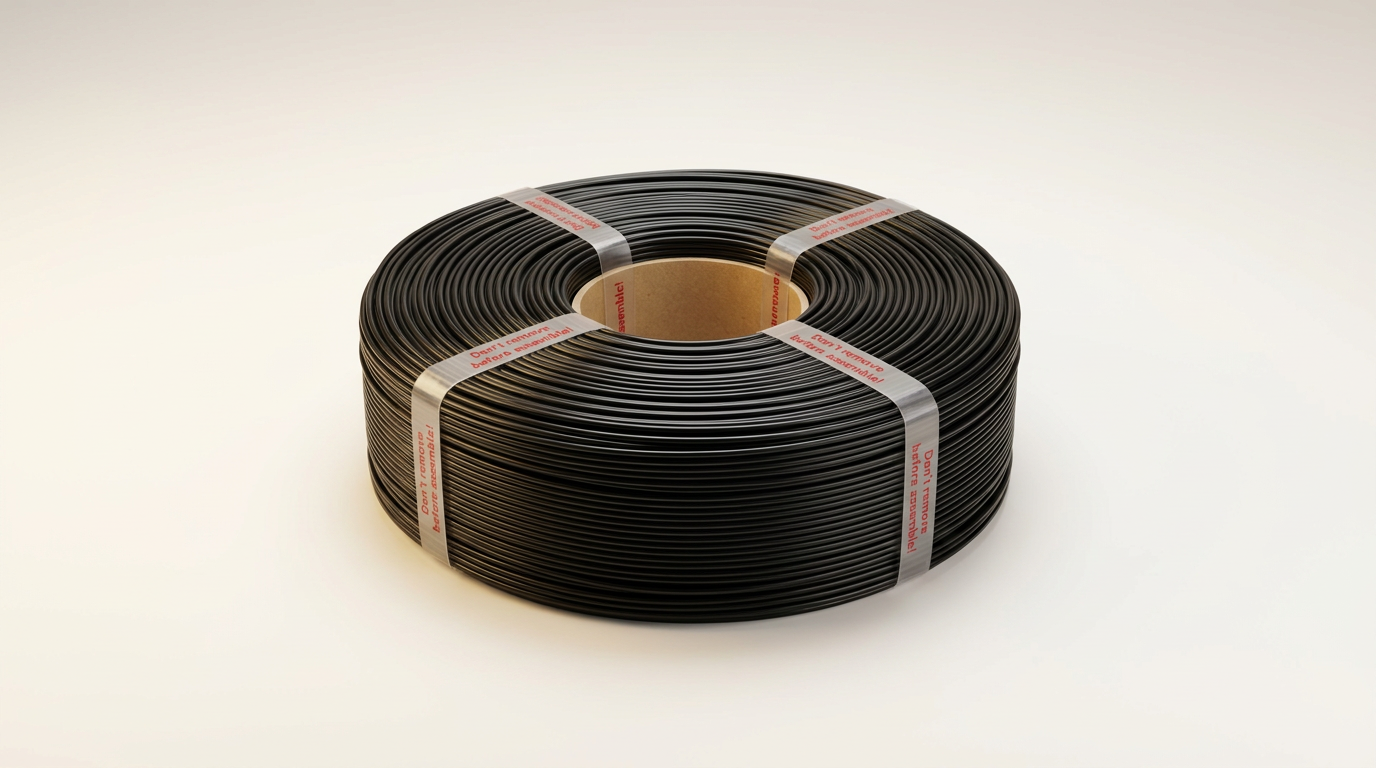
ANYCUBIC PLA Filament Refill Review: Smart Spooling
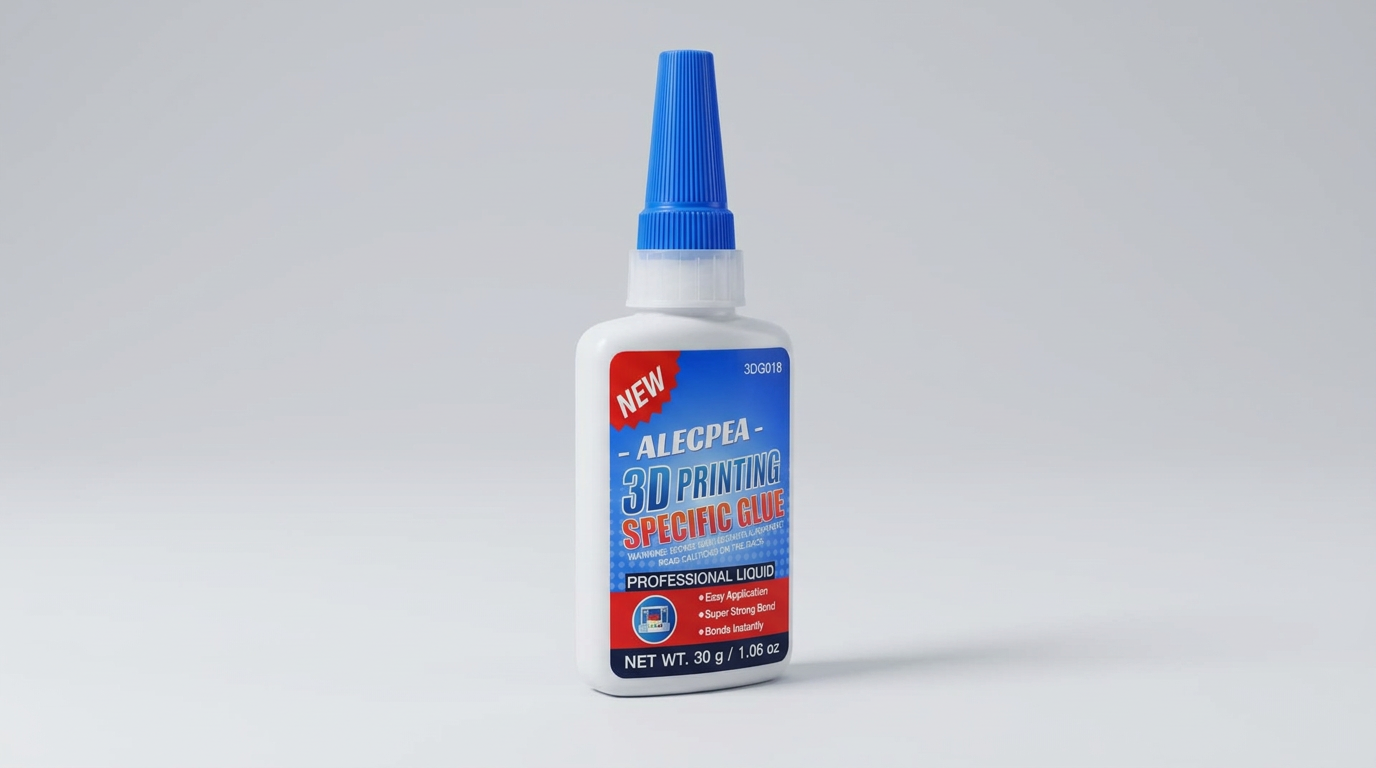
ALECPEA 3D Print Glue Review: Precision Bonding for Makers
This review is based on real experiences shared by owners in online communities.