
AMOLEN Glow in the Dark PLA Filament Review: Luminous Prints Take Shape
This review is based on real experiences shared by owners in online communities.
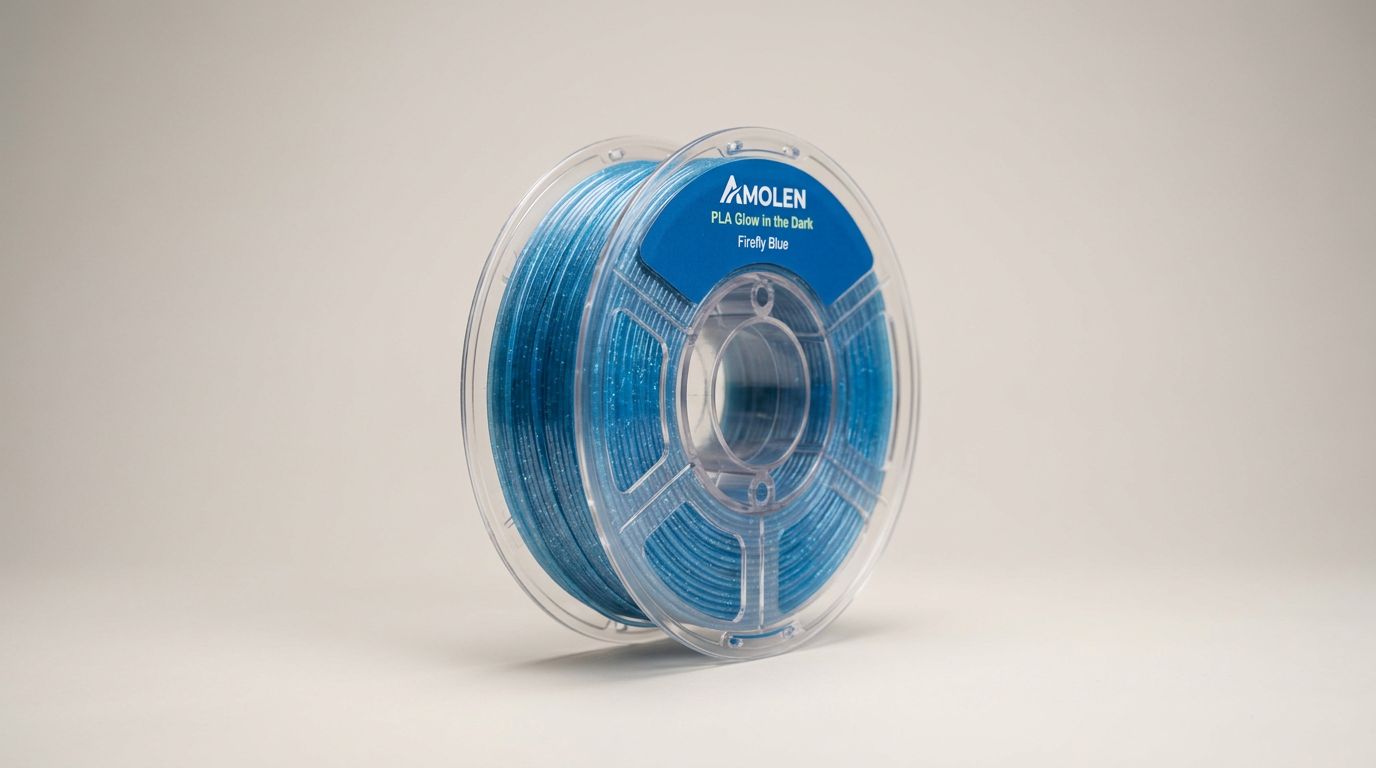
The market for 3D printing filaments often promises novelty, but few products deliver on visual impact quite like glow-in-the-dark options. While seemingly a niche offering, these filaments represent more than just a party trick; they introduce the concept of 'ambient print dynamics' where a model's appearance shifts dramatically with lighting conditions. However, achieving this effect reliably in a functional print involves trade-offs that standard PLA does not demand.
AMOLEN's Glow in the Dark PLA positions itself as a premium choice within this specialty segment. Its appeal lies in creating objects that transform from their daytime appearance to luminous displays in the dark. The critical question for discerning makers is whether AMOLEN navigates the specific challenges of glow filament formulation and usability well enough to deliver a consistent, high-quality printing and aesthetic experience when the lights go out.
This review evaluates the AMOLEN Glow in the Dark PLA filament, focusing on its print performance, the quality and longevity of its luminous effect, and the practical considerations for incorporating it into diverse 3D printing projects. We examine whether its unique properties come at the expense of printability or durability, and who stands to benefit most from its distinctive visual characteristics.
What owners love
- + Bright, vibrant, and long-lasting glow effect, especially with UV exposure
- + Prints reliably with good bed adhesion and minimal stringing for many users
- + Aesthetically pleasing frosted or 'glass-like' appearance in ambient light
- + Excellent customer service responsive to user issues
- + Strong mechanical properties, described by some as PLA+
- + Wide range of attractive, unique colors beyond the glow variants
Common complaints
- − Requires careful temperature tuning to avoid stringing and achieve optimal prints
- − Abrasive nature of glow particles necessitates hardened nozzles for frequent use
- − Some colors or specific batches may not be as vibrant or glow as intensely as expected
- − Glow effect can be short-lived without sufficient light absorption
- − Reported issues with brittleness on some rolls and increased propensity for clogging
- − "Mini rolls" may not be compatible with certain multi-material systems like AMS
Design & Build
AMOLEN's glow-in-the-dark PLA filament presents a distinctive visual profile even before printing. Owners consistently describe its unprinted state or daytime appearance as a frosted, glass-like, or even slightly glittery finish, particularly in blue and green variants. This aesthetic quality, referred to by some as a "frosted blue glass look," means prints possess an inherent visual appeal beyond their luminous capabilities. The core mechanical properties suggest a material that often behaves like a robust PLA+, with users noting its strength and non-brittleness. However, the inclusion of phosphorescent particles introduces a practical consideration: surface texture. Some owners observe a "gritty" feel to the filament, a common characteristic of specialty materials containing additives, which can influence both print quality and nozzle longevity. This grit is a direct consequence of the glow-in-the-dark pigment, distinguishing it from standard PLA formulations.
Setup & Ease of Use
Setting up the AMOLEN Glow in the Dark PLA requires closer attention than typical PLA filaments. While many users report excellent printability on standard settings, others emphasize the need for "minor tuning" to achieve optimal results, particularly concerning adhesion and bridging. The recommended printer settings a nozzle temperature of 210°C-230°C and a bed temperature of 50°C-60°C provide a starting point, but individual printer variations necessitate adjustment. A recurring, critical insight from experienced users is the "hardened nozzle imperative"; the abrasive nature of the glow particles can wear down standard brass nozzles quickly. Neglecting this can lead to print failures and clogged nozzles, a common pain point for less experienced users. While the filament generally exhibits good bed adhesion, some feedback indicates a potential for stringing or issues with lifts without a brim, indicating a sensitivity to ambient conditions or specific printer setups. The observation of "mini rolls" being incompatible with multi-material systems like Bambu Lab's AMS highlights a practical limitation for users with advanced setups, suggesting that spool dimensions are not universally standardized for premium systems.
Performance in Real Use
The primary allure of this filament is its glow performance, and owners report strong satisfaction in this area. The luminous effect is consistently described as bright, intense, and captivating, particularly the blue and green variations. The "long-lasting glow with UV light" feature is not marketing fluff; users confirm that exposure to sunlight or UV lamps significantly enhances both the brightness and duration of the glow, a key element for maximizing the "reactive glow potential" of prints. The filament's daytime appearance also receives praise, with transparent or frosted effects allowing for unique light diffusion. Print quality generally holds up well, with many users experiencing smooth, clog-free runs and excellent detail reproduction. However, the glow effect's brightness is directly proportional to print density; increasing infill creates a more pronounced luminosity. This introduces a material efficiency consideration: brighter prints consume more filament. While most users experience good results, some isolated incidents of clogging or lack of glow in specific rolls indicate an occasional inconsistency in manufacturing or the need for more aggressive printer settings, such as higher temperatures (some users report printing at 295°C without issue on specialized setups).
Software & Ecosystem
AMOLEN's filament operates within the broad ecosystem of 3D printing software and hardware, primarily relying on standard slicer settings for PLA. Users report success with common configurations in Cura, and compatibility with popular machines like Ender 3, Bambu Lab A1, and P1S is common. The primary software interaction involves tuning print parameters such as temperature, speed, and infill to optimize the glow effect and mitigate common filament challenges like stringing, a typical requirement for specialty filaments. There is no proprietary software tied to AMOLEN filaments, meaning users leverage their existing slicer knowledge. The customer service, however, forms a notable part of its 'ecosystem' experience; several users highlight AMOLEN's responsive support in addressing issues, even proactively contacting customers. This level of engagement provides a valuable safety net, particularly for new users experimenting with specialty filaments where troubleshooting can be more complex.
Value & Reliability
Considering its unique aesthetic appeal and generally strong performance, the AMOLEN Glow in the Dark PLA offers good value within the specialty filament category, typically priced in the mid-$20 to low-$30 range. Its reliability is mostly high, with numerous owners reporting consistent, excellent prints. The filament's ability to produce robust, durable objects, often likened to PLA+, contributes to its functional value beyond just visual novelty. However, the "hidden cost of novelty" emerges when considering long-term printing with this material. The necessity of hardened nozzles for frequent use adds an initial investment for some users, a detail not always clear upfront. While bed adhesion is typically strong, scattered reports of minor printing quirks like stringing or occasional brittleness suggest that reliability, though high, is not absolute across all batches or user conditions. The positive experiences with customer support, which some describe as a benchmark for the industry, significantly enhance the overall value proposition, effectively mitigating some of the variability inherent in specialty filaments.
Verdict
Buy - AMOLEN Glow in the Dark PLA delivers a consistently bright and visually striking luminous effect that elevates 3D prints.
This filament is ideal for hobbyists and makers who prioritize unique visual effects and are willing to invest a small amount of time in dialing in print settings. It shines for decorative items, cosplay accents, or functional prints that benefit from ambient light interaction. Those using hardened nozzles or prepared to upgrade should find this a rewarding material. Conversely, if your priority is high-volume, cost-sensitive production prints without any special visual requirements, or if you prefer a 'set-it-and-forget-it' filament experience, this may introduce unnecessary complexity and cost relative to standard PLA.
AMOLEN's success with this filament reflects a broader shift we call 'experiential materiality' in 3D printing. It's not just about forming an object; it's about the interactive properties of the material itself, transforming an inert plastic into something that responds to its environment. This product illustrates how specialty filaments are moving beyond simple color variations, offering dynamic properties that fundamentally alter how prints are perceived and engaged with after they leave the build plate.
FAQ
More 3D Printing Supplies reviews
ELEGOO Matte PLA Filament Bundle Review: A Premium Material on a Budget
ELEGOO PLA Plus Filament Review: The Workhorse White
eSUN PLA Basic Filament Review: A Workhorse for 3D Printing
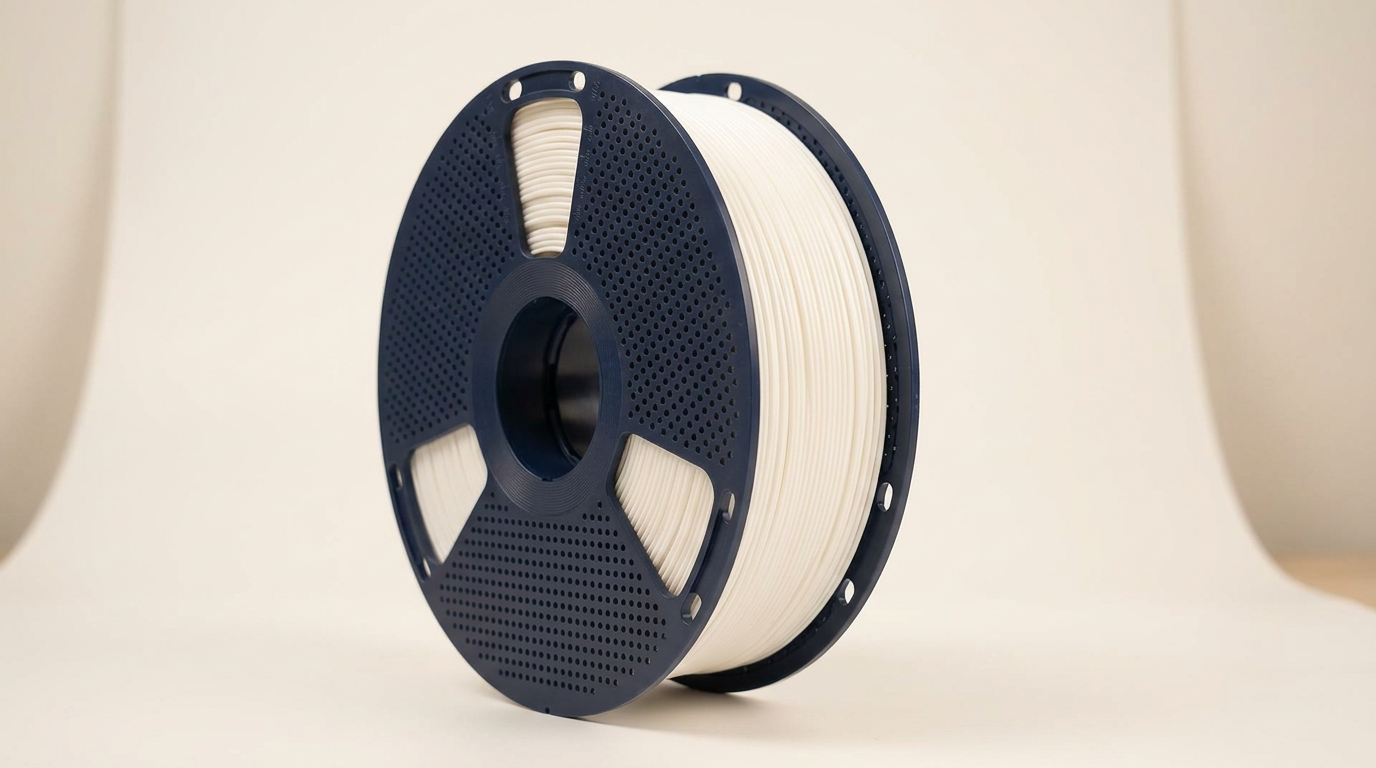
SUNLU PLA Plus Filament Review: The Workhorse for Everyday 3D Printing
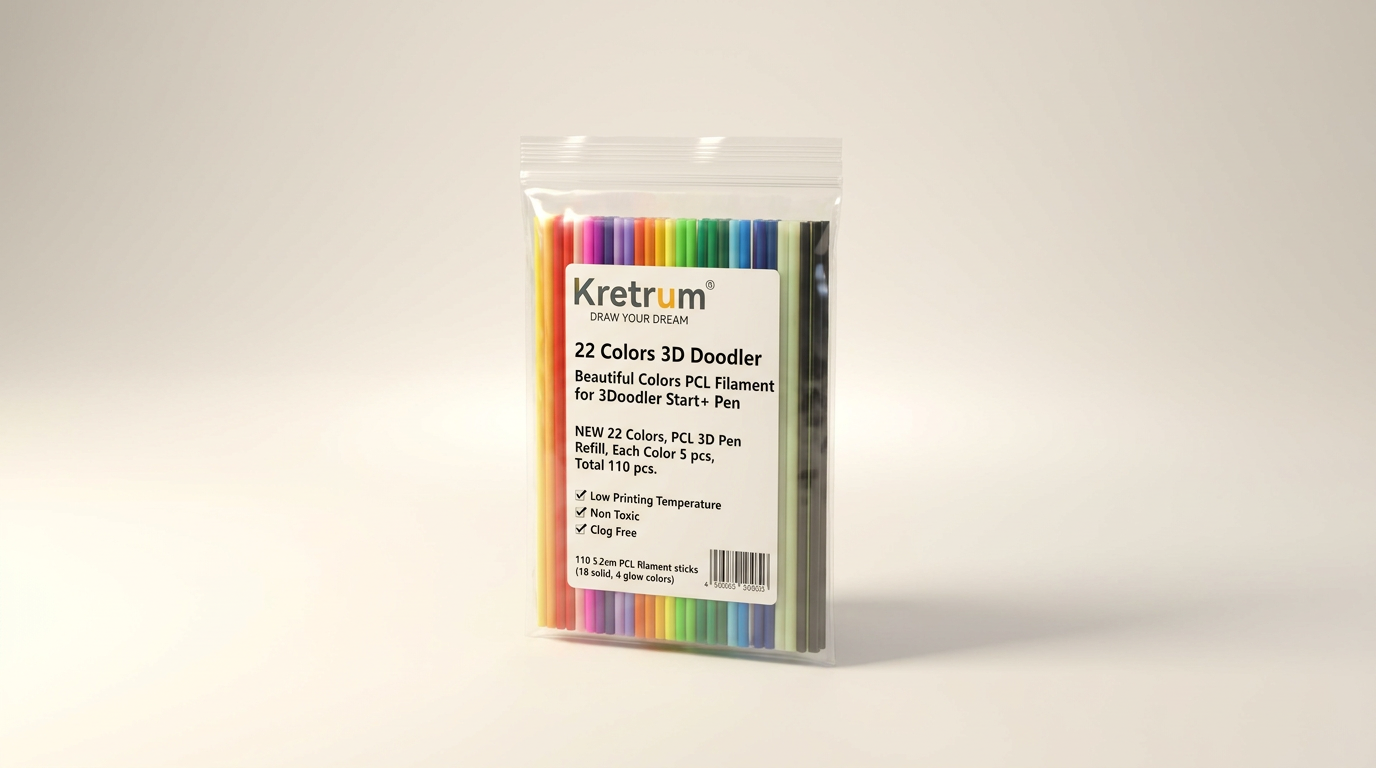
Kretrum 3Doodler Start+ Refills: Expanding Creative Horizons
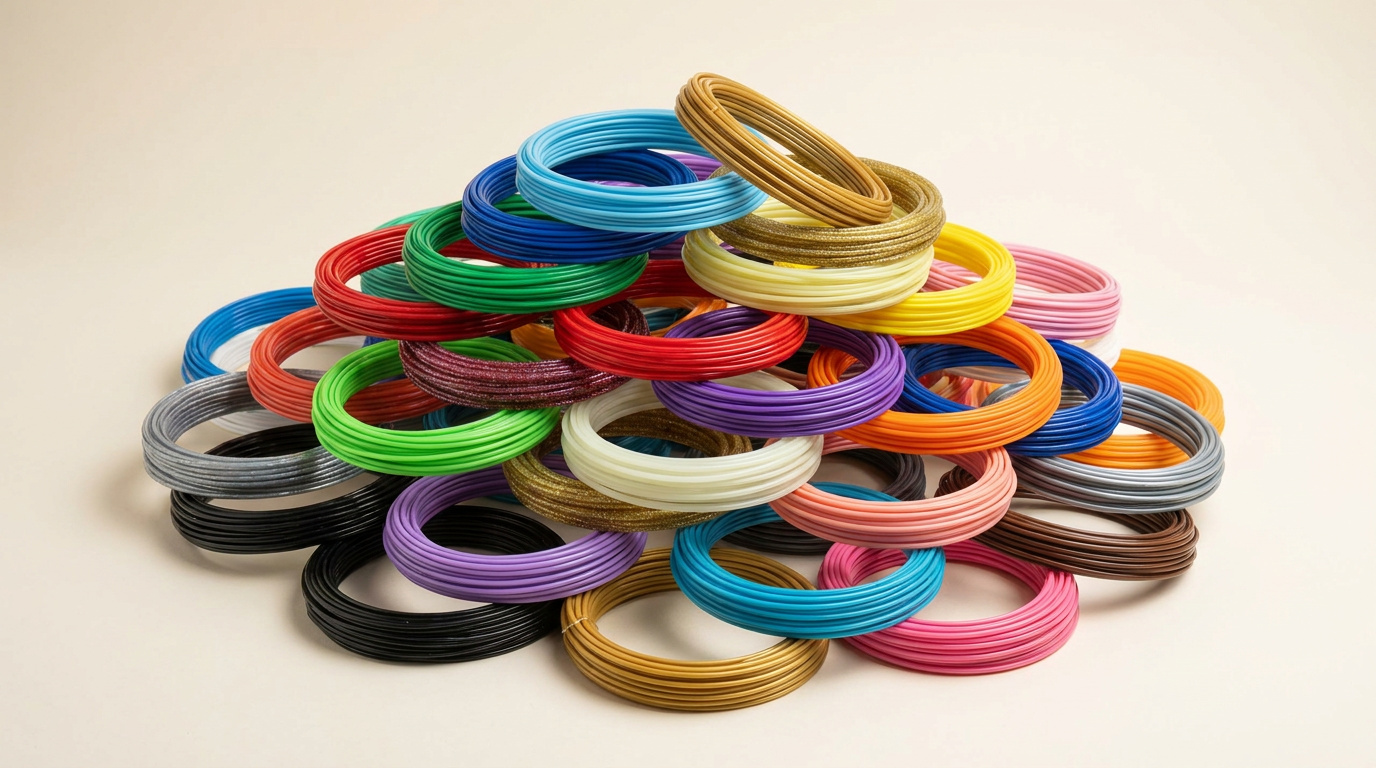
Kretrum 40 Colors PLA 3D Pen Filament Refills Review
This review is based on real experiences shared by owners in online communities.