
3DMakerpro 3D Scanning Spray Review: Dissipating Surface Prep
By AValidReview. An AI-assisted summary of customer feedback, not a hands-on test.
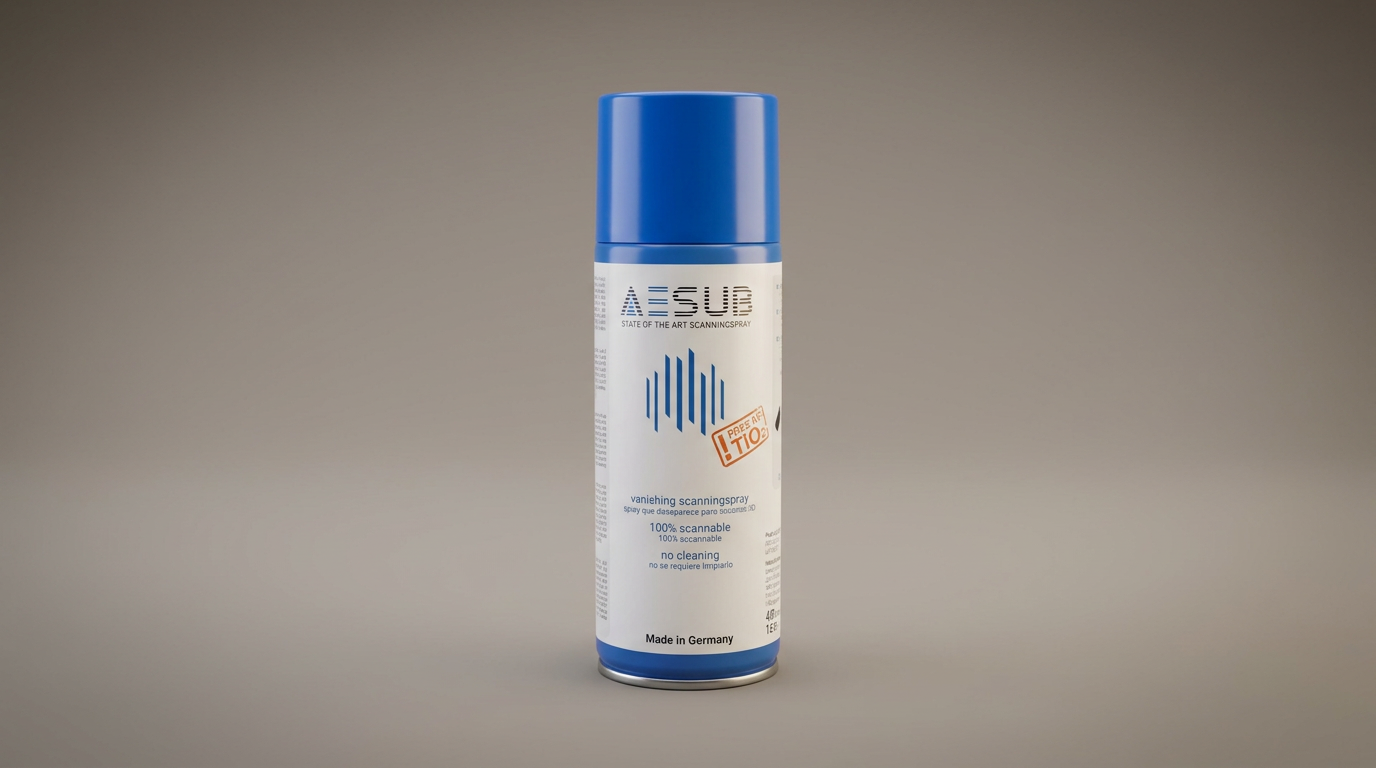
In the specialized world of 3D scanning, achieving accurate data from challenging material finishes remains a consistent hurdle. Transparent, black, and highly reflective objects often produce scan data riddled with noise, holes, or outright failure, requiring extensive post-processing or specialized hardware.
While advanced scanners mitigate some of these issues, the fundamental physics of light interaction with surfaces often demands a more direct approach: surface preparation. The 3DMakerpro 3D Scanning Spray enters this arena, promising to transform these difficult surfaces into scan-ready, matte finishes without the cleanup burden common with traditional methods.
This spray represents a critical utility in the 3D capture workflow, especially for those seeking to extend the capabilities of their existing scanning hardware. It addresses the 'surface texture gap' that frequently frustrates otherwise capable 3D scanners, positioning itself as a pragmatic solution to a persistent problem rather than a revolutionary advancement in scanning technology itself.
What owners love
- + Significantly improves scanning accuracy on tricky surfaces
- + Creates a uniform, matte coating for optimal data capture
- + Evaporates completely without leaving residue
- + Fast drying time minimizes workflow delays
- + Easy to apply with an even spray pattern
Common complaints
- − Limited information on potential long-term effects on objects
- − Specific compatibility details with non-3DMakerpro scanners are sparse
- − Requires proper ventilation due to spray application
- − Not a universal fix for all scanning challenges
- − Capacity may be insufficient for continuous large-scale projects
Design & Build
The 3DMakerpro 3D Scanning Spray arrives in a standard aerosol can, familiar to anyone who has used spray paints or lubricants. The 400ml capacity is substantial enough for numerous smaller objects or a few medium-sized items, aligning with the needs of a hobbyist or small workshop. Owners note the spray mechanism delivers a fine, even mist, which is critical for consistent application and avoiding heavy, uneven patches that could skew scan data. While the physical design is unremarkable, its primary function is containment and delivery, which it executes effectively. The underlying 'build' here refers to the chemical formulation, which is engineered for rapid evaporation and residue-free dissipation, a core tenet of its utility. This ephemeral nature is a deliberate design choice, allowing users to modify a surface temporarily without permanent alteration.
Setup & Ease of Use
Applying the 3D Scanning Spray is straightforward, requiring minimal setup beyond ensuring adequate ventilation. Users simply hold the can 15-20 cm from the object and apply an even coat. Owners consistently report the spray dries quickly, allowing for immediate scanning. This 'quick-prep' characteristic is a significant advantage, eliminating the wait times associated with other surface treatments. The claim of residue-free dissipation is frequently validated by users, who find that objects revert to their original appearance without intervention, a testament to its user-friendly design. This ease of use means minimal disruption to an ongoing scanning project, streamlining the overall workflow. However, like any aerosol product, careful application is key; overspraying can lead to waste or excessive coating thickness, potentially obscuring fine details.
Performance in Real Use
The spray's core function is to transform problematic surfaces into matte, non-reflective targets ideal for structured light or laser 3D scanning. Owners report significant improvements when scanning black, transparent, or shiny objects, citing enhanced detail capture and reduced scanning errors. The coating effectively diffuses light, preventing glare and allowing the scanner's sensors to register geometric data accurately. One user specifically highlighted its efficacy on highly reflective items, noting the complete elimination of glare. The temporary nature of the coating is a recurring point of praise; within a day, the sprayed surface returns to its original state, leaving no trace. This 'ghost layer' effect means the spray acts as a transient surface modifier, crucial for objects where permanent alteration is unacceptable. It addresses the 'diffuse reflection deficit' common with challenging surfaces, converting specular reflections into diffuse ones that 3D scanners can process reliably.
Software & Ecosystem
As a consumable, the 3DMakerpro Scanning Spray does not feature any software component. Its integration into the 3D scanning ecosystem is purely functional, acting as a crucial pre-processing step. The manufacturer states compatibility with 3DMakerpro's own Seal and Moose scanners, as well as other brands. While specific cross-brand validation from owners is limited in the available feedback, the fundamental principle of altering surface properties applies universally to most structured light and laser-based 3D scanners. Its role is to optimize the input for any scanner, rather than being exclusive to a particular software or hardware platform. This product operates within the broader 3D scanning workflow, enabling better data capture regardless of the downstream processing software used. Its success depends more on the scanner's ability to interpret diffuse surfaces than on direct software integration.
Value & Reliability
Priced in the ballpark of around $40, the 3DMakerpro 3D Scanning Spray offers a compelling value proposition for users frequently encountering difficult-to-scan surfaces. The alternative often involves laborious manual surface preparation (e.g., powdering, painting) or investing in significantly more expensive scanning hardware. Owners consistently highlight its reliability in delivering on its core promise: creating a temporary, scan-friendly matte finish that dissipates cleanly. The consistency of results across various object types and the absence of reported issues with residue or adverse effects on scanned objects contribute to a strong perception of reliability. For projects where time is a factor and non-destructive surface modification is paramount, this spray offers a cost-effective solution that avoids the 'rework tax' often associated with poor initial scan data. Its reliability stems from its simple yet effective chemical action.
Verdict
Strong Buy - This spray delivers a consistent, residue-free solution for tackling challenging 3D scanning surfaces.
This product is highly recommended for any 3D scanner owner who routinely encounters transparent, black, or highly reflective objects. Hobbyists, small businesses, and educational institutions using structured light or laser scanners in the hundreds-to-thousands dollar range will find this an indispensable tool. It provides a significant quality-of-life improvement and allows for more accurate data capture without the need for expensive hardware upgrades or tedious post-processing.
Those who rarely scan such objects, or whose workflow prohibits any temporary surface alteration, may not find it necessary. However, for the majority of users facing the 'surface texture gap,' this spray offers an elegant and cost-effective remedy. It reinforces the idea that sometimes, the best technological advancement comes not from complex hardware, but from a simple, consumable chemical solution that addresses a fundamental interaction problem.
FAQ
More 3D Scanners reviews
Revopoint INSPIRE 2 3D Scanner Review: Unpacking the Accessory Echo Chamber
Creality 6mm 3D Scanning Markers Review: Essential Tracking Aid
TOSUKKI 6mm Positioning Targets Review: The Refined Generic Choice
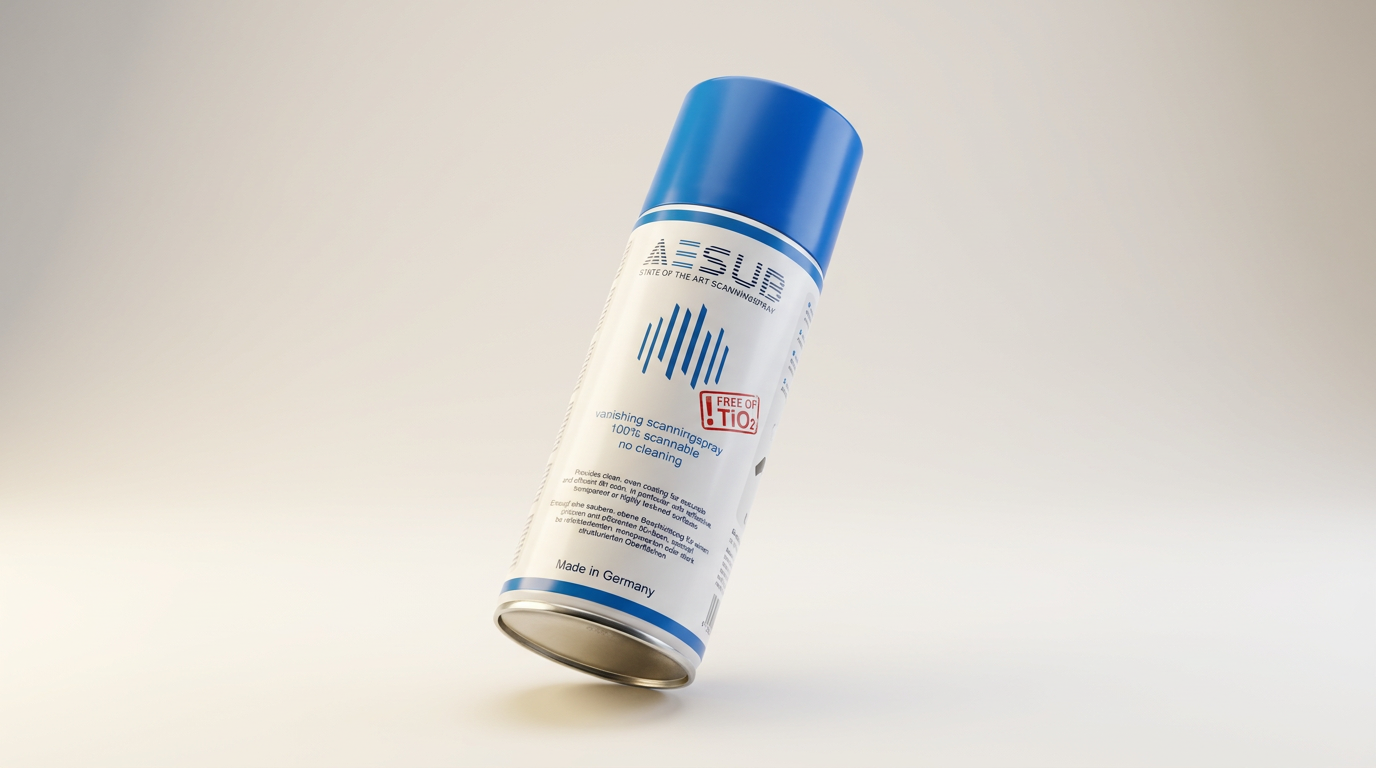
AESUB 3DTOOLS 3D Scanner Spray Review: The 'Evaporative Enabler'
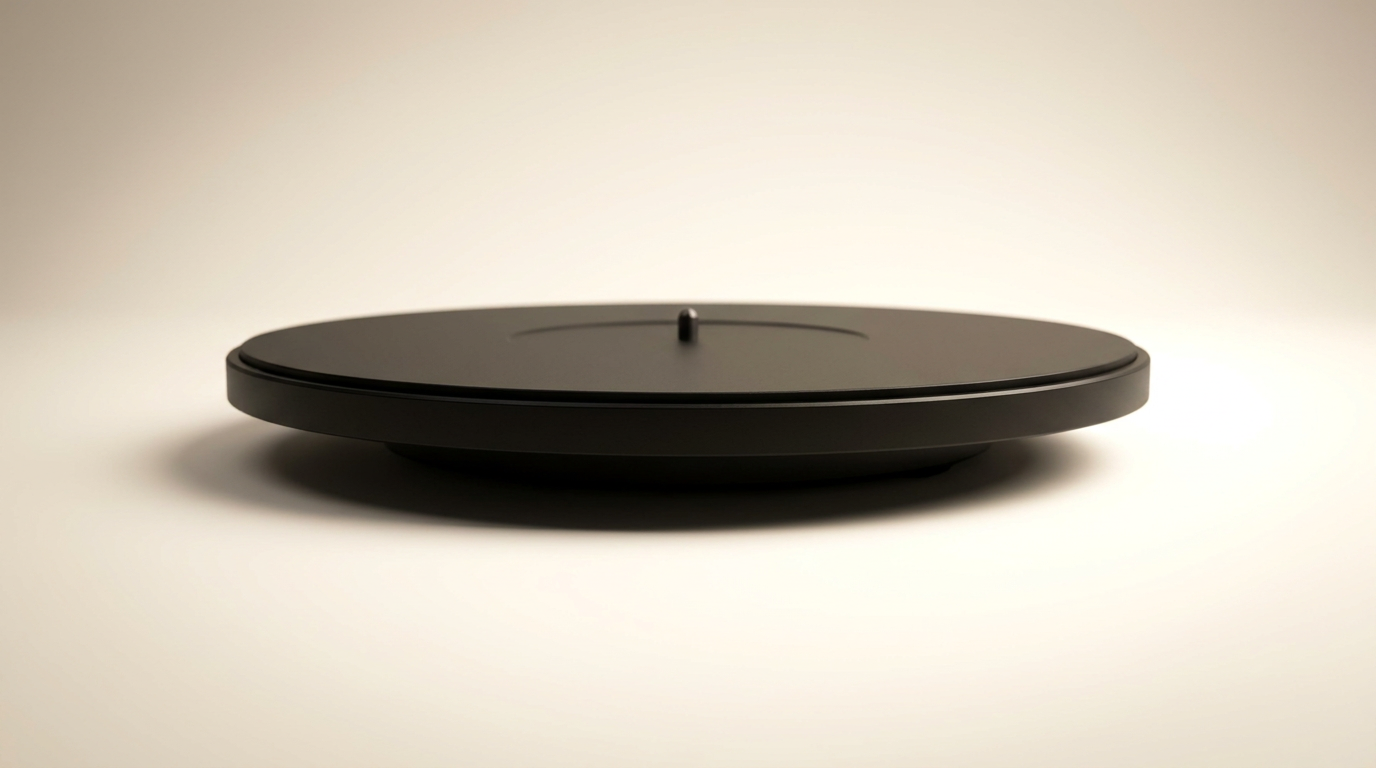
Creality 8-inch Rotating Turntable: A Solid Scanner Accessory
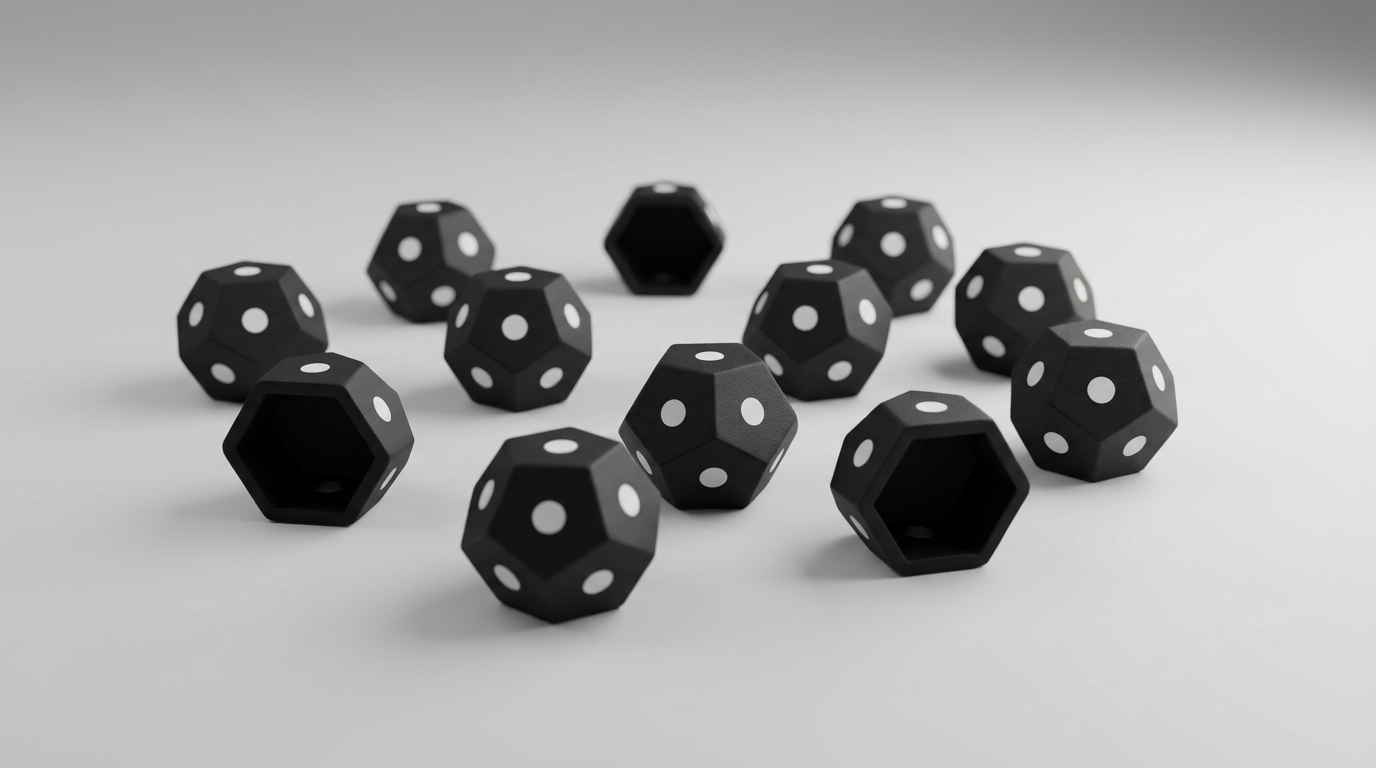
Generic 12 Piece Multi-Angle Markers Review: Essential 3D Scanning Dots
This review is based on real experiences shared by owners in online communities.