
SUNLU PA6-CF Filament Review: High-Strength Parts on a Budget
This review is based on real experiences shared by owners in online communities.
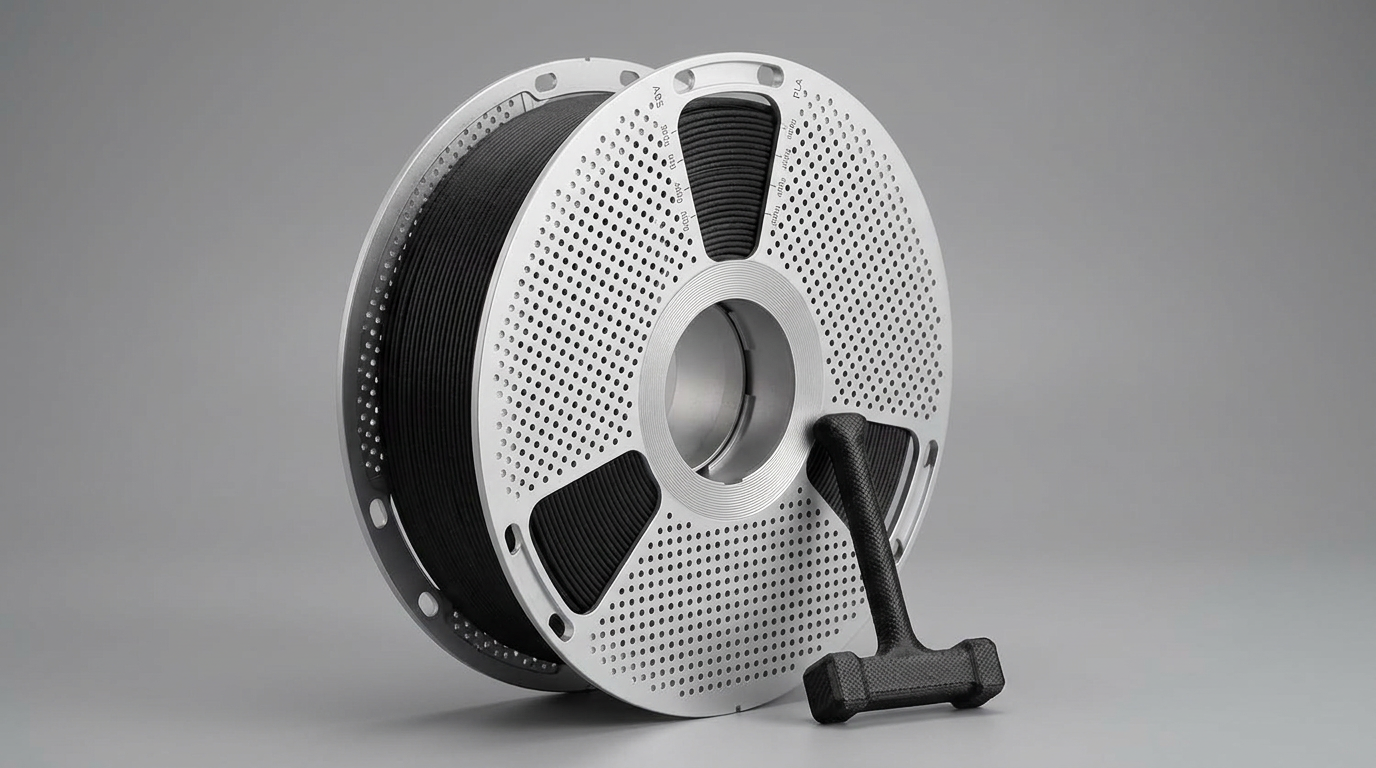
The pursuit of robust, functional 3D prints often leads makers beyond common plastics like PLA and PETG, into the realm of engineering materials. Among these, carbon fiber reinforced nylon stands out for its mechanical properties, but often at a premium price. The SUNLU PA6-CF filament enters this space as an accessible option, promising high stiffness, strength, and heat resistance typically associated with more expensive alternatives.
However, its affordability introduces a specific user obligation: a non-negotiable commitment to proper preparation and handling. This is not a drop-in-and-print material, and its perceived "value" is directly tied to the user's willingness to engage with its particular demands. This review assesses whether SUNLU's offering successfully democratizes high-performance nylon or if its cost savings ultimately translate into a higher operational burden.
What owners love
- + Delivers exceptional strength and stiffness for functional parts
- + Provides high heat resistance, suitable for demanding applications
- + Offers significant cost savings compared to premium brands
- + Achieves excellent layer adhesion and surface finish when prepared
- + Compatible with a wide range of popular FDM printers
Common complaints
- − Requires mandatory and extensive drying before printing
- − Brittle nature makes it incompatible with automatic material systems (AMS)
- − Can be prone to warping without proper bed adhesion and chamber conditions
- − Spool winding occasionally reported as loose, risking tangles
- − Demands specific printer settings and hardware like hardened nozzles
Design & Build
SUNLU PA6-CF consists of 80% PA6 nylon and 20% chopped carbon fibers, a standard composition for this class of engineering filament. Owners consistently report that the finished prints exhibit a desirable matte black texture, characteristic of carbon fiber infused materials. This finish not only masks layer lines effectively but also provides a professional appearance suitable for functional components. While the filament itself is described as brittle on the spool, a common trait for CF-filled nylons, this characteristic underpins its core mechanical advantage in printed parts: rigidity. The formulation prioritizes strength in the final object over flexibility during handling, a design choice that aligns with its intended use for industrial and demanding applications.
Setup & Ease of Use
The SUNLU PA6-CF is not a plug-and-play material; it imposes what we term the 'Preparation Dividend.' Owners universally emphasize the critical requirement for thorough drying, typically 12 to 24 hours at temperatures between 70°C and 80°C (158°F-180°F), before printing and often recommend continuous drying during the print process. Failure to adhere to this protocol results in poor print quality, blobs, and zits. The filament's inherent brittleness also precludes its use in multi-material systems like Bambu Lab's AMS, necessitating external spool setups. Printing parameters generally fall within 270-290°C nozzle temperature, 50-70°C bed temperature, and print speeds of 50-150mm/s. Bed adhesion typically requires PVA glue or specific adhesives like Magigoo PA, and an enclosed print chamber, ideally heated to around 50°C, is highly recommended to manage warping. Abrasion-resistant nozzles, such as hardened steel, are essential due to the carbon fiber content.
Performance in Real Use
When properly prepared and printed, the SUNLU PA6-CF delivers on its promise of robust, high-performance parts. Owners consistently praise its strength, stiffness, and excellent layer adhesion, making it suitable for demanding applications like automotive engine parts, drone components, and structural brackets. Its heat distortion temperature, rated at up to 209°C, allows it to function reliably in environments where many other filaments would deform. The carbon fiber infusion also imparts a noticeable reduction in flexibility, resulting in very rigid parts. Several users reported successfully printing large, complex models without issues, including 14-hour prints, provided the drying and printing environment were meticulously managed. The "Industrial Grade Endurance" owners experience here directly stems from the material's composition and the user's careful adherence to print parameters.
Software & Ecosystem
This filament operates within the broader FDM 3D printing ecosystem, relying on standard slicer software. While SUNLU provides recommended printing settings, many users report success by adapting existing profiles for other PA6-CF filaments, such as Bambu Lab's PA6-CF profiles. This cross-compatibility indicates a degree of standardization in material behavior within the PA6-CF category. The lack of proprietary software integration means its performance is dictated by the user's ability to configure their slicer and printer settings correctly, rather than relying on a specific brand ecosystem. The filament's diameter accuracy is generally reported as good, contributing to consistent extrusion across various machines.
Value & Reliability
The SUNLU PA6-CF consistently receives high marks for its value proposition. Owners describe it as one of the most cost-effective carbon fiber nylons available, often significantly cheaper than comparable offerings from other brands. This makes high-performance printing more accessible to a wider audience, provided they are willing to invest in the necessary drying equipment and process. The reliability of prints is directly proportional to the rigor of pre-print preparation. While some isolated reports mention loose spool winding, this does not appear to be a widespread issue impacting print success for most users. For those who embrace the preparation requirements, the filament offers a compelling balance of performance and price, embodying a 'Skunkworks Value' where significant performance is unlocked through diligent user effort rather than premium branding.
Verdict
Buy - This filament delivers excellent mechanical properties at a highly competitive price for users committed to strict preparation protocols.
It is an ideal choice for experienced 3D printer operators seeking to produce strong, stiff, and heat-resistant functional parts without the higher cost of premium brands. Those with enclosed printers, filament dryers, and abrasion-resistant nozzles will find this filament an exceptional value. However, individuals new to engineering filaments, those without dedicated drying solutions, or users relying on automatic material handling systems should consider more forgiving alternatives or prepare for a steeper learning curve.
The SUNLU PA6-CF challenges the notion that high-performance materials must come with a premium price tag, instead offering a 'Performance for Preparation' contract. It underscores a fundamental truth in advanced 3D printing: the filament's potential is only as good as the user's diligence. This product doesn't just sell material; it sells access to industrial-grade part strength for those willing to earn it through meticulous setup and care.
FAQ
More 3D Printing Supplies reviews
RAMBERY Silk Dual Color PLA Filament Review: Aesthetic Impact for Small Prints
eSUN PLA+ Filament: The Go-To Choice for High-Speed 3D Printers
SUNLU High Speed PETG Filament Review: The 'Dry-First Economy' Advantage
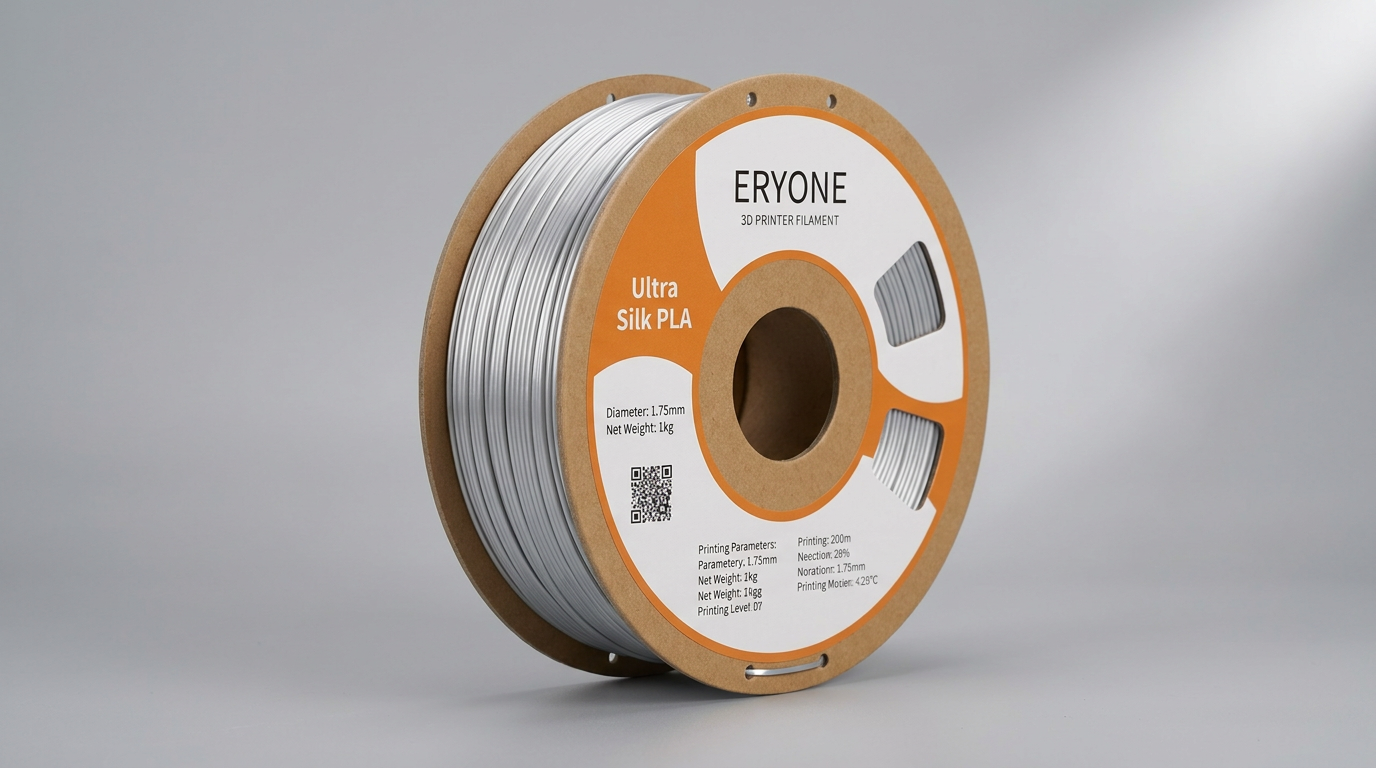
ERYONE Silk Filament PLA+ Review: The Glossy Aesthetic Standard
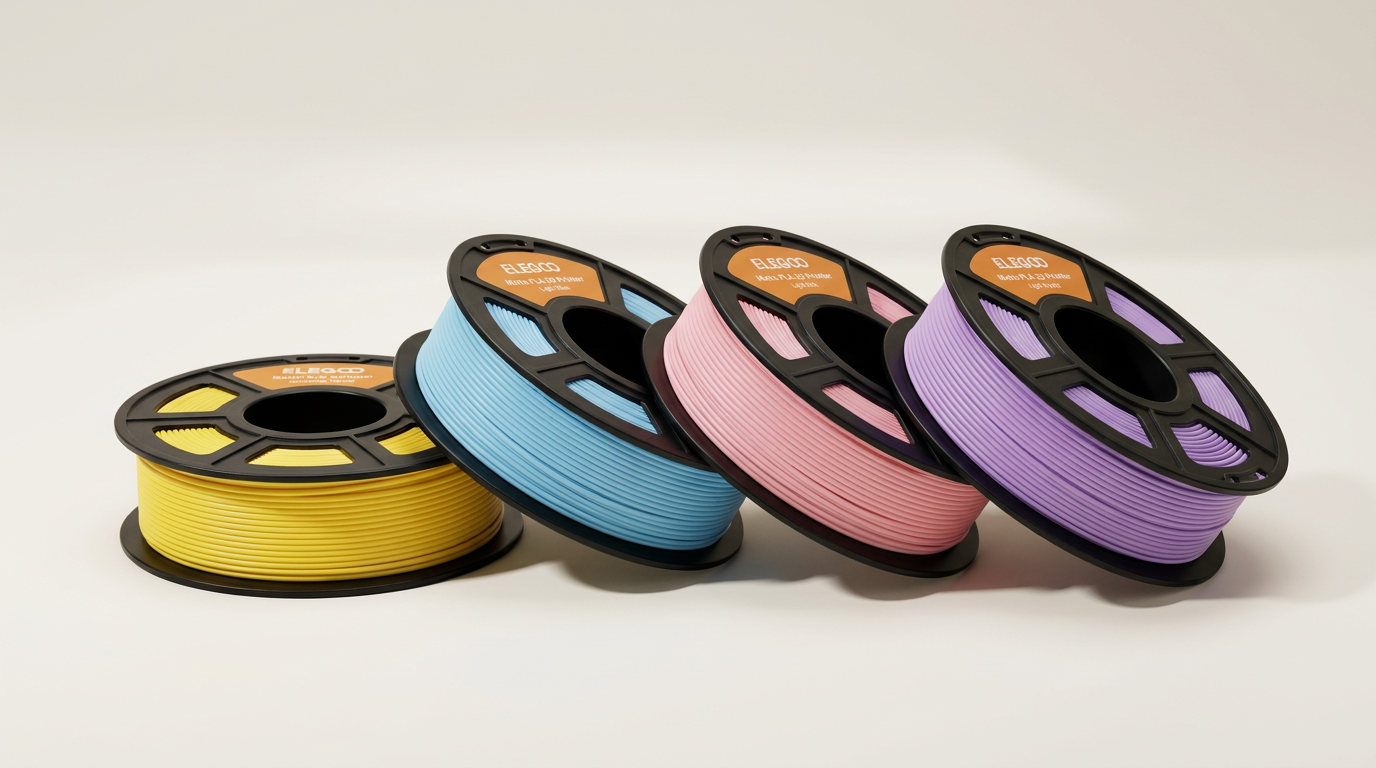
ELEGOO Matte PLA Filament Bundle Review: A Premium Material on a Budget
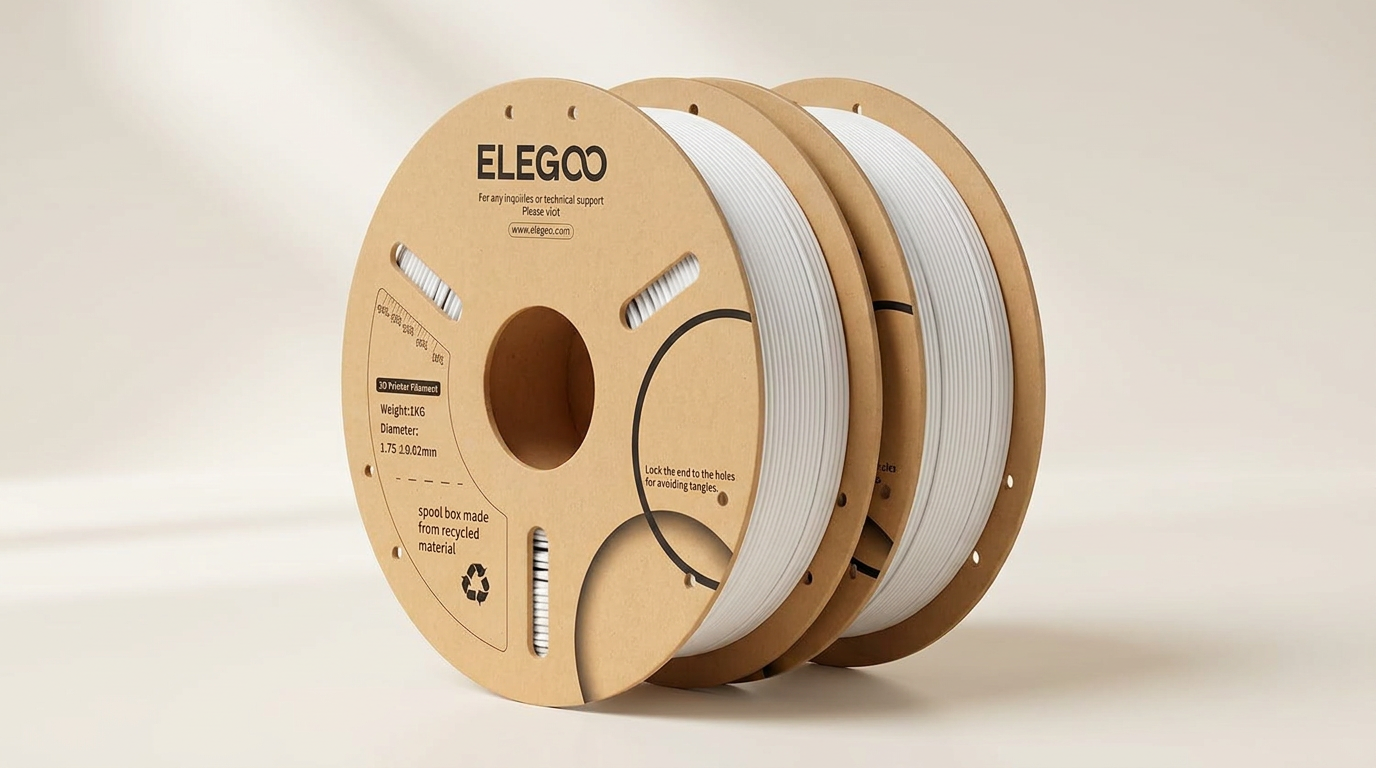
ELEGOO PLA Plus Filament Review: The Workhorse White
This review is based on real experiences shared by owners in online communities.