SCRIB3D P1 3D Pen Review: Accessible Entry to 3D Drawing
This review is based on real experiences shared by owners in online communities.
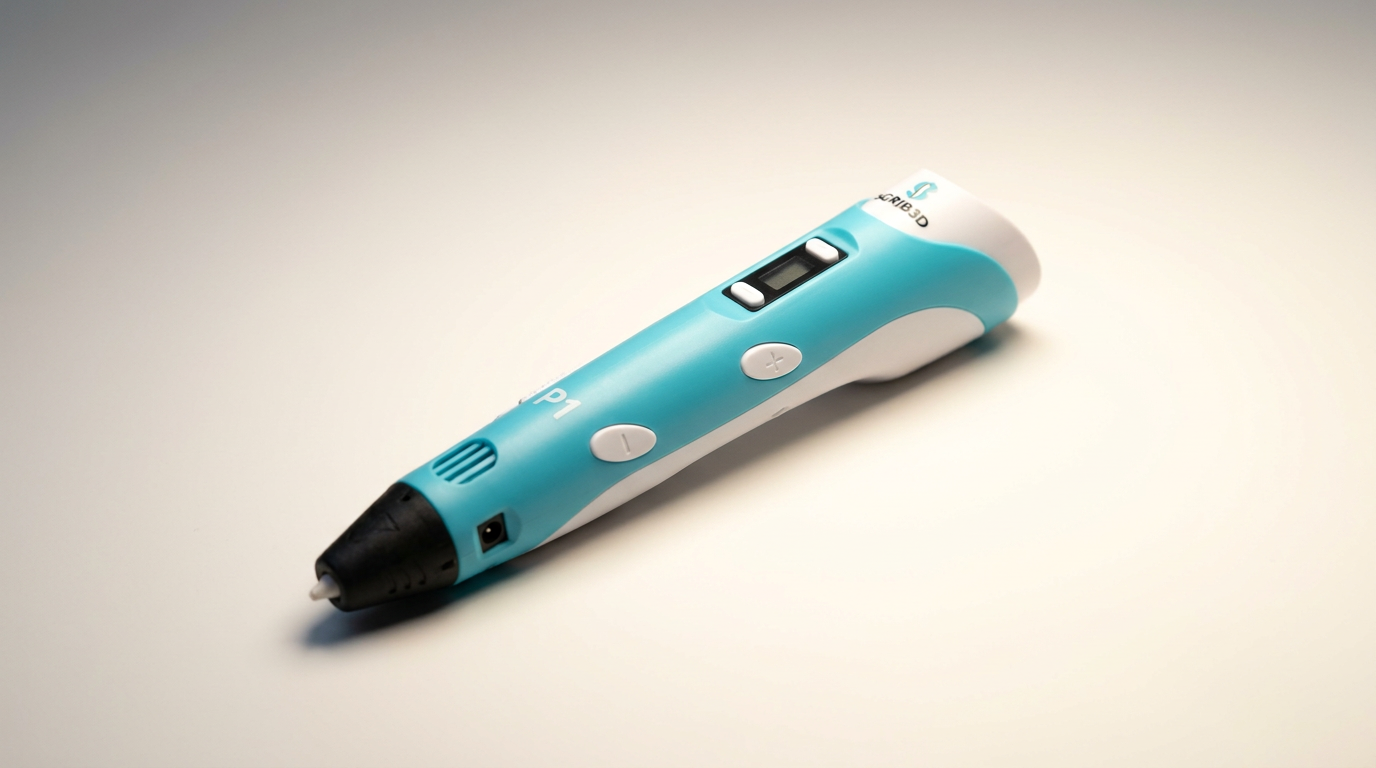
The SCRIB3D P1 3D Pen arrives in a market often characterized by advanced tools and intricate software. This particular model, bundled with a generous filament supply, positions itself as an immediate, tactile entry point to additive creation, eschewing the complexities of traditional 3D printers for a direct, hands-on experience. It offers a low-barrier alternative for individuals seeking to explore spatial drawing without significant investment or technical hurdle.
While marketed for broad appeal, the P1's true utility emerges in its role as a foundational learning tool, particularly for younger users or those entirely new to 3D fabrication. Its design prioritizes accessibility over professional precision, a critical distinction for managing expectations. This focus means it often serves as an educational bridge, introducing fundamental concepts of layering and material handling rather than enabling intricate, high-fidelity builds.
This review evaluates the SCRIB3D P1 not as a professional-grade instrument, but as a gateway product-what we term a "Curiosity Catalyst." It aims to uncover whether its ease of use truly fosters creative exploration, or if its limitations introduce frustration that hinders rather than helps the beginner's journey into 3D drawing.
What owners love
- + Intuitive operation for first-time users
- + Generous initial filament supply included
- + Suitable for various small creative projects
- + Quick heating and adjustable temperature
- + Appeals strongly to children and younger users
Common complaints
- − Durability concerns and reports of early failure
- − Plastic odor during operation is a common complaint
- − Requires constant power, limiting portability and workspace
- − Learning curve for achieving consistent results
- − Inaccurate filament quantity claims in some bundles
Design & Build
The SCRIB3D P1 features a design optimized for handheld comfort, which owners often highlight as beneficial, especially for smaller hands. Its construction incorporates a ceramic nozzle, a choice that generally contributes to heat retention and smoother material extrusion. However, the external plastic casing becomes warm during extended operation, a physical manifestation of the internal heating elements. Owners consistently report the pen is "easy to use" and "perfect size," reinforcing its ergonomic success. The core issue, however, lies in what we term the "Durability Dividend"-the expectation of longevity for an accessible tool. While initial impressions are positive, several reports indicate significant reliability issues, with units failing to power on or ceasing function after minimal use. This suggests a disconnect between its beginner-friendly design and its operational resilience, impacting the overall perceived build quality over time.
Setup & Ease of Use
Setting up the SCRIB3D P1 is straightforward, aligning with its beginner-friendly positioning. Owners commend its simplicity, frequently describing it as "very easy to set up and use." The pen incorporates intuitive controls and a speed adjustment slider, features that assist new users in managing extrusion rates without extensive technical knowledge. However, the transition from concept to execution often involves what owners describe as a "learning curve." Achieving desired results requires practice, particularly in mastering speed and temperature settings. One recurring observation is the need to experiment with different surfaces to prevent plastic adhesion. This suggests that while the pen is simple to initiate, proficiency demands user adaptation. The initial bundle includes a substantial amount of filament, facilitating immediate creative exploration without the need for additional purchases, a significant benefit for new users.
Performance in Real Use
In daily operation, the SCRIB3D P1 delivers on its promise of enabling immediate 3D drawing. Owners successfully create small objects, dollhouse miniatures, and decorative elements, often noting the "fun" and "creative" aspects of the process. The pen heats up quickly, a practical advantage for impatient users. However, several functional limitations emerge. The constant need for a power cord restricts movement and can interfere with the drawing process, a point of frustration for classroom users. Furthermore, the melting plastic produces a noticeable odor, which some users find unpleasant and limits indoor use. This "Aromatic Tax" on creativity means that the optimal environment for using the pen might conflict with its intended convenience. While the pen works as described for simple tasks, its accuracy is limited, as owners note that advanced projects demand significant skill and patience to compensate for the inherent imprecision of freehand extrusion.
Software & Ecosystem
The SCRIB3D P1 operates as a standalone tool, largely independent of complex software. Its ecosystem is primarily defined by the bundled filament and the availability of compatible PLA or ABS filaments. The inclusion of 230 feet of assorted filament provides an extensive starting palette, encouraging experimentation across various projects. However, a notable discrepancy exists in the advertised filament quantity; some owners received less than the stated 230 feet, leading to customer service interventions. This issue, while not directly related to the pen's function, impacts the perceived value of the bundle. The pen's utility is self-contained, requiring no external applications or intricate digital interfaces, which aligns with its beginner-centric design philosophy. This simplicity means the learning curve focuses solely on physical manipulation and material understanding, rather than software navigation.
Value & Reliability
Priced in the under $50 range, the SCRIB3D P1 presents an accessible entry point to 3D pens. The initial value proposition, especially with the included filament, appears strong. However, this value is significantly undermined by recurring reports of reliability issues. Multiple owners experienced pens failing shortly after purchase-some within days, others within months of light use. While customer service responses to these failures are sometimes positive, offering replacements, the underlying pattern suggests a quality control inconsistency that directly affects long-term ownership. This creates a "Longevity Lottery" where the actual return on investment depends heavily on receiving a unit free from premature defects. The quick consumption of filament by eager users also highlights a hidden cost, requiring ongoing investment in refills, which can accumulate for active creators.
Verdict
Consider - The SCRIB3D P1 offers a highly accessible and engaging introduction to 3D pens for casual users and children.
This pen is best suited for individuals, particularly younger ones, seeking an immediate, low-cost gateway into creative 3D drawing. It excels as a gift or an educational tool for basic projects, providing a hands-on experience without the complexities of full 3D printers. Its generous initial filament supply and user-friendly design make it an attractive option for those exploring the concept of spatial art on a budget, around $40-50. Those who prioritize simple, immediate gratification over precision or durability will find its value proposition compelling.
Conversely, individuals requiring a robust, long-lasting, or high-precision tool should bypass the SCRIB3D P1. Its noted reliability issues and performance limitations, such as the power cord dependency and plastic odor, make it unsuitable for professional applications, frequent intensive use, or classroom environments where multiple units need to withstand consistent wear. Users who demand consistent output or plan intricate projects should invest in a more durable and feature-rich model, likely well north of $100. The P1 embodies a specific design tension: it trades enduring performance for initial approachability, effectively serving as a "gateway drug" to 3D creation, but not the long-term solution.
FAQ
More 3D Printing Pens reviews
SCRIB3D Advanced 3D Printing Pen Review: Beyond the Hobbyist
MYNT3D Super 3D Pen Review: A Low-Cost Creative Gateway
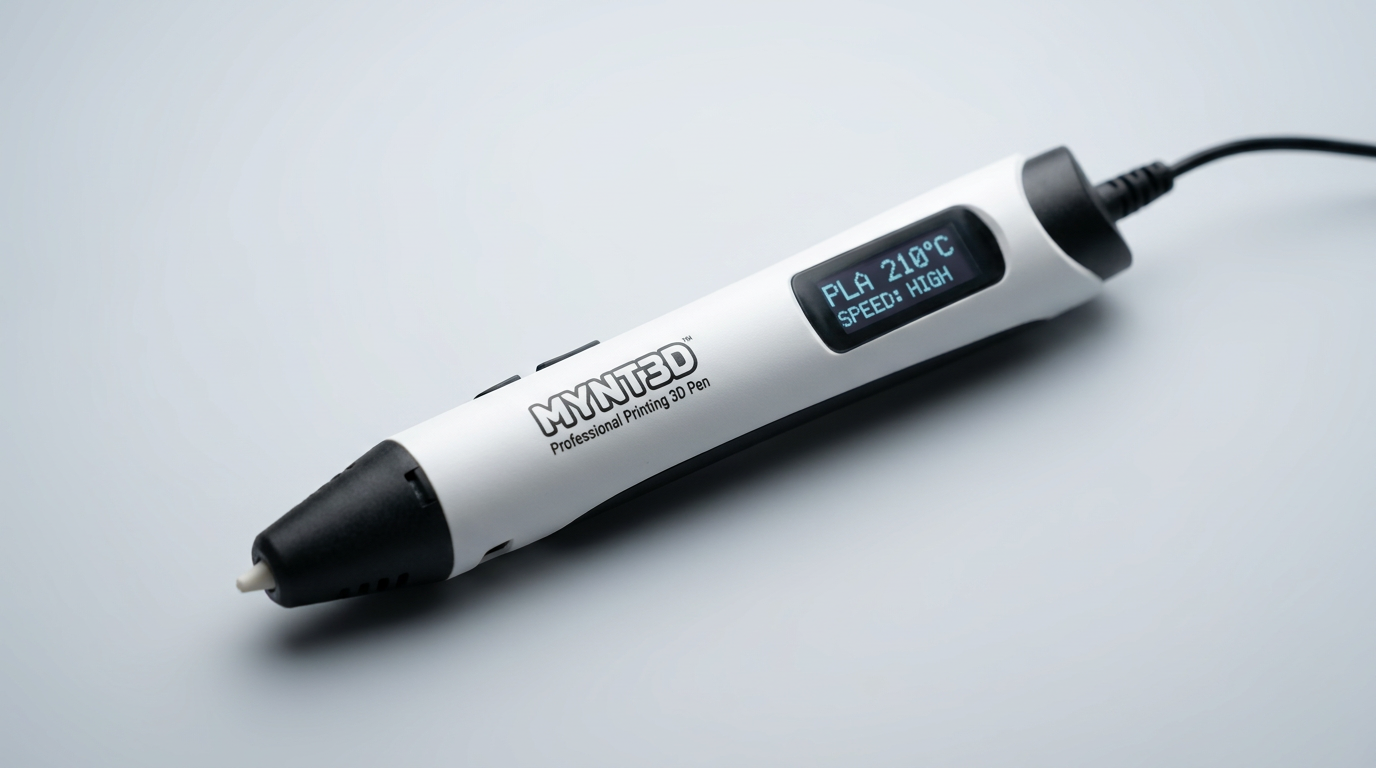
MYNT3D Professional Printing 3D Pen Review: Precision for Play
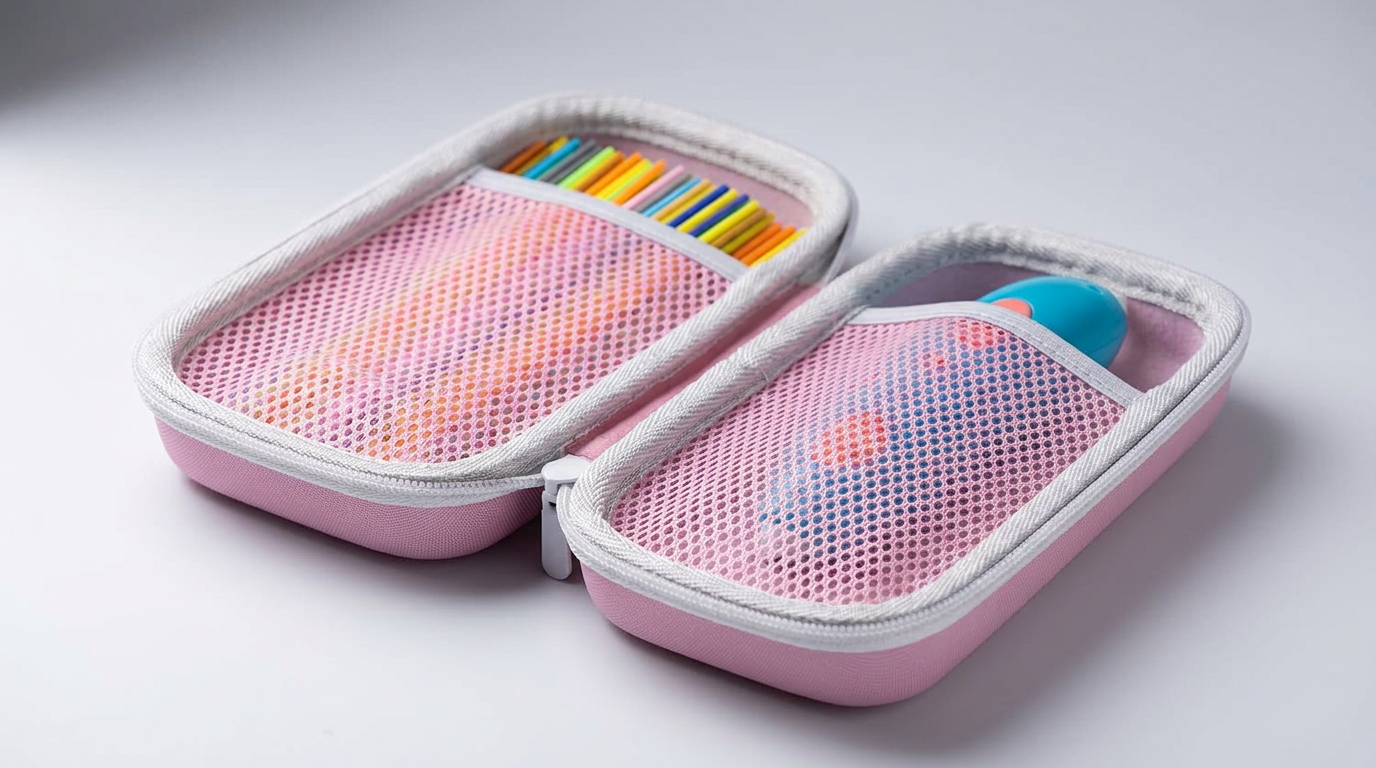
Lebakort Storage Case Review: An Essential 3Doodler Pen Companion
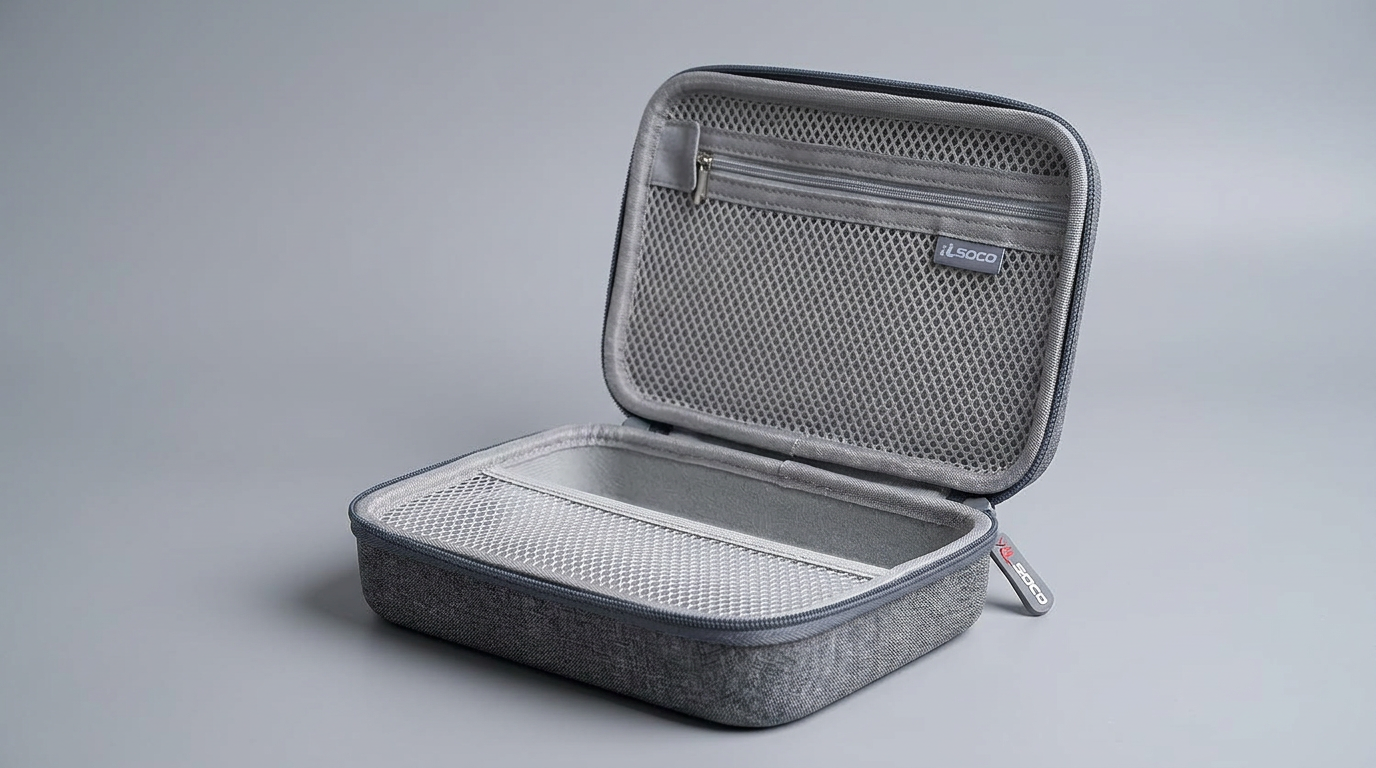
RLSOCO 3D Printing Pen Case Review: Beyond the Printer
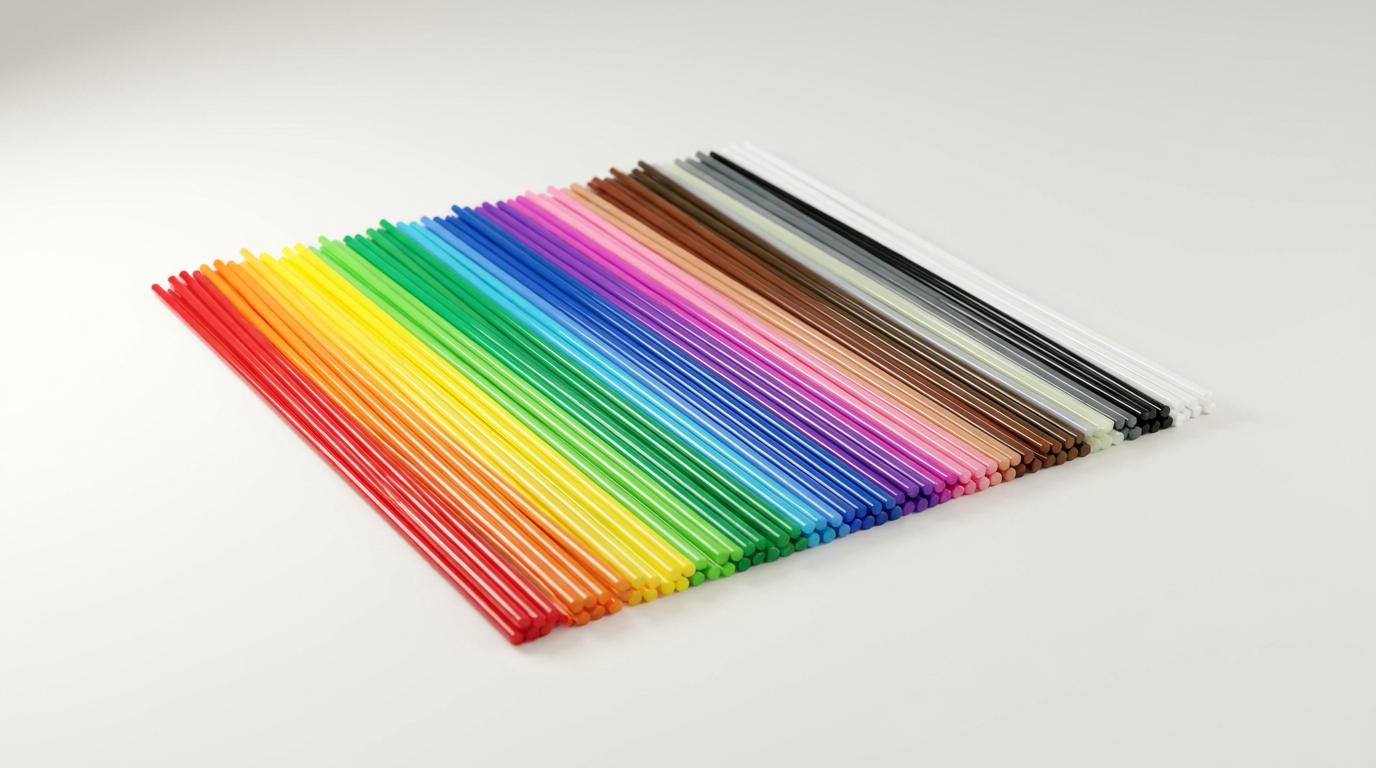
KEZIGLOW 3D Pen Filament: A Safe and Vibrant Option for Young Artists
This review is based on real experiences shared by owners in online communities.