
Popcorn Pens 3D Bubble Drawing Review: A Craft Disaster
By AValidReview. An AI-assisted summary of customer feedback, not a hands-on test.
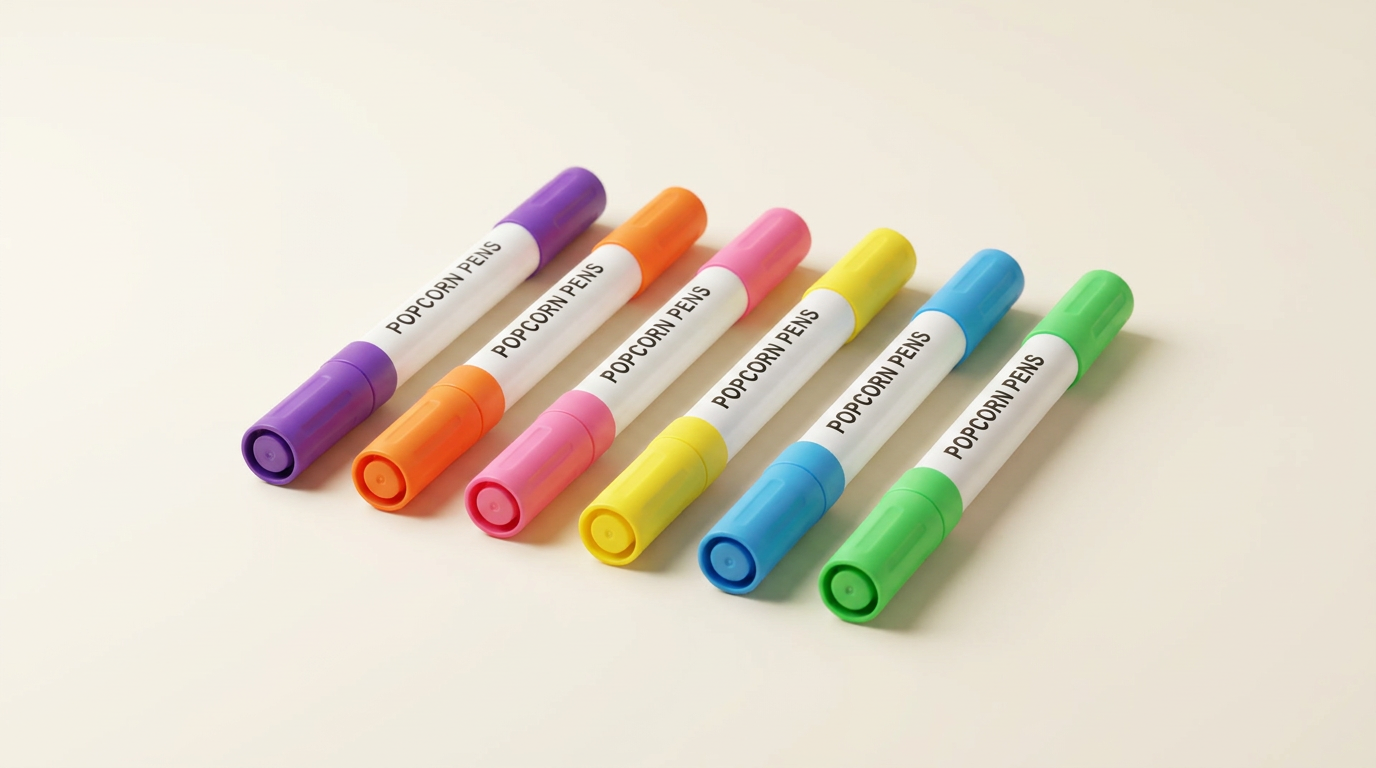
The viral craft market thrives on quick visual payoffs, and heat-activated puff pens represent the peak of this trend. Marketed as an accessible bridge between flat ink and tactile 3D drawing, these generic squeeze pens promise that a few seconds under a standard hair dryer will turn wet ink into raised, popcorn-textured foam. Yet behind that slick visual pitch lies a stark mechanical reality: when low-grade chemical novelties skip basic manufacturing tolerances, craft projects quickly turn into household hazards.
In practice, this 12-piece set reveals what happens when consumer safety and functional consistency are treated as afterthoughts. Rather than delivering an engaging sensory craft session, the product exposes buyers to the blowout threshold: a structural design flaw where an unyielding nozzle blockage causes pressurized ink to rupture violently across rooms, clothing, and skin. What is sold as a gentle afternoon activity for scrapbooks and greeting cards quickly devolves into an unmitigated cleanup nightmare.
Beneath the surface-level frustration sits an even deeper issue: the formula routinely suffers from what we call thermal fiction. Even when crafters avoid nozzle blowouts and apply direct heat as intended, the ink simply refuses to expand, sitting inert on paper until the substrate itself begins to burn. For buyers looking for dependable creative supplies, this set serves as an instructive case study in why viral craft gadgets demand extreme skepticism.
What owners love
- + Vivid base color saturation before heating
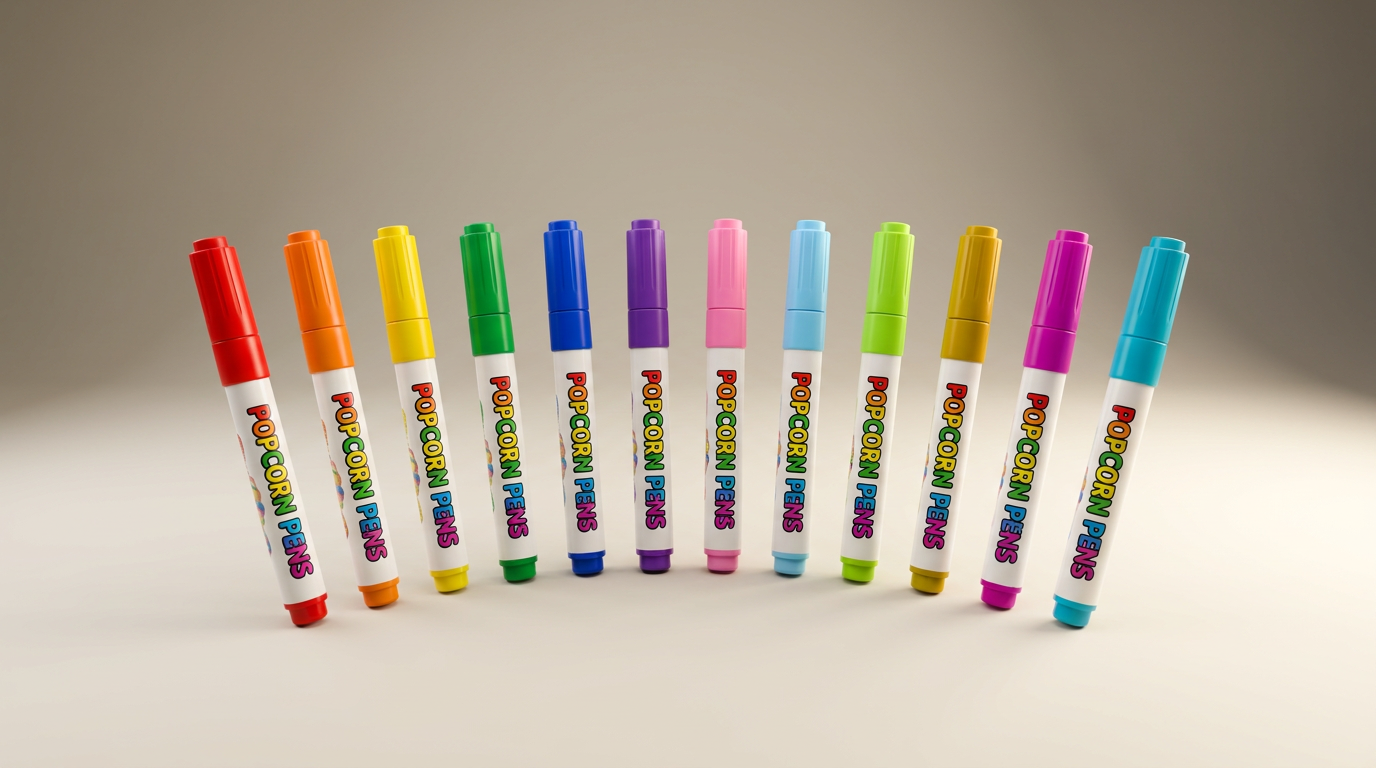
- + Dual-box packaging provides twelve total pens
- + Comfortable barrel size for adult grip
Common complaints
- − Foam reaction consistently fails to puff up under heat
- − Impassable nozzle plugs create dangerous blowout pressure
- − Pigment causes permanent, unremovable fabric stains
- − Ships with zero instructions or prep documentation
- − Prolonged heat application scorches cardstock
Design & Build
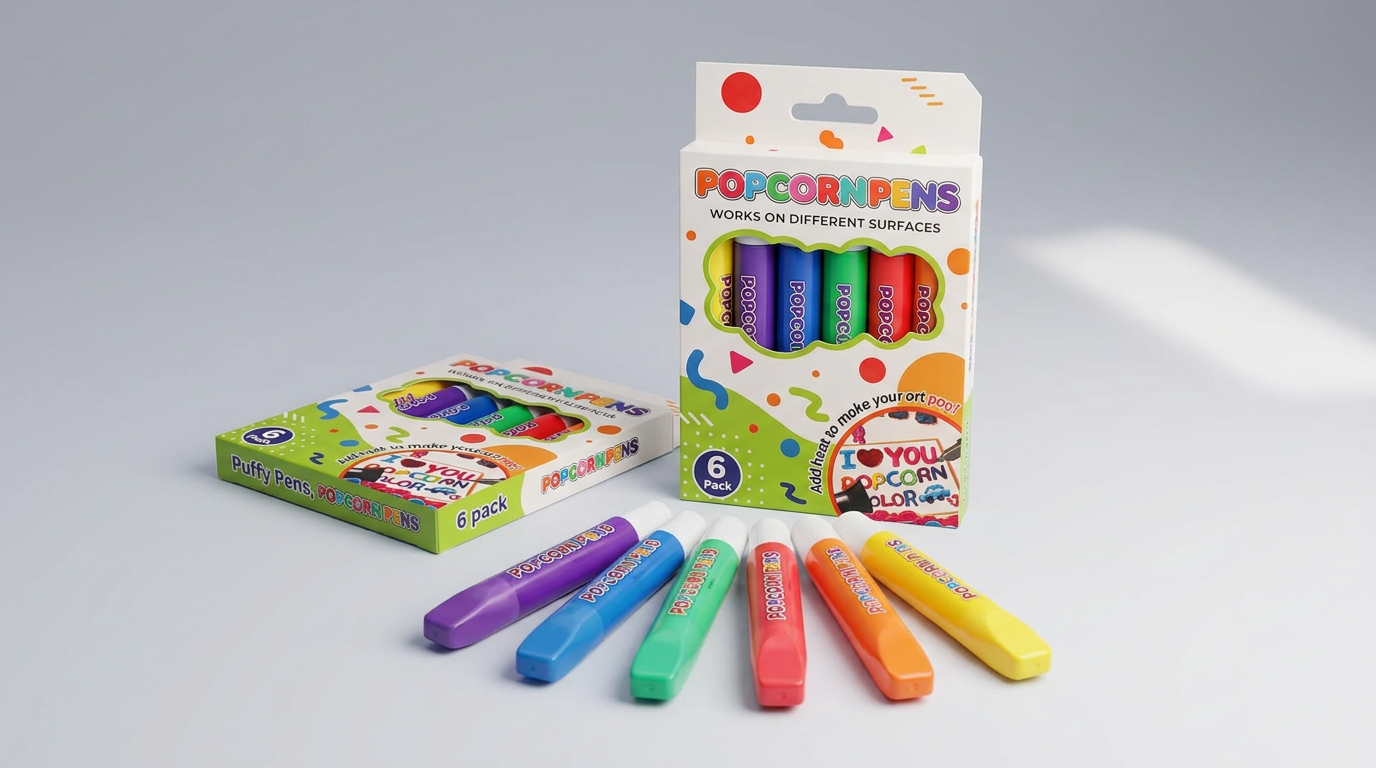
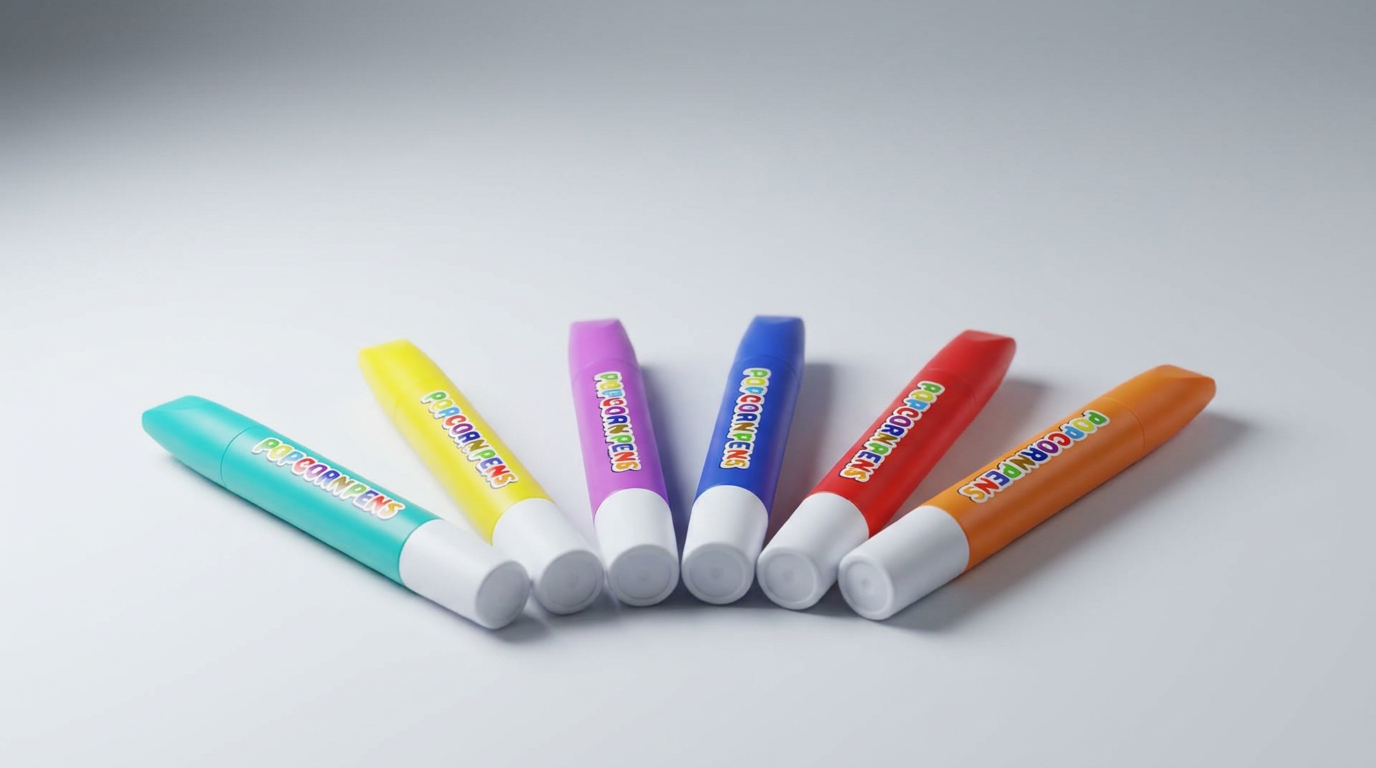
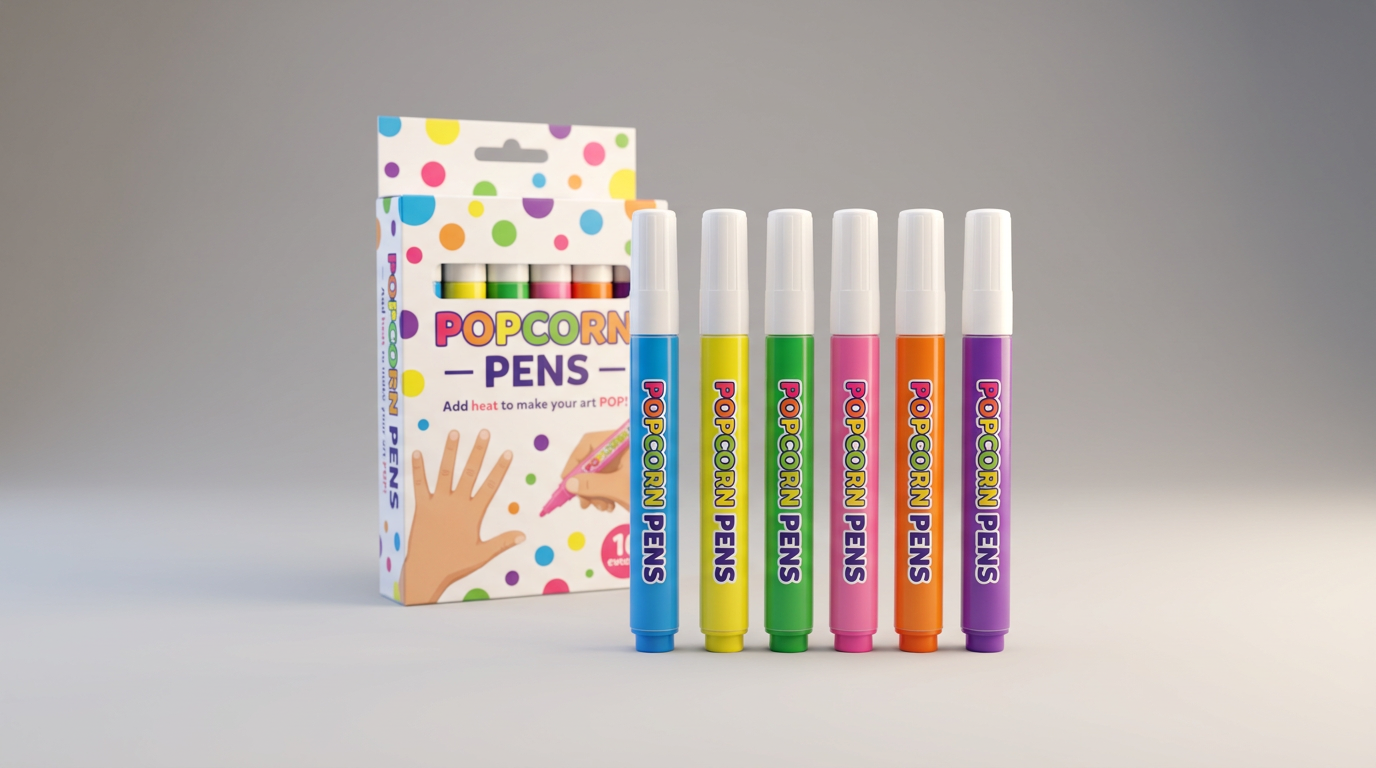
At first glance, the pens resemble standard squeeze-style paint markers with rounded barrels and color-matched caps. However, structural problems begin at the dispenser tips. The internal delivery channels are obstructed by stubborn plugs that do not clear during normal preparation. When users squeeze the flexible plastic casing to initiate ink flow against this impassable barrier, hydraulic pressure builds up behind the blockage. This flaw frequently pushes the pens past their blowout threshold, causing the tips or seams to give way and launching bursts of wet pigment across ceilings, furniture, and clothing.
Setup & Ease of Use
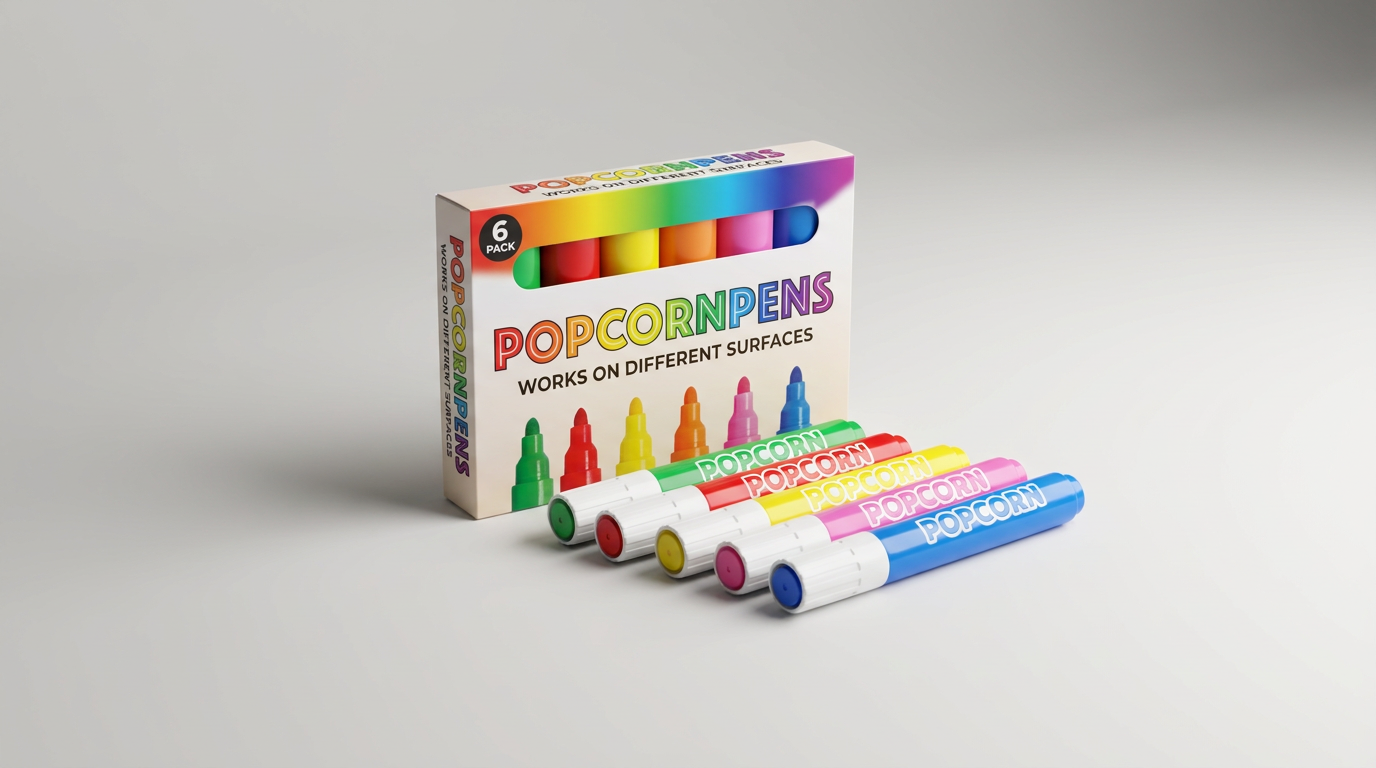
A critical failure of this kit is the complete lack of onboarding materials. The package arrives with twelve pens split across two generic boxes, offering zero guidance on nozzle clearing, recommended paper weights, or drying times. Beginners are left entirely to trial and error, forced to turn to third-party internet tutorials just to determine how to break the tip seals. This absence of instruction is particularly irresponsible given that the water-based ink contains heavy staining agents that resist commercial spot removers and standard laundry detergents.
Performance in Real Use
The core selling proposition of this product is its heat-activated expansion, yet in real-world use, that reaction rarely occurs. Crafting enthusiasts report using hair dryers on high settings for up to five minutes over wet ink with zero dimensional rise. Instead of generating a tactile, popcorn-like surface, the persistent exposure to high heat frequently curls, discolors, or scorches the underlying paper. Outside of a rare report noting bright base colors, the chemical formula fails to activate as advertised, leaving behind flat, glossy streaks that behave no better than cheap poster paint.
Software & Ecosystem
While mechanical craft tools do not rely on digital code, their viability depends heavily on their project ecosystem: printable templates, safety guidelines, and clear operating parameters. This set provides no companion materials, project booklets, or recommended heat guns. The product listing often implies an all-in-one artistic kit, leaving buyers frustrated when they unpack only loose pens with no safe starting framework. Crafters are forced to guess ink volumes, heat distances, and drying thresholds, compounding the likelihood of ruined projects.
Value & Reliability
Priced in the $20 to $25 range, this set carries an unacceptable risk-to-reward ratio. Craft supplies should not pose a threat to clothing, carpeting, or user safety. When factoring in the collateral cost of permanently ruined garments, stained household surfaces, and scorched scrapbooks, the financial equation collapses completely. The combination of defective thermal chemistry and high-pressure nozzle failure makes the bundle an unreliable gamble rather than a budget-friendly creative outlet.
Verdict
Stay Away - Hazardous nozzle plugs, permanent pigment stains, and an inert chemical formula make this set an absolute failure.
No crafter, parent, or hobbyist should purchase this product. If you require dimensional artwork, invest in proven dimensional fabric paints from established art supply brands or step up to an entry-level thermal 3D printing pen with active temperature regulation.
This product is a textbook example of cosmetic imitation masquerading as functional craft chemistry. When a tool fails its only advertised mechanical reaction and introduces genuine mess hazards to your home, it ceases to be a craft supply and becomes disposable plastic waste.
FAQ
More 3D Printing Pens reviews
This review is based on real experiences shared by owners in online communities.