
Magic Popcorn 3D Relief Art Pen Review
By AValidReview. An AI-assisted summary of customer feedback, not a hands-on test.
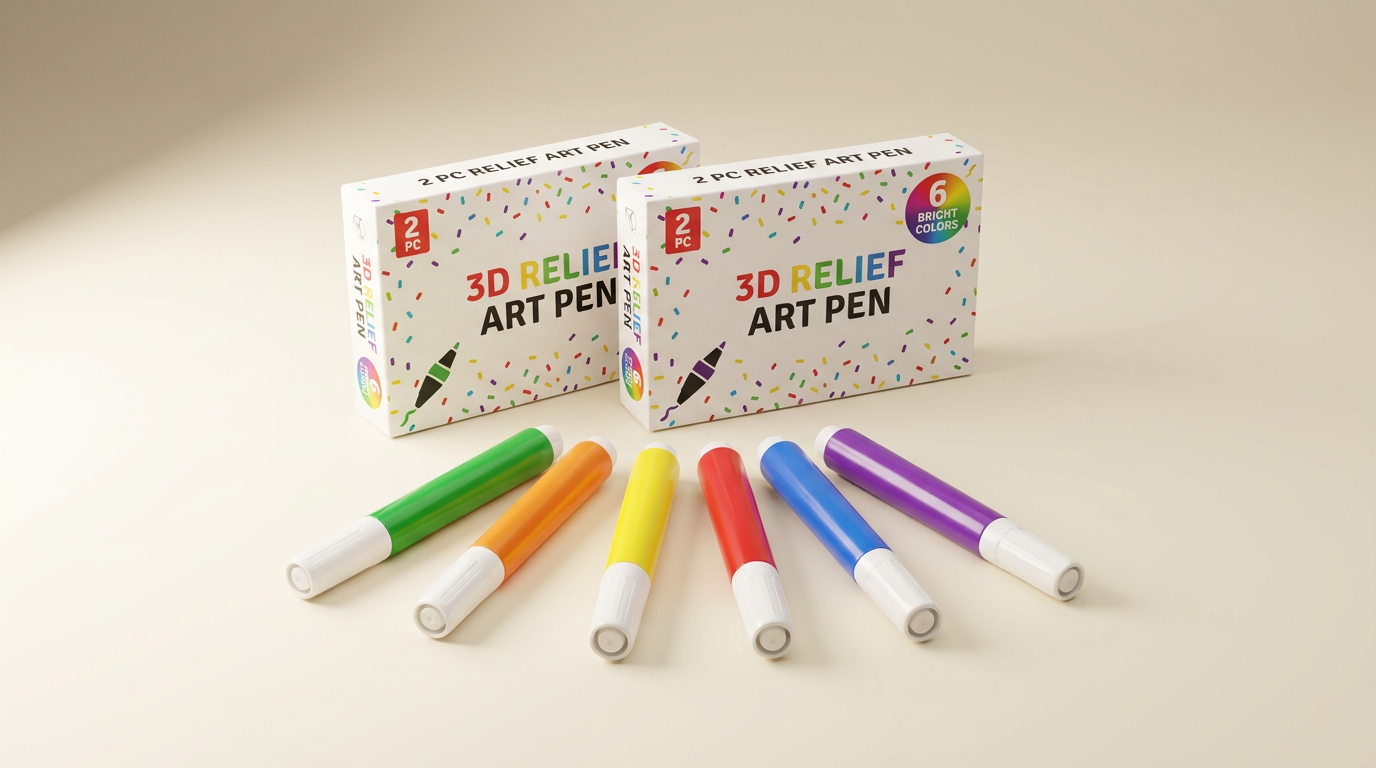
Algorithmic search indexing has created strange bedfellows, and the Magic Popcorn 3D Relief Art Pen is a prime example. Categorized alongside motorized additive manufacturing pens and technical filament tools, this product is actually an analog chemical craft supply. Instead of melting ABS plastic through an electric nozzle, it relies on water-based foam paste that theoretically expands when heated with a standard hair dryer. It promises to elevate ordinary children's coloring into a tactile, popcorn-textured sculpture.
That promised transformation introduces what we call the thermal activation gamble. When heat, application thickness, and surface material align, the effect delivers immediate delight to young creators. When those variables drift out of balance, the ink simply dries flat, leaving behind a dull, unreactive residue that fails its singular marketing claim.
For parents and craft hobbyists looking for a quick, low-cost creative activity, the appeal is obvious. Yet buying this kit requires understanding that it is closer to a kitchen-table chemistry project than a turnkey art tool, demanding patience and specific technique that generic packaging rarely explains.
What owners love
- + Engaging tactile expansion when properly activated by heat
- + Bright, high-saturation neon color palette
- + Safe alternative to high-temperature molten plastic 3D pens
- + High novelty value that captivates young children
Common complaints
- − Highly temperamental puffing reaction that can fail entirely
- − Mandates adult supervision due to external heat requirements
- − Misleadingly categorized as an electronic 3D printing tool
Design & Build
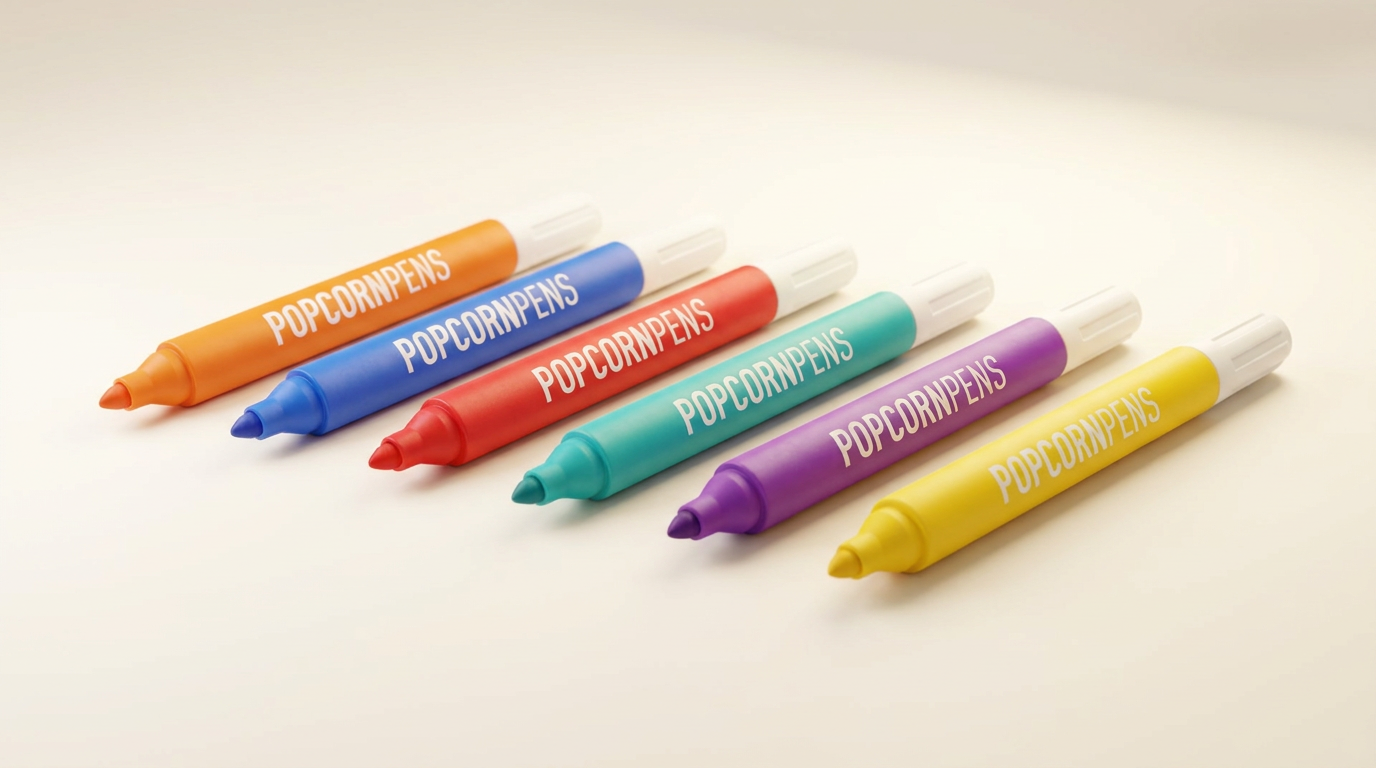
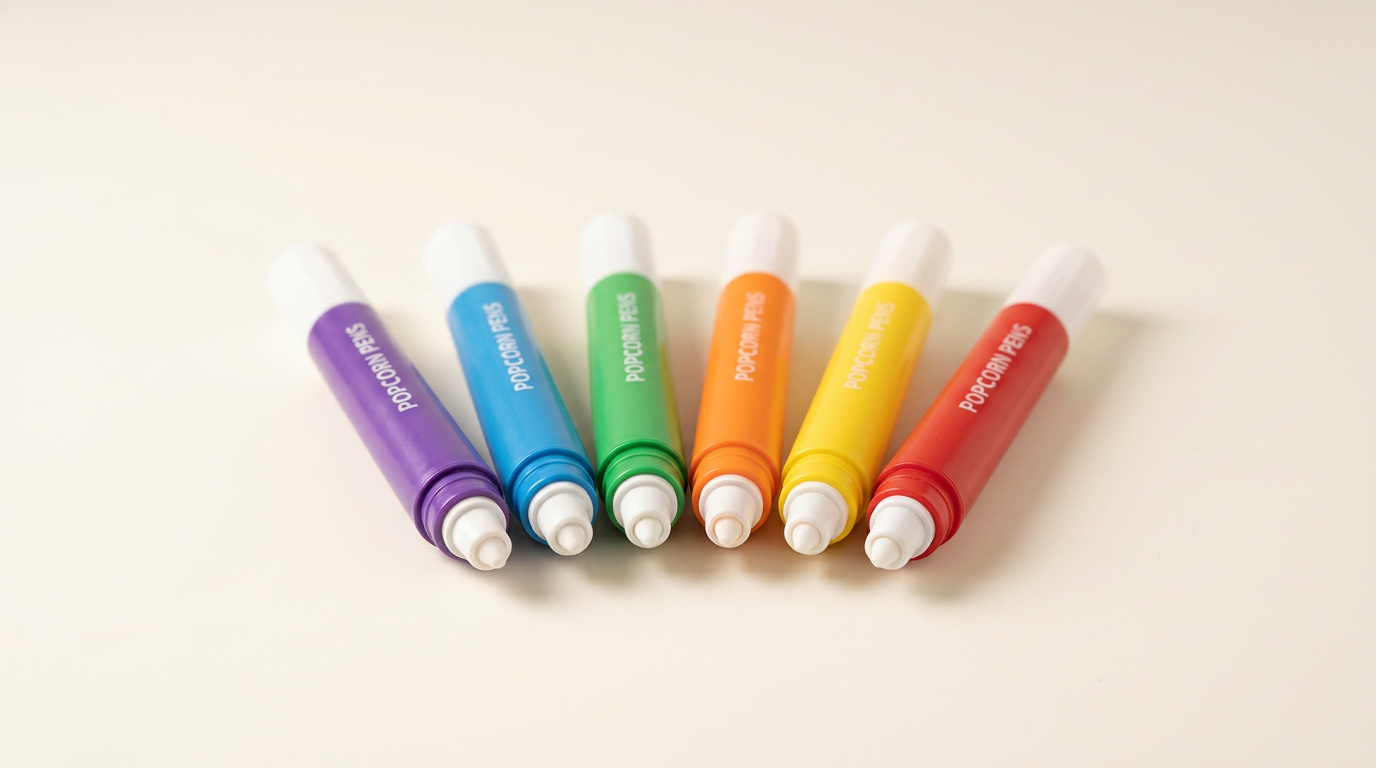
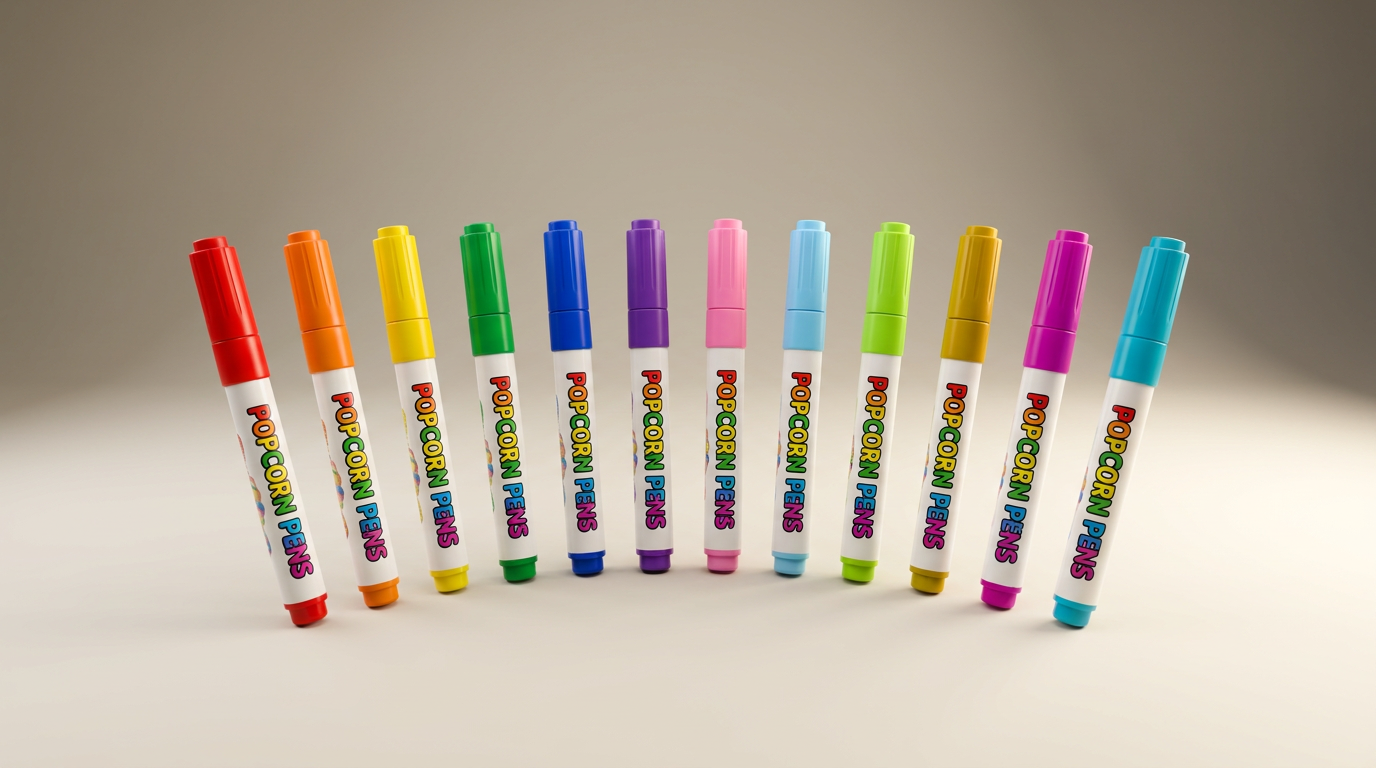
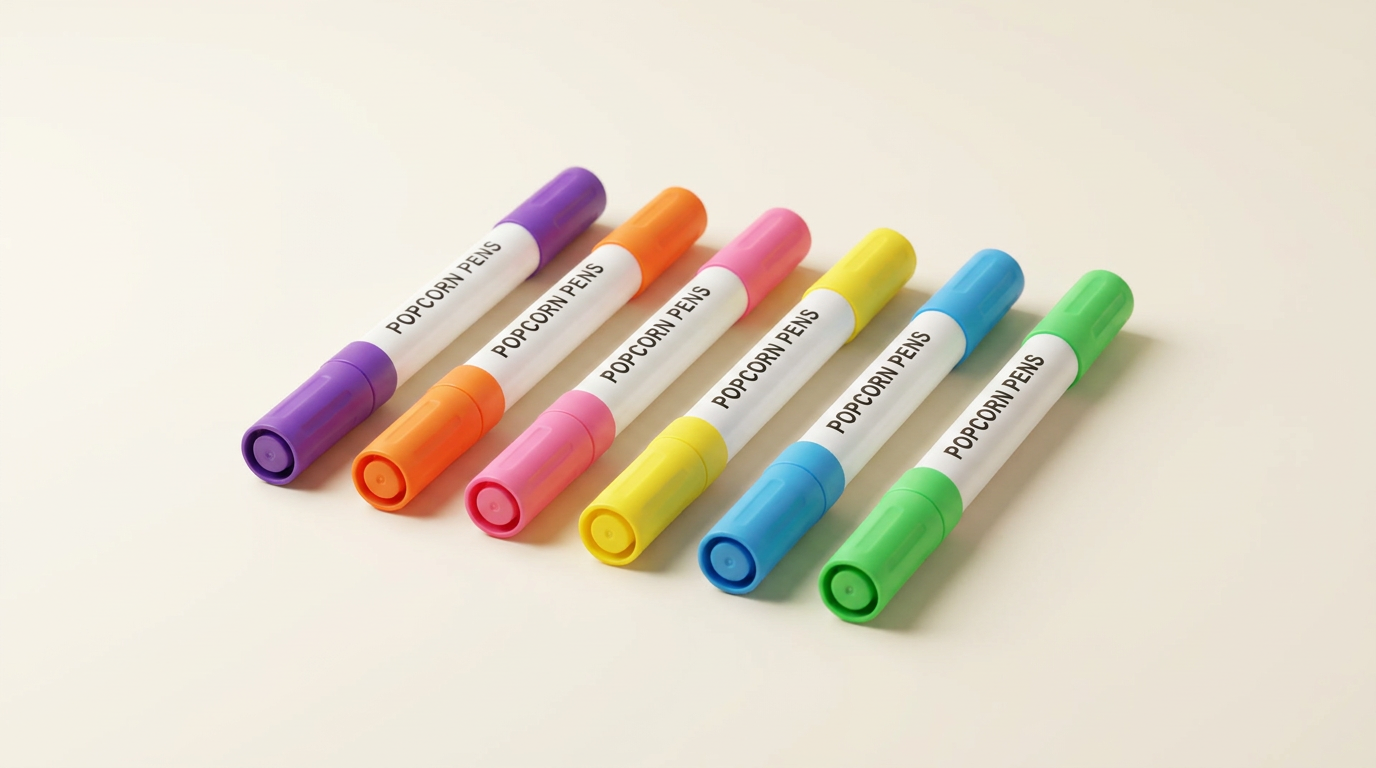
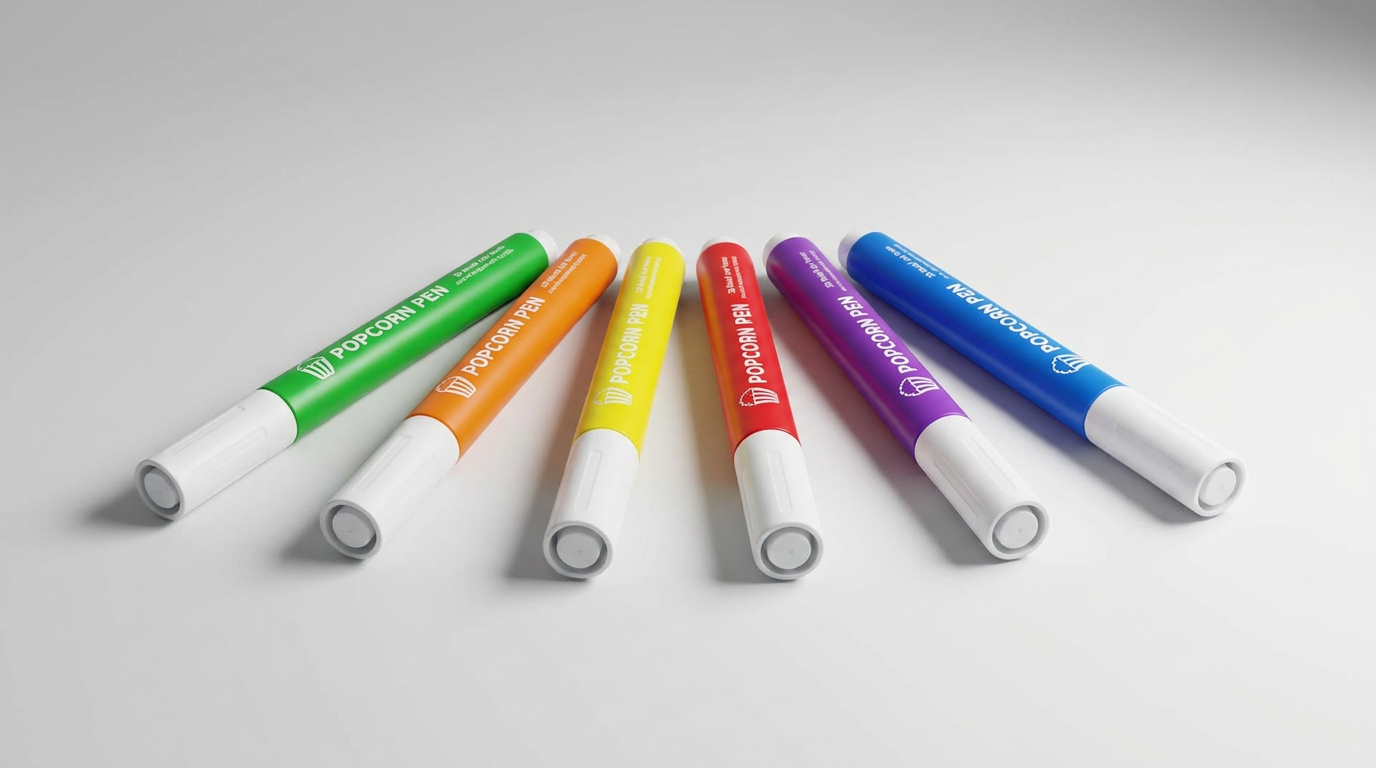
The kit consists of compact squeeze pens housing neon-tinted reactive paste. The fine-point applicator nib is designed to deposit distinct, unbroken lines across varied media, from common construction paper to cardstock. Because the physical structure contains no motorized components, heating elements, or electronics, durability rests entirely on the integrity of the plastic tube and cap seal. Squeezing requires modest hand strength, making it accessible for elementary-age children. However, regulating line thickness can be difficult for smaller hands, which directly influences whether the ink expands properly later.
Setup & Ease of Use
Getting started is as simple as uncapping the pen and applying the liquid paste onto a flat surface. The real friction begins during the second phase: thermal curing. Unlike conventional markers, the drawing process is only half the workflow. Users must dry the wet ink using an external household hair dryer or craft heat tool held close to the paper for roughly two minutes. This requirement breaks the independent creative loop for younger kids, immediately necessitating adult intervention to operate high-wattage heating appliances safely.
Performance in Real Use
Real-world testing reveals a sharp split in customer satisfaction, centering entirely on whether the expansion reaction triggers. Multiple owners report that children were captivated as flat lines swelled into puffy, textured ridges under warm air. Conversely, dissatisfied buyers encounter a total failure mode where the formulation fails to puff up at all. This inconsistency stems from a narrow thermal activation threshold. If the ink layer is laid down too thin, the moisture evaporates before the foaming agent can lift; if the heat source lacks sufficient wattage or is held too far away, the chemical process stalls, leaving flat, gummy lines.
Software & Ecosystem
While listed under additive manufacturing categories, this product possesses no software, companion apps, or digital ecosystem. Its actual working ecosystem consists of your household craft drawer and bathroom closet. The pen depends completely on third-party heating hardware. Standard low-velocity travel hair dryers often struggle to output the concentrated thermal envelope needed to boil the blowing agent inside the ink. A craft heat gun yields far more reliable dimensional pop, yet introducing a 300-degree industrial tool to a children's craft project introduces safety trade-offs that undermine its casual appeal.
Value & Reliability
Selling in the budget tier under $20, the kit functions primarily as an impulse purchase. When judged against dedicated electric 3D printing pens that cost significantly more, it provides a messier but far cheaper way to create textured art. However, reliability is compromised by formulation volatility and the lack of clear instructions regarding heat intensity. If the pens deliver flat drawings, value collapses to zero because standard markers cost less and write more predictably.
Verdict
Consider - A cheap, novel craft supply that delights kids when it works, but risks total disappointment due to finicky heat requirements.
This kit is best suited for patient parents and educators who do not mind managing a high-heat hair dryer to oversee a quick, tactile science-art hybrid. It is an affordable stocking stuffer or rainy-day project where process matters more than precision. Anyone expecting an actual electronic 3D extrusion pen, or parents seeking an independent, mess-free craft that toddlers can run on their own, should pass.
Ultimately, this product exposes the gap between algorithmic catalog promises and physical chemistry. It is not an additive manufacturing tool, but a volatile foam craft that trades foolproof reliability for a brief moment of kitchen-table magic.
FAQ
More 3D Printing Pens reviews
This review is based on real experiences shared by owners in online communities.