
Topacme 6PCS Popcorn Pens Review: Fails to Pop
By AValidReview. An AI-assisted summary of customer feedback, not a hands-on test.
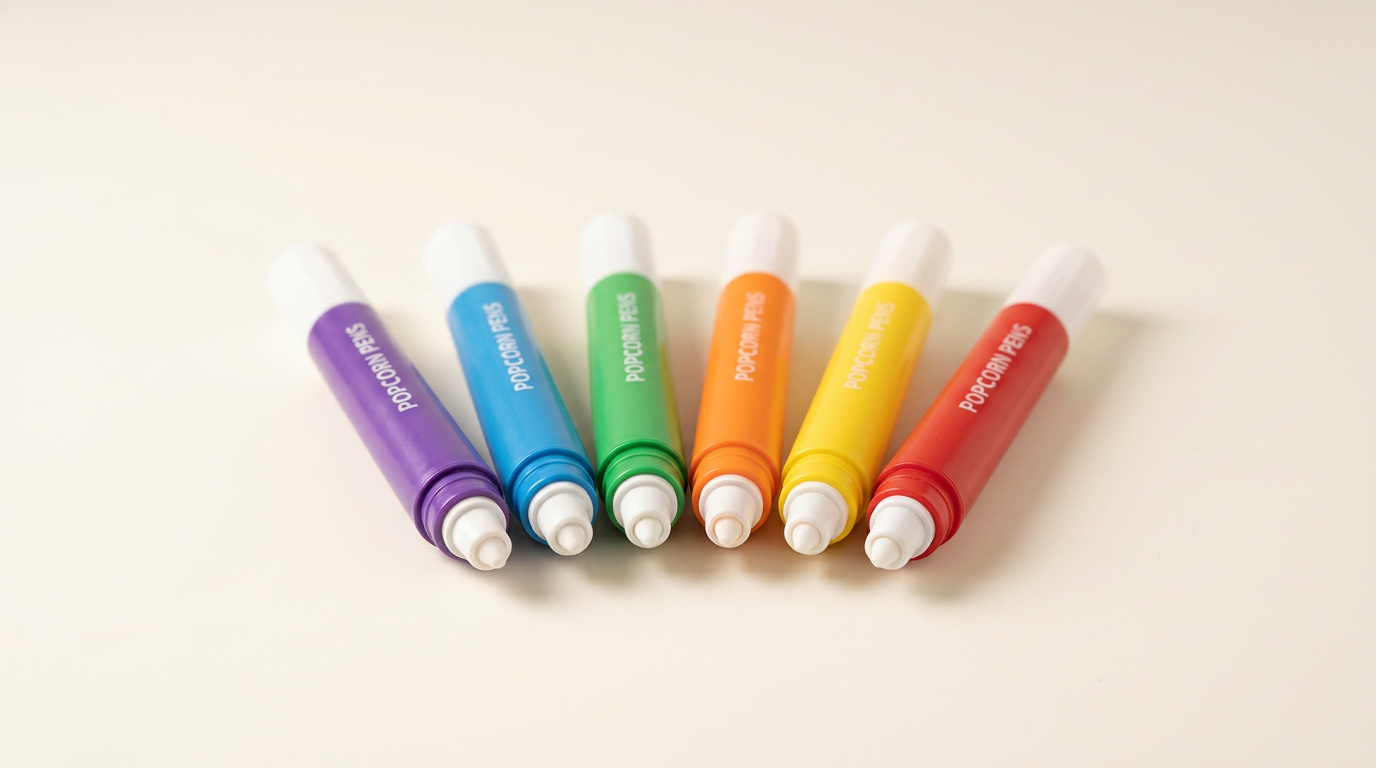
The modern novelty craft market thrives on short-form video demonstrations where flat ink magically expands into pillowy, tactile relief. The Topacme 6PCS Popcorn Pens trade heavily on this exact illusion. Marketed as heat-puffed 3D drawing pens capable of transforming ordinary greeting cards into raised textured artwork, they promise instant gratification using nothing more than wet ink and an everyday bathroom hair dryer.
In practice, these pens suffer from what we call the Thermal Deficit: the wide, unbridgeable gulf between the heat a consumer hair dryer safely outputs and the concentrated thermal energy required to activate the micro-encapsulated blowing agents in the paint. Rather than a tidy creative activity, owners consistently encounter an exercise in frustration that leaves paper soggy, hands fatigued, and expectations completely unmet.
What makes this product particularly cynical is its ergonomic misdirection. While pitched as a family-friendly DIY activity suitable for scrapbooking and kids crafts, the stiff plastic delivery tubes demand hand strength that small children simply do not possess. Before the heating stage even begins, the core mechanism of the product already begins to break down.
What owners love
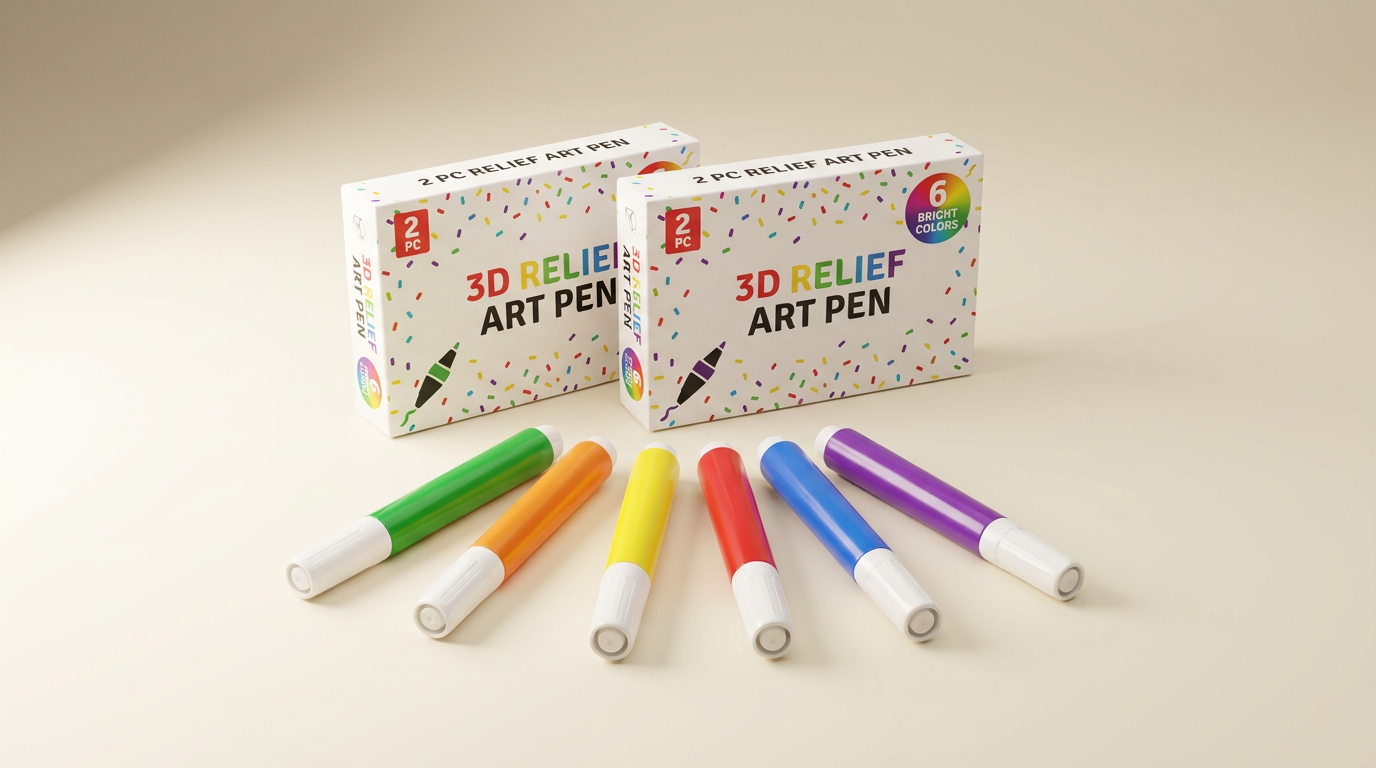
- + Compact six-color variety pack
- + Water-soluble ink rinses clean from skin
- + Low barrier to entry in the under-$15 tier
- + Tight snap-on caps prevent immediate tip dryout
Common complaints
- − Ink consistently fails to puff using standard household hair dryers
- − Plastic tubes are far too rigid for young children to squeeze
- − Excessively long liquid dry times lead to messy smears
- − Actual ink volume is noticeably smaller than promotional images suggest
Design & Build
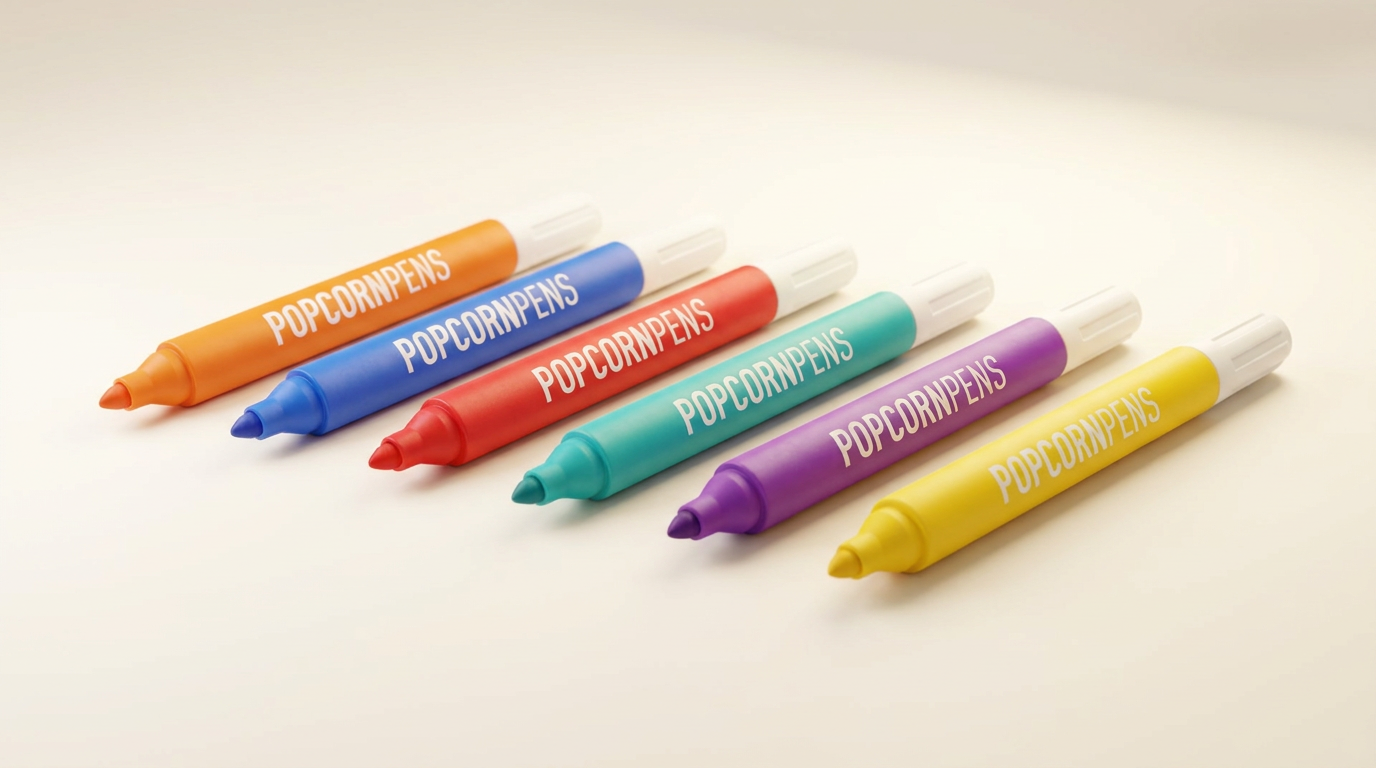
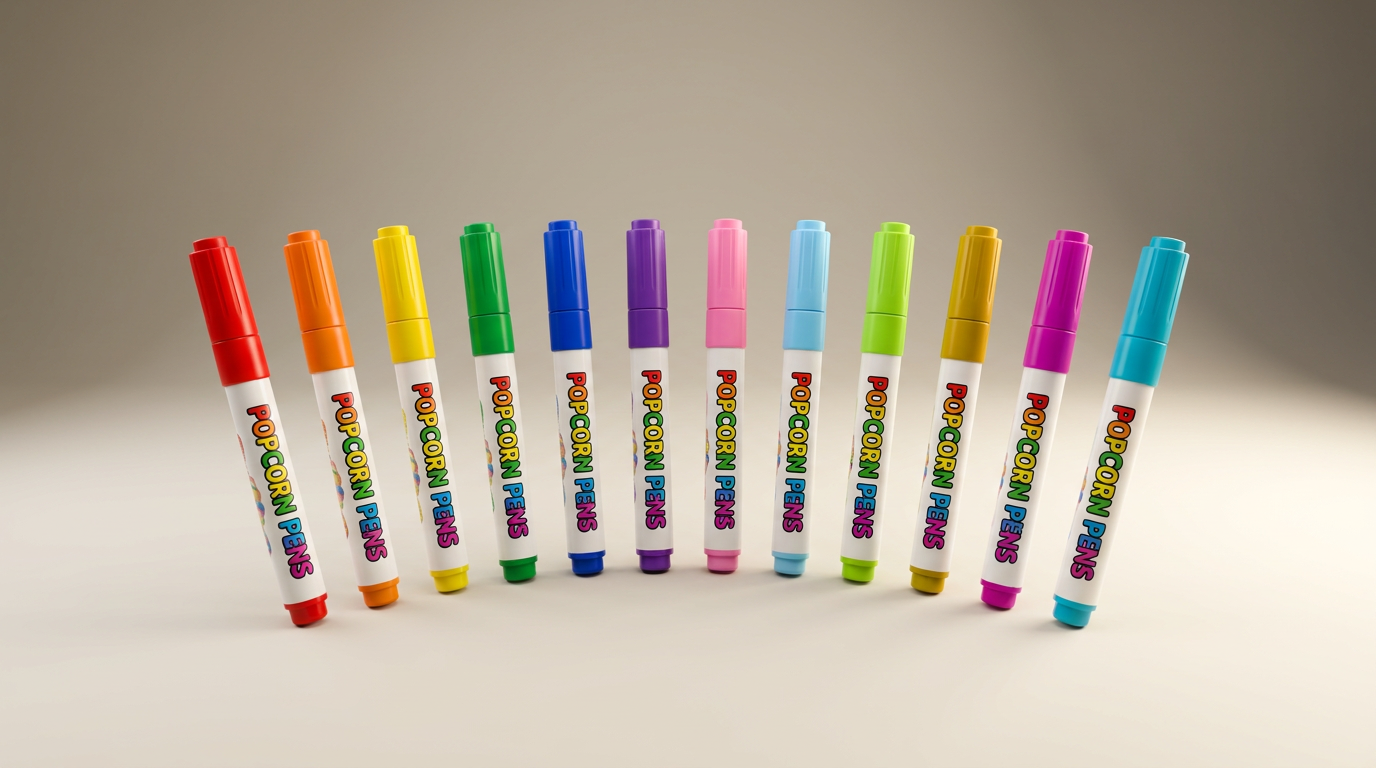
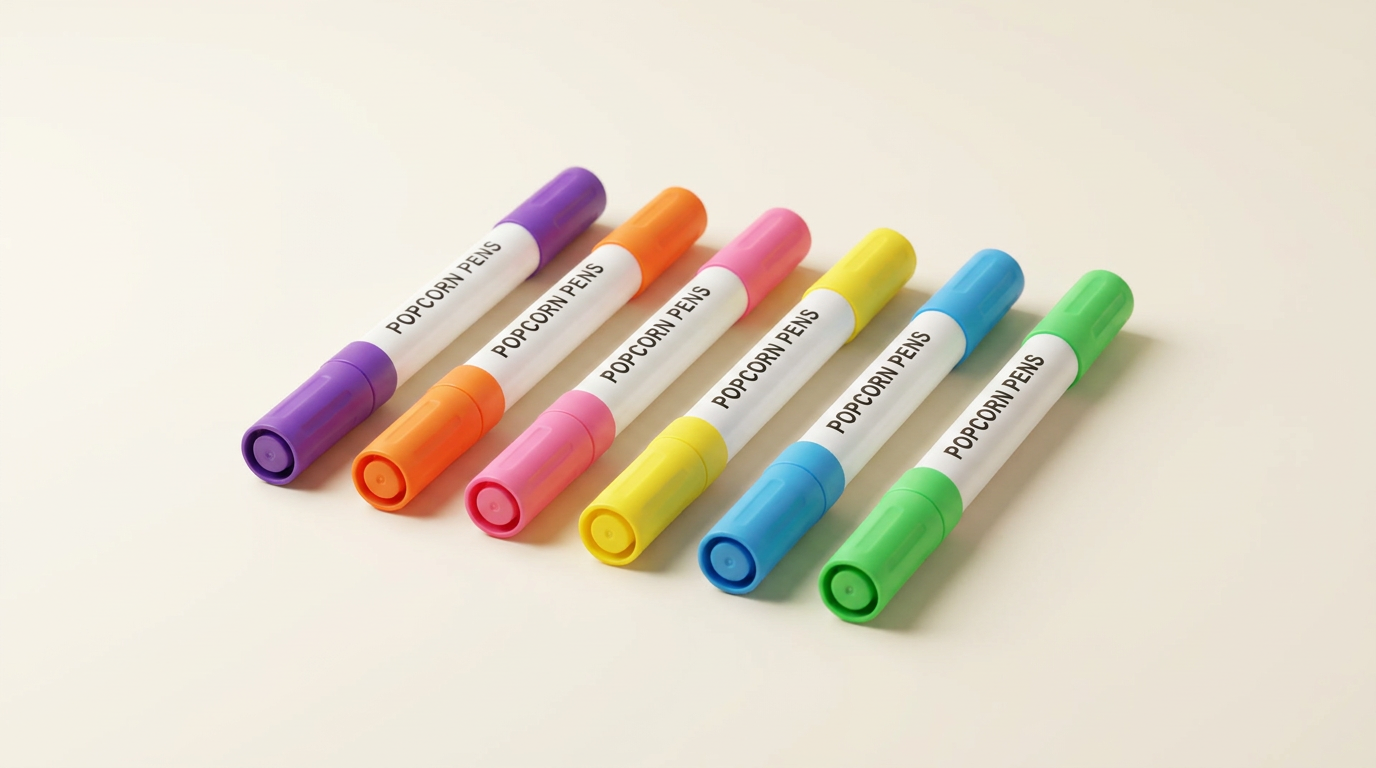
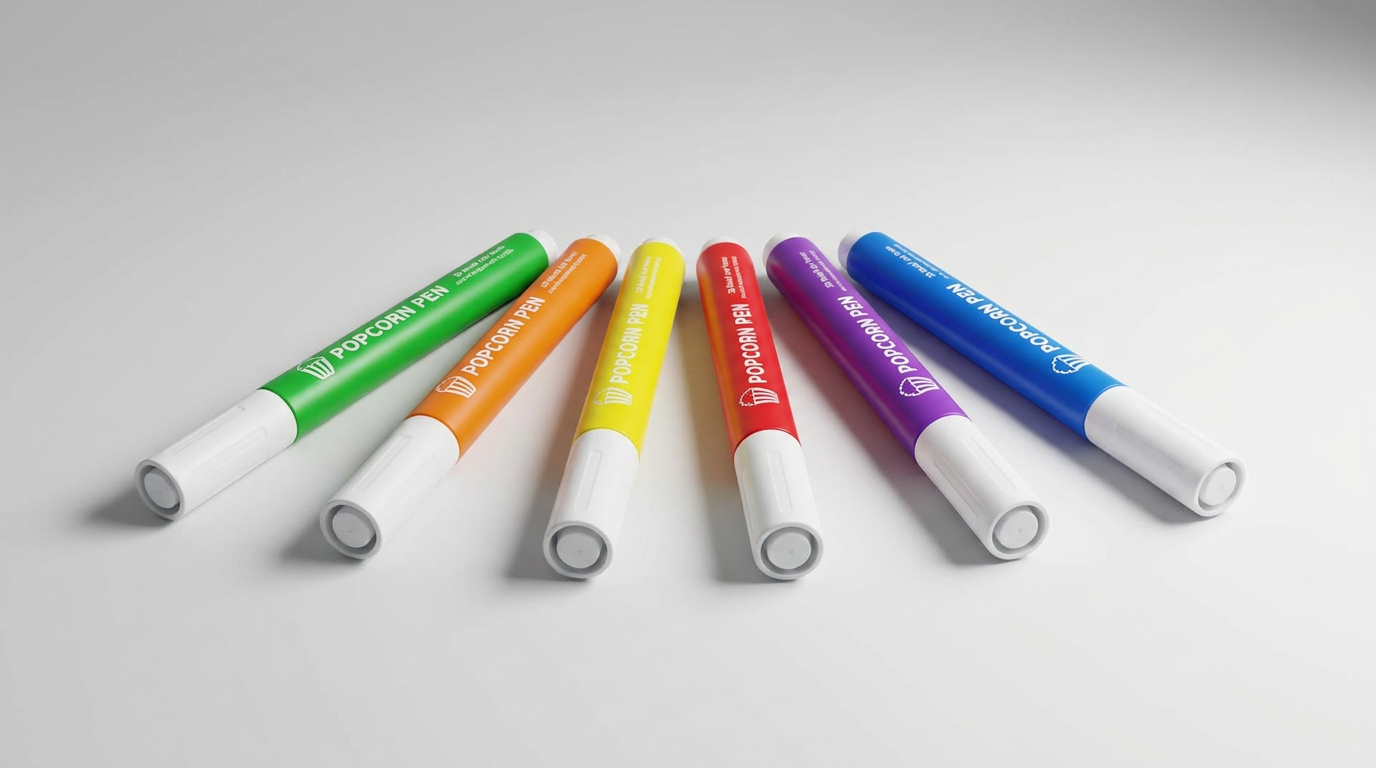
At first glance, the Topacme pens resemble miniature decorator tubes rather than traditional writing instruments. Each pen consists of a semi-pliable plastic barrel capped with a removable fine nozzle and an inner plug intended to preserve moisture. However, the manufacturing tolerance of the plastic casing is entirely wrong for a craft product aimed at young users. The barrel material exhibits excessive hoop stiffness, requiring sustained thumb and finger pressure just to dispense a continuous line. Multiple owners report that little hands find the pens virtually impossible to depress without adult intervention. Furthermore, the visual volume is deceptive. Despite marketing photos suggesting substantial marker bodies, the actual usable pigment reservoir inside each tube is minuscule, yielding only a handful of small card designs before running dry.
Setup & Ease of Use
Getting started requires pulling the outer cap, unscrewing the fine nozzle, and clearing the protective inner seal. Once primed, the application process exposes another major design flaw: inconsistent viscous flow. Squeezing yields uneven blotches rather than crisp linework, as users must alternate between heavy force and sudden release. For children, this dynamic almost guarantees accidental deposits of thick paint puddles. Cleanup is relatively straightforward because the water-based suspension rinses away from skin with mild soap, but that is where the convenience ends. The workflow assumes that a child can draw, set down the pen, and immediately pick up a blow dryer. In reality, the physical effort required to extrude the ink exhausts young users before the activation step even arrives.
Performance in Real Use
The primary selling point of the Topacme pens is the thermal expansion, and this is where the product completely collapses. The instructions promise that hot air from a hair dryer will inflate the flat pigment into soft, fluffy popcorn textures. In real-world testing by frustrated buyers, standard blow dryers achieve almost nothing. Owners report aiming hair dryers at their drawings on high heat for minutes at a time only to watch the ink sit flat or ripple from the forceful airflow. Without the concentrated, stationary thermal output of an industrial embossing tool, the chemical reaction stalls. Worse still, the wet ink takes an agonizingly long time to air dry on its own. Instead of neat 3D greeting cards, users are left with runny, easily smeared liquid that stains surrounding paper stock, prompting many households to toss finished projects directly into the trash.
Software & Ecosystem
While listed in technical retail categories alongside additive manufacturing and 3D printing equipment, these pens contain zero electronics, firmware, or mechanical components. This is a textbook example of category drift, where low-cost craft consumables exploit high-tech search terms to capture confused gift buyers. Within the broader craft ecosystem, expanding inks rely on specialized support equipment that the manufacturer fails to specify. To achieve any foaming effect whatsoever, crafters typically need a dedicated 300-watt craft heat gun held mere inches from heavy cardstock. By marketing the product as compatible with standard hair styling appliances, the brand sets users up for failure, as high-velocity bathroom dryers blow wet paint across the page long before reaching activating temperatures.
Value & Reliability
Priced well under fifteen dollars, the Topacme six-pack appears to be an impulse-friendly afternoon distraction. Yet true value is measured by utility, not low acquisition cost. When a single-purpose craft supply fails its solitary defining function, any expenditure represents pure waste. Long-term reliability is nonexistent; several buyers note throwing the entire package away on day one after realizing the pens neither dispense easily nor expand upon heating. Even as standard liquid paint markers, their tiny volume and stiff ergonomic profile make them inferior to basic tempera or glitter glue tubes found in any school supply aisle.
Verdict
Stay Away - These pens fail to deliver their signature foaming effect with standard home tools while proving far too stiff for children to squeeze.
There is no viable audience for this product in its current form. Parents looking for an engaging weekend project with young children will encounter tired hands, messy wet pigment, and complete disappointment when the hair dryer does nothing. Experienced cardmakers and papercrafters who already own high-temperature embossing heat guns should still steer clear, as professional embossing powders and dimensional paints provide vastly superior control and pigmentation.
What buyers are truly purchasing here is a manufactured novelty loophole. By relying on consumer assumptions that a hair dryer provides sufficient heat for chemical foaming, the Topacme Popcorn Pens offload the blame for poor results onto the buyer's home appliances rather than admitting to an unworkable chemical formulation.
FAQ
More 3D Printing Pens reviews
This review is based on real experiences shared by owners in online communities.