
NIEFARG 3D Magic Popcorn Pens Review: Flat Results
By AValidReview. An AI-assisted summary of customer feedback, not a hands-on test.
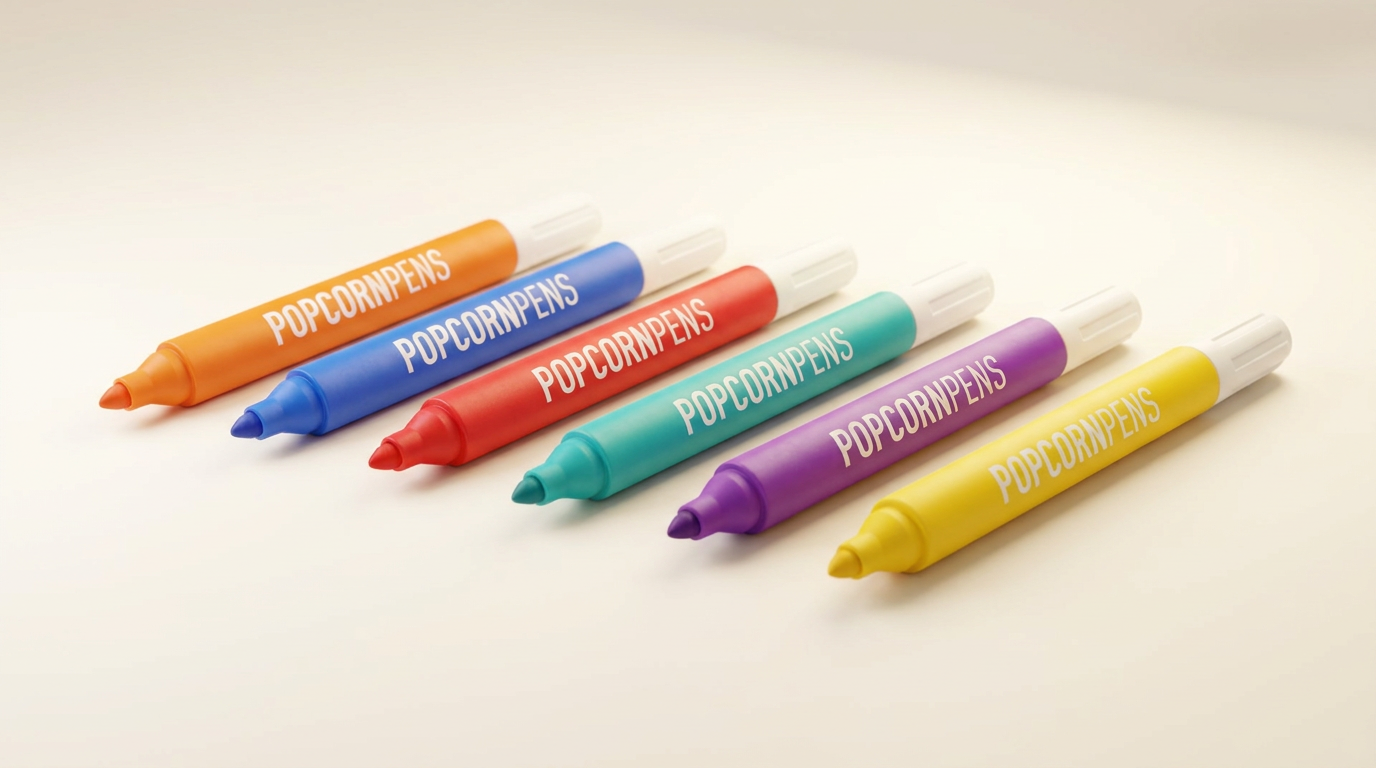
The modern craft aisle is increasingly crowded with novelties masquerading as high-tech tools. The NIEFARG Magic Popcorn Pens exemplify what happens when a basic chemical novelty is shoehorned into the additive manufacturing space. Marketed alongside genuine extrusion pens, this product relies on thermal expansion ink designed to blister into a tactile, three-dimensional foam when subjected to a hair dryer or heat gun. It promises young crafters the tactile joy of 3D printing without heated nozzles or plastic filament.
In practice, that promise collapses under the reality of poor chemical formulation and flimsy hardware. Rather than delivering an engaging craft session, these markers introduce what we call the thermal activation trap: a frustrating cycle where wet fluid bleeds straight through standard sketch paper, only to sit inert and completely flat when heat is applied. The failure rate is not an edge case; it is the defining characteristic of the experience.
Beyond the performance shortcomings, the packaging compromises user safety and cleanliness. With cheap seals prone to pressure imbalances, the product introduces immediate mess before a tip even touches paper. For anyone seeking a genuine volumetric art experience, these pens demonstrate that low-friction craft tech often creates more cleanup than creative output.
What owners love
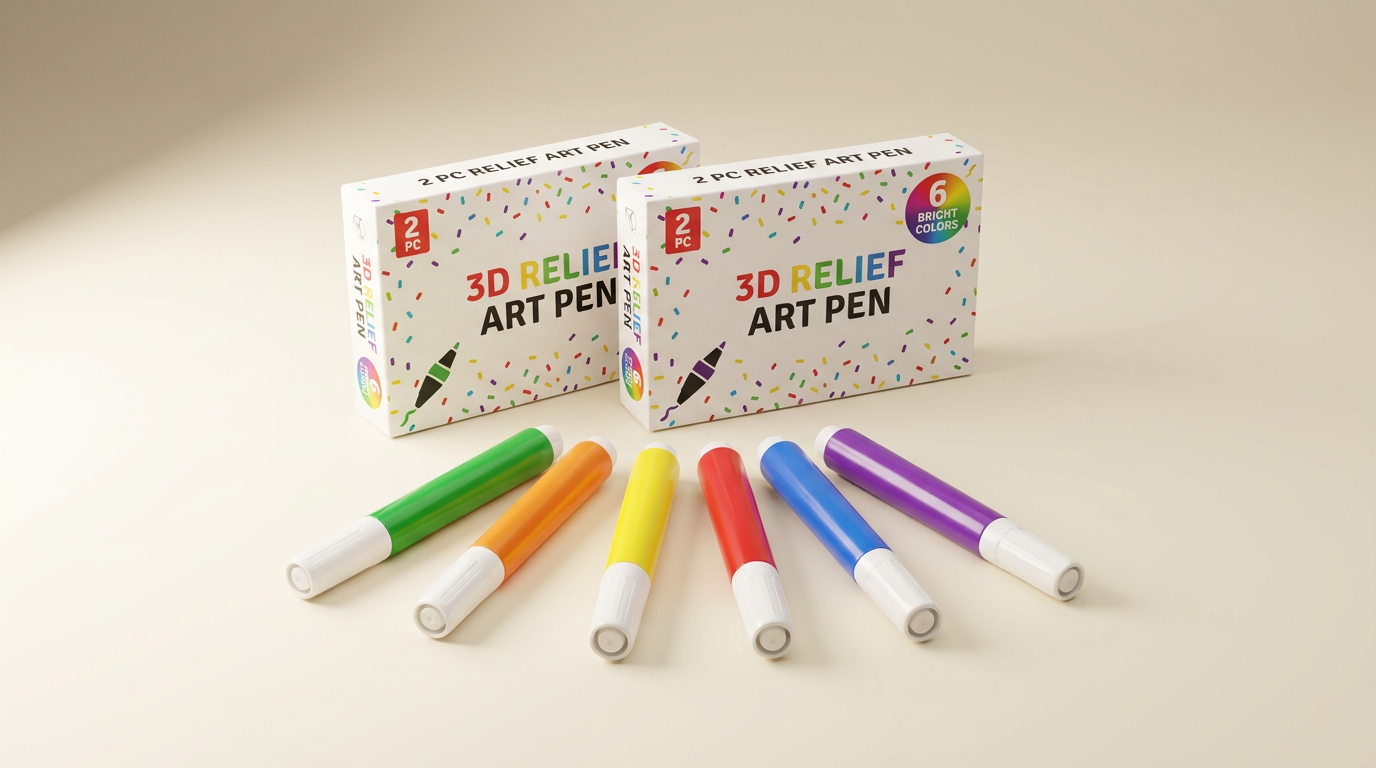
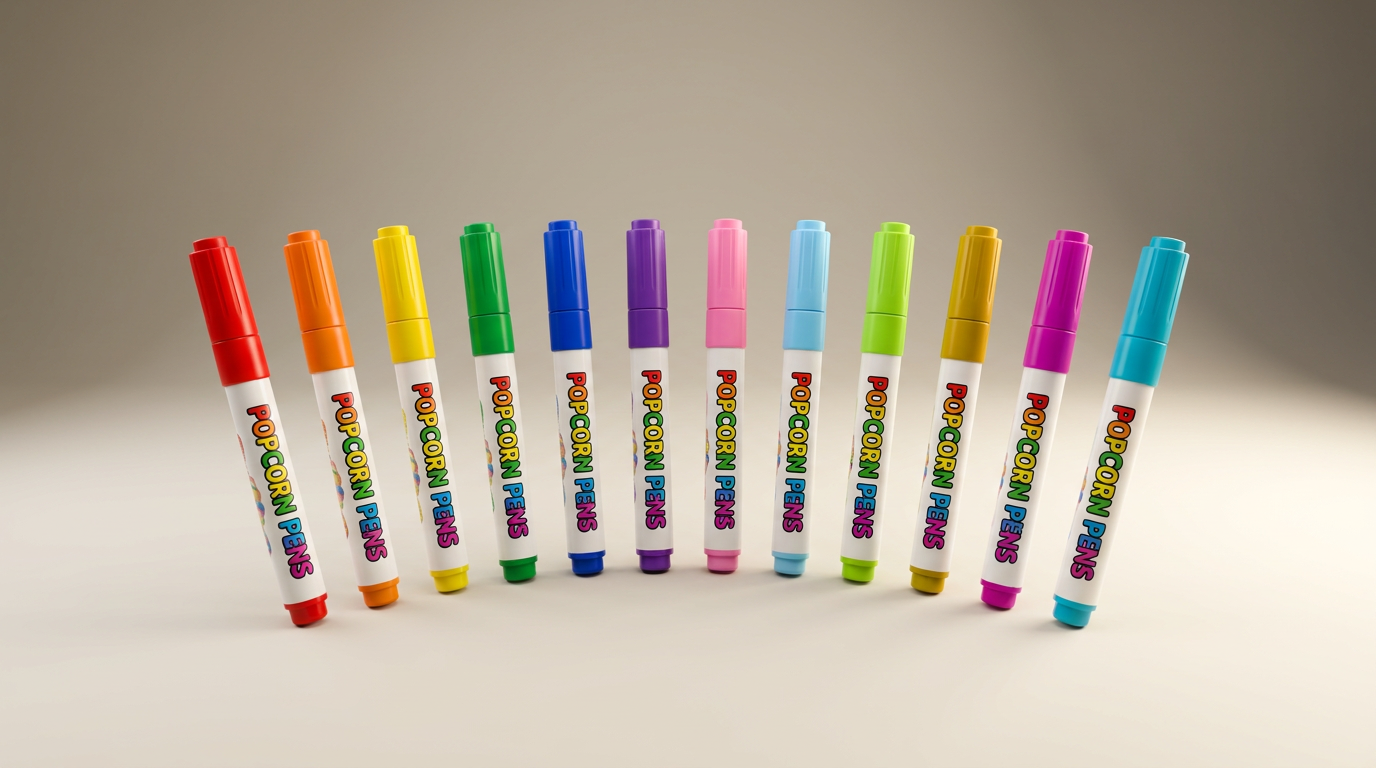
- + Six distinct colors included in the package
- + Lightweight barrel design suitable for small hands
- + Requires no batteries, cables, or proprietary chargers
- + Simple uncapping mechanism with no mechanical learning curve
Common complaints
- − Fails to puff up or rise when exposed to heat
- − Formulation bleeds heavily through standard craft paper
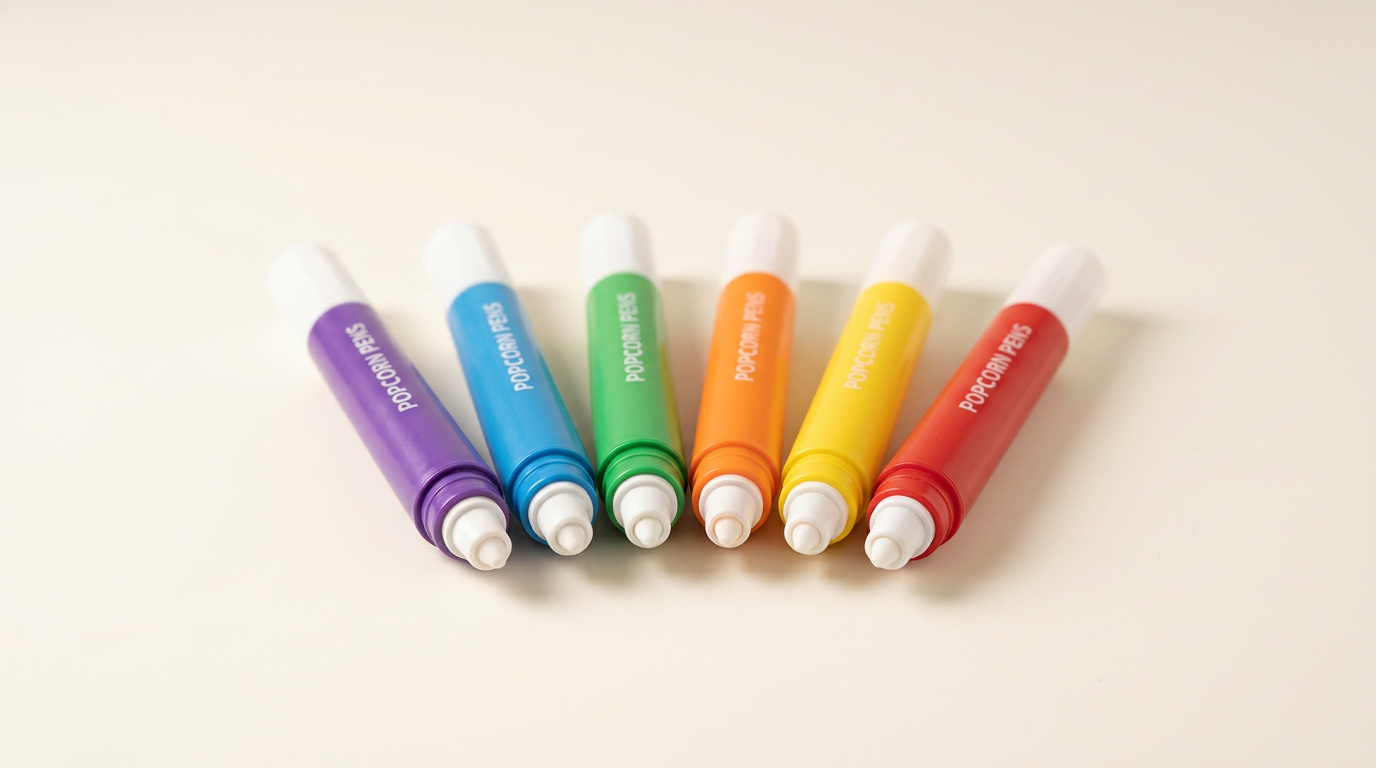
- − Unsealed barrels can burst open upon uncapping
- − Noticeably low liquid volume per pen
Design & Build
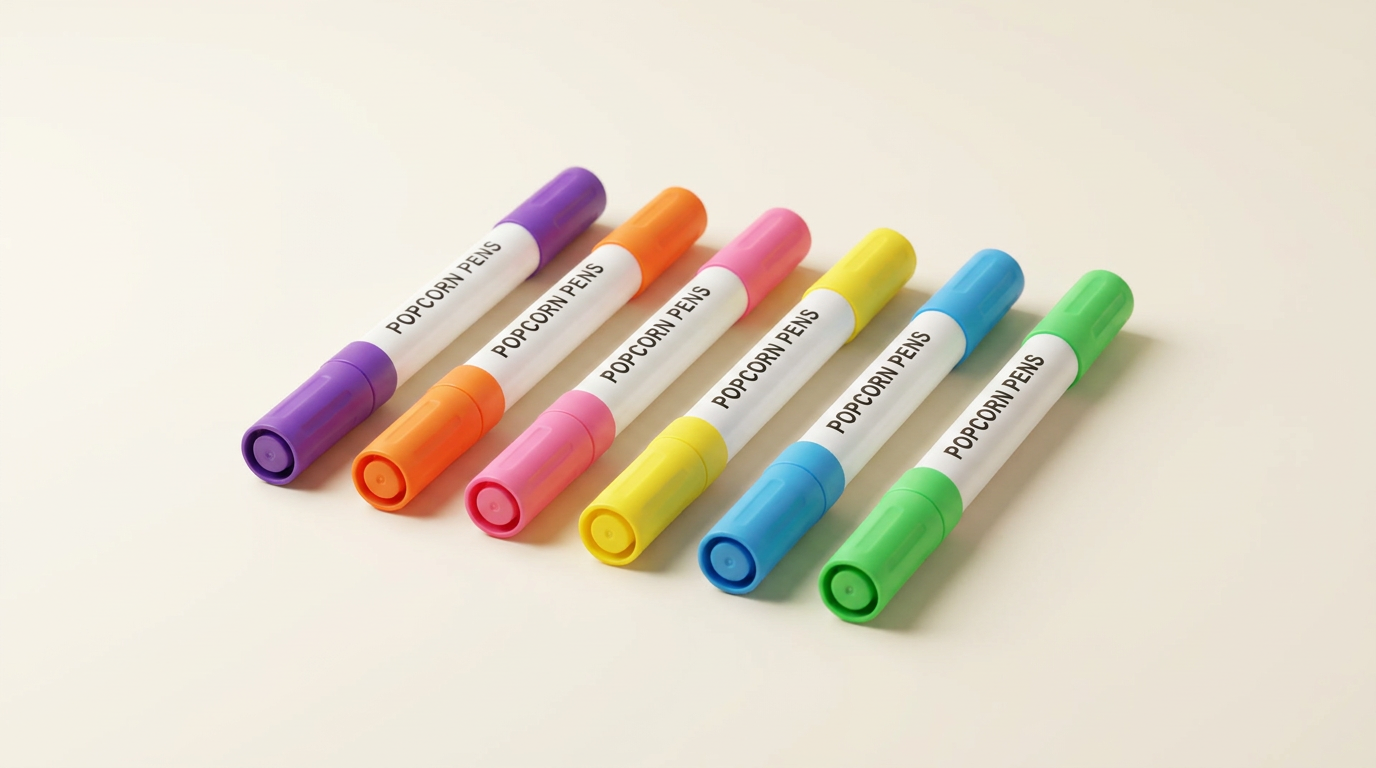
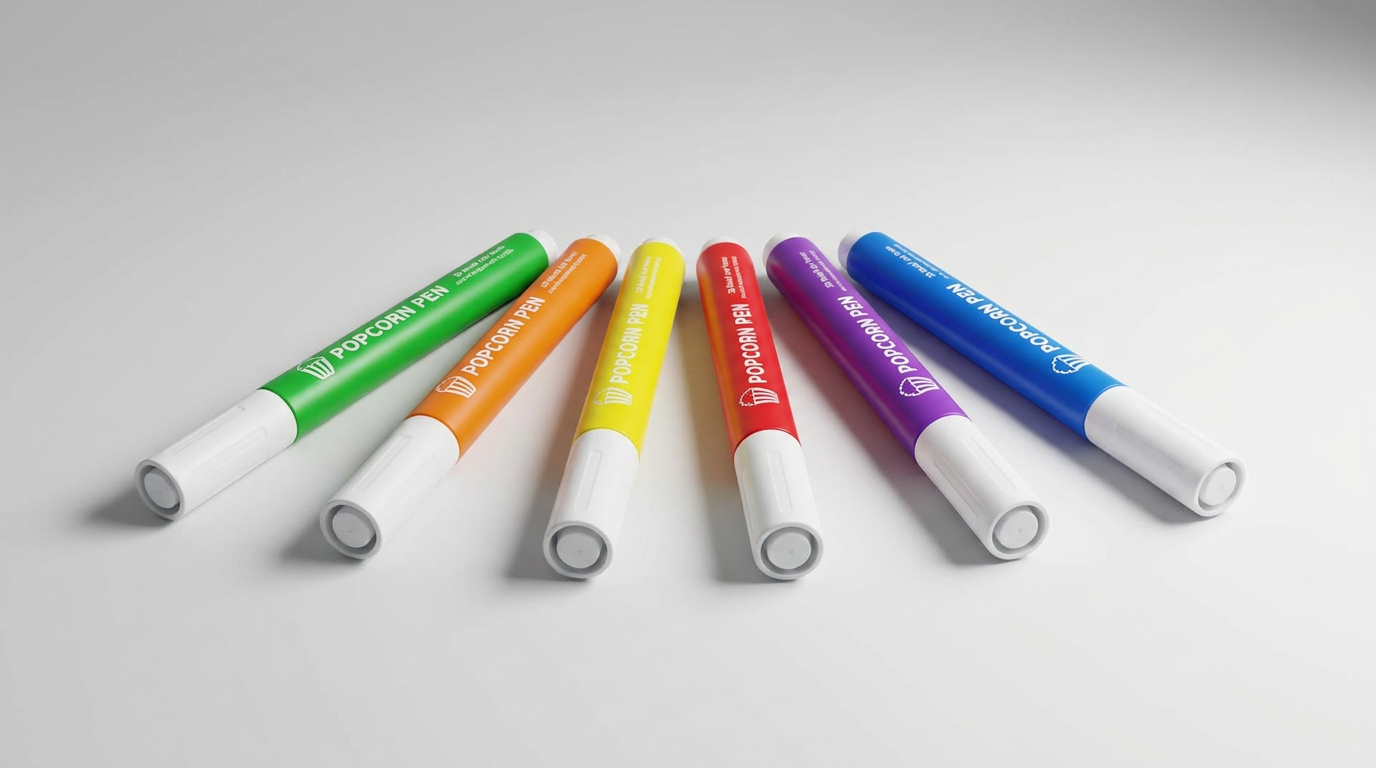
At first glance, the NIEFARG set resembles standard miniature squeeze markers. The casing consists of thin molded plastic with rudimentary friction caps, housing a liquid compound intended to remain viscous until heated. The materials feel fragile in hand, lacking the internal pressure regulation found in quality liquid-chalk or paint markers. This lack of pneumatic design yields what owners encounter as a pressurized burst risk: several buyers report ink violently spraying out upon uncapping, coating clothes, furniture, and hands before any drawing begins. The structural integrity is inadequate for school bags or rough craft drawers, making accidental ruptures an ongoing concern.
Setup & Ease of Use
Getting started should theoretically be simple: uncap, draw on a porous surface, and apply continuous heat from a standard domestic blow dryer. However, the workflow breaks down at the substrate level. The liquid formulation carries an unusually low surface tension, causing it to pool and saturate typical 80 to 100 gsm paper almost instantaneously. Users must work on unusually heavy cardstock or non-porous surfaces just to prevent permanent table staining. For young children, the dual requirement of controlling a wet, runny marker followed by operating a high-heat appliance introduces an awkward operational barrier that rarely pays off in a smooth crafting session.
Performance in Real Use
The core selling proposition of these pens is the dramatic popcorn effect, where heat triggers micro-foaming agents within the ink to swell into a raised 3D texture. In practice, this reaction consistently fails to materialize. Across multiple home trials, owners report that applying sustained heat merely bakes the saturated ink into a scorched, flat stain rather than generating any perceptible height. Furthermore, the usable fluid volume inside each casing is surprisingly sparse. Crafters attempting simple line drawings find the pens running dry within a handful of strokes, compounding the disappointment of zero vertical lift.
Software & Ecosystem
While traditional additive manufacturing pens integrate into digital ecosystems via stencil libraries, temperature toggles, or companion software, the NIEFARG set operates entirely analog. Its presence in 3D printing categories is an artifact of algorithmic indexing rather than engineering intent. The product provides no complementary templates, technical guidance on required wattage, or recommendations regarding thermal distance. Crafters are left to guess the correct airflow and temperature variables, which only deepens the frustration when the promised chemical foaming reaction fails across all variables.
Value & Reliability
Priced in the under $25 bracket, the NIEFARG pack positions itself as an impulse craft purchase or birthday gift. Yet the actual cost of ownership includes ruined sketchbooks, stained tables, and unredeemable materials. Several buyers note that once the packaging is breached and the pens are tested, standard merchant return avenues become complicated or outright rejected due to the consumed, soiled state of the product. When an art supply fails at both its specialty function (puffing) and its baseline utility (clean marker drawing), the low upfront cost ceases to represent any tangible value.
Verdict
Stay Away - A defective novelty marker set that fails to puff up, leaks under pressure, and ruins paper with excessive bleed-through.
This product is not suitable for serious crafters, journal enthusiasts, or parents looking for an easy afternoon project with children. The low liquid volume, unpredictable ink discharge, and non-existent chemical reaction mean it serves neither as a proper drawing marker nor as a dimensional art tool. Skip this set entirely and invest in dedicated foam clay, dimensional fabric paint, or a legitimate low-temperature 3D printing pen.
The broader lesson of the NIEFARG Magic Popcorn Pens is the peril of category spoofing. By dressing up bottom-tier liquid stationery in the language of 3D printing, the product exploits consumer curiosity while evading the basic quality standards of both categories. When a tool ruins the paper it sits on and refuses to deliver its single advertised mechanism, it belongs in the waste bin, not the craft room.
FAQ
More 3D Printing Pens reviews
This review is based on real experiences shared by owners in online communities.