
RAMBERY Silk Dual Color PLA Filament Review: Aesthetic Impact for Small Prints
This review is based on real experiences shared by owners in online communities.
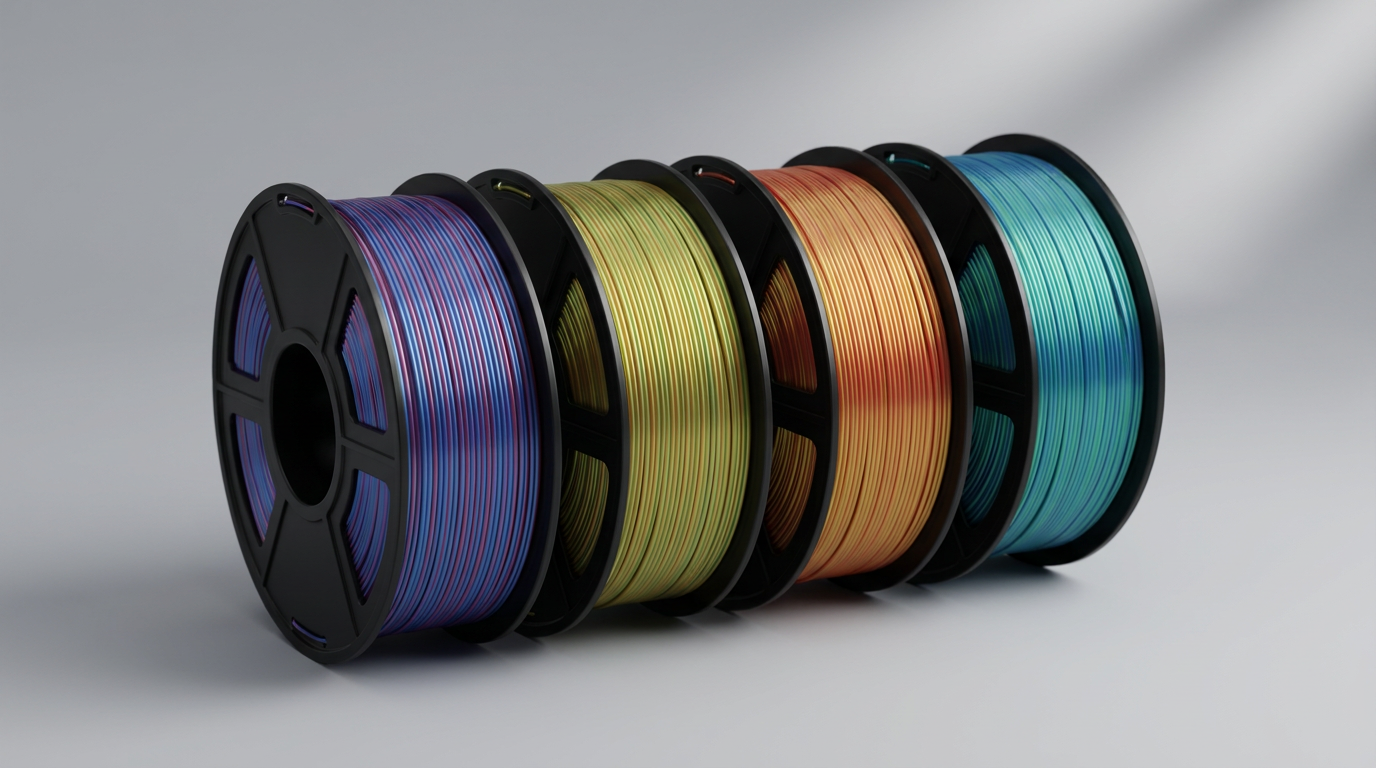
The RAMBERY Silk Dual Color PLA Filament bundle presents an interesting proposition for 3D printing enthusiasts seeking visual flair without committing to large spools or complex multi-material setups. While many multicolor filaments cycle through hues over significant lengths, RAMBERY's approach integrates two distinct colors along the entire cross-section of the strand, promising a unique iridescent effect even on compact prints. This design choice establishes a specific niche, catering to projects where dual-tone aesthetics are paramount from the first layer, rather than relying on object size to reveal color transitions.
However, this specific coloring method introduces a critical consideration: the "Small Print Paradox." Unlike traditional rainbow filaments that require larger models to showcase their full spectrum, the dual-color nature of RAMBERY's offering means smaller objects receive the full two-tone treatment. Conversely, this also means that the dramatic, shifting rainbow effect some users anticipate from other multi-color filaments is not the primary output here, often leading to a single dominant color on each side of a print. Understanding this distinction is key to evaluating its suitability for a given project.
This review evaluates the RAMBERY bundle through the lens of user experience, examining how its unique color presentation, material handling, and overall value proposition align with the expectations of both novice and experienced 3D printer operators.
What owners love
- + Vibrant and appealing silk-like dual-color finish.
- + Reliable print quality with consistent extrusion.
- + Generally tangle-free and clog-resistant performance.
- + Easy for beginners to use, requiring minimal print setting adjustments.
- + Good value for exploring specialty colors without buying full-size spools.
Common complaints
- − Small 200g spool size limits larger print projects.
- − Color transition within prints is not a shifting rainbow; it is side-by-side on surfaces.
- − Some spools may arrive with high moisture content, requiring pre-drying.
- − Potential for minor stringing issues in some setups.
- − Lack of branding on spools noted by some owners.
Design & Build
The RAMBERY Silk Dual Color PLA Filament distinguishes itself with a unique color composition: each strand carries two distinct hues side-by-side, creating a noticeable visual shift depending on the viewing angle. This design choice bypasses the traditional rainbow filament paradigm, where color changes occur along the length of the filament. Owners consistently praise the resulting "shimmery" and "bright" appearance, noting that the colors are "stunning" and produce "beautiful prints." The physical construction of the filament itself generally receives positive remarks, with owners describing it as "smooth" and "nice material." However, a recurring observation revolves around the spool size; at 200g per spool, many users find them considerably smaller than standard 1kg rolls. This design decision embodies the "sample-size strategy," offering variety at a lower commitment, but also introduces a practical limitation for larger projects, as several owners report running out of filament quickly. The unbranded spools, though functionally sound, also present a minor aesthetic inconsistency.
Setup & Ease of Use
Owners report a straightforward setup and consistent ease of use with the RAMBERY filament. Many new users find it "beginner friendly" and an excellent introduction to silk PLA, with several noting it "held up great" and worked "like a charm" even for those new to 3D printing. The filament's dimensional accuracy, rated at +/- 0.02mm, translates to reliable feeding and minimal print issues. Users across various popular FDM printers, including Bambu Lab P1S and A1 Mini, report no major compatibility hurdles. Specific printer settings, such as a 210-degree print temperature and 60-degree bed temperature, are cited as effective by some for achieving optimal results. Adhesion is generally not a concern, with one owner noting that a glue stick resolves any potential issues. The primary point of contention in ease of use relates to the small spool size, as it necessitates more frequent filament changes for continuous or larger projects. While generally tangle-free, one report mentioned an initial tangle in a new roll, though it was easily resolved.
Performance in Real Use
In real-world applications, the RAMBERY Silk Dual Color PLA consistently delivers vibrant, smooth, and detailed prints. The "perfect prints" and "amazing prints" attest to its output quality. A key characteristic highlighted by owners is the filament's inherent ability to produce a dual-color effect even on small objects, which directly addresses the manufacturer's claim of distinct dual colors per inch. This contrasts with common expectations of gradual rainbow shifts, leading to some initial surprise among users expecting linear color progression across a print. The "color-impact concentration" is high, meaning small designs immediately benefit from the dual-tone aesthetic. Reports of minimal stringing are common, though some users note light stringing post-print, suggesting slight optimization may be needed for certain geometries or print settings. The filament's robust behavior under common printing conditions suggests a forgiving material, even for those still refining their print profiles. While one owner mentioned a specific machine not always liking the filament, attributing it to a potential printer issue rather than the filament itself, overall performance reports indicate high reliability.
Software & Ecosystem
The RAMBERY filament operates within the broad and open ecosystem of FDM 3D printing, making it compatible with most standard FDM printers without requiring proprietary software or specific profiles beyond general PLA silk settings. Users readily integrate it with popular machines like Bambu Lab A1 Mini and P1S, often using generic silk PLA profiles or slight temperature adjustments. The filament itself does not come with specific software, nor does it necessitate any unique ecosystem components beyond a standard slicer. The emphasis is on material quality and physical properties rather than digital integration. The ease with which it works across different printer brands underscores its universal applicability within the FDM landscape. There is no indication that specialized software is required for optimal performance, and owners report using recommended settings effectively, confirming its plug-and-play nature for standard 3D printing workflows.
Value & Reliability
Owners generally perceive the RAMBERY Silk Dual Color PLA Filament as a good value, especially for its unique color presentation and consistent print quality. Priced in the range of similar specialty filaments, its primary value proposition lies in providing a diverse set of appealing colors in smaller quantities. This addresses the "exploratory budget" of users who want to experiment with different hues and effects without investing in larger, more expensive spools. The reliability is high, with numerous reports of tangle-free operation, no clogging, and consistent feeding. One notable exception points to potential moisture content, as one owner received brittle filament that required drying, indicating that while typically good, occasional quality control variances may occur. Despite this, the overall consensus remains positive, with many stating they would "definitely buy again" or have purchased it "several times over the year." The small spool size, while a drawback for large projects, reinforces its role as a high-impact accent filament rather than a bulk material.
Verdict
Buy - This filament delivers on its promise of vibrant, dual-color silk prints with high reliability, especially for smaller projects and color experimentation.
This RAMBERY bundle is an excellent acquisition for 3D printing enthusiasts focused on decorative items, prototyping, or any project where visual appeal and color variety are prioritized over sheer material volume. It excels for users who appreciate the immediate two-tone effect on their prints and want to explore unique aesthetics without committing to large spools. Those with smaller print beds or who frequently switch colors will find the 200g rolls economical and convenient. However, individuals planning large-scale functional prints, requiring long, uninterrupted print times, or expecting a gradual rainbow color shift across their objects should look elsewhere. Its small spool size creates a "production friction tax" for anything beyond modest creations.
This filament quietly excels as a "palette expander" rather than a workhorse. Its true value lies not in its quantity, but in its ability to inject instant visual pop, effectively serving as an accent material that allows for diverse, high-impact finishes. It reshapes the economic logic of filament purchasing by making specialty colors accessible for experimentation, sidestepping the common deterrent of bulk commitments for niche aesthetics. It is a tool for creative exploration, not industrial output.
FAQ
More 3D Printing Supplies reviews
eSUN PLA+ Filament: The Go-To Choice for High-Speed 3D Printers
SUNLU High Speed PETG Filament Review: The 'Dry-First Economy' Advantage
ERYONE Silk Filament PLA+ Review: The Glossy Aesthetic Standard
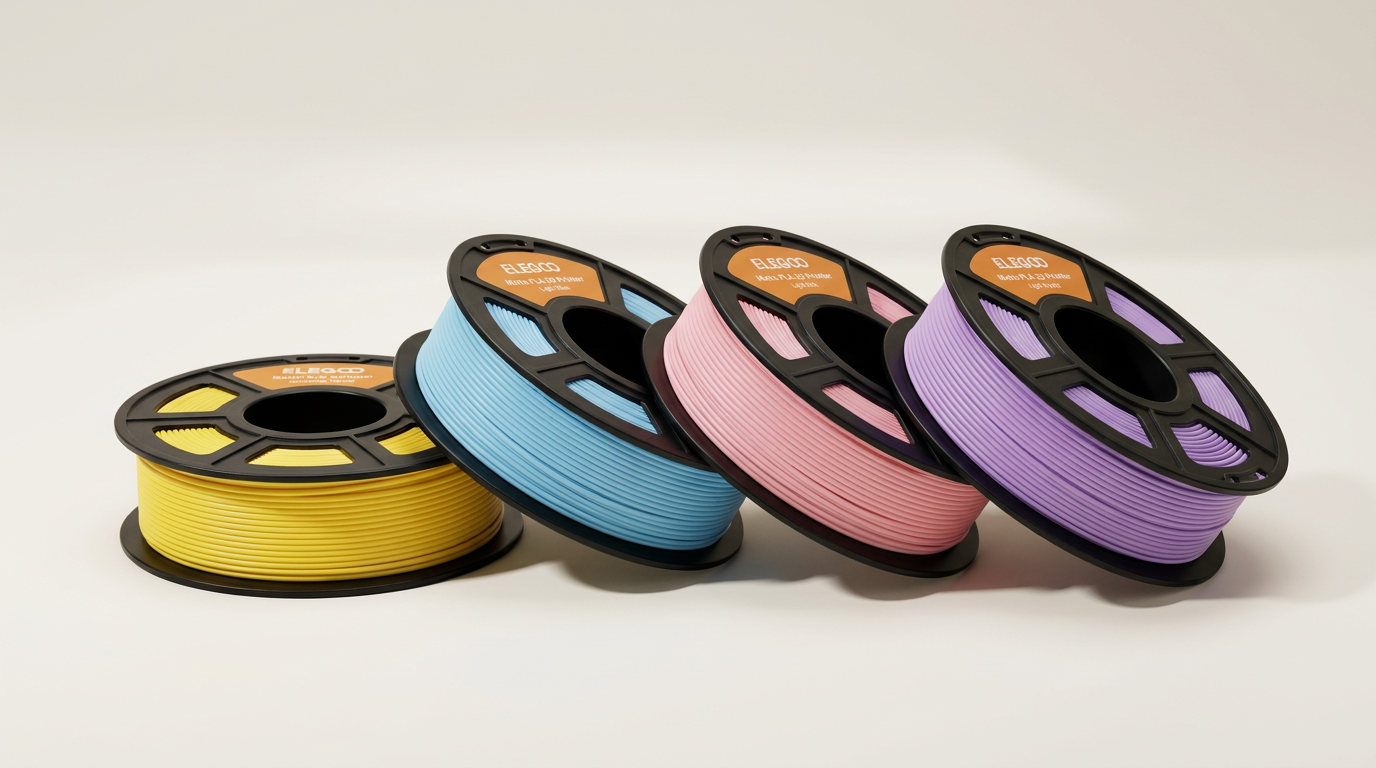
ELEGOO Matte PLA Filament Bundle Review: A Premium Material on a Budget
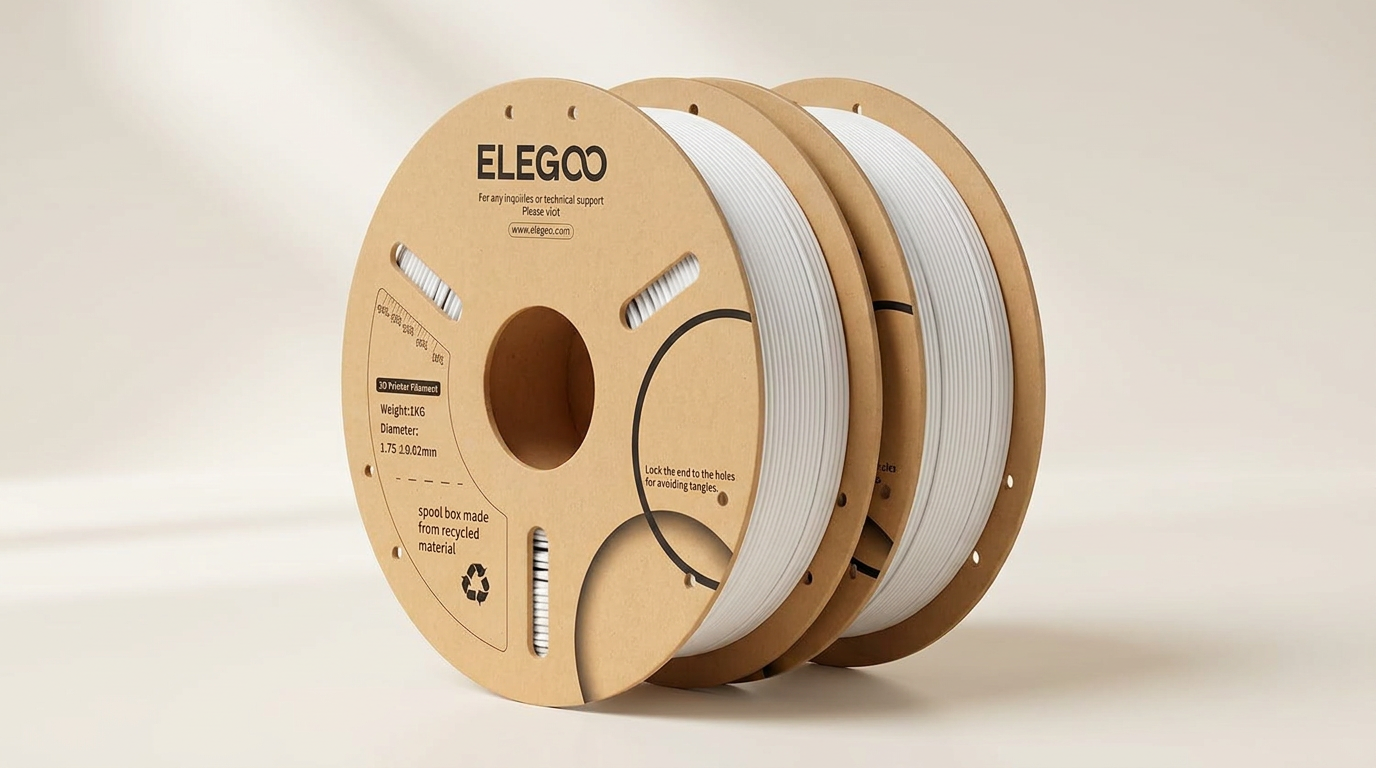
ELEGOO PLA Plus Filament Review: The Workhorse White
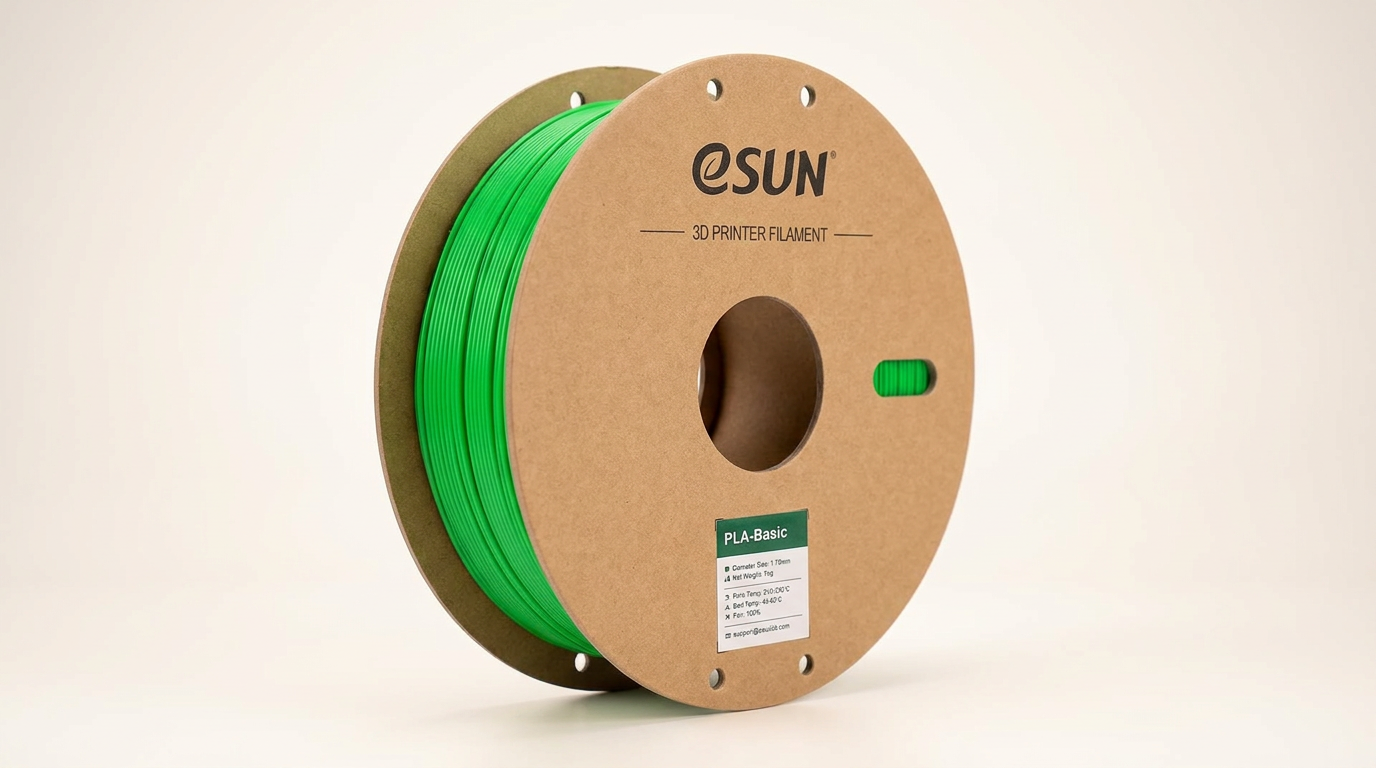
eSUN PLA Basic Filament Review: A Workhorse for 3D Printing
This review is based on real experiences shared by owners in online communities.